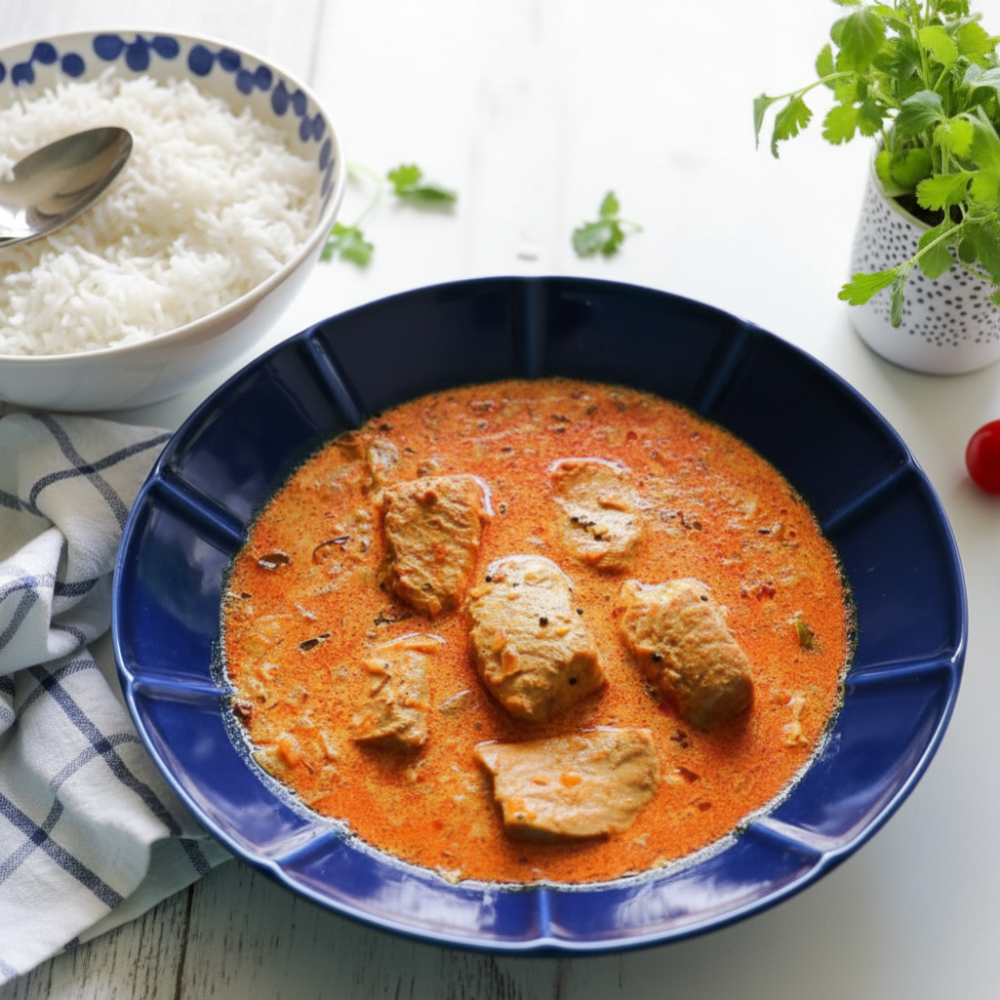
Welcome, food adventurers! Today, we’re embarking on a culinary journey to the vibrant backwaters of Kerala, the land of coconuts, spices, and breathtaking flavors. Get ready to discover the magic behind an authentic Kerala Fish Curry – a dish that embodies the soul of South Indian cuisine with its perfect balance of tang, spice, and creamy richness. This isn’t just a meal; it’s an experience, a heartwarming bowl that tells a story of tradition and taste.
What Makes This Kerala Fish Curry Special?
Every region in India boasts its unique culinary fingerprint, and Kerala is no exception. This fish curry stands out for several reasons, primarily due to two star ingredients that are fundamental to its distinctive character.
The Magic of Malabar Tamarind (Kudampuli)
Forget the regular tamarind you might be familiar with. In Kerala, the secret ingredient for that unique sour tang is Malabar tamarind, locally known as Kudampuli. These small, dark, dried fruit rinds aren’t just sour; they impart a smoky, slightly fermented, and deep sourness that beautifully complements seafood. It’s what gives this curry its signature robust and earthy flavor profile, unlike any other. Using Kudampuli is non-negotiable for an authentic taste, transforming a simple fish dish into a symphony of complex flavors.
The Richness of Coconut Milk
Kerala, often called “God’s Own Country,” is abundant in coconut trees, and its cuisine celebrates this bounty. The generous use of fresh coconut milk is another cornerstone of this particular South Indian fish recipe. It provides a luxurious creaminess that mellows the heat from the chillies, adds a subtle sweetness, and binds all the vibrant spices together. It’s this beautiful interplay of fiery spices and soothing coconut milk that makes this a truly indulgent and balanced spicy coconut milk curry, coating each flake of fish in velvety goodness.
Essential Ingredients for Nadan Meen Curry
To truly capture the essence of a Nadan meen curry (which translates to “country-style fish curry”), fresh, quality ingredients are paramount. Here’s what you’ll need to gather:
- Fish: 500g, firm white fish like Mahi Mahi, Halibut, or Cod, cut into steaks or large pieces.
- Malabar Tamarind (Kudampuli): 4-5 pieces, soaked in warm water for 15-20 minutes.
- Coconut Oil: 2-3 tablespoons (essential for authentic flavor).
- Mustard Seeds: 1 teaspoon.
- Fenugreek Seeds: 1/2 teaspoon.
- Curry Leaves: 2 sprigs.
- Onion: 1 medium, thinly sliced.
- Ginger: 1 tablespoon, finely chopped.
- Garlic: 1 tablespoon, finely chopped.
- Green Chillies: 2-3, slit lengthwise (adjust to your spice preference).
- Turmeric Powder: 1 teaspoon.
- Red Chilli Powder: 1-2 teaspoons (Kashmiri chilli powder for color, regular for heat).
- Coriander Powder: 2 tablespoons.
- Thick Coconut Milk: 1 cup (first extract).
- Thin Coconut Milk: 1.5 cups (second extract).
- Water: As needed.
- Salt: To taste.
How to Make Kerala Fish Curry (Step-by-Step)
Creating this iconic dish is simpler than you might imagine. Follow these steps, and you’ll soon be enjoying a masterpiece.
Preparing the Spice Base
- Rinse the fish pieces gently and set aside. Soak the Malabar tamarind (Kudampuli) in warm water.
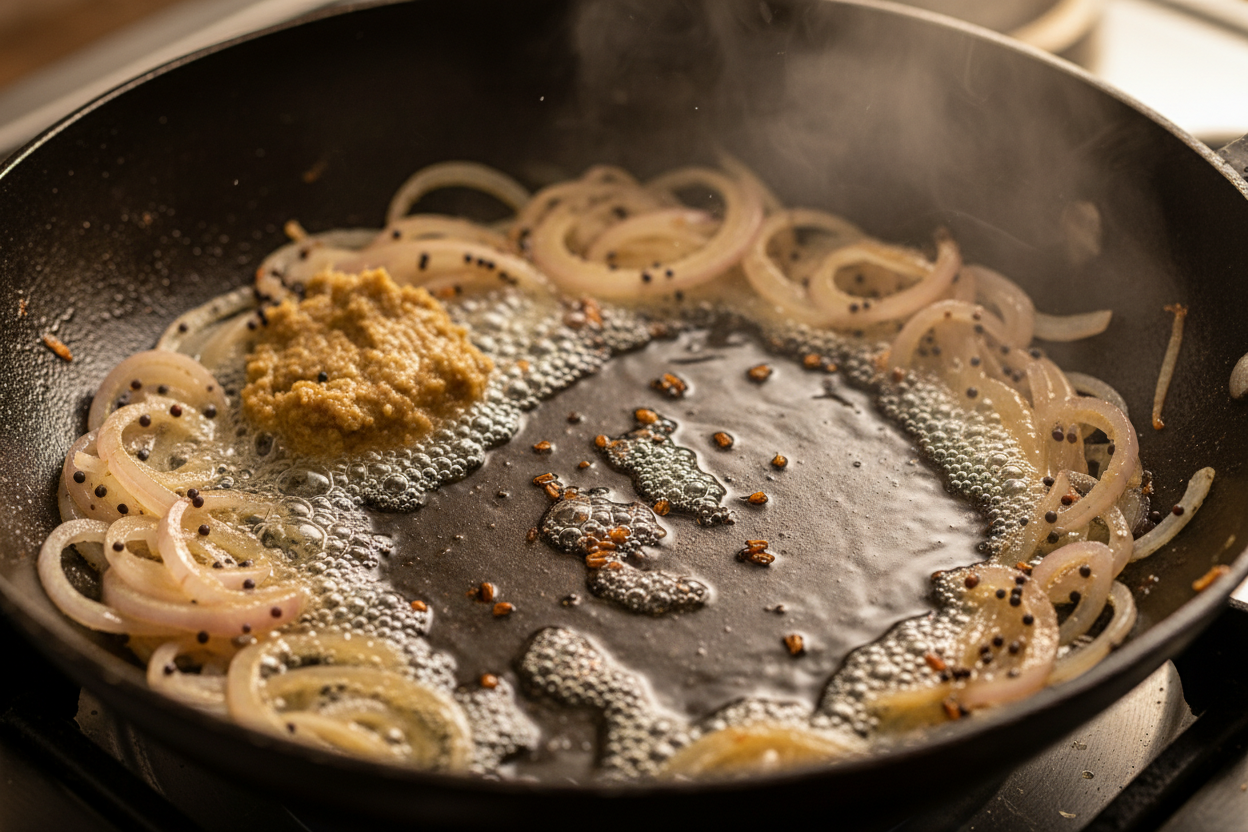
- Heat coconut oil in an earthen pot (or a heavy-bottomed pan) over medium heat. Once hot, add the fenugreek and mustard seeds. Let the mustard seeds splutter and the fenugreek seeds turn light golden. Be careful not to burn them, as they can turn bitter.
- Add the curry leaves, sliced onion, chopped ginger, chopped garlic, and slit green chillies. Sauté until the onions turn translucent and slightly golden. This usually takes about 5-7 minutes.
- Reduce the heat to low. Add the turmeric powder, red chilli powder, and coriander powder. Sauté the spices for about 30 seconds to a minute, stirring constantly to prevent burning. The aroma will become wonderfully fragrant.
- Pour in the thin coconut milk and about half a cup of water, along with the soaked Kudampuli (and the water it soaked in, if you prefer a stronger tang). Bring the mixture to a gentle simmer, stirring to ensure there are no lumps from the spice powders. Add salt to taste.
Simmering the Fish to Perfection
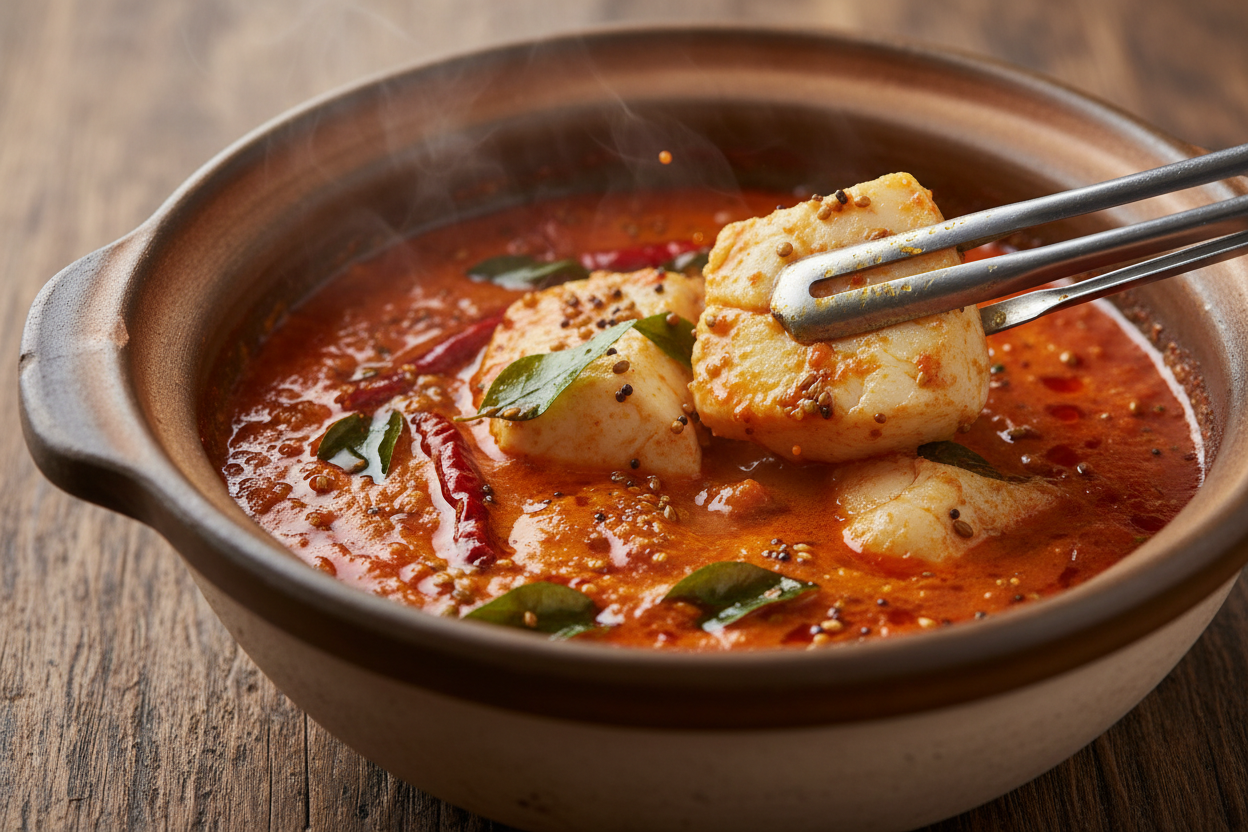
- Once the gravy is simmering gently, carefully add the fish pieces into the pot. Gently swirl the pot or use a spoon to ensure the fish is submerged in the gravy. Avoid stirring vigorously as this can break the fish.
- Cover the pot and let it simmer on low to medium heat for about 10-12 minutes, or until the fish is cooked through and flaky. The cooking time will depend on the thickness of your fish pieces. The Kudampuli will infuse its wonderful sourness into the fish during this stage.
Finishing with Creamy Coconut Milk
- Once the fish is cooked, pour in the thick coconut milk. Give it a gentle swirl or a very light stir. Do not boil the curry vigorously after adding the thick coconut milk, as it can curdle.
- Allow the curry to heat through gently for just 2-3 minutes until it’s warmed and slightly thickened.
- Remove from heat. For an extra layer of flavor and aroma, you can perform a quick tempering (tadka) with a teaspoon of coconut oil, a few mustard seeds, and curry leaves, poured over the finished curry just before serving. This is optional but highly recommended for an authentic touch.
Cooking Tips for the Best Flavor
To truly elevate your cooking and achieve that authentic taste, consider these expert tips:
Why Use an Earthen Pot (Manchatti)?
The traditional method of cooking a fish curry in Kerala involves an earthen pot (Manchatti). There’s a good reason for this! Clay pots distribute heat very evenly and slowly, allowing the flavors to meld beautifully without overcooking the delicate fish. They also retain heat exceptionally well, keeping your curry warm for longer. Many believe that the porous nature of clay even enhances the curry’s flavor over time, as it subtly absorbs and imparts distinct notes. If you don’t have one, a heavy-bottomed stainless steel or cast-iron pot will work, but for the true experience of earthen pot cooking, it’s worth investing in a Manchatti.
Choosing the Right Fish (Mahi Mahi, Halibut, or Cod)
The success of any fish curry hinges on the quality of the fish. For this dish, you want a firm, white-fleshed fish that can hold its shape during simmering. Mahi Mahi, Halibut, Cod, and even local varieties like Kingfish or Seer fish are excellent choices. Avoid overly delicate or flaky fish that might disintegrate in the gravy. Freshness is key – always choose fish that has clear eyes, firm flesh, and smells like the ocean, not “fishy.” This ensures your easy Indian seafood curry is not just flavorful but also perfectly textured.
“The secret to a truly memorable Kerala Fish Curry isn’t just the spices; it’s the love put into each slow simmer and the understanding of how each ingredient, from the tangy Kudampuli to the creamy coconut milk, plays its role in creating a culinary masterpiece.”
Serving Suggestions (White Rice and Sides)
This vibrant fish curry is traditionally served with steaming hot plain white rice, allowing the rich gravy to soak into every grain. However, it’s also absolutely delicious with other Kerala staples like soft, lacy
Frequently Asked Questions
Q: Can I make this curry less spicy?
A: Absolutely! The spice level is entirely customizable. Reduce the amount of red chilli powder and green chillies. If you prefer color without intense heat, use Kashmiri chilli powder which is milder.
Q: How long does Kerala Fish Curry last?
A: This curry tastes even better the next day! Store it in an airtight container in the refrigerator for up to 2-3 days. Reheat gently on the stovetop. The flavors deepen overnight as the fish continues to absorb the spices.
Q: Can I freeze this curry?
A: While you can freeze it, the texture of the fish and coconut milk might change slightly upon thawing and reheating. It’s best enjoyed fresh or within a couple of days from the refrigerator. If freezing, thaw in the fridge overnight and reheat gently.
Q: What if I can’t find Malabar Tamarind (Kudampuli)?
A: While Kudampuli is crucial for authentic flavor, if you absolutely cannot find it, a small amount of regular tamarind pulp (about 1-2 teaspoons, adjusted to taste) can be used as a last resort. However, the flavor profile will be different.
We hope this guide inspires you to recreate this incredible dish in your own kitchen. There’s nothing quite like the feeling of serving up a traditional, flavorful curry that transports you straight to the backwaters of Kerala.
For more delicious recipes and culinary inspiration, be sure to follow our page on Facebook! You can find us here: https://www.facebook.com/profile.php?id=61568538666337
Authentic Kerala Fish Curry with Coconut Milk
Ingredients
- 1 lb White Fish fillets Cut into 2-inch chunks (Mahi Mahi, Halibut, or Cod)
- 1 cup Full-fat Coconut Milk
- 1 tbsp Coconut Oil
- 1/2 tsp Black Mustard Seeds
- 1/4 tsp Fenugreek Seeds
- 1 sprig Fresh Curry Leaves
- 1 cup Red Onion Finely sliced
- 1 tbsp Ginger Garlic Paste
- 1 tsp Turmeric Powder
- 1 tbsp Kashmiri Chili Powder
- 2 pieces Malabar Tamarind (Kudampuli) Soaked in warm water. Substitute: 1 tsp regular tamarind paste.
- 1/2 tsp Salt Adjust to taste
- 1/2 cup Water
Instructions
- Soak the Malabar tamarind (Kudampuli) in warm water for 15 minutes.
- Heat coconut oil in a deep skillet or earthen pot over medium heat. Add mustard seeds and fenugreek seeds, letting them splutter for a few seconds.
- Add curry leaves, sliced onion, and ginger-garlic paste. Sauté until the onions are golden brown.
- Stir in turmeric powder and Kashmiri chili powder, cooking for 1 minute until fragrant.
- Pour in the water and add the soaked tamarind along with its soaking liquid. Bring to a gentle boil.
- Gently place the fish chunks into the pan, coating them with the sauce. Cover and simmer for 10 minutes until the fish is opaque and cooked through.
- Lower the heat and slowly stir in the coconut milk. Simmer gently for another 3 minutes, taking care not to let it boil.
- Remove from heat and serve hot with steamed white rice.
For more daily recipes and tips, follow us on Facebook!
Click here to join our community!