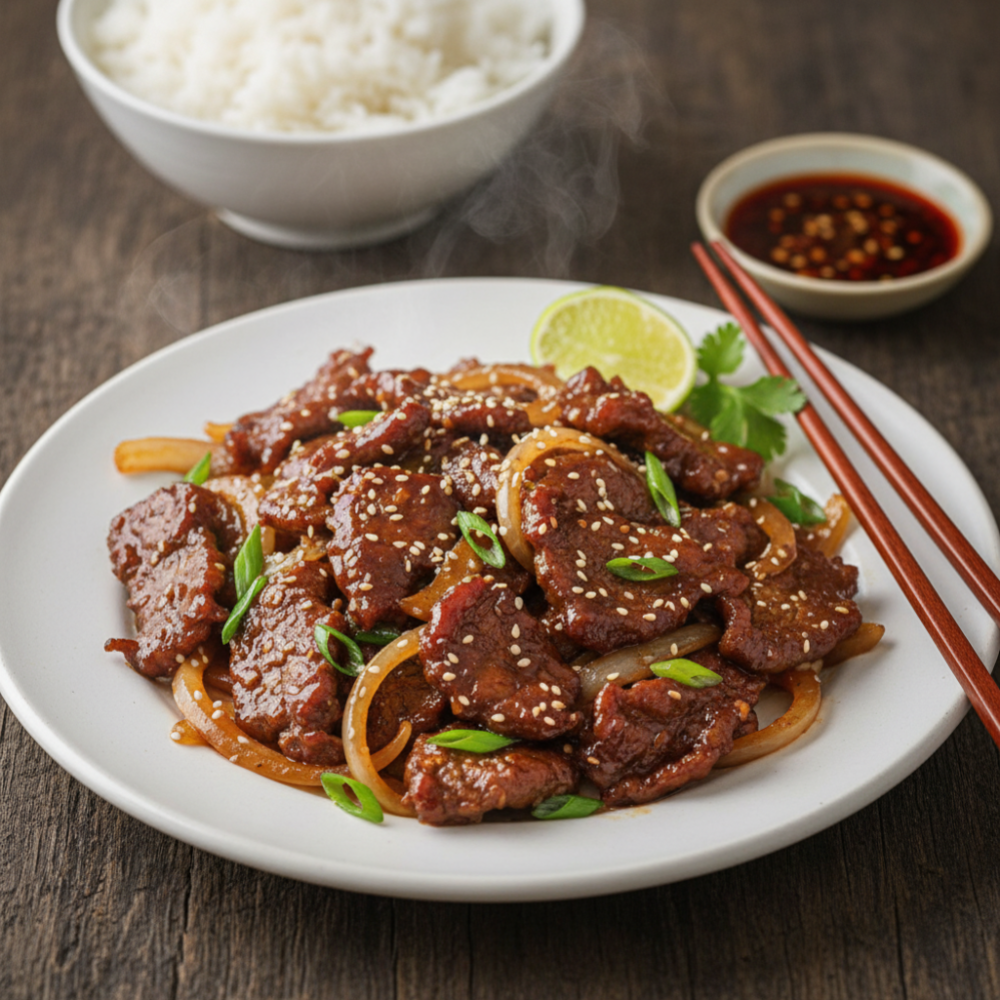
There’s a special kind of satisfaction that comes from recreating a beloved restaurant dish right in your own kitchen. And when it comes to the ultimate crowd-pleaser, few dishes rival the sweet, savory, and incredibly tender experience of homemade Mongolian Beef. Forget about calling for takeout tonight; we’re diving deep into crafting a version so good, it’ll make you wonder why you ever did.
Introduction to Homemade Mongolian Beef
That distinctive aroma, the vibrant colors, the perfect balance of flavors – it’s all within your reach. This isn’t just a recipe; it’s an invitation to transform your kitchen into your favorite Chinese spot, mastering one of the most iconic Chinese takeout recipes.
Why This Dish Beats Takeout
While we all love the convenience of grabbing a quick order, making this dish at home offers unparalleled benefits. You get to control every ingredient, ensuring freshness and quality. No more mysterious sauces or questionable ingredients! Plus, there’s an undeniable pride in serving up a dish that’s not only incredibly delicious but also made with your own two hands. You can adjust the flavors precisely to your liking, making it truly yours.
The Perfect Sweet and Savory Balance
The hallmark of this beloved stir-fry is its exquisite sweet and savory sauce. It’s a delicate dance between rich soy sauce, deep brown sugar, and aromatic fresh ingredients, creating a glaze that coats every tender piece of beef. This balance is what makes each bite so incredibly satisfying and utterly addictive. It’s truly a symphony of flavors that hits all the right notes.
Best Cuts of Beef to Use
The foundation of any great stir-fry starts with the right cut of beef. For this particular dish, tenderness is paramount, and choosing wisely makes all the difference in achieving that melt-in-your-mouth texture.
Flank Steak vs. Skirt Steak
For achieving the perfect, tender bite in your stir-fry, flank steak is often considered the best cut of beef. It’s lean, flavorful, and when prepared correctly, incredibly tender. Its grain runs visibly in one direction, which is ideal for slicing. Skirt steak is another excellent option, offering a rich flavor and similar texture. Both cuts absorb marinades beautifully and cook quickly, making them perfect for this type of fast-paced cooking.
Slicing Against the Grain for Tenderness
No matter which cut you choose, the secret to truly tender beef lies in how you slice it. Always aim to slice the beef against the grain. Imagine the muscle fibers running like tiny strands of spaghetti; slicing against them shortens these fibers, making the beef much easier to chew and more tender. Aim for thin, even slices, about ⅛ to ¼ inch thick, to ensure even cooking and maximum tenderness in your flank steak stir-fry.
Key Ingredients for the Authentic Sauce
The magic of this dish truly lies in its incredible sauce. It’s a simple combination of pantry staples, yet it creates a complex flavor profile that is both comforting and exciting.
Soy Sauce and Brown Sugar Base
At the heart of our sweet and savory sauce is the dynamic duo of soy sauce and brown sugar. Use a good quality regular or low-sodium soy sauce as the base for umami richness. Dark brown sugar adds a deep, molasses-like sweetness that caramelizes beautifully, contributing to the glaze’s luscious texture and color. This combination creates the iconic foundation of the stir-fry marinade.
Aromatics: Garlic, Ginger, and Green Onions
Fresh aromatics are non-negotiable for an authentic flavor. Plenty of minced garlic and grated fresh ginger provide a pungent, warming backbone to the sauce. Green onions are used in two ways: some go into the sauce to infuse it with a mild oniony sweetness, and the white parts are often stir-fried with the beef, while the green tops are reserved for a fresh, vibrant garnish.
Elevating with Chili Oil and Lime
While the classic version is often mild, a touch of chili oil can introduce a delightful warmth and subtle heat, adding another layer of complexity without making it overtly spicy. A squeeze of fresh lime juice at the very end brightens all the flavors, cutting through the richness and adding a zesty finish that elevates the entire dish. These small additions can truly transform your homemade Mongolian beef.
Step-by-Step Instructions for Tender Beef
Now for the exciting part – bringing it all together! Follow these steps closely for beef that’s unbelievably tender and coated in that irresistible glossy sauce.
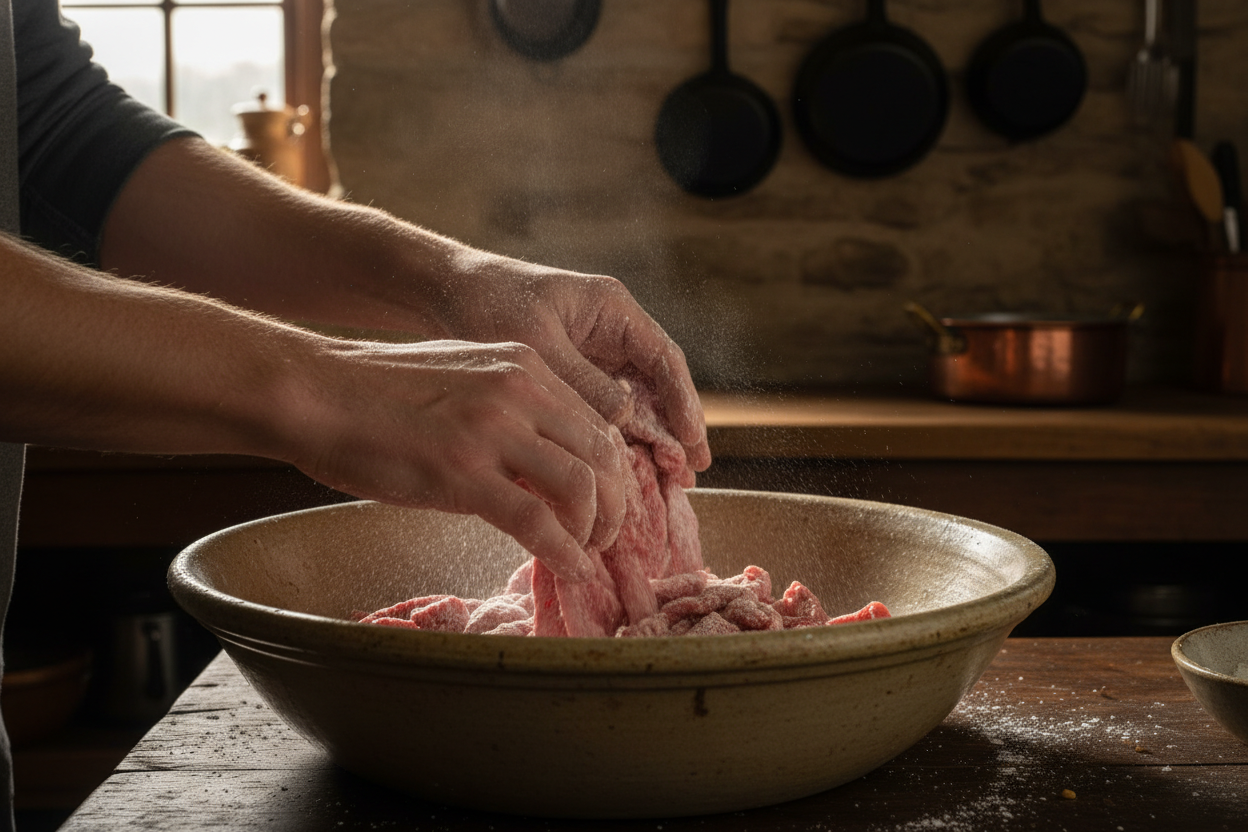
The Magic of Velveting with Cornstarch
-
Prepare the Beef: Slice your chosen beef cut (flank or skirt steak) thinly against the grain. Pat the slices dry with paper towels.
-
Marinate: In a medium bowl, toss the beef slices with a tablespoon or two of cornstarch. This is the secret to velveting, creating a protective cornstarch beef coating that locks in moisture and tenderizes the meat as it cooks. Add a splash of soy sauce or rice wine for extra flavor, if desired. Let it sit for at least 15-20 minutes at room temperature, or up to 30 minutes.
Searing for Crispy Edges
-
Heat the Wok/Skillet: Heat a large wok or heavy-bottomed skillet over high heat until it’s smoking. Add a tablespoon or two of high smoke point oil (like peanut, canola, or grapeseed oil).
-
Sear the Beef: Add the marinated beef in a single layer, making sure not to overcrowd the pan. Cook in batches if necessary. Let the beef sear undisturbed for 1-2 minutes until beautifully browned and crispy on one side, then flip and sear for another minute or so until cooked through. The goal is a quick, hot sear to achieve crispy edges while keeping the inside tender. Remove the beef from the pan and set aside.
Thickening the Glaze
-
Sauté Aromatics: In the same pan, add a little more oil if needed. Add your minced garlic, grated ginger, and the white parts of your green onions. Stir-fry for about 30 seconds until fragrant, being careful not to burn the garlic.
-
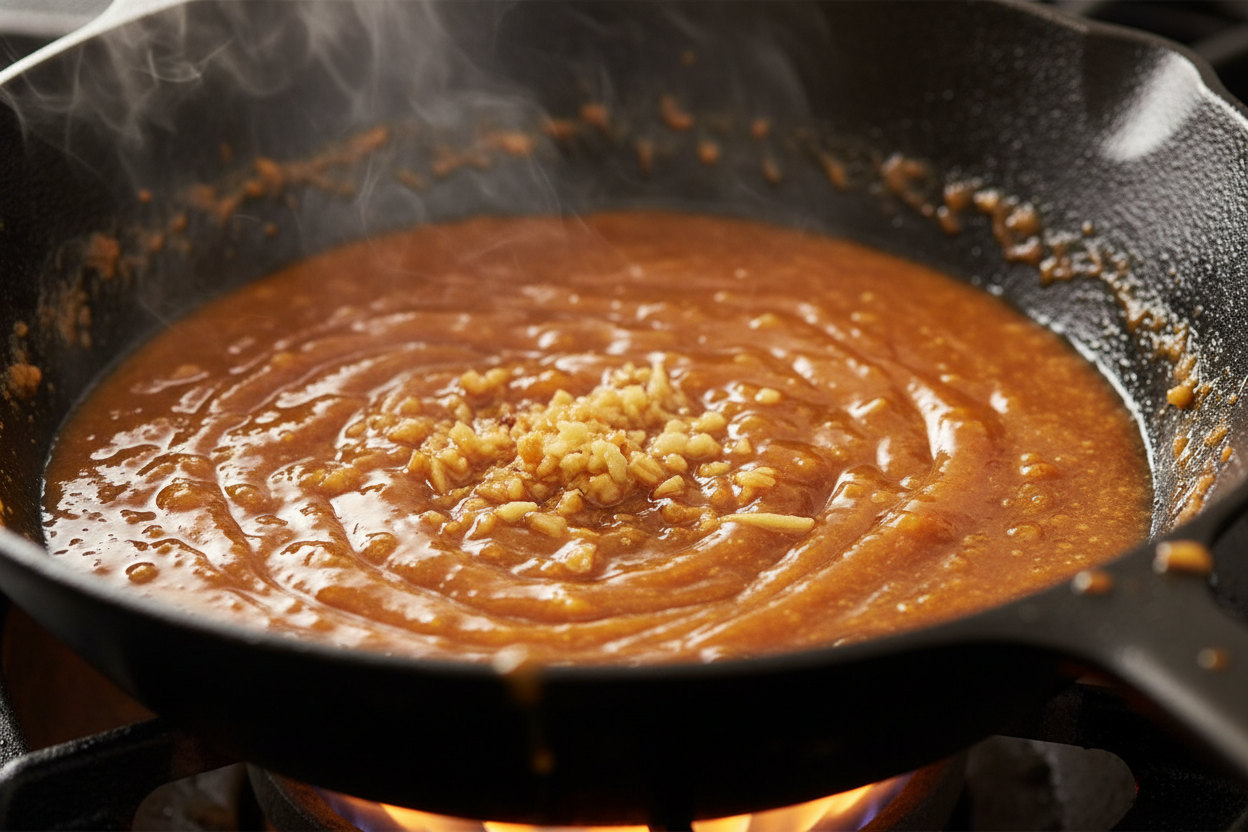
Add the Sauce: Pour in your prepared sweet and savory sauce (soy sauce, brown sugar, a little water or broth, and any optional chili oil/lime). Bring the mixture to a simmer, stirring constantly. The sauce will begin to thicken almost immediately due to the residual cornstarch from the beef and any added to the sauce itself.
-
Combine and Serve: Once the sauce has thickened to a glossy glaze, return the seared beef to the pan. Toss everything together quickly to coat the beef evenly. Stir in the green parts of your green onions. Remove from heat immediately and serve.
Exciting Variations to Try
One of the best things about making this dish at home is the freedom to customize. Feel free to experiment with these delicious Mongolian beef variations to suit your taste.
Making it Spicier
If you like a kick, there are several ways to amp up the heat. Add a teaspoon or two of Sriracha or gochujang to the sauce mixture for a bolder flavor. For a more intense heat, stir in a pinch of red pepper flakes with the aromatics, or drizzle extra chili oil over the finished dish before serving. Adjust to your preferred spice level!
Adding Vegetables (Broccoli, Bell Peppers)
To make this an even more complete and vibrant meal, consider adding your favorite vegetables. Broccoli florets, sliced bell peppers (red, yellow, or orange for color), snow peas, or even thinly sliced carrots are fantastic additions. Add harder vegetables like broccoli or carrots early in the stir-frying process after searing the beef, cooking them until tender-crisp before returning the beef and adding the sauce. So simple for an easy weeknight dinner!
Paleo and Gluten-Free Swaps
With a few smart substitutions, this recipe can easily accommodate dietary needs. For a gluten-free version, simply swap out regular soy sauce for tamari. To make it paleo-friendly, use coconut aminos instead of soy sauce, and opt for a natural sweetener like maple syrup or honey in place of brown sugar. Ensure your cornstarch is pure or consider arrowroot powder as an alternative thickener.
What to Serve with Mongolian Beef
This flavorful dish is hearty on its own, but it truly shines when paired with the right accompaniments that soak up all that delicious sauce.
White Rice and Grain Alternatives
The classic pairing for this kind of stir-fry is a steaming bowl of fluffy white rice. Its neutral flavor and absorbent texture make it the perfect canvas for the rich sauce. However, if you’re looking for alternatives, brown rice, quinoa, or even cauliflower rice can offer a nutritious and equally satisfying base.
Noodle Pairings
For those who prefer noodles, this dish is fantastic with a side of pan-fried or steamed noodles. Thin egg noodles, ramen noodles (without the seasoning packet), or even wider rice noodles can be tossed with a little sesame oil and served alongside, or even gently folded into the stir-fry itself for a delightful noodle dish.
Frequently Asked Questions
Can I make this ahead of time?
While best served fresh, you can certainly do some prep work in advance. You can slice and marinate the beef up to 24 hours ahead, storing it in the refrigerator. The sauce can also be mixed together and stored in an airtight container in the fridge for 2-3 days. This makes assembly for an easy weeknight dinner a breeze!
How do I store and reheat leftovers?
Store any leftover stir-fry in an airtight container in the refrigerator for up to 3-4 days. To reheat, gently warm it in a skillet over medium heat with a splash of water or broth to loosen the sauce, or microwave until heated through. Be careful not to overcook the beef when reheating.
Why did my sauce get too thick?
If your sweet and savory sauce became too thick, it’s usually due to too much cornstarch or over-reduction. Cornstarch is a powerful thickener, so precise measurement is key. If it happens, don’t worry! Simply whisk in a tablespoon or two of hot water or beef broth into the sauce until it reaches your desired consistency.
I hope you’ve enjoyed this culinary journey into making the perfect homemade version of this beloved classic. Happy cooking!
For more delicious recipes and cooking tips, make sure to follow us on Facebook! You can find our page here: https://www.facebook.com/profile.php?id=61568538666337
Easy Homemade Mongolian Beef
Ingredients
- 1 lb Flank steak Thinly sliced against the grain
- 1/4 cup Cornstarch For coating the beef
- 3 tbsp Vegetable oil Divided use
- 1/2 cup Soy sauce Low sodium preferred
- 1/2 cup Brown sugar Packed
- 1 tbsp Fresh ginger Minced
- 3 cloves Garlic Minced
- 1 tbsp Chili oil Adjust to desired heat level
- 1 bunch Green onions Cut into 2-inch pieces
- 1 tbsp Sesame seeds For garnish
- 2 cups White rice Cooked, for serving
- 1 Lime Cut into wedges for serving
Instructions
- Slice the flank steak thinly against the grain into bite-sized pieces.
- Place the sliced beef into a bowl, add the cornstarch, and toss until the meat is evenly coated. Set aside for 10 minutes.
- In a small bowl, whisk together the soy sauce, brown sugar, minced ginger, minced garlic, and chili oil to create the sauce.
- Heat 2 tablespoons of vegetable oil in a large wok or skillet over medium-high heat.
- Add the coated beef to the hot skillet in a single layer. Cook for 2 to 3 minutes per side until browned and crispy. Remove the beef from the skillet and set aside.
- Pour the remaining 1 tablespoon of oil into the skillet. Add the sauce mixture and let it simmer for 2 minutes until it begins to thicken.
- Return the beef to the skillet, tossing well to coat it evenly in the glossy sauce.
- Stir in the green onions and cook for an additional 1 minute until they are slightly softened but still vibrant green.
- Remove from heat and garnish with sesame seeds. Serve immediately over warm cooked white rice with lime wedges on the side.
For more daily recipes and tips, follow us on Facebook!
Click here to join our community!