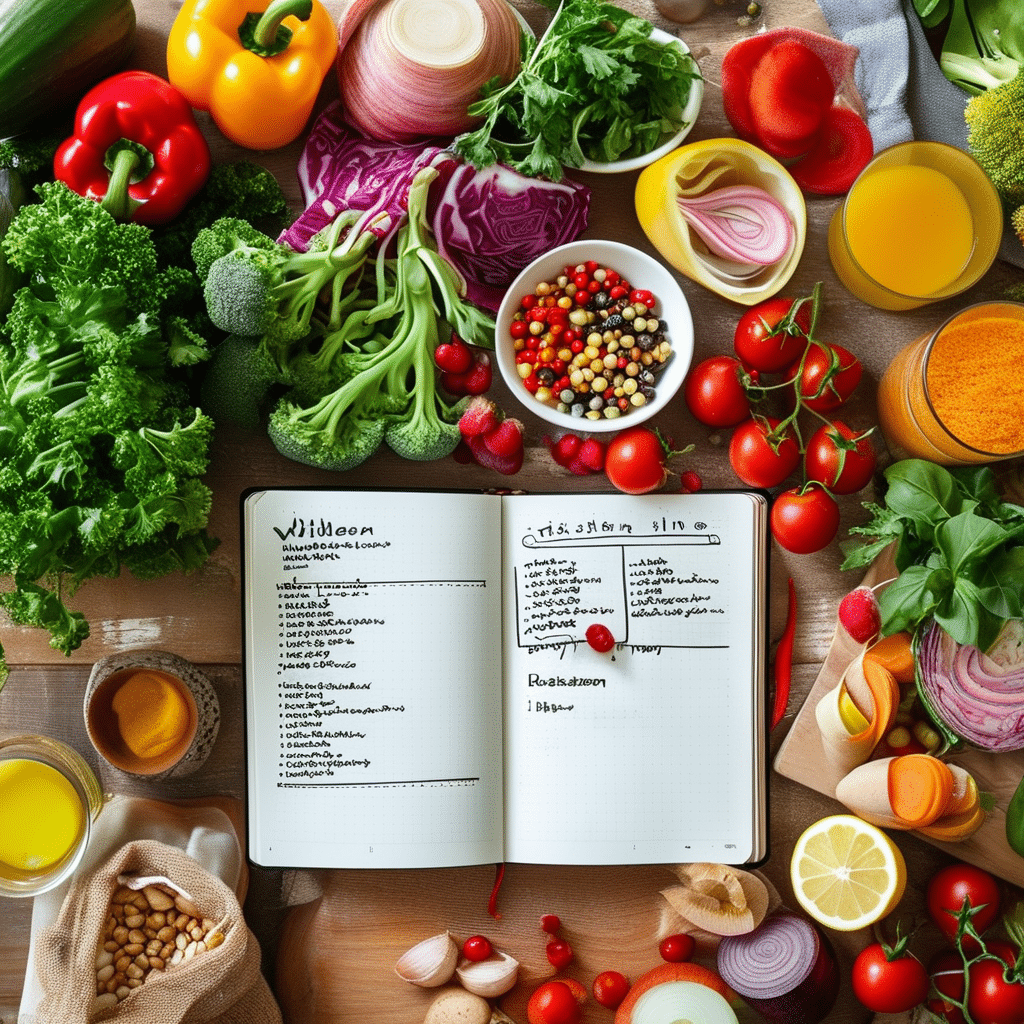
Life with a family is a beautiful whirlwind, but between school, work, activities, and everything in between, the thought of preparing a nutritious, home-cooked meal every night can feel like an overwhelming challenge. This is precisely where the power of Healthy Family Meal Planning comes into play, transforming kitchen chaos into calm and ensuring your loved ones are fueled with wholesome goodness. It’s more than just writing down what you’ll eat; it’s a strategic approach to nurturing your family’s health, saving precious time, and even bolstering your family food budget. If you’re tired of the daily dinner dilemma and ready to reclaim your evenings, you’ve come to the right place. We’re about to dive into practical, actionable strategies that will make healthy eating a sustainable reality for your household.
Why Healthy Family Meal Planning Matters
In our fast-paced world, it’s easy to fall into the trap of last-minute meals or reliance on takeout. However, making a conscious effort to plan your family’s meals offers a cascade of benefits that extend far beyond the dinner table. It’s about building a foundation for healthier habits and a more organized home life.
The Benefits of Planning Ahead
Time Savings: Imagine reclaiming those precious hours during the busy work week. By setting aside a short time each week for weekly meal prep ideas and planning, you eliminate daily decisions and last-minute grocery runs. This foresight means less time staring into the fridge wondering “What’s for dinner?” and more time spent with your family, pursuing hobbies, or simply relaxing.
Stress Reduction: The infamous 5 PM “What’s for dinner?” panic is a universal experience for many parents. Healthy Family Meal Planning acts as your secret weapon, entirely eliminating this daily stressor. With a clear plan in place, you approach each evening with confidence, knowing exactly what’s on the menu and that the ingredients are ready to go. This mental load reduction is invaluable.
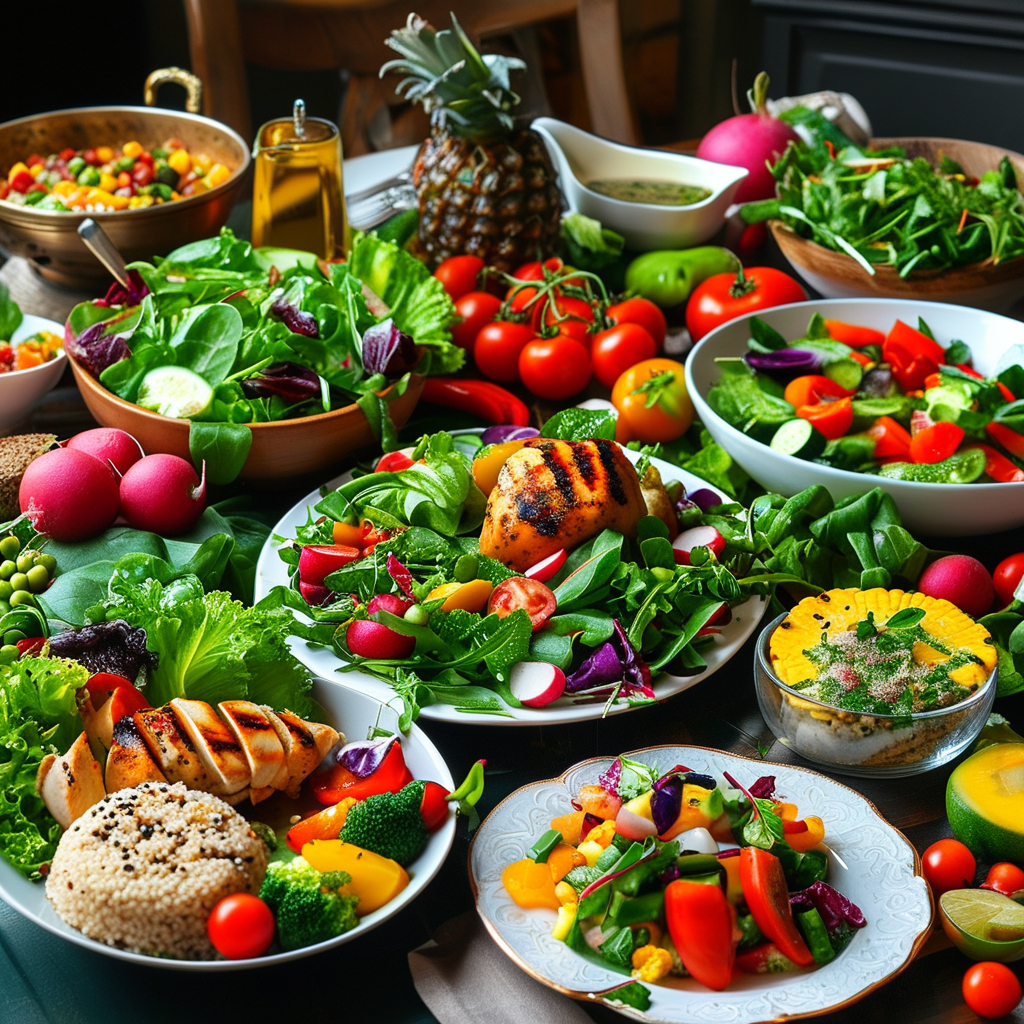
Better Nutrition: When you plan meals, you naturally make more conscious choices about what you’re eating. This ensures balanced macros, incorporates a wider variety of vegetables and whole grains, and significantly limits processed foods. It’s a proactive step towards promoting healthy eating for kids and adults alike, leading to improved energy levels and overall well-being. You can consistently integrate nutritious meal ideas into your routine.

Financial Health: Impulse purchases and spontaneous takeout orders can quickly drain your wallet. By planning meals and creating a precise grocery list, you reduce food waste because you only buy what you need. This strategic approach to your groceries significantly impacts your family food budget, allowing you to save money without sacrificing quality or nutrition.
Getting Started: A Step-by-Step Guide
Embarking on your Healthy Family Meal Planning journey doesn’t have to be complicated. By breaking it down into manageable steps, you can create a system that works seamlessly for your unique family dynamics.
1. Assess Your Schedule and Inventory
Before you even think about recipes, take a practical look at your week ahead. Checking the family calendar for busy nights, late meetings, after-school activities, or special events is crucial. These nights are perfect for quick-prep meals, leftovers, or simple oven-baked dishes. Once you have a clear picture of your schedule, it’s time to shop your pantry and freezer first. This step is a game-changer for reducing costs and preventing food waste. What proteins, grains, or vegetables do you already have on hand? Build your menu around these existing items to save money and ensure nothing goes unused.
2. Involve the Whole Family
Meal planning is a team effort, and involving everyone fosters enthusiasm and reduces resistance. Implement strategies for gathering input from partners and children. This could be as simple as a designated “request night” or having everyone pick one meal they’d like to see on the menu for the week. For families with picky eater solutions, consider offering controlled choices. Instead of “What do you want for dinner?”, try “Would you prefer chicken or fish this week?” or “Do you want broccoli or carrots with your pasta?” Empowering them with choices within healthy boundaries can significantly improve mealtime harmony.
3. Choose Your Planning Method
There’s no one-size-fits-all approach to meal planning. Find what resonates with you and your family.
Digital Apps: Many meal planning software options and apps can streamline the process, offering recipe databases, automated grocery lists, and even nutritional breakdowns. The pros include convenience, portability, and sophisticated organization. However, cons can include subscription costs or a learning curve for some interfaces. Explore options to see if a digital tool fits your tech-savvy style.
Analog Methods: Sometimes, the simplest tools are the most effective. The effectiveness of a simple chalkboard, whiteboard, or notebook cannot be overstated. These low-tech options offer a tangible, visual reminder of the week’s meals, making it easy for everyone in the family to see what’s coming. Plus, there’s a certain satisfaction in physically crossing off meals as you cook them.
Effective Strategies for Success
Once you have your basic planning structure in place, incorporating a few key strategies can supercharge your Healthy Family Meal Planning efforts, making them even more efficient and enjoyable.
Theme Nights to Combat Decision Fatigue
One of the easiest ways to simplify meal planning is by implementing theme nights. This strategy combats decision fatigue by narrowing down your options for specific days. Think “Meatless Mondays” for delicious vegetarian dishes, “Taco Tuesdays” for customizable, fun meals, “Pasta Wednesdays,” “Stir-Fry Fridays” for quick and adaptable dinners, or “Soup and Salad Saturdays.” Theme nights provide a framework, making it quicker to brainstorm easy weeknight recipes and helping family members look forward to certain meals.
Batch Cooking and Meal Prep
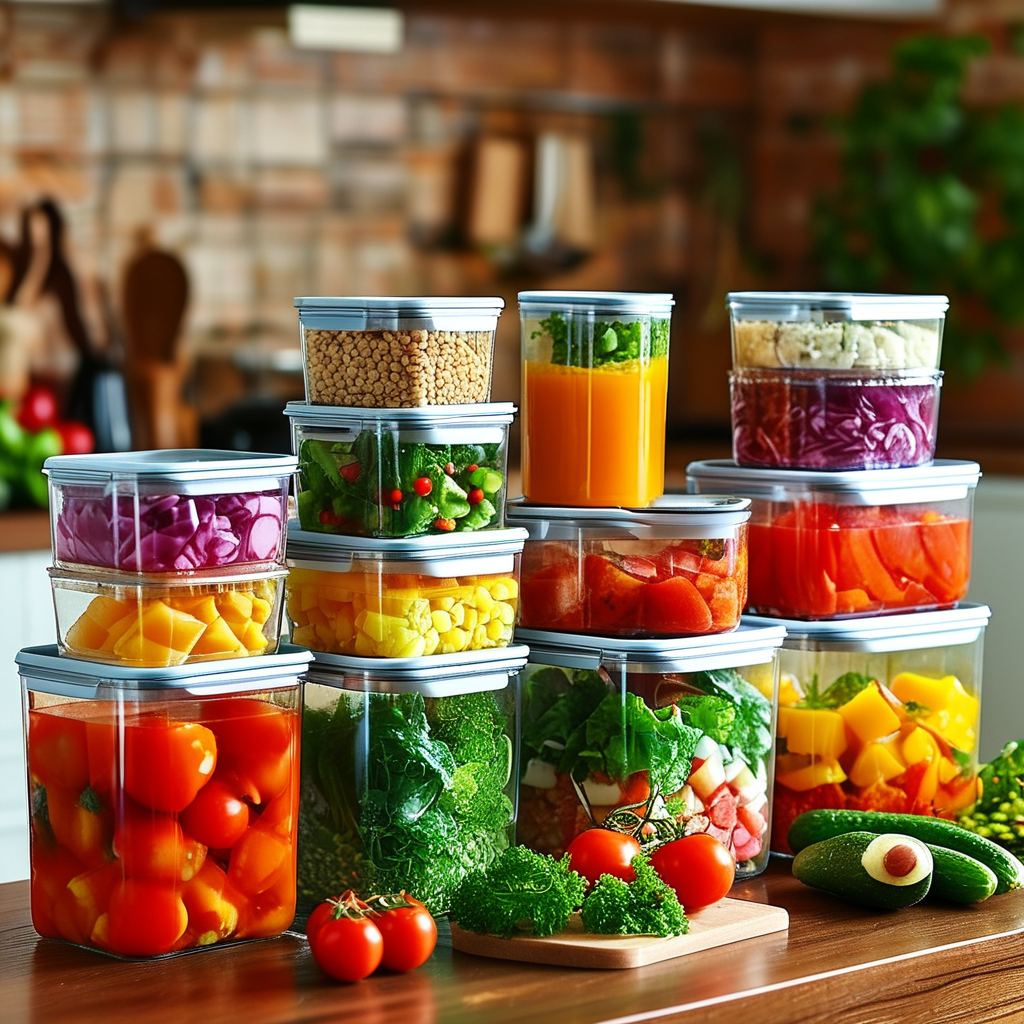
For ultimate efficiency, embrace batch cooking and meal prep. Dedicate a couple of hours one day a week (often Sunday) to prepare components of your meals. This includes techniques for cooking proteins and grains in bulk, such as baking a large chicken breast, roasting a pan of vegetables, or cooking a big pot of quinoa or brown rice. These pre-cooked items become building blocks for various meals throughout the week. Master the “Cook Once, Eat Twice” method by planning for leftovers. Cook extra pasta sauce for a quick lunch, or use leftover roasted beef in a stir-fry or salad the next day. This minimizes cooking time on busy weeknights.
Smart Grocery Shopping
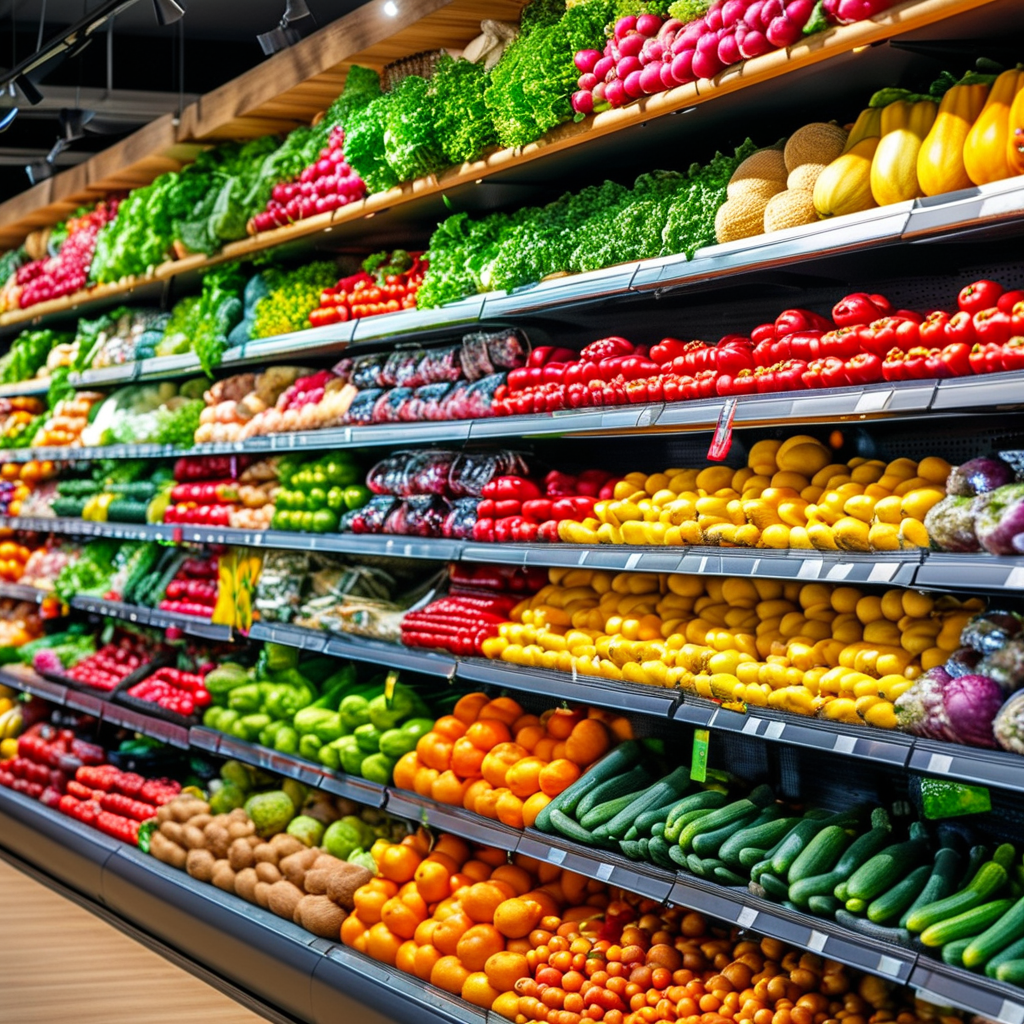
A well-executed meal plan is only as good as its grocery list. Start by creating an organized list by aisle to navigate the supermarket efficiently and avoid impulse buys. Group items like produce, dairy, pantry staples, and proteins together. Before heading out, quickly check your fridge and pantry one last time. Stick rigorously to your list to implement grocery shopping list tips and prevent overspending. Look for sales on staple items, buy in season, and consider store brands for significant savings. These family food budget tips make a real difference.
Featured Recipe: One-Pan Healthy Beef and Cabbage Stir-Fry
This recipe perfectly embodies the principles of Healthy Family Meal Planning: it’s a quick, nutritious, and budget-friendly family meal. Using just one pan means minimal cleanup, and it’s easily adaptable to what vegetables you have on hand. It’s a fantastic way to introduce nutritious meal ideas into your busy week.
Ingredients:
- 1 lb lean beef, thinly sliced against the grain (sirloin or flank steak works well)
- 1 tbsp sesame oil
- 1 head green cabbage, thinly sliced
- 1 red bell pepper, thinly sliced
- 1 carrot, julienned or grated
- 3 cloves garlic, minced
- 1-inch piece fresh ginger, grated
- 1/4 cup low-sodium soy sauce or tamari
- 1 tbsp rice vinegar
- 1 tbsp honey or maple syrup (optional, for a touch of sweetness)
- 1 tsp cornstarch (mixed with 1 tbsp water)
- Green onions and sesame seeds for garnish (optional)
- Cooked brown rice or quinoa, for serving
Instructions:
- Prepare the Beef: In a medium bowl, toss the thinly sliced beef with 1 tablespoon of soy sauce. Set aside.
- Make the Sauce: In a small bowl, whisk together the remaining soy sauce, rice vinegar, honey (if using), and cornstarch slurry. Set aside.
- Sauté Aromatics: Heat the sesame oil in a large skillet or wok over medium-high heat. Add the minced garlic and grated ginger and stir-fry for about 30 seconds until fragrant.
- Cook the Beef: Add the beef to the skillet and stir-fry until browned on all sides, about 2-3 minutes. Remove the beef from the skillet and set aside on a plate.
- Stir-fry Vegetables: Add the sliced cabbage, red bell pepper, and julienned carrot to the same skillet. Stir-fry for 5-7 minutes, or until the vegetables are tender-crisp.
- Combine & Sauce: Return the cooked beef to the skillet with the vegetables. Give the prepared sauce a quick stir and pour it over the beef and vegetables. Toss everything together to coat evenly. Cook for another 1-2 minutes, stirring constantly, until the sauce thickens and coats the ingredients.
- Serve: Garnish with green onions and sesame seeds if desired. Serve immediately over cooked brown rice or quinoa. This makes for excellent leftovers as well, aligning with your batch cooking strategies!
Common Meal Planning Pitfalls and Solutions
Even with the best intentions, meal planning can hit snags. Recognizing common challenges and having solutions at the ready will ensure your Healthy Family Meal Planning journey remains smooth.
Over-complicating the menu: It’s easy to get carried away with elaborate recipes. Solution: Start simple! Focus on 3-4 meals per week that you know your family enjoys and that are easy to prepare. Gradually introduce new recipes as you gain confidence. Remember, the goal is consistent, healthy eating, not gourmet dining every night.
Forgetting to defrost ingredients: There’s nothing worse than having a meal planned but realizing your main protein is still a block of ice. Solution: Make defrosting part of your morning or even evening routine for the next day’s meal. Set an alarm, or write it directly on your meal planning templates. You can also use quick defrost methods like submerging sealed meat in cold water.
Lack of flexibility for unexpected events: Life happens! A sudden change in plans can derail your carefully constructed menu. Solution: Build in a “flex meal” or “eat out” night, or plan for one or two nights of simple “back-up” meals (like quesadillas, frozen pizza, or breakfast for dinner) using pantry staples. This flexibility prevents feeling defeated and ensures you don’t abandon the whole plan.
Conclusion
Embracing Healthy Family Meal Planning is a journey, not a destination. It’s about creating a sustainable system that reduces stress, saves money, and most importantly, nourishes your loved ones with delicious, wholesome food. Consistency, even in small steps, builds healthy habits that will benefit your family for years to come.
Don’t feel pressured to become a meal planning guru overnight. Start small with just a few planned meals per week, and gradually build up as you gain confidence and discover what works best for your family. Each planned meal is a victory, a step towards a more organized, healthier, and happier home.
Ready to find more inspiration and connect with a community of like-minded food lovers? Follow us on Facebook for daily tips, delicious recipes, and exclusive content! Find us at https://www.facebook.com.
One-Pan Healthy Beef and Cabbage Stir-Fry
Ingredients
- 1 lb lean ground beef 90% lean or higher recommended
- 1 head green cabbage shredded (about 8 cups)
- 2 large carrots grated or julienned
- 1 medium onion thinly sliced
- 1 tbsp sesame oil
- 3 cloves garlic minced
- 1 tbsp fresh ginger grated
- 1/4 cup soy sauce or coconut aminos for gluten-free
- 1 tbsp rice vinegar
- 2 stalks green onions chopped, for garnish
- 1 tbsp sesame seeds optional garnish
Instructions
- Heat a large skillet or wok over medium-high heat. Add the ground beef and cook until browned, breaking it up with a spoon. Drain excess fat if necessary and set the beef aside.
- In the same pan, add the sesame oil, sliced onion, minced garlic, and grated ginger. Sauté for 2-3 minutes until the aromatics are fragrant and the onion softens.
- Add the shredded cabbage and grated carrots to the pan. Stir-fry for 5-7 minutes until the vegetables are tender-crisp and reduced in volume.
- Return the cooked beef to the pan. Pour in the soy sauce and rice vinegar.
- Toss everything together and cook for another 2 minutes to ensure the sauce coats the mixture and everything is heated through.
- Remove from heat. Garnish with chopped green onions and sesame seeds before serving.
For more daily recipes and tips, follow us on Facebook!
Click here to join our community!