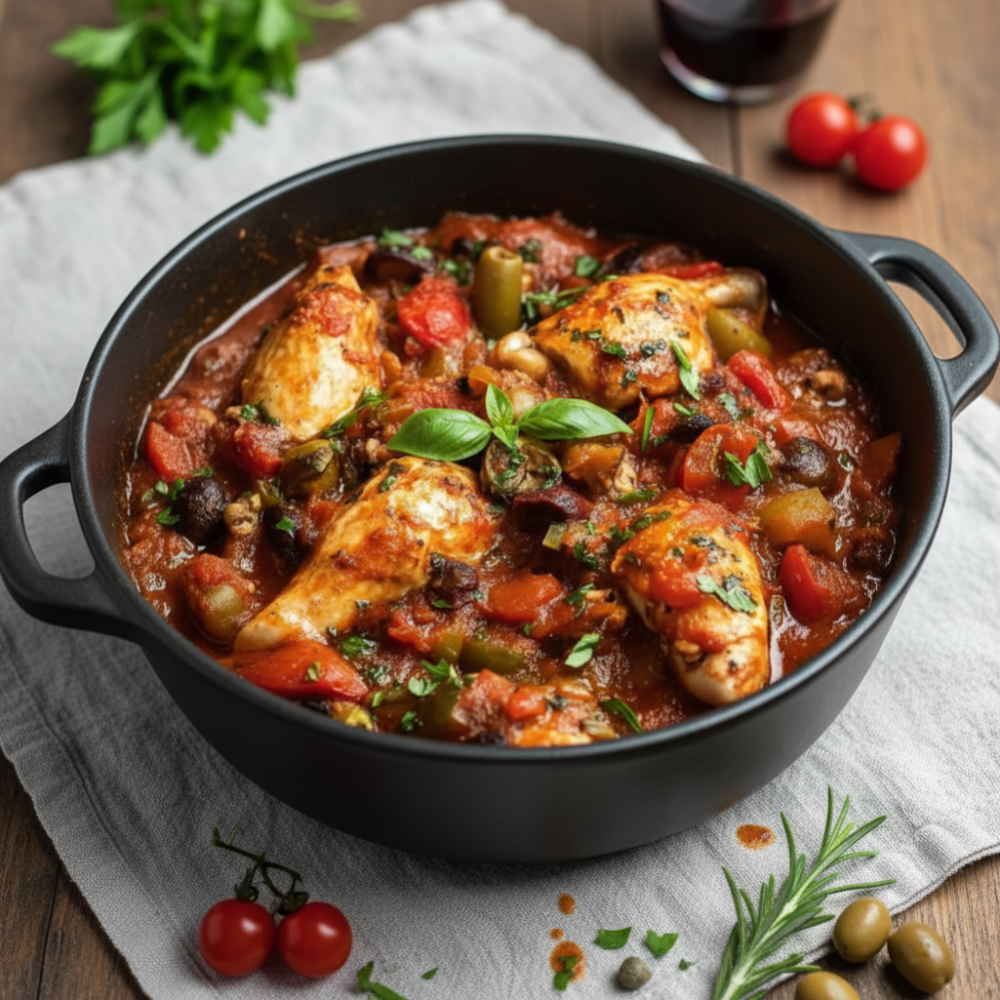
Why You’ll Love This Authentic Hunter-Style Stew
There are some dishes that just speak to the soul, and for many, that dish is Chicken Cacciatore. Imagine walking into your kitchen on a chilly evening, greeted by the aromatic embrace of slow-cooked tomatoes, tender chicken, and fragrant herbs. This isn’t just a meal; it’s an experience – a rustic, comforting hug in a bowl that transports you straight to the heart of Italian home cooking.
Our recipe for this classic Italian chicken stew brings together succulent chicken, vibrant vegetables, and a rich tomato sauce, all simmered to perfection. It’s a dish that’s as rewarding to make as it is to eat, offering a symphony of flavors that deepen with every gentle braise. Whether you’re a seasoned chef or a home cook looking for a truly satisfying meal, this authentic pollo alla cacciatora is about to become a cherished favorite in your repertoire.
The Origins of Pollo alla Cacciatora
The name “Cacciatore” literally means “hunter” in Italian, giving us a delicious hint about the dish’s origins. This is a true “hunter style chicken” meal, traditionally prepared by wives for their husbands returning from a day of hunting in the Italian countryside. It was a practical, hearty stew, often made with whatever poultry or rabbit was available, combined with local vegetables, herbs, and wine. The beauty of this rustic chicken recipe lies in its simplicity and adaptability, celebrating fresh, seasonal ingredients.
While regional variations exist across Italy, with some leaning on red wine and others on white, the core essence remains the same: a slow-cooked, deeply flavored stew that transforms humble ingredients into something extraordinary. Our version captures this traditional spirit, bringing you a taste of Italy’s culinary heritage.
Key Ingredients for the Perfect Braise
The magic of this tomato chicken stew truly comes alive with the quality of its ingredients. Each component plays a vital role in building the layers of flavor that make this dish so special.
Selecting the Right Chicken
For an intensely flavorful and incredibly tender result, we highly recommend using braised chicken thighs and drumsticks. While chicken breasts can be used, they tend to dry out more easily during the long simmering process. Bone-in, skin-on cuts add immense flavor to the sauce as they cook down. If you prefer boneless, skinless, that’s perfectly fine, but consider reducing the overall cooking time slightly to prevent dryness. A good quality, pasture-raised chicken will make a noticeable difference in taste.
Building the Flavor Base with Peppers and Olives
The vibrant heart of this dish is its vegetable medley. A generous amount of bell peppers (red, yellow, or orange for sweetness and color) and onions form the foundational sweetness and aroma. Garlic, of course, is indispensable. For an authentic touch, we’ll also incorporate mushrooms – cremini or button work wonderfully – adding an earthy depth. Finally, a handful of Kalamata or Castelvetrano olives, along with capers, introduce that delightful briny punch that perfectly balances the rich tomato sauce. A splash of dry red wine (like Chianti or Merlot) or even white wine adds crucial acidity and complexity to the liquid base.
Step-by-Step Instructions for Stewed Chicken Cacciatore
Ready to create this comforting Italian masterpiece? Here’s how to make a show-stopping stewed chicken cacciatore that will impress everyone at your table.
- Prepare the Chicken: Pat the chicken pieces very dry with paper towels. Season generously with salt and freshly ground black pepper.
- Sear the Chicken: Heat 2 tablespoons of olive oil in a large, heavy-bottomed pot or Dutch oven over medium-high heat. Brown the chicken pieces in batches, skin-side down first, until deeply golden on all sides. This creates incredible flavor and color. Remove the chicken to a plate and set aside.
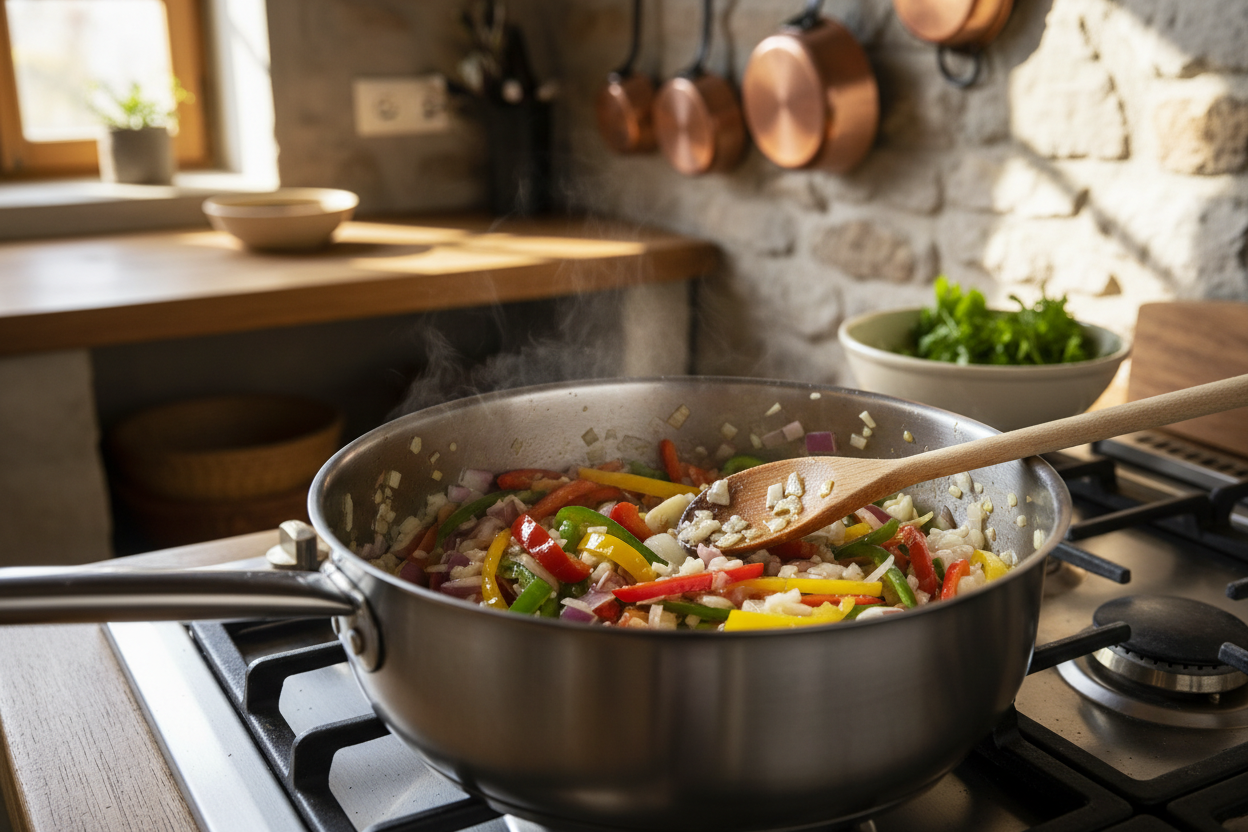
- Sauté the Aromatics: Reduce heat to medium. Add another tablespoon of olive oil if needed. Add the chopped onions and sauté until softened, about 5-7 minutes. Add the sliced bell peppers and mushrooms, cooking for another 5-7 minutes until they start to soften. Stir in the minced garlic and cook for 1 minute until fragrant.
- Deglaze: Pour in the red wine (or white wine) and scrape up any browned bits from the bottom of the pot. Let it simmer for 2-3 minutes until the alcohol has cooked off and the liquid has reduced slightly.
- Add Tomatoes and Herbs: Stir in the crushed tomatoes, diced tomatoes (undrained), tomato paste, bay leaf, dried oregano, and a pinch of red pepper flakes (optional, for a subtle kick). Bring the sauce to a gentle simmer.
- Braise the Chicken: Return the seared chicken pieces to the pot, nestling them into the sauce. Ensure they are mostly submerged. Add the olives and capers. Bring the stew back to a simmer, then reduce the heat to low, cover the pot, and cook for 45 minutes to 1 hour, or until the chicken is fork-tender and cooked through.
- Finish and Serve: Taste and adjust seasoning as needed, adding more salt or pepper if desired. Remove the bay leaf before serving. Garnish with fresh chopped parsley or basil.

Expert Tips for Thickening the Tomato Sauce
A truly superb Cacciatore boasts a rich, luscious sauce that clings beautifully to the chicken and any accompanying sides. If your sauce seems a little too thin after the braising time, here are a few expert tips:
- Simmer Uncovered: The simplest method is to remove the lid for the last 15-20 minutes of cooking. This allows excess moisture to evaporate, naturally thickening the sauce. Stir occasionally to prevent sticking.
- Tomato Paste Power: Ensure you’re using a good quality tomato paste early in the cooking process. Sautéing it for a minute or two with the aromatics helps deepen its flavor and contributes to a thicker sauce.
- Cornstarch Slurry (as a last resort): If you’re short on time and the sauce is still too thin, you can create a slurry. Mix 1 tablespoon of cornstarch with 1 tablespoon of cold water until smooth. Stir this into the simmering sauce, a little at a time, until it reaches your desired consistency. Let it cook for at least 1-2 minutes after adding to ensure the cornstarch flavor is cooked out.
“The secret to a truly great Cacciatore lies not just in the braise, but in allowing those beautiful tomato flavors to reduce and concentrate into a velvety sauce. Patience is your best friend here.” – Chef Isabella Rossi
Serving Suggestions: Pasta, Polenta, or Crusty Bread
This hearty chicken with peppers and onions is a complete meal on its own, but it truly shines when paired with the right accompaniments to soak up every last drop of that incredible sauce.
- Pasta: A classic pairing! Serve over wide, flat pasta like pappardelle, fettuccine, or tagliatelle. The broad noodles are perfect for catching the chunks of chicken and vegetables.
- Polenta: Creamy polenta is an absolutely divine match for this stew. Its soft, buttery texture provides a wonderful contrast to the robust flavors of the sauce.
- Crusty Bread: Don’t underestimate the power of a good, crusty loaf of Italian bread. It’s perfect for dipping and ensuring no drop of that delicious gravy goes to waste.
- Rice: A simple bed of fluffy white or brown rice can also be an excellent choice, soaking up the rich sauce beautifully.
- Roasted Potatoes or Mashed Potatoes: For a heartier meal, serve alongside roasted baby potatoes or creamy mashed potatoes.
Frequently Asked Questions
Can I make Chicken Cacciatore ahead of time?
Absolutely! In fact, this is one of those dishes that often tastes even better the next day, as the flavors have more time to meld and deepen. Store it in an airtight container in the refrigerator for up to 3-4 days. Gently reheat on the stovetop over low heat, adding a splash of chicken broth or water if the sauce has thickened too much.
Can I freeze leftover Cacciatore?
Yes, Chicken Cacciatore freezes beautifully. Allow it to cool completely, then transfer it to freezer-safe containers or bags. It can be frozen for up to 3 months. Thaw overnight in the refrigerator and reheat gently.
What kind of olives should I use?
Kalamata olives offer a salty, slightly fruity flavor that works wonderfully. For a milder, buttery note, consider green Castelvetrano olives. Avoid highly seasoned or stuffed olives that might compete with the stew’s flavors.
Is this dish spicy?
Traditionally, Cacciatore is not overly spicy. Our recipe includes an optional pinch of red pepper flakes, which adds just a hint of warmth without overpowering the other flavors. You can easily omit them if you prefer no heat at all.
Can I use different vegetables?
While peppers and onions are classic for chicken with peppers and onions, you can certainly experiment. Zucchini, carrots, or even green beans can be added during the last 20-30 minutes of cooking, though they will alter the traditional flavor profile slightly.
We hope you enjoy making and sharing this incredible dish as much as we do. It’s a true taste of Italy, perfect for family dinners and special occasions alike.
For more delicious recipes and cooking inspiration, be sure to follow our Facebook page: Find us on Facebook!
Classic Chicken Cacciatore
Ingredients
- 3 lbs Chicken pieces Bone-in, skin-on thighs and drumsticks recommended
- 1 tbsp Olive oil
- 1 Yellow onion Diced
- 1 Bell pepper Sliced, any color
- 3 cloves Garlic Minced
- 1/2 cup Dry white or red wine Optional
- 28 oz Crushed tomatoes Canned
- 1/4 cup Green olives Pitted and halved
- 1/4 cup Black olives Pitted and halved
- 1/4 cup Fresh basil Chopped
- 2 tbsp Fresh parsley Chopped
Instructions
- Pat the chicken pieces dry with a paper towel and season generously with salt and pepper.
- Heat the olive oil in a large heavy-bottomed pot or Dutch oven over medium-high heat. Sear the chicken skin-side down until golden brown, about 5 to 7 minutes per side. Remove the chicken and set aside on a plate.
- In the same pot, add the diced onion and sliced bell pepper. Sauté until softened, about 5 minutes. Stir in the minced garlic and cook for 1 minute more until fragrant.
- Pour in the wine to deglaze the pan, scraping up any browned bits from the bottom. Let it simmer and reduce by half, about 2 to 3 minutes.
- Add the crushed tomatoes, green olives, and black olives. Stir well to combine and bring the mixture to a gentle simmer.
- Return the seared chicken pieces to the pot, nestling them deep into the sauce. Cover with a lid and stew over medium-low heat for 30 to 35 minutes, or until the chicken is cooked through and tender.
- Uncover the pot and stir in the fresh basil and parsley. Let the stew simmer uncovered for an additional 5 minutes to thicken the sauce slightly. Serve hot.
For more daily recipes and tips, follow us on Facebook!
Click here to join our community!