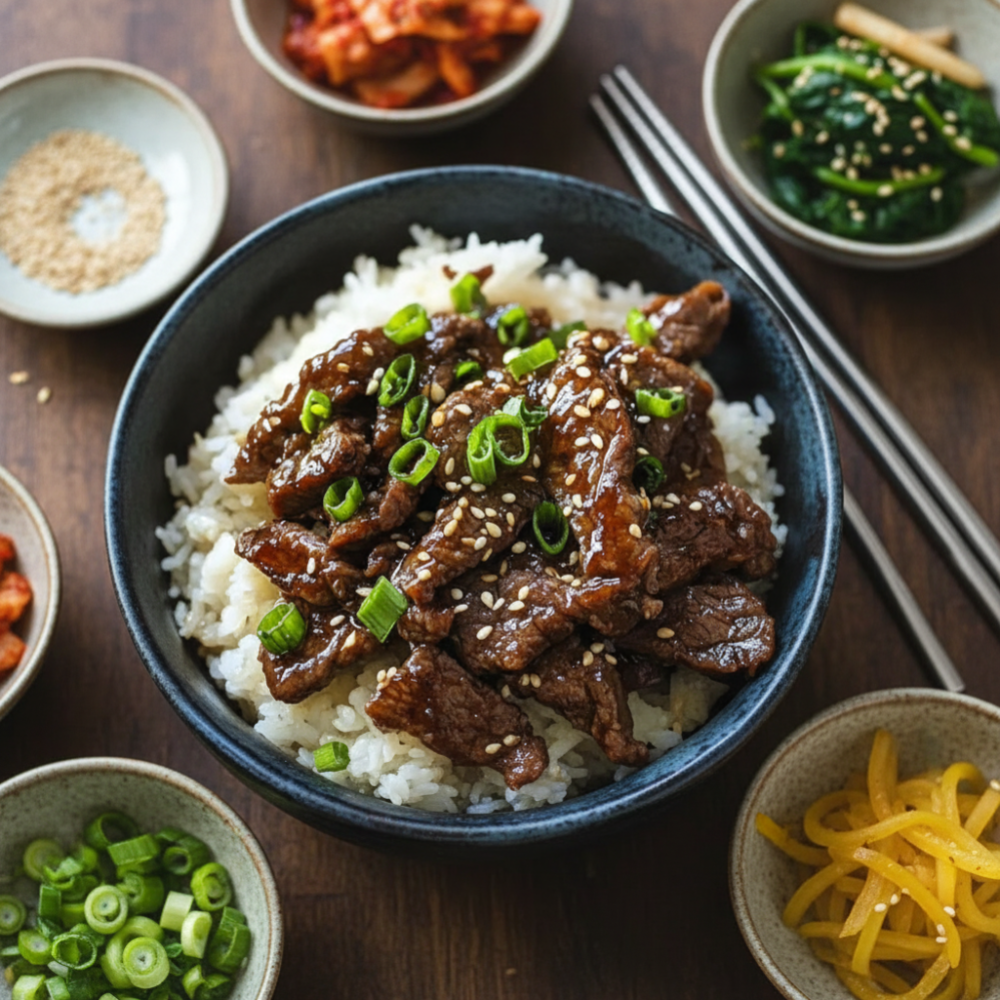
There are few aromas as inviting as the sweet, savory scent of sizzling beef on a hot grill, especially when it’s infused with the deep, complex flavors of Korea. Today, we’re diving into one of the most beloved dishes from Korean cuisine: Korean Beef Bulgogi. This isn’t just a recipe; it’s an experience, a journey into the heart of Korean flavors that’s surprisingly approachable for any home cook.
What is Korean Beef Bulgogi?
At its core, bulgogi translates to “fire meat,” a fitting name for the thinly sliced, marinated beef typically grilled or pan-fried to tender perfection. It’s a dish celebrated for its exquisite balance of sweet and savory notes, a subtle garlic and ginger warmth, and an irresistible caramelized crust. This classic is a staple in Korean households and a star on any Korean BBQ menu.
The Origins of Korean BBQ
The history of Korean BBQ, and bulgogi specifically, stretches back centuries. While its exact origins are debated, it’s believed to have evolved from a skewered meat dish called maekjeok from the Goguryeo era, eventually transforming into the grilled delicacy we know today. Over time, techniques and marinades were refined, leading to the incredibly popular forms of Korean BBQ beef that grace tables around the world. It’s a testament to Korea’s rich culinary heritage, emphasizing fresh ingredients and communal dining.
Why This Recipe is Perfect for Weeknights
Despite its gourmet appeal, this recipe for bulgogi is remarkably straightforward, making it an ideal candidate for a quick weeknight dinner. The key lies in the marinade, which does most of the heavy lifting. Once the beef is thinly sliced and immersed in its flavorful bath, cooking takes mere minutes. You can even prepare the marinade and slice the beef ahead of time, leaving only the joyful sizzle of cooking for when hunger strikes. It’s fast, flavorful, and guaranteed to become a family favorite.
Essential Ingredients for Authentic Bulgogi Marinade
The soul of truly remarkable bulgogi lies in its marinade. This isn’t just about coating the beef; it’s about infusing every fiber with a symphony of flavors that tenderize and transform. An authentic bulgogi marinade relies on a few key components, each playing a vital role.
- Soy Sauce: The backbone of savory flavor.
- Sesame Oil: Adds a nutty depth and aroma.
- Brown Sugar or Honey: For that signature sweetness and caramelization.
- Garlic and Ginger: Aromatic powerhouses for warmth and zest.
- Black Pepper: A touch of spice.
- Green Onions: Adds a fresh, mild oniony bite.
- Asian Pear or Kiwi: The secret weapon for tenderizing.
The Magic of Asian Pear
One of the less obvious but most crucial ingredients in a traditional bulgogi marinade is the Asian pear tenderizer. Don’t skip this! Asian pear, or even kiwi, contains natural enzymes (proteases) that gently break down the protein fibers in the beef, resulting in an incredibly tender texture that practically melts in your mouth. Beyond its tenderizing capabilities, it also contributes a subtle, natural sweetness and a delicate fruitiness that perfectly complements the other savory elements. Grate it finely or blend it into a paste to ensure even distribution throughout the marinade.
Choosing the Right Soy Sauce
For bulgogi, a good quality soy sauce is paramount. You’ll want to opt for a regular or all-purpose soy sauce, not a light or dark variety, unless specified. Korean soy sauces (ganjang) can vary in saltiness and depth, so taste as you go. For a deeper, more umami-rich flavor, consider using a Korean soy sauce, but any good quality Japanese or Chinese regular soy sauce will also yield excellent results. The goal is a balanced savory profile without being overly salty.
Gochujang vs. Gochugaru
This is where many people get a little confused. Gochujang is a savory, sweet, and spicy fermented chili paste, while gochugaru is Korean chili powder. Traditional bulgogi is typically a mild, sweet-savory dish, and does not include gochujang. However, some modern variations and preferences might incorporate a touch of gochujang for a spicy kick, creating what is sometimes referred to as gochujang beef or spicy bulgogi. For an authentic, classic flavor profile, stick to the mild marinade. If you crave heat, you can add a pinch of gochugaru (chili powder) to the marinade or serve gochujang on the side for those who prefer a spicier bite.
Best Cuts of Beef for Bulgogi
The choice of beef cut significantly impacts the final texture and flavor of your bulgogi. Thin slicing is non-negotiable, and certain cuts are naturally more suited for this delicate preparation.
Ribeye and Top Sirloin
The undisputed champions for bulgogi are thinly sliced ribeye and top sirloin. Ribeye is prized for its marbling, which contributes to its incredible tenderness and rich flavor when cooked quickly. Top sirloin is a leaner but still tender option, offering a robust beefy taste. Both cuts absorb the marinade beautifully and cook up quickly, making them ideal for the grill or a hot pan.
Flank Steak Alternatives
While ribeye and top sirloin are preferred, flank steak can be a good, more economical alternative. When using flank steak, it’s even more critical to slice it against the grain to ensure tenderness. Skirt steak and hanger steak are also viable options, offering great flavor and a good texture when sliced correctly. The key across all cuts is the thinness and the slicing direction.
How to Slice Beef Paper-Thin
Achieving that characteristic paper-thin slice is crucial for bulgogi. It allows the beef to cook quickly and absorb the marinade deeply. This can be tricky, but there’s a simple trick that makes it much easier.
The Freezer Trick
To get those perfect, razor-thin slices, place your chosen cut of beef in the freezer for about 30-60 minutes, or until it’s firm but not fully frozen. This semi-frozen state makes the beef much easier to slice thinly and uniformly with a sharp knife. Once firm, place it on a cutting board and, using a very sharp knife, slice against the grain as thinly as possible. Aim for slices that are almost translucent – around 1/8th of an inch thick. You can also ask your butcher to do this for you, specifically requesting “shabu-shabu” or “hot pot” thinness.
Step-by-Step Instructions
Now that we understand the secrets to perfect bulgogi, let’s get cooking! This recipe serves 4-6 people and is perfect with a bowl of steamed rice.
- Prepare the Beef: If not already done, use the freezer trick to slice your beef (ribeye, sirloin, or flank) paper-thin against the grain. Place the sliced beef in a large bowl.
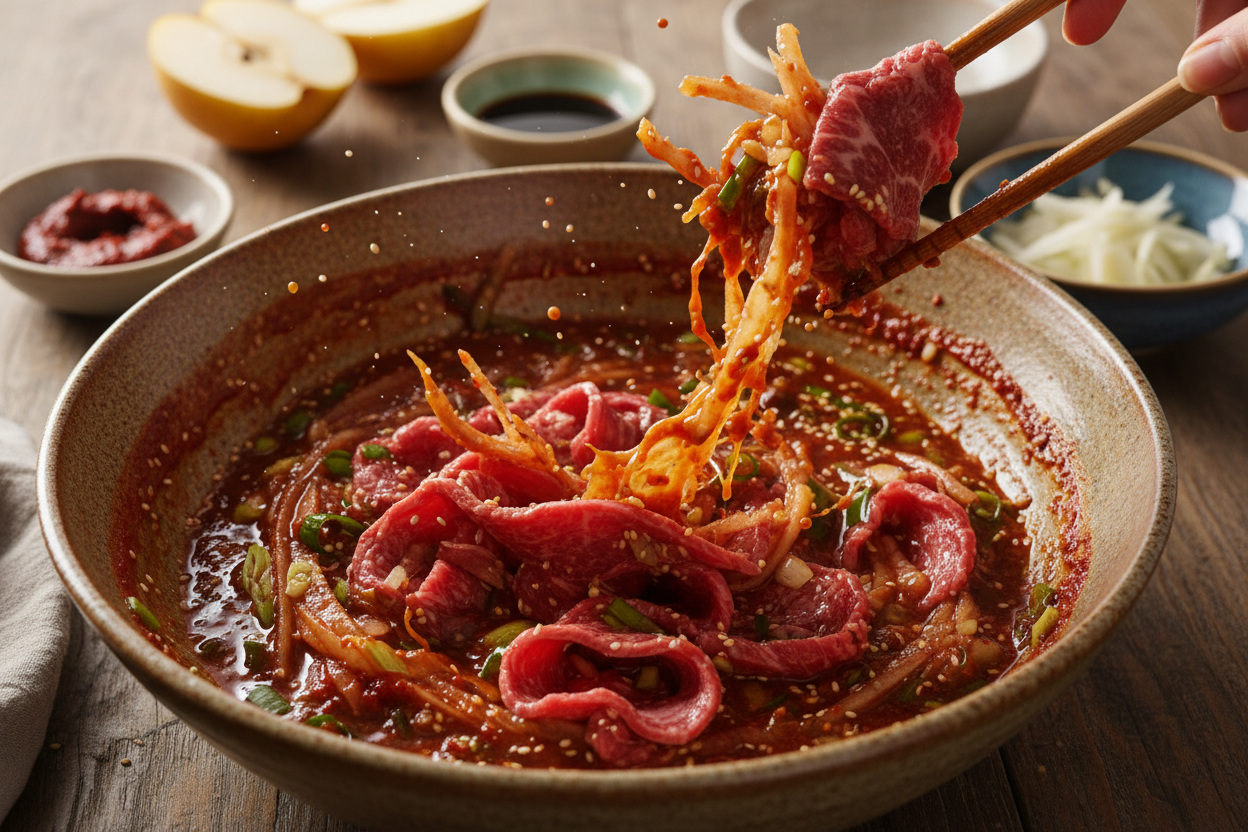
- Make the Marinade: In a blender or food processor, combine 1/2 an Asian pear (peeled and cored), 1/2 cup soy sauce, 2 tablespoons sesame oil, 2 tablespoons brown sugar (or honey), 4-5 cloves of garlic (minced), 1-inch piece of ginger (grated or minced), 1/2 teaspoon black pepper, and 2 tablespoons chopped green onions. Blend until smooth.
- Marinate the Beef: Pour the marinade over the sliced beef in the bowl. Use your hands to gently massage the marinade into the beef, ensuring every piece is well coated. Cover the bowl and refrigerate for at least 2 hours, or preferably overnight, for maximum flavor and tenderness.
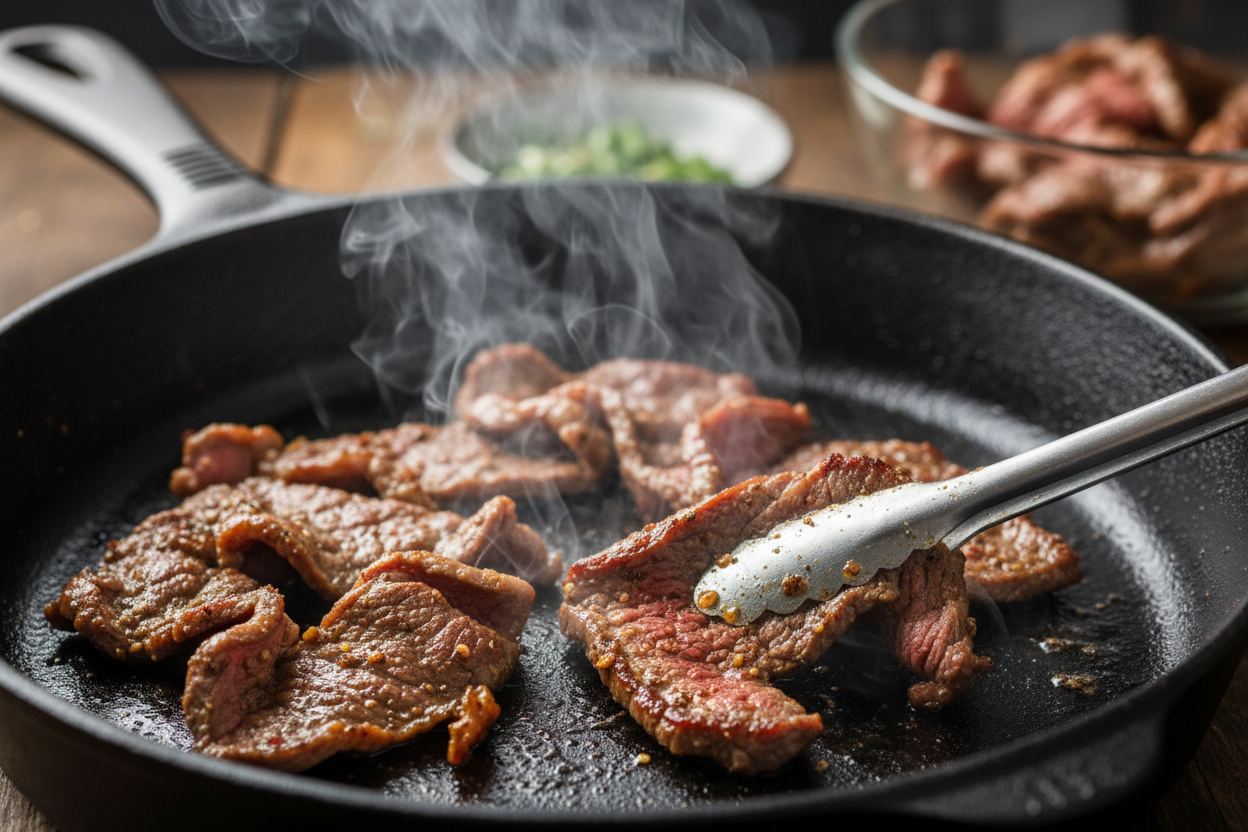
- Cook the Bulgogi: Heat a large non-stick pan, cast-iron skillet, or an outdoor grill to medium-high heat. Add a tiny drizzle of oil if using a pan.
- Sear in Batches: Working in batches to avoid overcrowding the pan (which steams the beef instead of searing it), add a single layer of marinated beef. Cook for 1-2 minutes per side, until beautifully caramelized and cooked through. The thin slices cook very quickly.
- Serve Immediately: Transfer the cooked bulgogi to a serving platter. Garnish with sesame seeds and extra chopped green onions, if desired.
Traditional Banchan (Side Dishes) to Serve
No Korean meal is complete without an array of banchan side dishes. These small, flavorful accompaniments perfectly complement the main dish, offering contrasting textures and tastes that enhance the entire dining experience. Here are a few must-haves to serve alongside your bulgogi.
Kimchi and Pickled Radish
Kimchi, the iconic fermented cabbage dish, is essential. Its spicy, sour, and umami-rich flavors cut through the richness of the bulgogi beautifully. Alongside it, try a refreshing pickled radish (mu-saengchae or ssam-mu). These offer a crisp, tangy counterpoint that cleanses the palate and adds another layer of texture.
Blanched Spinach and Steamed Rice
A simple yet delicious banchan is blanched spinach (sigeumchi-namul) seasoned with garlic, sesame oil, and a touch of soy sauce. It provides a healthy, earthy element. And, of course, a generous bowl of perfectly cooked steamed rice is non-negotiable. It’s the perfect canvas for soaking up the bulgogi’s savory juices and provides a comforting base for every bite.
Storage, Freezing, and Reheating Tips
Leftover bulgogi (if there is any!) is just as delicious the next day. Store cooked bulgogi in an airtight container in the refrigerator for up to 3-4 days.
For longer storage, you can freeze the marinated, uncooked beef. Place the marinated slices in a single layer on a baking sheet lined with parchment paper, freeze until firm, then transfer to a freezer-safe bag. It will keep for up to 3 months. Thaw in the refrigerator overnight before cooking.
To reheat cooked bulgogi, simply warm it gently in a skillet over medium heat until heated through. Be careful not to overcook, as the thin slices can dry out quickly.
Frequently Asked Questions
Q: Can I make bulgogi without an Asian pear?
A: Yes, you can. While Asian pear is traditional, you can substitute it with a ripe kiwi. Just make sure to use less kiwi (about half a kiwi per pound of beef) as its enzymes are stronger and can over-tenderize if left too long. If you have neither, the bulgogi will still be delicious, just slightly less tender.
Q: What if I don’t have a grill?
A: No problem! Bulgogi is fantastic when cooked in a hot cast-iron skillet or a large non-stick pan. The key is to get the pan very hot and cook the beef in small batches to ensure a good sear rather than steaming.
Q: Can I prepare the marinade ahead of time?
A: Absolutely! The marinade can be made up to 2-3 days in advance and stored in an airtight container in the refrigerator. This makes weeknight prep even faster.
Q: Is bulgogi spicy?
A: Traditionally, bulgogi is not spicy; it’s a sweet and savory dish. However, if you prefer heat, you can add a pinch of gochugaru (Korean chili powder) to the marinade or serve it with a side of gochujang for dipping.
There you have it – the ultimate guide to making your own incredible bulgogi. This dish is more than just food; it’s a delicious journey into Korean culinary traditions that you can recreate in your own kitchen. Gather your ingredients, slice your beef, and prepare for a truly unforgettable meal that will transport your taste buds straight to Korea. Happy cooking!
For more delicious recipes, cooking tips, and behind-the-scenes peeks into our kitchen adventures, make sure to follow us on Facebook at https://www.facebook.com/profile.php?id=61568538666337! We love sharing our passion for food with you.
Easy Korean Beef Bulgogi
Ingredients
- 1.5 lbs boneless ribeye or top sirloin Thinly sliced
- 1/4 cup soy sauce Low sodium preferred
- 3 tbsp brown sugar Packed
- 2 tbsp toasted sesame oil
- 4 cloves garlic Minced
- 1 tbsp fresh ginger Grated
- 1/2 Asian pear Peeled and grated
- 1 tbsp gochujang Korean chili paste
- 2 tbsp vegetable oil For pan frying
- 2 green onions Thinly sliced, for garnish
- 1 tbsp toasted sesame seeds For garnish
- 3 cups cooked white rice For serving
Instructions
- Wrap the beef in plastic wrap and freeze for 30 minutes. Remove and thinly slice against the grain into 1/8-inch pieces.
- In a large bowl, whisk together soy sauce, brown sugar, toasted sesame oil, minced garlic, grated ginger, grated Asian pear, and gochujang.
- Add the thinly sliced beef to the marinade. Toss to coat evenly. Cover and refrigerate for at least 30 minutes, or up to 8 hours for maximum flavor.
- Heat the vegetable oil in a large cast iron skillet over medium-high heat until hot.
- Add half the marinated beef in a single layer. Cook without moving for 1 to 2 minutes to get a good sear, then toss and cook for another 1 to 2 minutes until browned and cooked through. Repeat with the remaining beef.
- Garnish with sliced green onions and toasted sesame seeds. Serve immediately over cooked white rice with your favorite Korean side dishes.
For more daily recipes and tips, follow us on Facebook!
Click here to join our community!