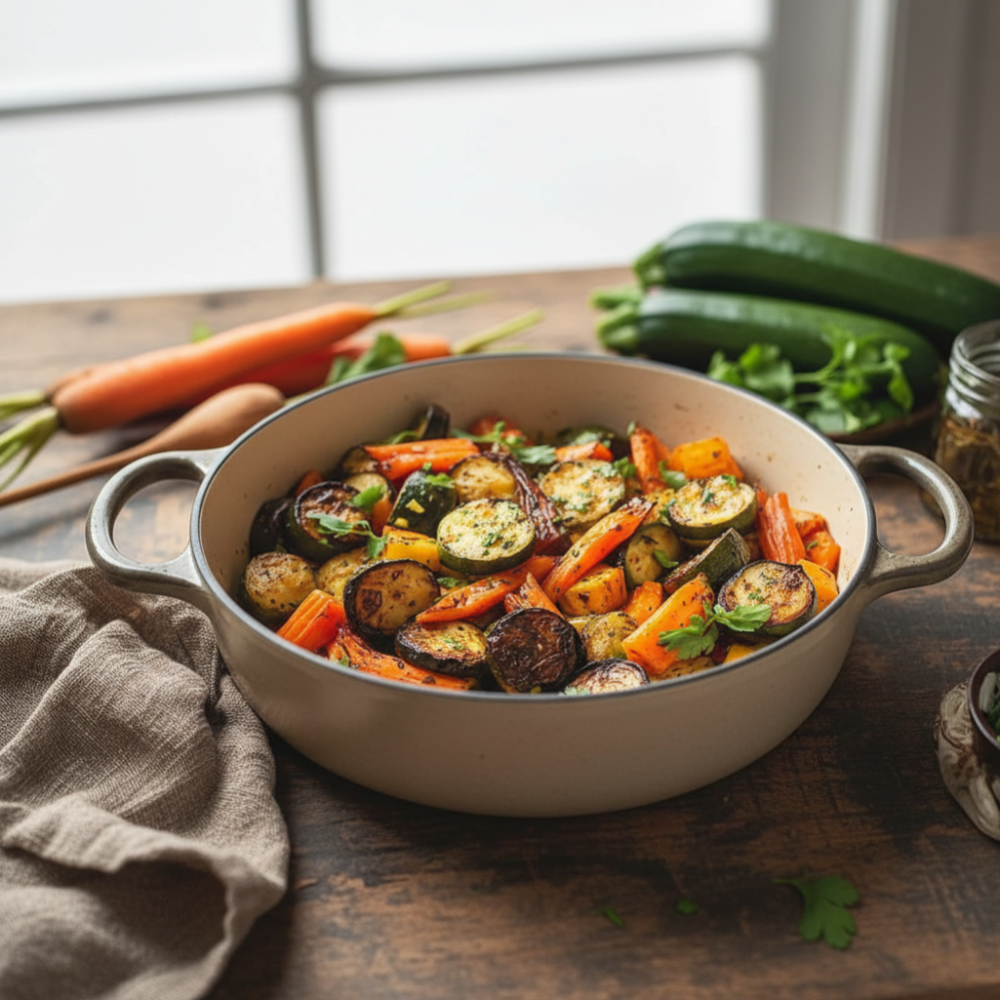
As the days lengthen and the world awakens with vibrant color, there’s a unique joy in cooking with the season’s freshest bounty. Spring brings a refreshing array of produce, bursting with flavor and eager to be transformed into something truly spectacular. While salads and light sautés have their place, nothing quite compares to the rich, caramelized goodness of a perfectly prepared batch of Roasted Spring Vegetables. This simple technique elevates humble ingredients into a show-stopping side dish or a versatile base for countless meals.
Roasting isn’t just a cooking method; it’s a culinary art form that coaxes out the natural sweetness and deepens the flavors of every vegetable it touches. Imagine tender-crisp asparagus, sweet carrots, and earthy potatoes, all infused with herbs and a hint of citrus. It’s a healthy seasonal side dish that feels both comforting and incredibly fresh, perfect for any spring gathering or a simple weeknight meal.
The Magic of Roasting Seasonal Produce
There’s an undeniable magic that happens when vegetables meet the high heat of an oven. The edges caramelize, creating irresistible crispy bits, while the interiors become tender and succulent. This process, known as the Maillard reaction, enhances the natural sugars and complex flavors, turning even the most basic ingredients into something extraordinary. When you apply this technique to the vibrant produce of spring, you unlock a depth of flavor that a simple steam or boil just can’t achieve.
Our goal today is to create a delightful spring vegetable medley that showcases the best of the season. From robust root vegetables to delicate greens, we’ll guide you through the process of creating oven roasted spring veggies that are full of character, texture, and bright, fresh taste. This isn’t just an easy vegetable side dish; it’s an ode to the season, a celebration of simple ingredients made sublime through the power of heat and thoughtful seasoning.
Essential Ingredients for this Spring Vegetable Medley
The beauty of this recipe lies in its flexibility, allowing you to use whatever looks best at your local market. However, a few staples form the backbone of a truly exceptional roast.
Root Vegetables: Potatoes and Carrots
For sturdy foundational elements that develop incredible sweetness and tenderness, we lean on potatoes and carrots. Choose small, waxy potatoes like baby Yukon Golds or red potatoes, which hold their shape beautifully and get delightfully creamy insides. Cut them into roughly 1-inch pieces to ensure even cooking. Carrots, whether a rainbow mix for visual appeal or classic orange, become wonderfully sweet and slightly caramelized when roasted. Scrub them well, and if they’re thick, cut them lengthwise before chopping into similar 1-inch pieces.
Tender Additions: Zucchini, Eggplant, and Asparagus
These lighter vegetables bring different textures and flavors to our sheet pan spring vegetables. Look for firm, small to medium zucchini, cutting them into half-moons or 1-inch rounds. Eggplant should also be firm and relatively small, indicating fewer seeds and less bitterness; dice it into 1-inch cubes. Asparagus is a quintessential spring treat; snap off the woody ends and leave the spears whole or cut them in half if they’re very long. These tender additions cook more quickly than the root vegetables, which we’ll address in our expert tips.
The Importance of Fresh Herbs and Citrus
Don’t underestimate the power of aromatics and acidity to elevate your roast. Fresh rosemary and thyme are classic choices, infusing the vegetables with an earthy, fragrant essence. A generous amount of good quality olive oil is crucial for coating the vegetables evenly, helping them crisp up and brown beautifully. Fine sea salt and freshly cracked black pepper are non-negotiable for seasoning. Finally, the zest and juice of a fresh lemon added at the end brightens the entire dish, cutting through the richness and adding a vibrant zing.
Expert Tips for the Perfect Roast
While roasting vegetables might seem straightforward, a few key techniques can make the difference between a good dish and an unforgettable one. Mastering these tips will ensure your oven roasted spring veggies are always perfectly tender-crisp and bursting with flavor.
Choosing the Right Oven Temperature (425°F)
The best oven temp for roasting veggies is critical for achieving that coveted caramelization and a slight crispness on the exterior. We recommend a robust 425°F (220°C). This high heat promotes rapid browning and prevents the vegetables from steaming, which can lead to a soft, mushy texture. A lower temperature might cook the vegetables through, but it won’t give you those delicious, slightly charred edges that are so characteristic of a great roast.
Why You Shouldn’t Overcrowd the Sheet Pan
This is arguably the most important rule for successful sheet pan spring vegetables. When you pack too many vegetables onto a single pan, they release moisture, which then gets trapped. Instead of roasting, the vegetables end up steaming in their own juices. This results in soft, pale veggies instead of beautifully browned, tender ones. Always use enough sheet pans to allow your vegetables to spread out in a single layer with a little breathing room between them. If necessary, use two pans and rotate them halfway through cooking for even results.
“The secret to truly glorious roasted vegetables lies in giving them space. Think of it as personal space for perfect caramelization!”
The Secret: Staggering the Cooking Times
Different vegetables have different densities and moisture levels, meaning they cook at varying rates. For a harmonious spring vegetable medley where everything is perfectly done, you’ll need to stagger your cooking times. Hardier root vegetables like potatoes and carrots need a head start. More tender vegetables such as zucchini, eggplant, and especially asparagus, should be added to the pan later. This ensures that your roasted carrots and asparagus are both cooked to perfection without one being overdone while the other is still raw. This is a fundamental aspect of how to roast spring vegetables like a pro.
Step-by-Step Guide to Roasting Spring Vegetables
Ready to transform your fresh produce into a mouth-watering meal? Follow these steps for an easy and delicious roasted spring vegetable medley.
- Preheat and Prep: Preheat your oven to 425°F (220°C). Line one or two large baking sheets with parchment paper for easy cleanup.
- Chop the Hardier Veggies: Wash and chop your potatoes and carrots into roughly 1-inch pieces. Aim for uniform size to ensure even cooking.
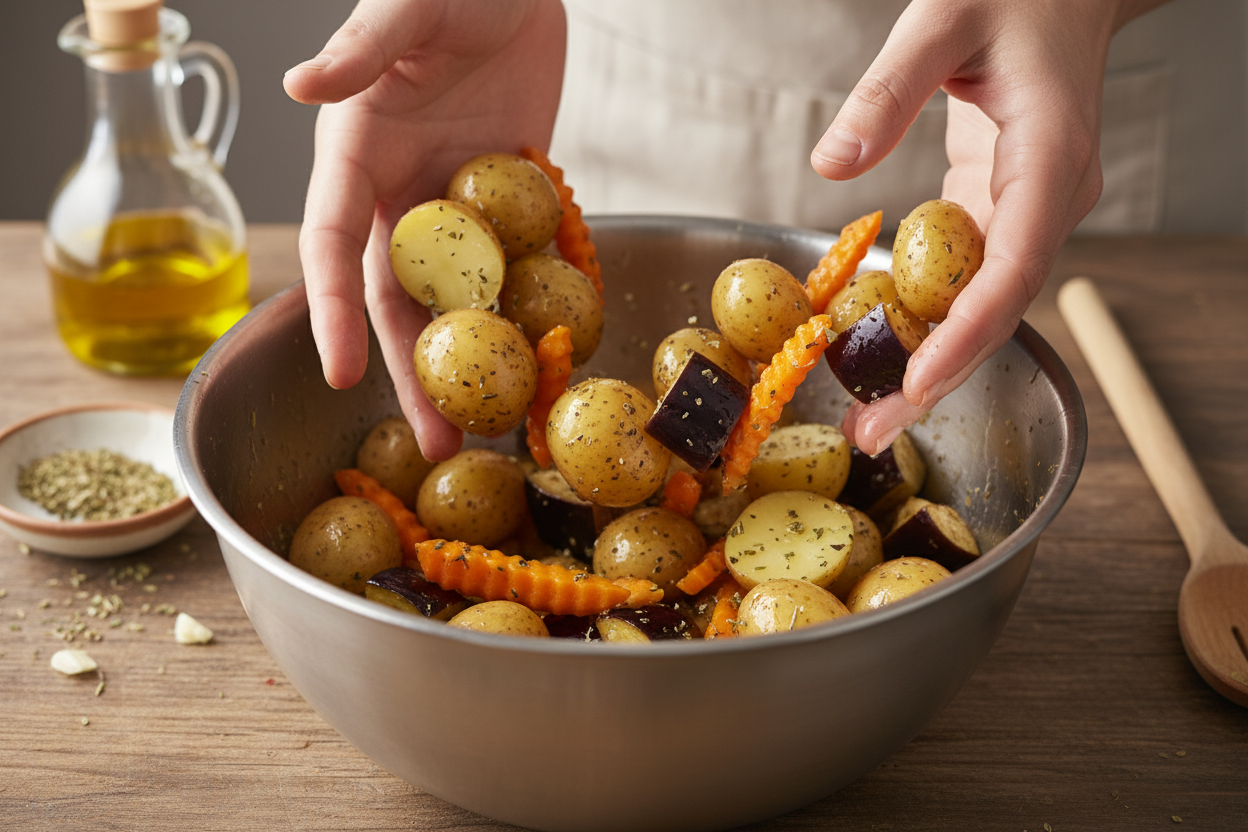
- Season the First Batch: In a large bowl, toss the chopped potatoes and carrots with 2-3 tablespoons of olive oil, a teaspoon of salt, and half a teaspoon of black pepper. Add a few sprigs of fresh rosemary and thyme.
- First Roast: Spread the seasoned potatoes and carrots in a single layer on your prepared baking sheet(s). Roast for 15-20 minutes, or until they are starting to soften and slightly brown.
- Prep Tender Veggies: While the root vegetables are roasting, wash and chop your zucchini and eggplant into 1-inch pieces. Snap the woody ends off the asparagus spears.
- Add Tender Veggies to the Bowl: To the same bowl used for the first batch (no need to clean it), add the chopped zucchini, eggplant, and asparagus. Drizzle with 1-2 tablespoons of olive oil, a pinch of salt, and pepper. Toss to coat.
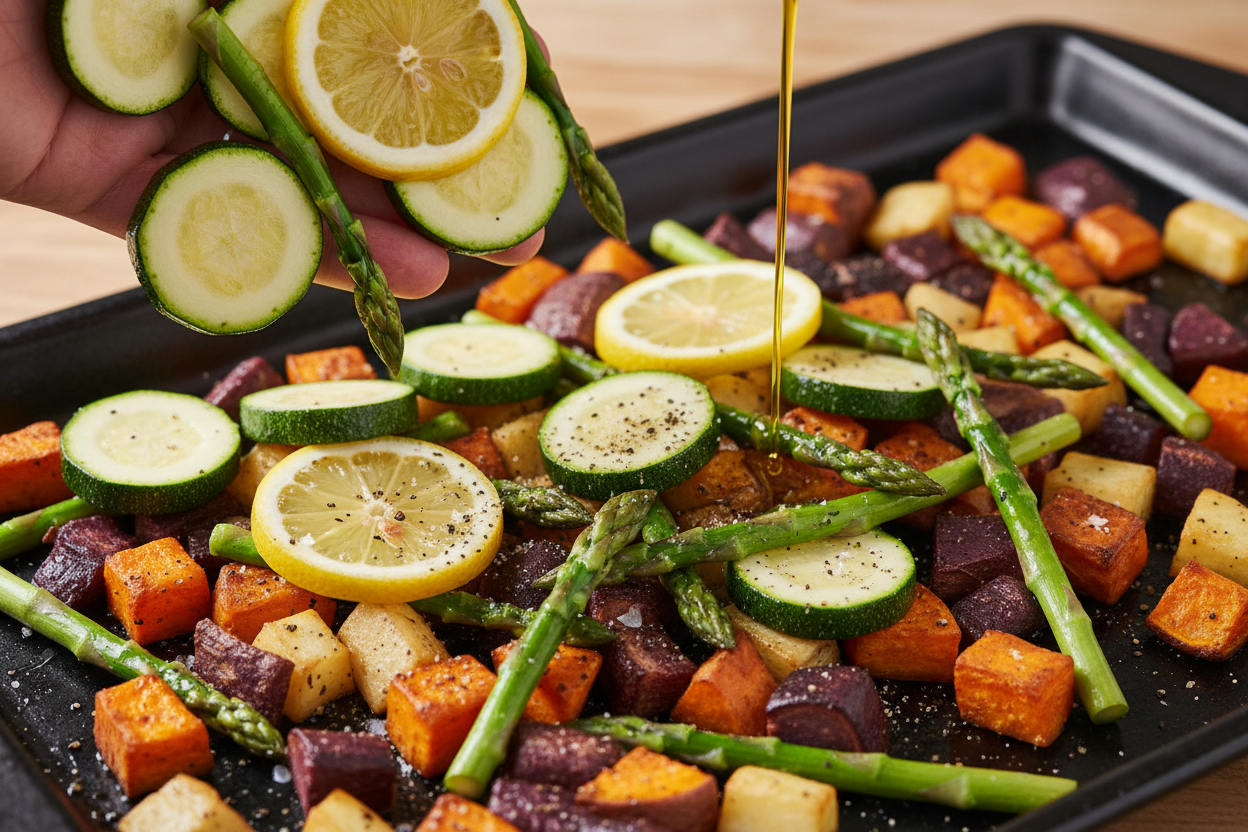
- Combine and Continue Roasting: After the initial 15-20 minutes, carefully remove the baking sheet(s) from the oven. Add the seasoned zucchini, eggplant, and asparagus to the pan, distributing them evenly among the other vegetables. Gently toss everything together on the pan.
- Final Roast: Return the baking sheet(s) to the oven and continue roasting for another 15-20 minutes, or until all the vegetables are tender-crisp, golden brown, and slightly caramelized.
- Finish with Citrus: Remove the pan from the oven. Discard the herb sprigs. Squeeze the juice of half a lemon over the roasted vegetables and grate a little zest over them. Toss gently.
- Serve Immediately: Transfer the roasted spring vegetables to a serving platter and enjoy warm!
Creative Flavor Variations and Seasonings
While the basic olive oil, salt, pepper, and herbs combination is undeniably delicious, don’t hesitate to experiment with different flavor profiles to suit your mood or meal.
Balsamic Glaze and Parmesan
For a tangy, sweet, and savory twist, try balsamic roasted spring vegetables. After roasting, drizzle the warm vegetables with a good quality balsamic glaze and sprinkle generously with freshly grated Parmesan cheese. The combination of the sweet glaze, salty cheese, and earthy vegetables is absolutely divine. You can even roast some cherry tomatoes alongside your veggies for an extra burst of flavor and juiciness.
Mediterranean Spice Blends
Introduce a taste of the Mediterranean by tossing your vegetables with a blend of dried oregano, a pinch of red pepper flakes, and a touch of smoked paprika before roasting. For an even more authentic touch, add a tablespoon of za’atar or sumac during the last 10 minutes of roasting. A sprinkle of fresh parsley or mint at the end completes this aromatic variation.
What to Serve with Roasted Spring Vegetables
This vibrant spring vegetable medley is incredibly versatile, making it an excellent accompaniment to a wide range of main courses or a delicious component in other dishes.
Pairing with Mains
As an easy vegetable side dish, these roasted vegetables complement nearly any protein. They are fantastic alongside grilled chicken, flaky baked fish like salmon or cod, or a perfectly seared steak or roasted beef. For a plant-based meal, serve them with hearty lentil patties or a quinoa pilaf. Their bright flavors cut through richness and provide a beautiful balance to heavier dishes.
Using Leftovers in Bowls and Salads
Don’t let any leftover roasted vegetables go to waste! They are phenomenal cold or gently reheated. Toss them into a vibrant grain bowl with farro or brown rice, a protein of your choice, and a light vinaigrette. Add them to a breakfast scramble or frittata for a burst of flavor and nutrition. They also make a fantastic addition to pasta salads, bringing texture and roasted depth that’s far more interesting than raw veggies.
How to Store and Reheat Leftovers
If you happen to have any of these delicious oven roasted spring veggies left over, store them in an airtight container in the refrigerator for up to 3-4 days. To reheat, you have a few options: for the best texture, spread them on a baking sheet and warm them in a 350°F (175°C) oven for about 10-15 minutes until heated through. This will help crisp them up again. Alternatively, you can gently warm them in a microwave, though they may lose some of their crispness.
Frequently Asked Questions (FAQs)
Here are answers to some common questions about roasting spring vegetables:
Q: Can I use different vegetables than the ones listed?
A: Absolutely! This recipe is highly adaptable. Feel free to include other spring favorites like snap peas, radishes (they get surprisingly sweet when roasted!), or bell peppers. Just remember to consider their cooking times and add them at the appropriate stage.
Q: What if I don’t have fresh herbs?
A: While fresh herbs offer the best flavor, you can substitute with dried herbs. Use about one-third the amount of dried herbs compared to fresh (e.g., 1 teaspoon dried for 1 tablespoon fresh). Add them with the olive oil at the beginning.
Q: Can I prepare the vegetables ahead of time?
A: You can chop the root vegetables (potatoes and carrots) a day in advance and store them in an airtight container in the refrigerator. Tender vegetables like zucchini, eggplant, and asparagus are best chopped right before roasting to maintain their texture and prevent them from drying out.
Q: My vegetables are sticking to the pan. What went wrong?
A: This usually happens if the pan wasn’t lined, or if there wasn’t enough oil, or if the oven temperature wasn’t high enough to create a good sear. Ensure you use parchment paper, adequate oil, and don’t overcrowd the pan for the best results.
There you have it – a comprehensive guide to creating a truly spectacular pan of roasted carrots and asparagus and other delightful spring vegetables. With these tips and tricks, you’re well on your way to enjoying the freshest flavors of the season, all from the comfort of your kitchen. Happy roasting!
For more delicious recipes, cooking tips, and seasonal inspiration, be sure to follow us on Facebook!
Find us here: https://www.facebook.com/profile.php?id=61568538666337
Herbed Roasted Spring Vegetables
Ingredients
- 1 lb Baby potatoes Halved
- 2 cups Carrots Peeled and chopped into 1-inch pieces
- 1 medium Eggplant Cubed
- 1 medium Zucchini Sliced into thick half-moons
- 1 bunch Fresh asparagus Woody ends trimmed, cut into 2-inch pieces
- 3 tbsp Olive oil Divided
- 3 cloves Garlic Minced
- 1 tsp Dried Italian herbs
- 1/2 tsp Sea salt
- 1/4 tsp Black pepper
- 1/2 Lemon Sliced into thin rounds
Instructions
- Preheat the oven to 425°F (220°C) and line a large rimmed baking sheet with parchment paper.
- In a large mixing bowl, toss the halved baby potatoes, chopped carrots, and cubed eggplant with 2 tablespoons of olive oil, minced garlic, dried Italian herbs, salt, and pepper.
- Spread the coated root vegetables and eggplant in a single, even layer on the prepared baking sheet. Roast in the preheated oven for 20 minutes.
- Remove the baking sheet from the oven. Add the sliced zucchini, asparagus pieces, and lemon rounds to the pan, drizzling with the remaining 1 tablespoon of olive oil. Gently toss to combine with the semi-roasted vegetables.
- Return the baking sheet to the oven and roast for an additional 10 to 15 minutes, or until all vegetables are fork-tender and nicely caramelized around the edges.
- Remove from the oven, garnish with extra fresh herbs if desired, and serve warm.
For more daily recipes and tips, follow us on Facebook!
Click here to join our community!