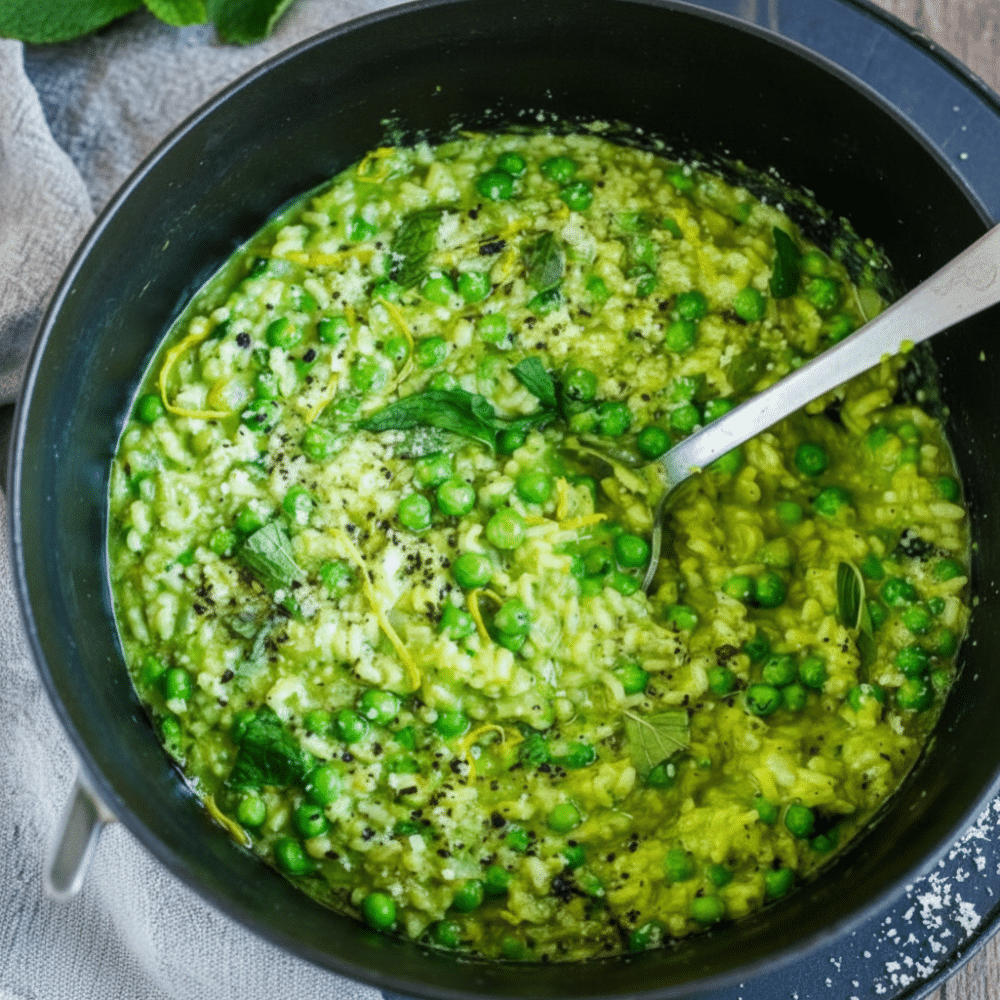
Spring Pea Risotto Recipe Guide
There are certain dishes that just sing of a season, and for me, a vibrant, fresh bowl of Spring Pea Risotto perfectly encapsulates the awakening of spring. As the days lengthen and the first tender peas emerge, there’s a natural pull towards lighter, brighter flavors in the kitchen. This creamy, comforting Italian classic gets a beautiful, verdant makeover, transforming into a truly show-stopping healthy green dinner that’s as nourishing as it is delicious.
Why You Will Love This Healthy Green Risotto Dish
This isn’t just any risotto; it’s a celebration of freshness and simplicity. You’ll adore the way the sweet peas burst in your mouth, complemented by the subtle zing of lemon and the cool whisper of fresh mint in every spoonful. It’s a vegetarian green risotto that feels both luxurious and wholesome. The magic lies in creating a profoundly creamy Italian risotto that’s silky smooth, yet still has that satisfying al dente bite from perfectly cooked rice. It’s comforting, elegant, and surprisingly straightforward to master, making it a perfect meal for a weeknight treat or a relaxed weekend gathering.
Key Ingredients for the Perfect Green Risotto
Crafting an exceptional pea and mint risotto begins with selecting the right ingredients. Quality truly shines through in a dish like this, where each component plays a crucial role in the final texture and flavor.
The Best Rice for Risotto: Arborio vs Carnaroli
The foundation of any great risotto is the rice. For that signature creamy texture, you need a high-starch, short-grain rice variety that can absorb a lot of liquid while releasing its starches.
- Arborio Rice: This is the most common and widely available risotto rice. Its large, plump grains absorb liquid beautifully and become wonderfully creamy, while still retaining a slight bite in the center. It’s an excellent choice for an arborio rice recipe.
- Carnaroli Rice: Often called the “king of rices,” Carnaroli has a higher starch content and a firmer grain than Arborio, making it less likely to overcook and resulting in an even creamier, more refined texture. If you can find it, it’s a fantastic option for a truly elegant dish.
Whichever you choose, resist the urge to rinse your rice! We want all that lovely starch to stay put and contribute to our creamy Italian risotto.
Fresh Peas vs Frozen Peas: What to Choose
For a spring pea risotto, the peas are the star.
- Fresh Peas: If you can get your hands on fresh peas, especially during peak season, they will offer an unparalleled sweetness and vibrancy. They cook quickly and contribute a delicate texture.
- Frozen Peas: Don’t underestimate frozen peas! They are picked and flash-frozen at their peak, meaning they often retain more sweetness and nutrients than fresh peas that have traveled long distances. They are an excellent, convenient, and often equally delicious option. Just make sure to use high-quality frozen peas.
We’ll be using most of our peas to create a beautiful, bright puree, with a handful added at the very end for texture and a burst of fresh flavor.
Step-by-Step Instructions
Let’s dive into creating this exquisite vegetarian green risotto. Follow these steps for a perfect, luscious result.
Prepping Your Pea and Mint Puree
This puree is what gives our risotto its stunning green hue and fresh, vibrant flavor. It’s simple to make and can even be done a little ahead of time.
- Bring a small pot of salted water to a boil. Add about three-quarters of your peas (reserving the rest for later) and blanch for 1-2 minutes until tender-crisp and brightly green.
- Immediately transfer the blanched peas to an ice bath to stop the cooking and preserve their color. Drain well.
- Combine the blanched peas with a handful of fresh mint leaves, a splash of hot vegetable broth, and a squeeze of fresh lemon juice in a blender or food processor. Process until very smooth. If it’s too thick, add a tiny bit more broth until it reaches a thick, pourable consistency. Season with a pinch of salt and pepper. Set aside.
The Secret to a Creamy Italian Risotto
The real magic of risotto happens in the pot. Patience and a gentle hand are key to achieving that signature velvety texture.
- Warm the Broth: In a separate saucepan, gently heat your vegetable broth and keep it at a bare simmer. This is crucial for maintaining the risotto’s temperature and ensuring even cooking.
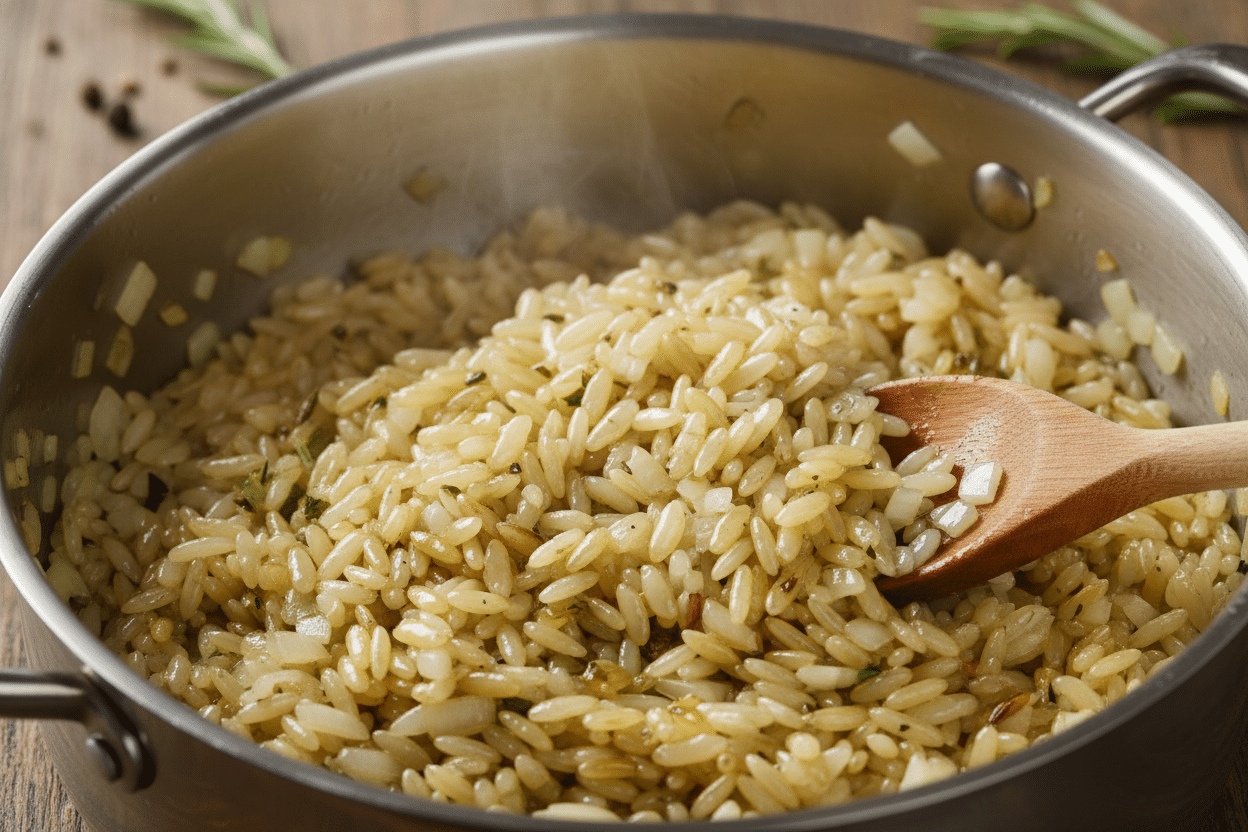
- Sauté Aromatics: In a wide, heavy-bottomed pot or Dutch oven, melt a knob of butter or a drizzle of olive oil over medium heat. Add finely chopped shallots (or a small onion) and cook gently until softened and translucent, about 3-5 minutes. Be careful not to brown them.
- Toast the Rice: Add the Arborio or Carnaroli rice to the pot and stir constantly for 1-2 minutes. The grains should become slightly translucent around the edges but remain opaque in the center. This step, called “toasting,” helps the rice hold its shape and absorb liquid more evenly.
- Deglaze: Pour in a splash of dry white wine (optional, but highly recommended for depth of flavor) and stir until it’s completely absorbed by the rice.
- Gradual Broth Addition: Begin adding the warm broth, one ladleful at a time, stirring frequently. Wait until almost all the liquid has been absorbed by the rice before adding the next ladleful. This constant stirring helps release the starches from the rice, creating that beautiful creamy Italian risotto texture. Continue this process for 18-20 minutes, or until the rice is al dente – tender but with a slight chew in the center. You may not need all the broth, or you might need a little extra.
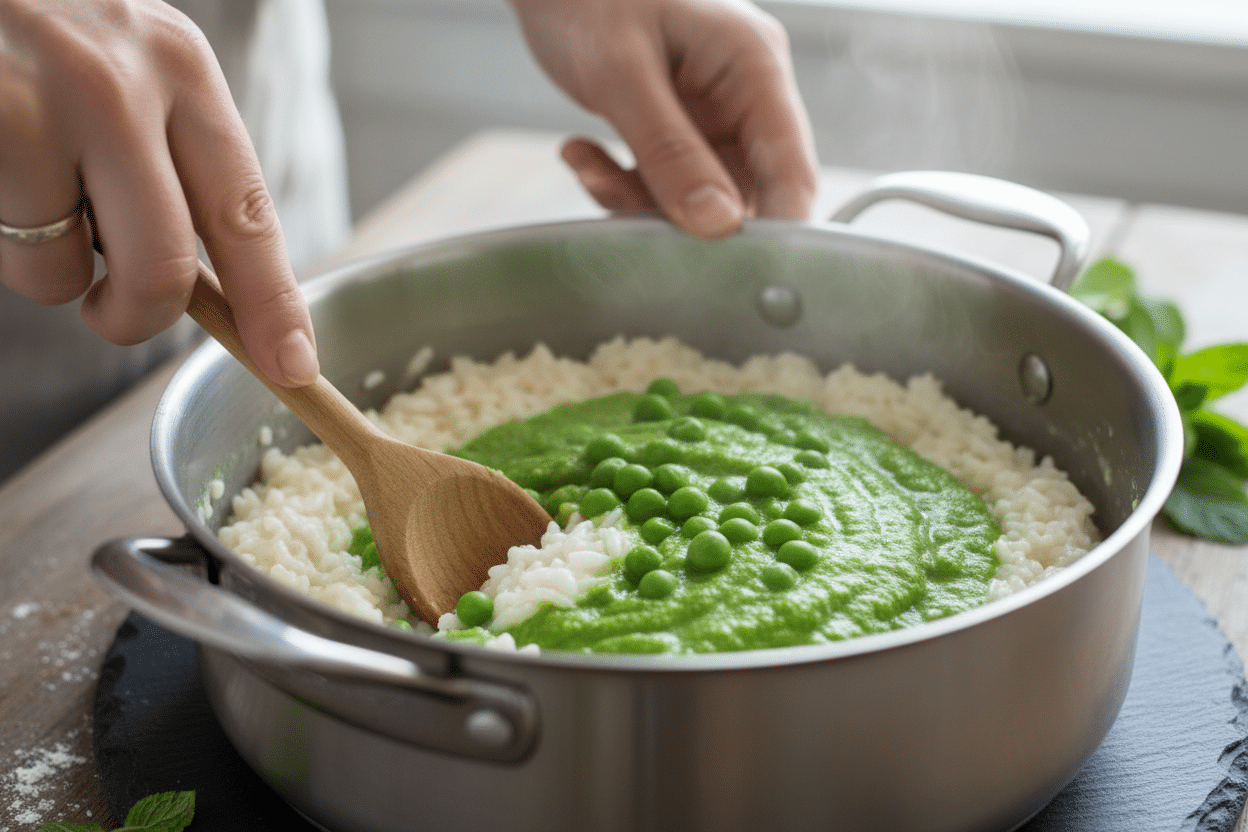
- The Grand Finish (Mantecatura): Once the rice is perfectly cooked, remove the pot from the heat. Stir in the reserved fresh peas, your vibrant pea and mint puree, a generous knob of cold butter, and a good handful of freshly grated Parmesan cheese. Stir vigorously for a minute or two – this is the “mantecatura” phase, where the fat and cheese emulsify with the starches, making the risotto incredibly creamy and glossy. Add a burst of freshness with some lemon zest risotto over the top.
- Rest and Serve: Let the risotto rest, covered, for 2-3 minutes. This allows the flavors to meld and the texture to set perfectly. Serve immediately in warm bowls, garnished with extra Parmesan, a sprinkle of fresh mint, and perhaps a drizzle of good olive oil.
Pro Tips for Cooking Success
Achieving risotto perfection is all about technique and a little attention to detail.
Temperature Control and Broth Management
- Keep Broth Hot: Always ensure your vegetable broth is simmering gently in a separate pot. Adding cold broth will shock the rice, slow down the cooking process, and result in an unevenly cooked, gummy risotto.
- Stir Consistently, But Not Constantly: While stirring is essential to release starch, you don’t need to stir every single second. Stir frequently enough to prevent sticking and ensure even liquid absorption, but allow the rice to cook gently in between.
- Don’t Rush It: Risotto is not a quick dish. It requires about 20 minutes of active cooking. Enjoy the process!
- Taste, Taste, Taste: Regularly taste your risotto as it cooks to check for seasoning and doneness. The rice should be tender with a slight chew, never mushy or crunchy.
“The secret to an unforgettable creamy Italian risotto lies in understanding the rice and respecting the gradual dance of broth and stirring. Patience is your most vital ingredient.”
Variations and Additions
While this pea and mint risotto is perfect as is, it’s also wonderfully adaptable.
Making it Vegan
This vegetarian green risotto can easily be made vegan without sacrificing any of its rich, creamy goodness.
- Butter: Substitute dairy butter with a high-quality plant-based butter.
- Cheese: Omit the Parmesan or use a good vegan Parmesan alternative. Nutritional yeast can also add a cheesy, umami depth.
- Broth: Ensure you are using a savory, high-quality vegetable broth.
Healthy Protein Pairings
To make this healthy green dinner even more substantial, consider these additions:
- Pan-Seared Scallops or Shrimp: Lightly seasoned and quickly seared, they complement the sweetness of the peas beautifully.
- Grilled Chicken or Beef: Thinly sliced grilled chicken breast or seared beef strips can be fanned over the top for a heartier meal.
- Roasted Chickpeas or White Beans: For a plant-based protein boost, roast some chickpeas with herbs until crispy, or stir in cannellini beans at the end.
Storing and Reheating Leftovers
Risotto is always best enjoyed fresh off the stove, but leftovers can be delicious too! Store any leftover pea and mint risotto in an airtight container in the refrigerator for up to 2-3 days.
To reheat, gently warm the risotto in a saucepan over low heat, adding a splash of vegetable broth or water to loosen it up and restore some of its creaminess. Stir continuously until heated through. Be careful not to overheat, as this can make the rice mushy. Alternatively, you can form cold risotto into patties, bread them, and pan-fry them for delicious arancini-style fritters!
Frequently Asked Questions (FAQs)
Q: Can I use different herbs?
A: Absolutely! While mint pairs beautifully with peas, you could also try basil, tarragon, or a mix of soft herbs for a different flavor profile.
Q: My risotto isn’t creamy enough. What went wrong?
A: Lack of creaminess usually means one of two things: either you didn’t stir enough to release the starch, or the rice might have been overcooked, losing its structure. Ensure continuous stirring and check for that al dente bite.
Q: Can I add other vegetables?
A: Yes! Asparagus, spinach, or leeks would be lovely additions. Add them towards the end of the cooking process to avoid overcooking.
Q: What does al dente mean for rice?
A: “Al dente” translates to “to the tooth.” For risotto rice, it means the grains should be tender but still offer a slight resistance or chew in the very center, rather than being soft all the way through.
Embrace the freshness of spring with this delightful dish. This lemon zest risotto is a testament to how simple, quality ingredients can create something truly special and comforting. Happy cooking!
Follow us on Facebook for more delicious recipes and cooking tips: https://www.facebook.com/profile.php?id=61568538666337
Creamy Spring Pea Risotto
Ingredients
- 1.5 cups Arborio rice Carnaroli can also be used
- 4 cups Vegetable broth Kept warm
- 2 cups Green peas Fresh or thawed from frozen
- 0.25 cup Fresh mint leaves Finely chopped
- 1 tbsp Lemon zest
- 0.5 cup Parmesan cheese Freshly grated
- 0.5 cup Dry white wine
- 1 whole Yellow onion Finely diced
- 2 tbsp Olive oil
- 2 tbsp Unsalted butter
- 1 tsp Kosher salt To taste
- 0.5 tsp Black pepper Freshly cracked
Instructions
- Heat the vegetable broth in a medium saucepan and keep it warm over low heat.
- In a heavy-bottomed pot, warm the olive oil over medium heat. Sauté the diced onion until translucent and tender, about 5 minutes.
- Stir the Arborio rice into the pot, toasting it for 2 minutes until the edges become slightly clear.
- Pour the dry white wine into the pot and stir constantly until the liquid is fully absorbed by the rice.
- Gradually add the warm vegetable broth one ladle at a time, stirring frequently.
- Blend half of the green peas with the fresh mint and a splash of broth to create a smooth puree. Stir this puree along with the remaining whole peas into the risotto during the last 3 minutes of cooking.
- Remove the pot from the heat. Vigorously stir in the butter, grated parmesan cheese, and lemon zest. Season with salt and black pepper to taste. Let the risotto rest for 2 minutes before serving.
For more daily recipes and tips, follow us on Facebook!
Click here to join our community!