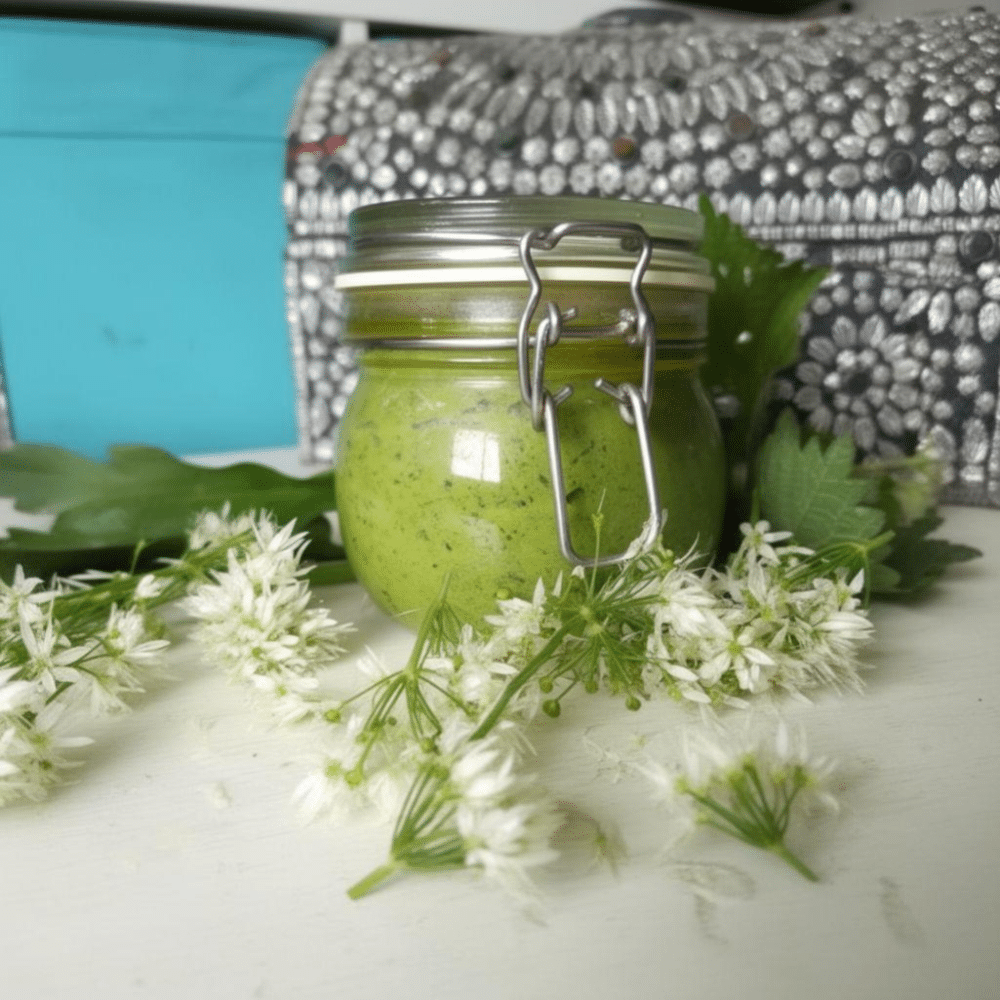
As the days lengthen and the landscape bursts into vibrant green, a unique opportunity awakens for those who appreciate the wild pantry. Spring is a magical time for foragers, offering an abundance of fresh, potent ingredients that are not only delicious but incredibly beneficial. Among the most exciting finds are wild garlic and stinging nettles, two humble plants that, when combined, create a truly extraordinary condiment: a vibrant, flavourful Wild Garlic Nettle Pesto.
This isn’t just about making a tasty sauce; it’s an invitation to connect with nature, to understand the rhythm of the seasons, and to infuse your cooking with the untamed essence of the wilderness. Join us on a journey to discover the joys of foraging these incredible spring greens and transform them into a pesto that will brighten any meal.
The Rise of Foraged Foods
Why Spring Greens Are Highly Nutritious
The arrival of spring brings with it a surge of life, and nowhere is this more evident than in the nutrient density of new growth. Spring greens like wild garlic and nettles are packed with vitamins, minerals, and antioxidants that can give your body a powerful boost after the leaner months of winter. Stinging nettles, often overlooked, are a nutritional powerhouse, rich in vitamins A, C, and K, as well as calcium, iron, magnesium, and potassium. Wild garlic, with its distinctive pungent aroma, is loaded with beneficial sulphur compounds, similar to those found in conventional garlic, offering impressive antibacterial and antiviral properties. Incorporating these into a healthy green pesto is a fantastic way to harness their goodness, providing a fresh, detoxifying, and energizing addition to your diet.
The History of Wild Garlic and Stinging Nettles
Both wild garlic and stinging nettles boast a long and fascinating history of human use, stretching back centuries. Wild garlic, known scientifically as Allium ursinum, has been cherished across Europe for its culinary and medicinal properties since ancient times. Romans, Celts, and Vikings all appreciated its pungent flavour and believed in its health benefits, using it for everything from flavouring food to treating ailments. Stinging nettles (Urtica dioica), despite their infamous sting, have an even more diverse history. They were used by ancient Egyptians for arthritis, by Anglo-Saxons for various remedies, and even found their way into textiles and dyes. Their presence in foraging traditions highlights a deep historical understanding of their value as both food and medicine.
Identifying Your Ingredients Safely
How to Spot Wild Garlic (Bear’s Garlic) in the Wild
Identifying wild garlic is relatively straightforward, but caution is always paramount when foraging. Also known as bear’s garlic due to bears’ fondness for it after hibernation, this plant thrives in damp, shaded woodlands, often forming dense carpets of bright green leaves. Look for vibrant, elongated, spear-shaped wild garlic leaves that grow directly from the ground. The most distinguishing feature, and your primary identifier, is its unmistakable garlicky scent. Simply crush a leaf between your fingers, and you’ll be greeted by a strong, familiar aroma. Be careful not to confuse it with poisonous lookalikes such as lily of the valley or lords and ladies, which lack the garlicky smell. Always confirm the scent before harvesting.
Safely Harvesting Stinging Nettles Without Getting Stung
Harvesting for stinging nettle recipes requires a bit more care, but the reward is well worth the effort. Nettles typically grow in nutrient-rich soil, often found on the edges of woodlands, pathways, and disturbed ground. For the tenderest leaves, focus on picking the young, fresh shoots at the top of the plant in spring. To avoid the notorious sting, wear sturdy gardening gloves – the thicker, the better. You can also use scissors or secateurs to snip the tops off, minimizing direct contact. Always harvest away from busy roads or areas that might be contaminated by pollutants or sprays. This ensures you’re gathering clean, vibrant material for your foraging spring greens.
“Respect the plant, respect the land, and always be 100% certain of your identification before consuming any foraged food.”
The Science Behind the Nettle Sting
What Causes the Nettle Sting?
The stinging sensation from nettles is caused by tiny, hollow hairs called trichomes, which cover the stems and undersides of the leaves. These trichomes act like miniature hypodermic needles. When brushed against, their brittle tips break off, injecting a cocktail of irritating chemicals into the skin. This includes histamine, serotonin, and acetylcholine, which together cause the characteristic itching, burning, and redness. It’s the plant’s natural defense mechanism against herbivores, and it’s surprisingly effective.
How Blanching Neutralizes Formic Acid
Fortunately, the sting of the nettle is easily disarmed through heat. The chemicals responsible for the irritation, including formic acid, are volatile and quickly degrade when exposed to high temperatures. This is where blanching nettles comes in. A quick dip in boiling water for just 30-60 seconds is all it takes to neutralize these compounds, making the nettles safe and delicious to eat. Not only does blanching remove the sting, but it also softens the leaves, brightens their colour, and prepares them perfectly for blending into your pesto, ensuring a smooth, palatable texture.
Perfecting the Wild Garlic Nettle Pesto
Essential Ingredients for the Best Pesto
Beyond the star ingredients of wild garlic and blanched nettles, a few other components are crucial for a truly exceptional pesto. You’ll need a good quality hard cheese, fresh nuts, and, crucially, an excellent extra virgin olive oil. Salt and pepper are also non-negotiable for seasoning, bringing out the vibrant flavours of the greens. The balance of these ingredients is key: the pungency of the wild garlic, the earthy notes of the nettles, the richness of the cheese and nuts, and the fruity notes of the olive oil all need to harmonise beautifully.
Choosing the Right Nuts and Hard Cheeses
While traditional pesto often calls for pine nuts, don’t be afraid to experiment with other delicious options. Toasted walnuts or almonds make excellent pine nut substitutes, offering a different depth of flavour and often a more economical choice. For cheese, a finely grated Pecorino Romano or Parmesan provides the essential salty, umami kick. If you’re looking for a sharper, more intense flavour, Pecorino is a fantastic choice. For a milder, nutty finish, Parmesan works wonderfully. Feel free to combine them for a more complex profile.
The Crucial Role of High-Quality Olive Oil
The olive oil is not just a carrier for your pesto; it’s an integral part of its flavour and texture. Investing in a high-quality, cold-pressed extra virgin olive oil will make a significant difference. Its fruity, peppery, or grassy notes will infuse the entire pesto, elevating it from good to truly outstanding. A good olive oil will also help achieve that luscious, creamy consistency, binding all the ingredients together without making the pesto greasy. Don’t skimp on this ingredient!
Step-by-Step Guide to Making the Pesto
Preparation and Washing Techniques
- Begin by thoroughly washing your foraged wild garlic leaves and blanched nettles under cold running water. Ensure all grit and any tiny insects are removed.
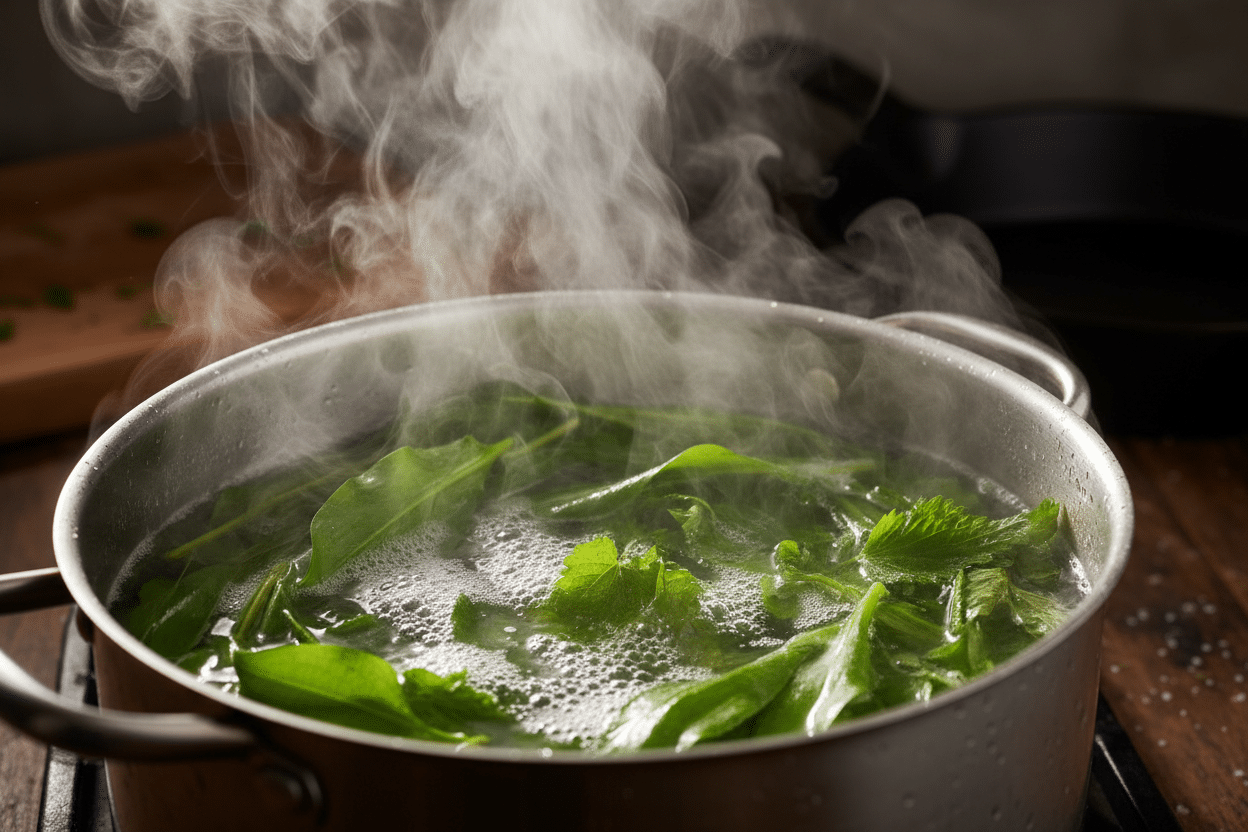
- For the nettles, briefly plunge them into a pot of boiling water for 30-60 seconds, then immediately transfer them to an ice bath to stop the cooking process and preserve their vibrant green colour. Squeeze out as much excess water as possible. This step is vital for neutralizing the sting and ensuring a smooth pesto.
- Roughly chop both the wild garlic and blanched nettles to prepare them for blending.
Blending to the Perfect Consistency
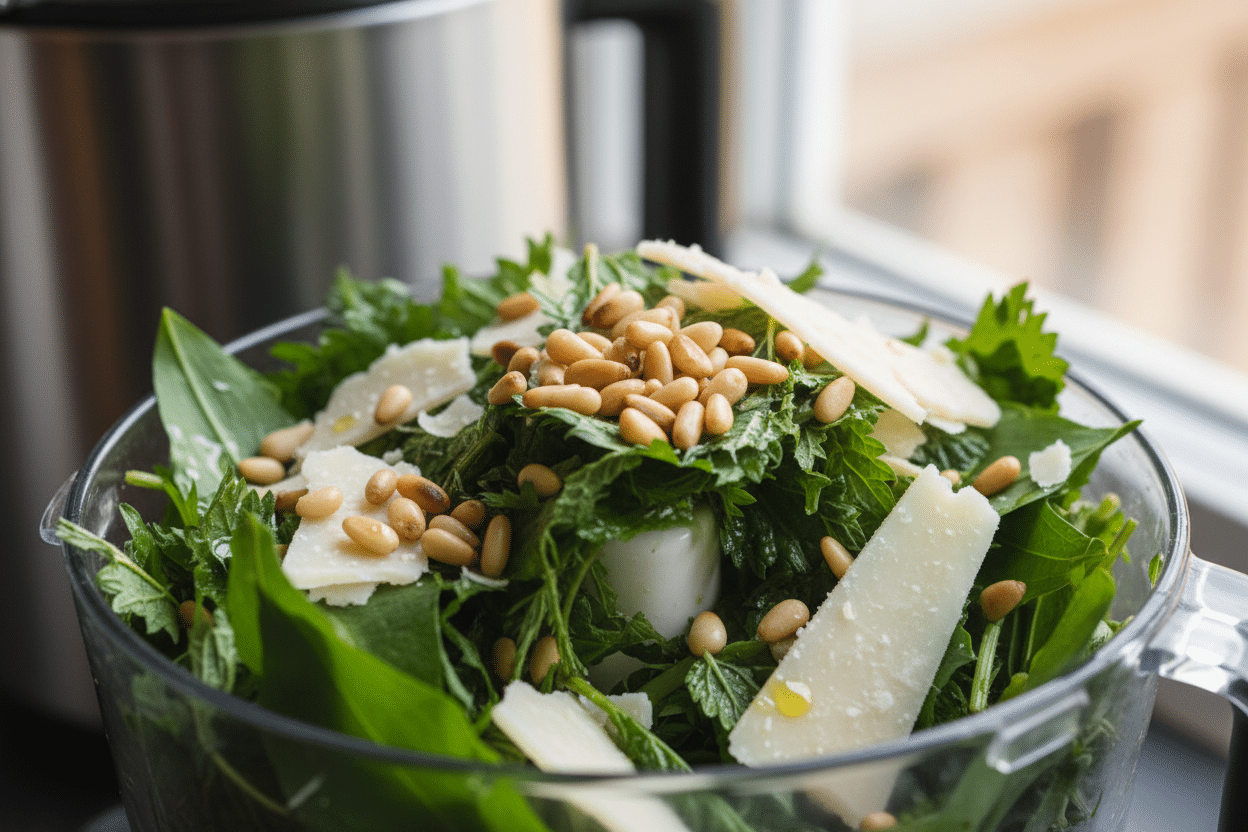
- In a food processor, combine the chopped wild garlic and nettles with your chosen nuts (walnuts, almonds, or even pumpkin seeds work well). Pulse a few times to roughly chop everything.
- Add the grated hard cheese and a pinch of salt and black pepper. Continue to pulse, slowly drizzling in the extra virgin olive oil through the feed tube until the pesto reaches your desired consistency. Some prefer a chunkier pesto, while others like it very smooth.
- Taste and adjust seasoning as needed. You might want a little more salt, a grind of black pepper, or even a squeeze of lemon juice to brighten the flavours.
Variations and Dietary Substitutions
Vegan Pesto Options Using Nutritional Yeast
Making a vegan version of this pesto is wonderfully simple and equally delicious. Instead of traditional hard cheese, incorporate nutritional yeast. This flaky yellow ingredient has a savoury, cheesy flavour profile and adds a boost of B vitamins. Start with a few tablespoons and add more to taste. You’ll still achieve that rich, umami depth without any dairy, making it a fantastic option for a wider range of diets.
Nut-Free Alternatives for Allergy Sensitivities
For those with nut allergies, creating a nut-free pesto is entirely possible. Substitute the traditional nuts with seeds like sunflower seeds or pumpkin seeds. Lightly toast them beforehand to enhance their flavour and add a delightful crunch. Hemp seeds also work well, offering a creamy texture and a good dose of omega fatty acids. These alternatives ensure everyone can enjoy the vibrant taste of your homemade pesto without worry.
How to Store and Preserve Your Pesto
Fridge Storage and the Olive Oil Seal Method
Proper storage is key to maintaining the freshness and extending the shelf life of your homemade pesto. In the refrigerator, your pesto will typically last for about 1-2 weeks. To prevent oxidation and keep it vibrant green, transfer the pesto to an airtight container. Gently press the surface with a spoon to remove any air pockets, then pour a thin layer of extra virgin olive oil over the top to create a protective seal. This olive oil barrier prevents air from reaching the pesto, dramatically slowing down spoilage and preserving its beautiful colour.
Freezing Pesto for Year-Year Use
One of the best ways to enjoy the bounty of spring all year long is by freezing your pesto. It freezes beautifully! You can portion it into ice cube trays for convenient individual servings, or into small airtight containers. Once frozen solid, pop the pesto cubes out of the trays and transfer them to a freezer-safe bag, removing as much air as possible. Frozen pesto will retain its quality for up to 6 months. When you’re ready to use it, simply thaw in the refrigerator or add directly to hot pasta or sauces.
Best Ways to Serve Wild Garlic Nettle Pesto
Tossing with Pasta, Gnocchi, and Spring Risotto
The classic application for pesto is, of course, with pasta. Toss your freshly made Wild Garlic Nettle Pesto with your favourite pasta shape, perhaps a linguine or orecchiette, for a quick and flavourful meal. It’s equally sublime with homemade gnocchi, coating each pillowy dumpling with its verdant goodness. For a more sophisticated dish, stir it into a creamy spring risotto at the end of cooking, adding a burst of fresh, herbaceous flavour and a beautiful green hue. The possibilities are endless when it comes to enriching comforting carbohydrates with this delightful sauce.
Using as Spreads, Dips, and Marinades
Beyond pasta, this pesto is incredibly versatile. Spread it generously onto crusty bread or crostini for a simple yet elegant appetizer. Whisk it into yogurt or cream cheese for a vibrant dip for vegetables or crackers. It makes a fantastic sandwich spread, instantly elevating even the simplest lunch. For a punch of flavour, use it as a marinade for chicken, fish, or even for beef. The potent flavours of wild garlic and nettle infuse the meat, creating a delicious char and tender texture when grilled or roasted. This pesto truly transforms everyday ingredients into gourmet delights, making it a staple in any collection of foraged food recipes.
Embrace the vibrant flavours of spring with this incredible Wild Garlic Nettle Pesto. It’s a taste of the wild, brought directly to your kitchen. Happy foraging and happy cooking!
Find more delicious recipes and foraging adventures by following us on Facebook!
Visit our page: https://www.facebook.com/profile.php?id=61568538666337
Wild Garlic and Nettle Pesto
Ingredients
- 4 oz Fresh stinging nettle leaves Stems removed
- 2 cups Fresh wild garlic leaves Loosely packed
- 1/2 cup Pine nuts Toasted
- 1/2 cup Parmesan cheese Finely grated
- 1/2 cup Extra virgin olive oil Plus extra for sealing
- 1 tbsp Lemon juice Freshly squeezed
- 1 tsp Sea salt Adjust to taste
- 1/4 tsp Black pepper Freshly ground
Instructions
- Carefully wash the wild garlic and nettle leaves in cold water. Wear heavy-duty gloves when handling the raw nettle leaves to avoid getting stung.
- Bring a large pot of salted water to a rolling boil. Drop the nettle leaves into the boiling water and blanch for 1 to 2 minutes to completely neutralize their sting.
- Remove the nettles using tongs and immediately plunge them into a bowl of ice water to halt the cooking process. Drain the nettles and tightly squeeze out as much excess liquid as possible.
- Place the blanched nettles, fresh wild garlic leaves, toasted pine nuts, Parmesan cheese, and lemon juice into the bowl of a food processor.
- Pulse the mixture until the greens and nuts are coarsely chopped. With the food processor running on a low setting, slowly drizzle in the extra virgin olive oil until the pesto reaches your desired consistency.
- Season the pesto with sea salt and black pepper to taste. Transfer the finished sauce to an airtight glass jar, pouring a thin layer of olive oil over the top to preserve its vibrant green color.
For more daily recipes and tips, follow us on Facebook!
Click here to join our community!