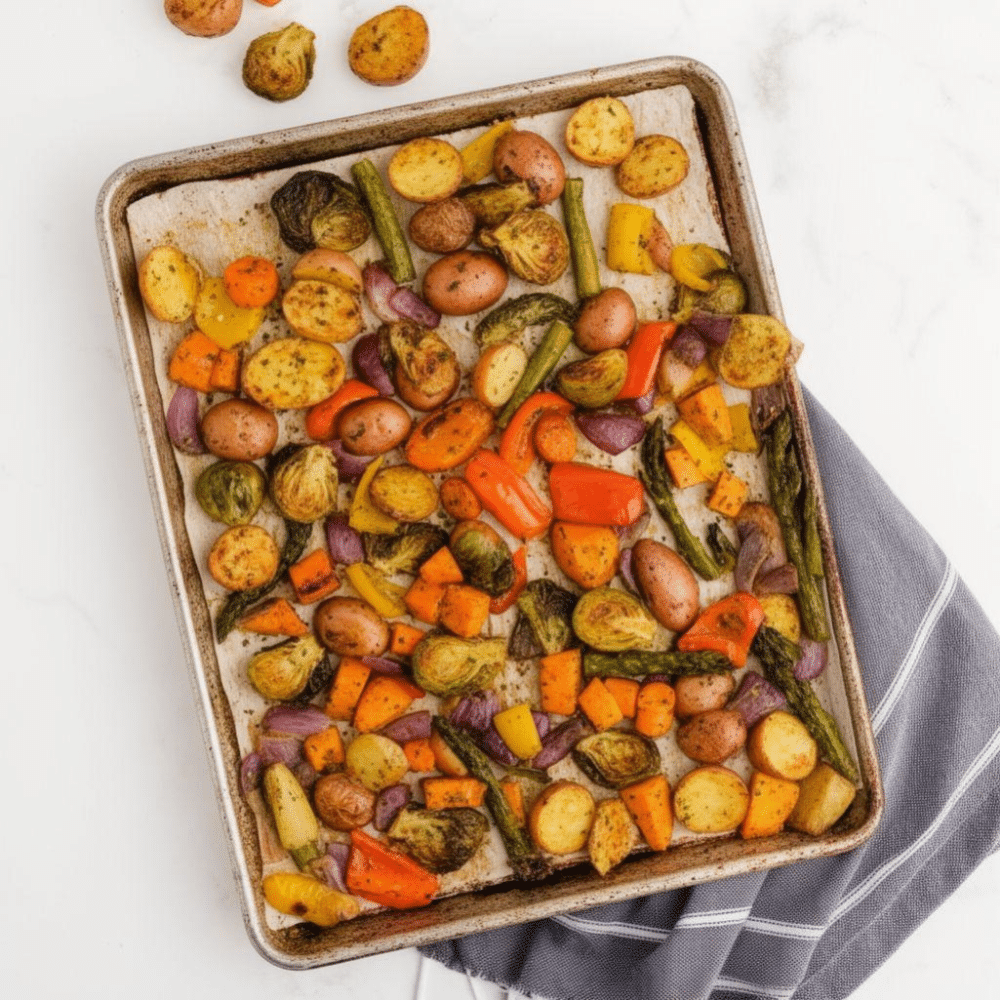
Introduction to Oven Roasted Mixed Vegetables
There’s a special kind of magic that happens when fresh, vibrant produce meets the intense heat of your oven. What starts as a simple assortment of raw veggies transforms into something truly extraordinary: tender on the inside, beautifully caramelized on the outside, and bursting with concentrated flavor. This isn’t just a side dish; it’s an experience, a celebration of nature’s bounty made effortlessly delicious.
Whether you’re a seasoned home cook or just starting your culinary journey, mastering the art of perfectly roasted vegetables is a game-changer. It’s a fundamental skill that unlocks a world of flavor, turning everyday meals into memorable feasts. Forget bland, steamed greens – get ready for a symphony of textures and tastes that will make you fall in love with vegetables all over again.
Why You Will Love This Healthy Side Dish
If you’re looking for a versatile, flavorful, and incredibly easy-to-make option, this healthy vegetable side dish is about to become your new kitchen MVP. Here’s why it deserves a permanent spot in your recipe rotation:
- Effortless Elegance: With minimal prep and hands-off cooking, you can achieve impressive results that look and taste gourmet.
- Nutrient Powerhouse: Roasting often enhances the nutritional value of vegetables by concentrating their vitamins and minerals, making it a fantastic way to boost your daily intake.
- Incredible Flavor: The high heat coaxes out the natural sugars, creating sweet, savory, and deeply satisfying caramelized roasted veggies that are simply irresistible.
- Ultimate Versatility: This method works with almost any vegetable, allowing you to adapt it to what’s fresh and in season. It’s truly a seasonal vegetable recipe for all year round.
- Diet-Friendly: Naturally gluten-free, dairy-free (if you skip cheese), and packed with fiber, it supports a wide range of dietary needs and health goals.
It’s the kind of dish that disappears quickly from the table, satisfying even the pickiest eaters with its comforting and robust flavors.
Essential Ingredients for the Best Flavor
The beauty of this recipe lies in its simplicity and the quality of its components. Choose fresh, vibrant produce for the most impactful taste. Here’s what you’ll need to create your perfect sheet pan vegetables:
- Assorted Vegetables: Think a colorful mix! Great choices include:
- Root Vegetables: Carrots, parsnips, sweet potatoes, regular potatoes, beets, turnips (excellent for oven baked root vegetables).
- Cruciferous: Broccoli florets, cauliflower florets, Brussels sprouts (especially for crispy roasted brussels sprouts).
- Other Favorites: Bell peppers (any color), zucchini, yellow squash, red onion, asparagus, green beans, mushrooms.
Aim for a variety of textures and colors for a visually appealing and delicious spread.
- High-Quality Oil: The best oil for roasting vegetables is one with a high smoke point and good flavor. Extra virgin olive oil is a classic choice, offering a wonderful fruity note. Avocado oil is another excellent option, prized for its neutral flavor and even higher smoke point, ensuring your veggies get wonderfully crisp without burning.
- Salt and Freshly Ground Black Pepper: These are non-negotiables. Don’t be shy with seasoning; it draws out moisture and enhances flavor.
- Fresh Herbs (Optional but Recommended): Rosemary, thyme, oregano, or a mix of “Herbes de Provence” add an aromatic layer.
- Garlic (Optional): Whole peeled cloves or minced garlic tossed in for the last 15-20 minutes of roasting can add incredible depth.
How to Cut Vegetables for Even Roasting
The secret to perfectly cooked, uniformly tender-crisp vegetables lies in how you cut them. Consistency is key!
- Match Density: Group vegetables by how quickly they cook. Denser vegetables like potatoes, carrots, and sweet potatoes will need to be cut smaller than quicker-cooking ones like bell peppers, zucchini, or broccoli.
- Uniform Size: For each type of vegetable, aim for pieces of roughly the same size and thickness. This ensures they all cook at the same rate and reach optimal tenderness simultaneously. For example:
- Potatoes/Sweet Potatoes: Cut into 1-inch cubes.
- Carrots/Parsnips: Peel and cut into 1-inch thick coins or 1-inch long chunks.
- Broccoli/Cauliflower: Break into bite-sized florets.
- Brussels Sprouts: Halve them; if very large, quarter them. This helps achieve those crispy roasted brussels sprouts edges.
- Bell Peppers/Onions: Cut into 1-inch pieces or thick wedges.
- Zucchini/Squash: Cut into 1/2 to 3/4-inch thick half-moons or 1-inch chunks.
- Dry Vegetables Thoroughly: After washing, pat your vegetables completely dry with a clean kitchen towel or paper towels. Excess moisture creates steam, which prevents caramelization and crisping. This is a vital step for achieving those coveted crispy edges.
Taking a few extra minutes for proper cutting will pay dividends in the final texture and taste of your dish.
Step-by-Step: Perfect Roasting Technique
Learning how to roast vegetables perfectly is simpler than you might think. Follow these steps for consistently delicious results:
- Preheat Your Oven: This is crucial! Preheat your oven to a high temperature, typically 400°F (200°C) to 425°F (220°C). A hot oven ensures a quick sear and develops that beautiful caramelization. Place your empty sheet pan inside the oven while it preheats; heating the pan along with the oven ensures an immediate sizzle when the vegetables hit, promoting crispiness.
- Prepare Your Vegetables: Wash, dry, and cut your chosen vegetables as described in the previous section, ensuring uniform sizes.
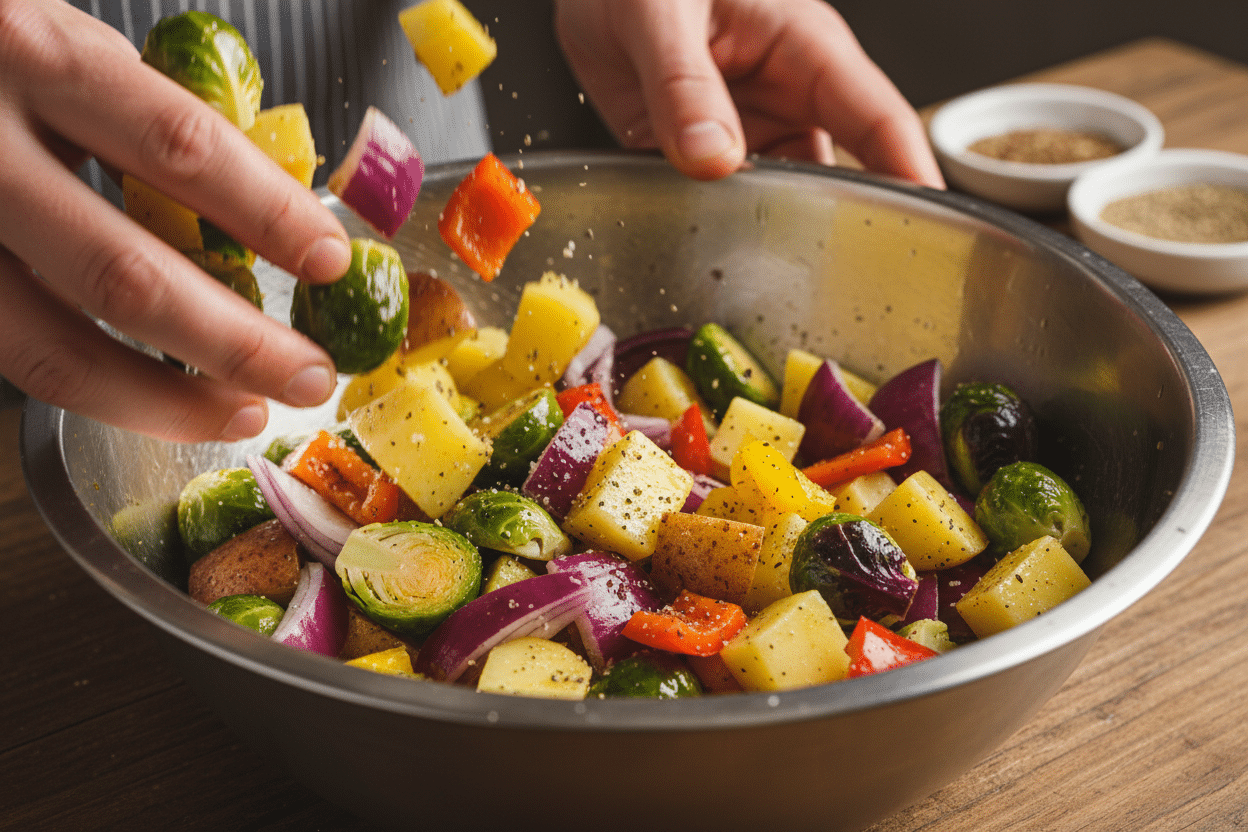
- Toss with Oil and Seasonings: In a large bowl, combine your cut vegetables. Drizzle generously with your chosen oil (olive or avocado oil). Use enough oil to lightly coat all the vegetables, but not so much that they’re swimming in it. Season liberally with salt and freshly ground black pepper. Add any herbs or spices now, tossing thoroughly with your hands to ensure every piece is evenly coated.
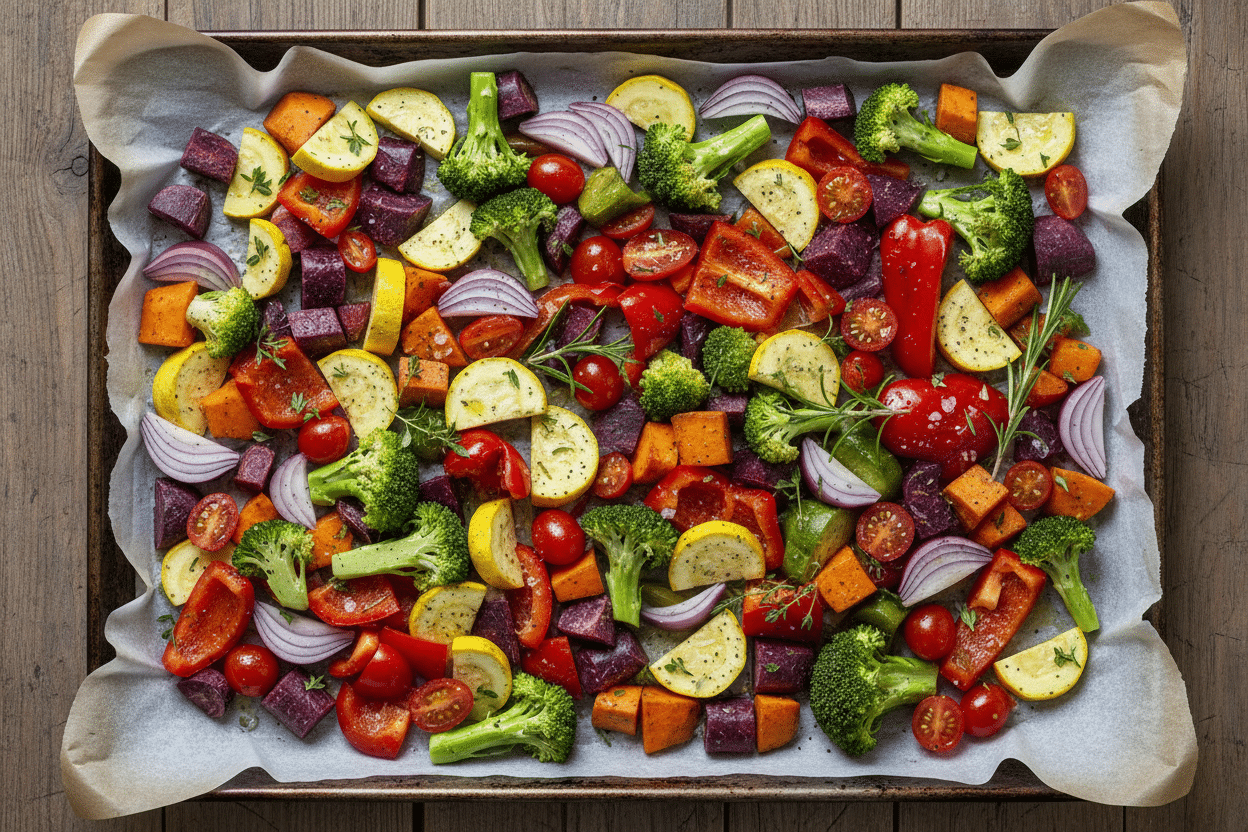
- Arrange on the Hot Sheet Pan: Carefully remove the hot sheet pan from the oven. Spread the seasoned vegetables in a single layer, ensuring they have plenty of space. Do not overcrowd the pan! Overcrowding causes vegetables to steam rather than roast, resulting in soggy, rather than crispy, results. If necessary, use two sheet pans.
- Roast Until Tender and Caramelized: Place the sheet pan(s) back into the hot oven. Roast for 20-45 minutes, depending on the type and size of your vegetables. Toss or flip the vegetables halfway through cooking to promote even browning and to achieve those irresistible caramelized roasted veggies.
- Check for Doneness: Vegetables are done when they are fork-tender on the inside and deeply browned and slightly crispy on the outside. Some will have beautiful charred edges, which is exactly what you want!
Expert Tips for Crispy, Caramelized Veggies
Achieving that coveted crispy texture and deep caramelization isn’t just luck; it’s about following a few key principles:
- High Heat is Your Friend: Don’t be afraid to crank up the temperature. Roasting at 400-425°F (200-220°C) is essential for browning and crisping.
- Don’t Overcrowd the Pan: This is arguably the most critical tip. Give your vegetables room! If they’re packed too tightly, the moisture they release will turn into steam, preventing browning and making them soft rather than crispy. Use two pans if needed.
- Preheat the Pan: Placing your sheet pan in the oven while it preheats ensures that the vegetables hit a scorching hot surface, kick-starting the caramelization process immediately.
- Dry Veggies Thoroughly: We mentioned it before, but it bears repeating. Moisture is the enemy of crispiness. Pat those veggies dry!
- Use Enough Oil: Oil helps transfer heat, promotes browning, and makes the vegetables taste fantastic. Aim for a light, even coating.
- Resist the Urge to Peek (Too Often): Opening the oven frequently drops the internal temperature, extending cooking time and hindering crisping. Let them roast, giving them one good toss halfway through.
- Finish with a Flourish: A squeeze of lemon juice or a drizzle of balsamic glaze right after roasting can brighten flavors and add a beautiful sheen.
“The magic of roasting lies in allowing the natural sugars to caramelize. Patience, high heat, and space on the pan are your golden tickets to flavor perfection.” – The Savvy Foodie
Flavor Variations and Seasoning Ideas
Once you’ve mastered the basic technique, the possibilities for flavor are endless! Transform your roasted creations with these ideas:
- Garlic & Herbs: Toss with minced garlic, fresh rosemary, thyme, or oregano. Dried herbs work well too – think Italian seasoning, Herbes de Provence, or a simple blend of dried basil and marjoram.
- Spicy Kick: Add a pinch of red pepper flakes, smoked paprika, or a dash of cayenne pepper for a warming heat. A sprinkle of chili powder or cumin can also add a delightful complexity.
- Sweet & Savory: A touch of maple syrup or honey drizzled over root vegetables (like carrots or sweet potatoes) before roasting enhances their natural sweetness and promotes even deeper caramelization.
- Zesty Brightness: Finish with a squeeze of fresh lemon juice or lime juice after roasting to lift and brighten all the flavors. A dash of lemon zest can also add a beautiful aromatic note.
- Balsamic Glaze: Drizzle a store-bought or homemade balsamic glaze over the finished vegetables for a tangy, sweet, and sophisticated touch.
- Cheese Please: For the last 5-10 minutes of roasting, sprinkle with grated Parmesan cheese. The cheese will melt and get slightly crispy, adding a salty, umami kick.
- Global Flavors:
- Mediterranean: Olives, sun-dried tomatoes, and a sprinkle of feta cheese after roasting.
- Asian-Inspired: A splash of soy sauce (or tamari), sesame oil, and ginger with a sprinkle of sesame seeds.
- Indian-Spiced: Curry powder, turmeric, and a hint of garam masala.
Experiment with different combinations to find your favorites! The goal is to complement and elevate the natural goodness of the vegetables.
What to Serve with Roasted Vegetables
This versatile dish pairs beautifully with a wide array of main courses, making it the perfect accompaniment for almost any meal.
- Classic Comfort: Serve alongside a hearty roasted chicken, a flaky baked fish, or succulent pan-seared scallops.
- Meat Lovers’ Delight: These richly flavored vegetables are an incredible counterpoint to a perfectly grilled steak, a slow-cooked beef roast, or a juicy beef tenderloin. The sweetness of the caramelized veggies beautifully complements the savory notes of the beef.
- Vegetarian Feast: Elevate a simple grain bowl with a generous serving of mixed vegetables, or pair them with a protein-rich lentil soup or a creamy polenta. They can also stand alone as a light, satisfying meal.
- Brunch Bliss: Don’t reserve them just for dinner! Roasted vegetables are fantastic with scrambled eggs, quiches, or as part of a savory breakfast hash.
- Meal Prep Powerhouse: Roast a large batch at the beginning of the week and add them to salads, wraps, or as a quick side for lunch and dinner throughout the busy week.
No matter what you’re serving, a plate of these vibrant and flavorful vegetables is sure to enhance the dining experience.
Storing and Reheating Leftovers
While roasted vegetables are best enjoyed fresh from the oven, leftovers are still delicious and make for easy meal prep.
- Storage: Allow the vegetables to cool completely to room temperature before storing them. Place them in an airtight container and refrigerate for up to 3-4 days. For longer storage, you can freeze roasted vegetables for up to 2-3 months, though their texture may become softer upon thawing.
- Reheating:
- Oven (Recommended for Crispness): Spread the cold vegetables in a single layer on a baking sheet. Reheat in a preheated oven at 375°F (190°C) for 10-15 minutes, or until warmed through and slightly re-crisped.
- Air Fryer: A fantastic option for re-crisping! Heat in an air fryer at 350°F (175°C) for 5-8 minutes, shaking the basket halfway through.
- Microwave: While convenient, the microwave tends to make vegetables soft and slightly soggy, losing their crispy edges. If using, heat in short bursts until warm.
Leftovers are perfect for adding to salads, grain bowls, frittatas, or even blending into a creamy vegetable soup.
Frequently Asked Questions (FAQ)
What temperature is best for roasting vegetables?
A high temperature, typically between 400°F (200°C) and 425°F (220°C), is ideal. This high heat encourages quick browning and caramelization, leading to that desirable crispy exterior and tender interior.
Do I need to peel all vegetables?
Not necessarily! Many vegetables, like potatoes, carrots, parsnips, and sweet potatoes, can be roasted with their skins on for added nutrients and rustic appeal, provided they are thoroughly washed and scrubbed. For others, like beets or turnips, peeling can be a matter of preference.
How long do roasted vegetables last?
Properly stored in an airtight container in the refrigerator, roasted vegetables will generally last for 3-4 days. For optimal taste and texture, it’s best to consume them within a day or two.
Can I roast frozen vegetables?
Yes, you absolutely can! Spread frozen vegetables in a single layer on a preheated baking sheet (do not thaw first, as this makes them watery). Roast at a slightly higher temperature, around 425-450°F (220-230°C), for 25-40 minutes, tossing halfway. They may take longer and won’t get quite as crispy as fresh, but it’s a convenient option.
Why are my roasted vegetables soggy?
Soggy vegetables are usually a result of too much moisture. Ensure your vegetables are thoroughly dry before oiling, don’t overcrowd the pan (use multiple pans if needed), and roast at a high enough temperature. Overcrowding causes steaming instead of roasting.
Ready to transform your meals with vibrant, flavorful, and easy-to-make roasted vegetables? Give this method a try and prepare to be amazed!
For more delicious recipes, cooking tips, and behind-the-scenes glimpses into our kitchen, be sure to follow our community on Facebook! Find us at https://www.facebook.com/profile.php?id=61568538666337. We can’t wait to connect with you!
Easy Oven Roasted Mixed Vegetables
Ingredients
- 2 cups Potatoes Diced into 1-inch cubes
- 2 cups Brussels sprouts Trimmed and halved
- 1 large Red onion Chopped into thick chunks
- 2 large Bell peppers Seeded and chopped
- 2 cups Carrots Peeled and chopped into 1-inch pieces
- 1 bunch Asparagus Trimmed and cut into 2-inch pieces
- 3 tbsp Olive oil Or avocado oil
- 1 tsp Salt To taste
- 0.5 tsp Black pepper Freshly ground
- 1 tsp Garlic powder Optional
Instructions
- Preheat your oven to 425F (220C) and line a large, rimmed baking sheet with parchment paper or aluminum foil.
- Chop the potatoes, brussels sprouts, red onion, bell peppers, and carrots into relatively uniform, bite-sized pieces to ensure they cook evenly. Leave the asparagus aside for now.
- Place the chopped root vegetables, brussels sprouts, onion, and peppers into a large mixing bowl. Drizzle with olive oil, then sprinkle with salt, black pepper, and garlic powder. Toss thoroughly until all the vegetables are well coated.
- Spread the coated vegetables in a single, even layer on the prepared baking sheet. Ensure they are not overcrowded so they roast rather than steam.
- Roast in the preheated oven for 20 minutes. Remove the baking sheet, gently toss the vegetables, and add the prepared asparagus pieces to the pan.
- Return the baking sheet to the oven and roast for an additional 10 to 15 minutes, or until all vegetables are fork-tender and feature nicely caramelized, crispy edges. Serve hot.
For more daily recipes and tips, follow us on Facebook!
Click here to join our community!