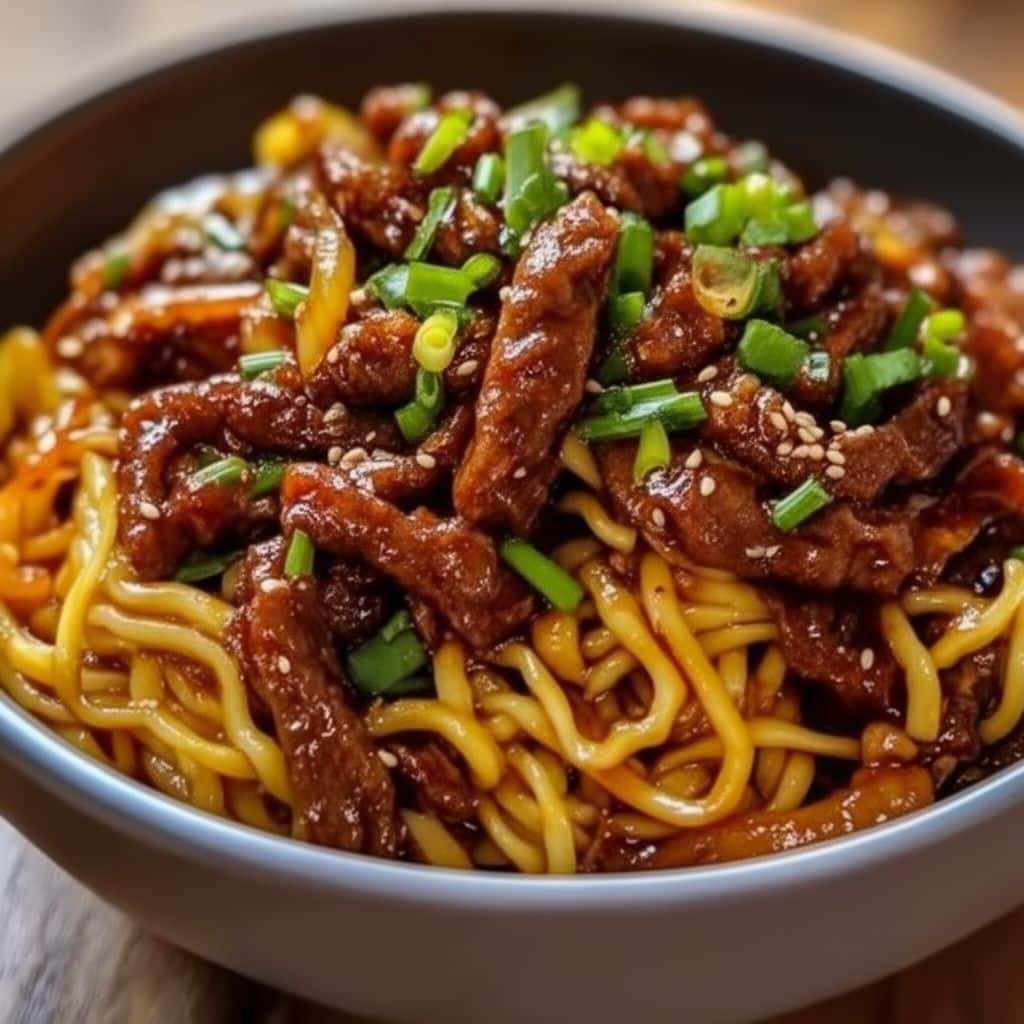
There’s nothing quite like a steaming bowl of noodles, especially when they’re coated in a rich, glossy sauce and tossed with tender strips of beef. Today, we’re diving into a dish that’s quickly become a star in my kitchen: the utterly irresistible Sticky Beef Noodles. This isn’t just another weeknight meal; it’s a vibrant, flavor-packed experience that brings the deliciousness of your favorite Asian eatery right to your dinner table. Forget takeout – once you master this recipe, you’ll be craving these homemade beauties every week!
Why You’ll Love These Sticky Beef Noodles
Imagine perfectly cooked noodles intertwined with succulent, savory beef strips, all enveloped in a deeply flavored, sweet and savory sauce that clings to every strand. That’s exactly what you get with this recipe. It’s the ultimate quick weeknight dinner solution, designed to deliver maximum flavor with minimal fuss. These easy Asian beef noodles are a true game-changer, proving that incredible food doesn’t have to take hours to prepare.
Beyond its speed, the charm of this dish lies in its incredible balance. The richness of the beef, the punch of ginger and garlic, and the irresistible sweetness from the soy glaze create a symphony of tastes that makes it a consistent weeknight family favorite. It’s satisfying, comforting, and guaranteed to put a smile on everyone’s face. Plus, watching that sauce come together, thick and glossy, is pure culinary magic!
Key Ingredients for the Perfect Stir-Fry
Creating truly exceptional stir-fried noodles starts with understanding your ingredients. Here’s what you’ll need to gather to achieve that incredible texture and flavor:
- Beef: About 1-1.5 pounds (450-680g) of your chosen cut, thinly sliced against the grain.
- Noodles: 1 pound (450g) fresh or dried egg noodles, ramen, or lo mein noodles.
- Aromatics: Fresh ginger and garlic, minced.
- Vegetables: Bell peppers (any color), carrots, broccoli florets, or snap peas.
- Sauce Base: Soy sauce, oyster sauce (optional, for depth), rice vinegar, brown sugar, cornstarch, and a touch of sesame oil.
- Optional Kick: A dash of chili flakes or sriracha if you like a little heat.
Choosing the Right Cut of Beef (Flank, Sirloin, or Skirt Steak)
The secret to tender, juicy beef in your stir-fry begins with selecting the right cut. For a dish like this, you want something that cooks quickly and remains tender when sliced thinly. Here are my top recommendations:
- Flank Steak: A lean cut with a robust beefy flavor. It’s best when sliced very thinly against the grain to ensure tenderness.
- Sirloin Steak: Offers a good balance of flavor and tenderness. Top sirloin is a fantastic choice for stir-fries and generally more affordable than some other premium cuts.
- Skirt Steak: Known for its rich flavor and loose grain, which makes it very tender when sliced correctly. Like flank steak, it must be sliced against the grain to prevent chewiness.
No matter which cut you choose, remember to slice the beef against the grain into thin, bite-sized strips. This breaks up the muscle fibers, making the beef wonderfully tender.
The Secret to a Sticky Soy Glaze
The glaze is truly the star of these noodles, transforming simple ingredients into a deeply flavored, irresistible coating. My secret to this perfect soy glazed beef strips sauce lies in a careful balance of sweet, savory, and tangy elements, thickened just enough to cling beautifully to the noodles and beef.
We combine rich soy sauce, a touch of tangy rice vinegar, and a generous amount of brown sugar for that essential sweetness and caramelization. A hint of oyster sauce (if you use it) adds umami depth, while minced fresh ginger and garlic infuse the glaze with aromatic warmth. The magic happens with cornstarch, which, when cooked, thickens the liquid into that wonderfully savory beef stir-fry glaze you crave. For an extra layer of flavor and a subtle warming heat, I often add a splash of sweet chili sauce – this helps create that delicious sweet chili beef note that keeps you coming back for more.
Step-by-Step Instructions
Ready to whip up this amazing dish? Let’s get cooking!
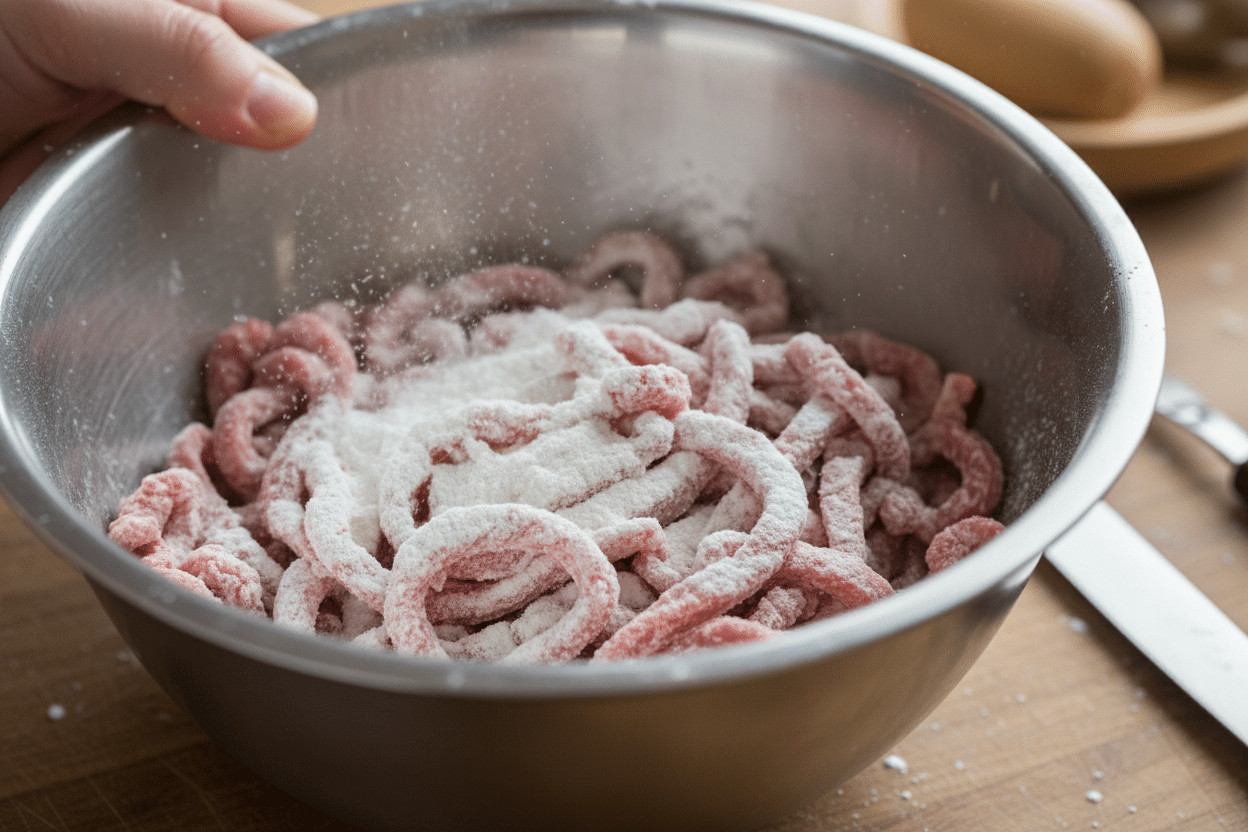
- Prepare the Beef: Slice your chosen beef cut very thinly against the grain. In a bowl, toss the beef with 1 tablespoon of soy sauce, 1 tablespoon of rice vinegar, and 1 tablespoon of cornstarch. Let it marinate for at least 15-20 minutes while you prep other ingredients. This step is crucial for tenderizing the beef and is part of the “velveting” process.
- Cook the Noodles: Cook your noodles according to package directions until al dente. Drain, rinse briefly with cold water to prevent sticking, and toss with a tiny drizzle of sesame oil. Set aside.
- Whisk the Sauce: In a medium bowl, whisk together 1/2 cup soy sauce, 1/4 cup brown sugar, 2 tablespoons rice vinegar, 1 tablespoon oyster sauce (optional), 1 tablespoon sweet chili sauce (optional), 2 teaspoons sesame oil, and 1 tablespoon cornstarch. Add 1/4 cup water or beef broth to loosen it slightly. Set aside.
- Sauté the Vegetables: Heat 1 tablespoon of vegetable oil in a large wok or skillet over high heat until shimmering. Add your harder vegetables first (like carrots and broccoli) and stir-fry for 2-3 minutes until slightly tender-crisp. Remove them from the wok and set aside.
- Cook the Beef: Add another tablespoon of oil to the hot wok. Once smoking, add the marinated beef in a single layer, making sure not to overcrowd the pan. Cook for 1-2 minutes per side until beautifully browned and cooked through. Remove the beef from the wok and set aside with the vegetables. You want a good sear here!
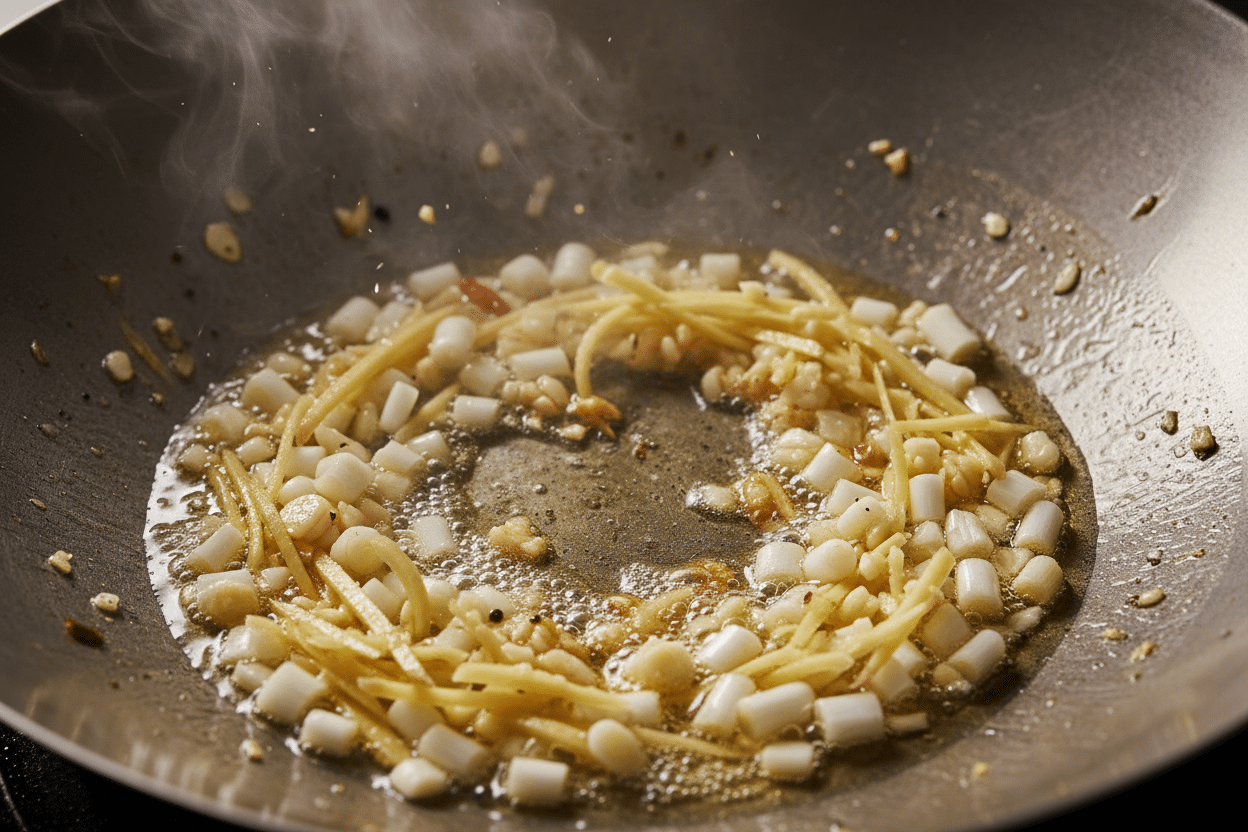
- Build the Stir-Fry: Reduce the heat slightly if needed, then add 1 tablespoon of fresh minced ginger and 2 cloves of minced garlic to the wok. Sauté for 30 seconds until fragrant, being careful not to burn.
- Add Sauce and Thicken: Give your prepared sauce a quick re-whisk and pour it into the wok. Bring to a gentle simmer, stirring constantly. The sauce will thicken rapidly as the cornstarch activates, forming that luscious, sticky glaze.
- Combine Everything: Add the cooked noodles, seared beef, and sautéed vegetables back into the wok. Toss everything together vigorously until all the noodles, beef, and veggies are evenly coated in the glorious sticky sauce.
- Serve Immediately: Garnish with sesame seeds and chopped green onions if desired, and serve hot. Enjoy your incredible homemade Mongolian beef stir fry inspired noodles!
Pro Cooking Tips for Mongolian Beef Noodles
Achieving restaurant-quality results at home is all about a few key techniques. These tips will elevate your savory beef stir-fry to legendary status:
Velveting the Beef
Velveting is a traditional Chinese cooking technique that tenderizes meat and protects it from overcooking, resulting in wonderfully silky and moist beef.
This process involves marinating thinly sliced beef in a mixture that typically includes cornstarch, soy sauce, and sometimes egg white or baking soda. For this recipe, the cornstarch and soy sauce in the initial marinade are key. The cornstarch creates a protective coating around the meat, sealing in moisture and ensuring the beef stays incredibly tender and juicy during the high-heat stir-frying process. Don’t skip this step – it makes a noticeable difference!
Wok Hei: Achieving High Heat
The term “Wok Hei” (or “breath of the wok”) refers to the complex smoky aroma and distinct flavor imparted to food cooked rapidly in a wok over intense heat. While a home stove might not perfectly replicate a professional wok burner, you can still get close:
- Use a Wok or Large Skillet: Cast iron or carbon steel woks are ideal because they retain heat exceptionally well. If you don’t have a wok, a large, heavy-bottomed skillet will work.
- Preheat, Preheat, Preheat: Get your wok or skillet screaming hot before adding oil. You should see wisps of smoke. This intense heat sears the food quickly, creating those desirable caramelized edges.
- Don’t Overcrowd: Cook ingredients in batches if necessary. Overcrowding lowers the pan’s temperature, steaming the food instead of stir-frying it, which prevents proper browning and can make your beef tough.
Variations and Substitutions
This recipe for easy Asian beef noodles is incredibly versatile! Feel free to adapt it to your taste or what you have on hand:
- Noodle Choices: While egg noodles are classic, feel free to use udon, rice noodles (ensure they are stir-fry friendly), or even spaghetti in a pinch!
- Vegetable Medley: Experiment with different vegetables. Snow peas, bok choy, mushrooms, bamboo shoots, or water chestnuts would all be delicious additions. Add them according to their cooking time – harder veggies first, softer ones later.
- Spice Level: For more heat, increase the amount of sweet chili sauce or add a pinch of dried red chili flakes to the sauce. A dash of sriracha at the end works wonders too.
- Gluten-Free Option: Use tamari instead of soy sauce and ensure your other ingredients (like oyster sauce, if used) are certified gluten-free.
- Aromatics: No fresh ginger? Ground ginger can be used, but fresh offers a brighter flavor. For an extra garlic punch, add a tiny bit of garlic powder to your beef marinade.
How to Store and Reheat Leftovers
One of the best things about this weeknight family favorite is that it often tastes even better the next day as the flavors meld! Here’s how to store and reheat your leftovers:
- Storage: Allow the noodles to cool completely before transferring them to an airtight container. They will keep well in the refrigerator for 3-4 days.
- Reheating (Microwave): For a quick reheat, place a portion in a microwave-safe dish and heat on medium power, stirring occasionally, until warmed through. You might want to add a tiny splash of water or broth to help loosen the noodles.
- Reheating (Stovetop): The best way to reheat is on the stovetop. Heat a little oil in a wok or skillet over medium-high heat. Add the noodles and stir-fry gently until heated through, adding a splash of water or broth if they seem too dry. This method helps restore some of that fresh stir-fried texture.
Frequently Asked Questions (FAQs)
- Can I prepare any components ahead of time?
- Absolutely! You can slice the beef and prepare the marinade a day in advance. The sauce can also be whisked together and stored in the fridge. This makes assembly on a busy weeknight even faster.
- My sauce isn’t thickening. What went wrong?
- Ensure your cornstarch is well-whisked into the liquid and the sauce is brought to a gentle simmer. Cornstarch needs heat to activate its thickening properties. If it’s still too thin, you can make a quick slurry with 1 teaspoon of cornstarch mixed with 1 tablespoon of cold water, then whisk it into the simmering sauce until it reaches your desired consistency.
- What vegetables pair best with this dish?
- Any quick-cooking stir-fry friendly vegetables work well! Besides the suggestions above, consider mushrooms, red onion, baby corn, or green beans. The key is to cut them into similar sizes for even cooking.
I truly hope you enjoy making and devouring these incredible Sticky Beef Noodles as much as I do. They’re a testament to how simple ingredients, when handled with a little care, can create truly unforgettable meals. Happy cooking!
If you loved this recipe, make sure to follow us on Facebook for more delicious ideas, cooking tips, and behind-the-scenes glimpses into my kitchen. Find us at https://www.facebook.com/profile.php?id=61568538666337!
Sticky Beef Noodles
Ingredients
- 12 oz Fresh egg noodles or udon noodles
- 1 lb Flank steak Thinly sliced against the grain
- 2 tbsp Cornstarch
- 2 tbsp Vegetable oil Divided use
- 3 cloves Garlic Minced
- 1 tbsp Fresh ginger Grated
- 1/3 cup Low-sodium soy sauce
- 1 tbsp Dark soy sauce
- 1/4 cup Brown sugar Packed
- 4 stalks Green onions Chopped, white and green parts separated
- 1 tbsp Sesame seeds For garnish
Instructions
- Cook the noodles according to the package instructions until slightly underdone, then drain, rinse under cold water, and set aside.
- In a medium bowl, toss the thinly sliced beef with cornstarch until the strips are evenly coated.
- In a small bowl, whisk together the low-sodium soy sauce, dark soy sauce, and brown sugar to create the sauce mixture.
- Heat 1 tablespoon of vegetable oil in a wok or large skillet over high heat. Add the beef strips in a single layer and sear for 2 to 3 minutes per side until browned and crispy, then remove and set aside.
- Add the remaining 1 tablespoon of oil to the skillet. Stir in the minced garlic, grated ginger, and the white parts of the green onions. Stir-fry for 1 minute until fragrant.
- Pour the sauce mixture into the skillet. Bring it to a simmer and let it bubble for 1 to 2 minutes until the glaze thickens slightly.
- Return the cooked beef to the skillet, then add the cooked noodles and the green parts of the green onions. Toss everything together vigorously for 2 minutes until the noodles and beef are fully coated and heated through.
- Remove from heat, garnish with sesame seeds, and serve immediately.
For more daily recipes and tips, follow us on Facebook!
Click here to join our community!