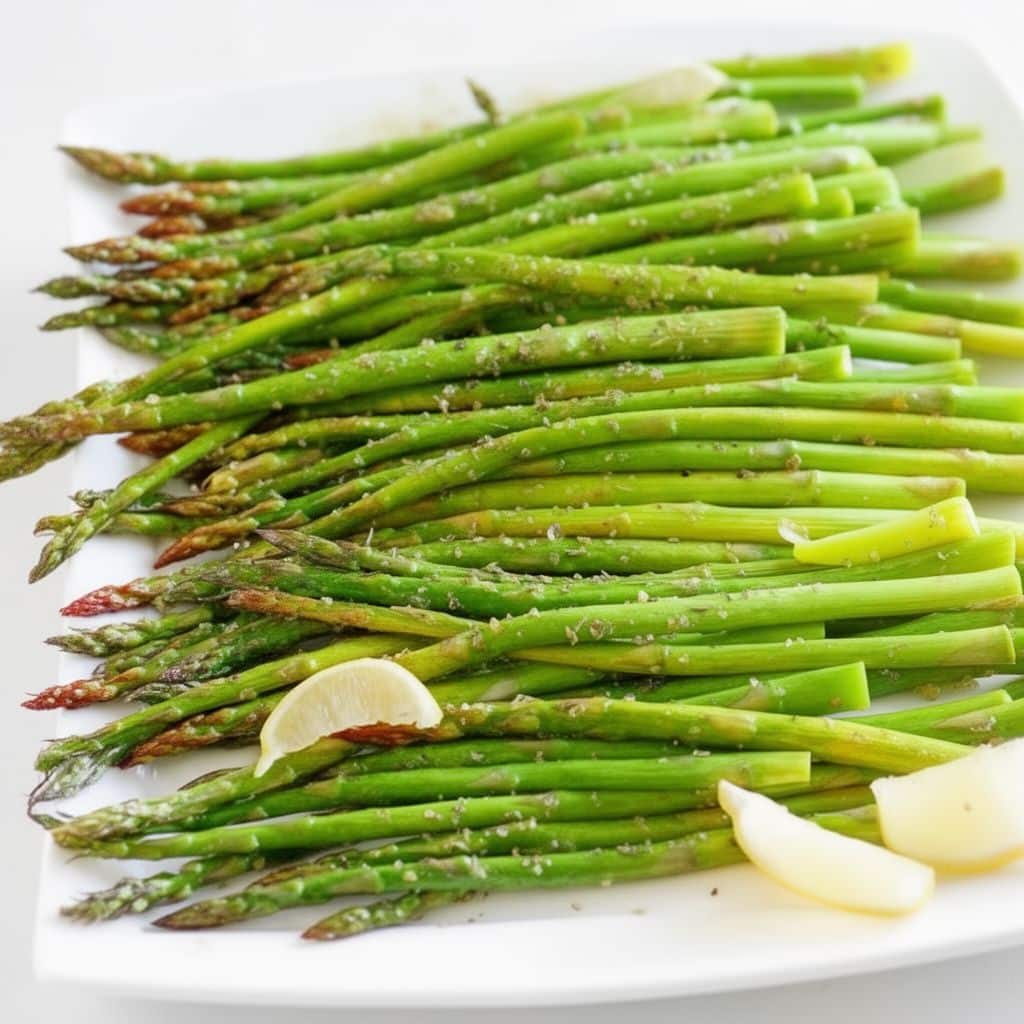
Roasted Asparagus Za’atar: The Ultimate Spring Side Dish
There’s a special magic that happens when fresh, vibrant asparagus meets the bold, aromatic flavors of Za’atar. This dish, Roasted Asparagus Za’atar, is more than just a side; it’s a celebration of spring, a testament to simple ingredients transformed into something extraordinary. Forget bland vegetables; this recipe brings a burst of flavor and texture to any meal, proving that healthy eating can be incredibly delicious and exciting.
Why You Will Love This Roasted Asparagus Za’atar
You’re about to discover your new favorite way to enjoy asparagus. This recipe isn’t just easy; it’s a revelation of flavor and simplicity. It’s a fantastic quick healthy side dish, perfect for weeknights when time is short but you crave something special. The combination of tender-crisp asparagus with the zesty, earthy za’atar creates an irresistible medley that complements almost any main course. For those seeking plant-based options, this is also a stellar vegan asparagus recipe, bursting with nutrients and incredible taste. It ticks all the boxes for an easy vegetable side dish, making it a go-to for busy cooks who still want to impress.
“Simplicity, when paired with quality ingredients and balanced flavors, creates culinary magic. This asparagus dish is a prime example.”
What is Za’atar Seasoning?
Before we dive into the cooking, let’s talk about the star spice: Za’atar. If you’re not familiar with it, prepare to have your palate awakened. Za’atar is more than just a spice blend; it’s a cornerstone of Middle Eastern side dishes and culinary traditions, revered for its unique taste and versatility.
The History and Origins
Za’atar’s roots run deep through the Middle East, with variations found across the Levant, encompassing countries like Lebanon, Syria, Jordan, and Palestine. Historically, it was a staple food, often eaten for breakfast with olive oil and bread. The name itself can refer to both the herb (wild thyme or hyssop) and the blend, highlighting its central role in the region’s diet and culture. It’s a blend that carries centuries of tradition and flavor in every pinch.
Key Flavor Profiles
The magic of Za’atar lies in its complex flavor profile. While variations exist, the typical blend features a harmonious trio: dried thyme (or oregano/marjoram), toasted sesame seeds, and sumac. The thyme offers an aromatic, slightly minty, earthy base. The sesame seeds contribute a nutty depth and a delightful crunch. But it’s the sumac that truly elevates Za’atar, imparting a distinctive tangy, almost citrusy brightness that is utterly unique. Together, these ingredients create a symphony of savory, nutty, and bright notes, making it incredibly addictive and perfect for za’atar seasoning recipes.
Essential Ingredients for This Recipe
The beauty of this roasted asparagus lies in its simplicity. With just a few high-quality ingredients, you can create a truly memorable dish.
Choosing the Best Asparagus
For the finest results, selecting fresh, vibrant asparagus is paramount. Look for spears that are firm to the touch, with bright green stalks and tightly closed, purplish tips. Avoid any that look limp, dry, or have open, flowering tips. Thicker spears tend to roast better, becoming tender without turning mushy, while thinner ones can cook very quickly and become stringy if overdone. Aim for medium-thick spears for the ideal balance of crispness and tenderness.
The Importance of Fresh Lemon
Do not underestimate the power of fresh lemon in this recipe. While Za’atar brings a beautiful tang with its sumac, a squeeze of fresh lemon juice at the end brightens every single flavor, tying the whole dish together with a vibrant, zesty finish. It transforms plain baked asparagus with lemon into something truly spectacular, enhancing the earthy asparagus and the robust Za’atar. Think of it as the final, essential flourish that makes this lemon roasted asparagus sing.
Step-by-Step Guide to Perfect Roasted Asparagus
Mastering roasted asparagus is simple, but a few key steps ensure perfection every time – tender on the inside, beautifully charred and crisp on the outside.
Preparing the Asparagus
First, give your asparagus a good rinse under cold water. The trickiest part is often trimming the woody ends. Instead of cutting, simply hold a spear near the bottom and bend it gently until it snaps naturally. This is usually where the tough, fibrous part meets the tender stalk. Discard the woody ends. For consistency, you can line up the rest of the spears and cut them at roughly the same point as your “snapped” spear. Pat the asparagus thoroughly dry with a clean kitchen towel or paper towels; excess moisture can steam the asparagus instead of roasting it, leading to a less desirable texture.
Tossing with Oil and Spices
In a large bowl, combine the dried asparagus spears with a good drizzle of olive oil. You want enough to lightly coat each spear without drowning them. Season generously with a pinch of salt and freshly ground black pepper. Now, for the star: sprinkle a generous amount of Za’atar seasoning over the asparagus. Use your hands to gently toss and coat every spear evenly. This ensures that each bite is infused with the wonderful flavors, making it one of those truly satisfying za’atar seasoning recipes.
Roasting to Perfection
Preheat your oven to a high temperature, around 400°F (200°C). This high heat is crucial for achieving that desirable crisp-tender texture. Arrange the seasoned asparagus in a single layer on a large baking sheet. Do not overcrowd the pan; this is vital for proper roasting and browning. If you have too many spears, use two baking sheets. Roast for 10-15 minutes, depending on the thickness of your asparagus and your desired level of tenderness. The spears should be bright green, slightly tender when pierced with a fork, and have beautifully caramelized, slightly charred edges. A squeeze of fresh lemon juice immediately after they come out of the oven finishes them perfectly.
Pro Tips for Crisp and Tender Asparagus
Achieving that ideal balance of crispness and tenderness in your roasted asparagus isn’t difficult with a few insider tricks.
Temperature Matters
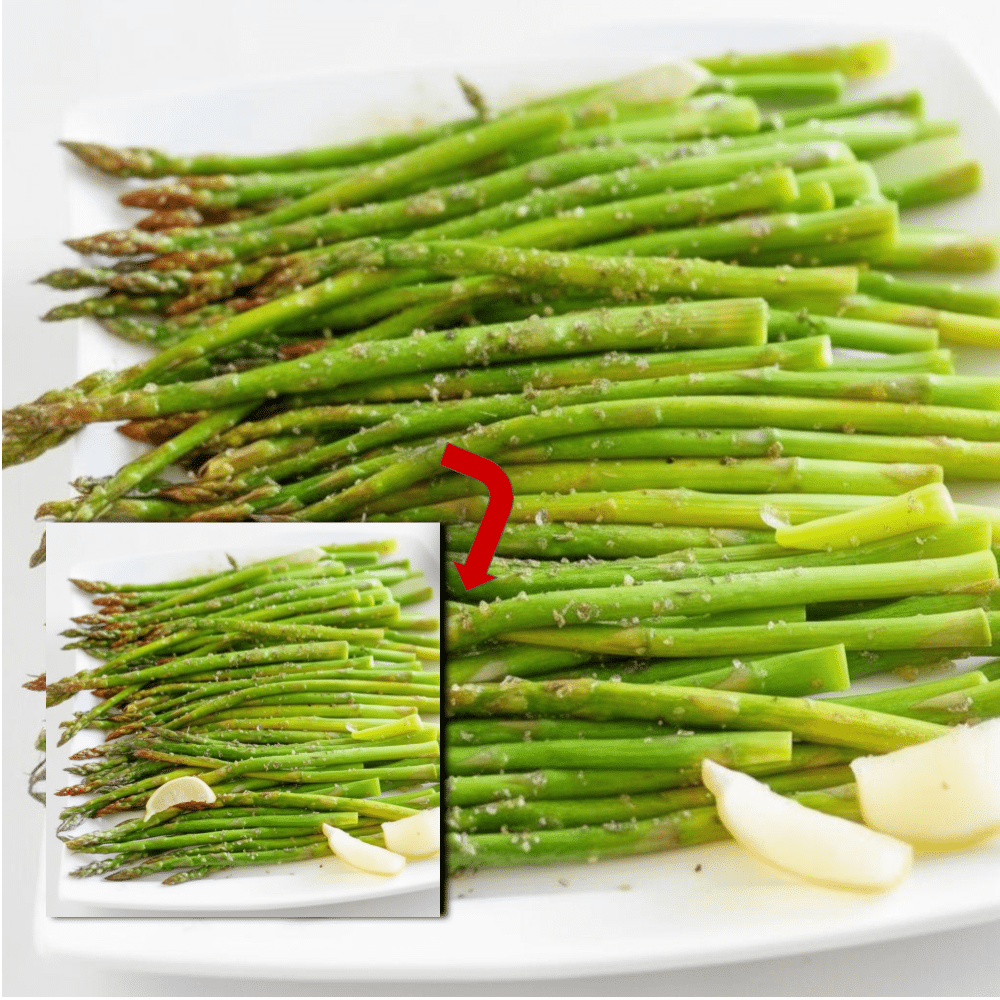
A hot oven is your best friend when roasting vegetables, especially asparagus. Roasting at 400°F (200°C) or even 425°F (220°C) ensures that the exterior of the asparagus browns and crisps up quickly, while the inside cooks through to a tender state without becoming mushy. If the oven isn’t hot enough, the asparagus will steam and turn soft rather than develop those delicious roasted notes.
Avoiding the Soggy Asparagus Trap
The biggest enemy of perfectly roasted asparagus is moisture and overcrowding. As mentioned, ensure your asparagus is thoroughly dry before tossing with oil and spices. More importantly, give the spears plenty of space on the baking sheet. If they’re too close together, they’ll release moisture, creating steam, which will lead to soggy, pale asparagus instead of beautifully roasted, vibrant green spears with crisp edges. When in doubt, use two baking sheets.
What to Serve with Asparagus Za’atar
This versatile dish truly shines as a companion to a wide array of main courses. It’s a delightful addition to any meal, enhancing flavors without overpowering them.
Pairing with Proteins
Roasted Asparagus Za’atar makes an excellent accompaniment to various proteins. Its bright, earthy flavors beautifully complement grilled chicken, offering a fresh contrast. It pairs wonderfully with pan-seared fish like salmon or cod, where the Za’atar adds an intriguing Middle Eastern twist. For heartier meals, consider serving it alongside roasted lamb or a perfectly cooked piece of steak or other flavorful beef dishes. The tang of the Za’atar and lemon cuts through rich flavors, balancing the plate. Even plant-based proteins like grilled halloumi, crispy baked tofu, or lentil patties find a fantastic partner in this vibrant side.
Integrating into Grain Bowls
Beyond being a simple side, this asparagus is phenomenal when integrated into more complex meals. Try building a delicious and healthy grain bowl: start with a base of fluffy quinoa, couscous, or farro. Add a generous serving of your roasted asparagus Za’atar, then layer with elements like cherry tomatoes, cucumber, crumbled feta (if not vegan), chickpeas, and perhaps a drizzle of tahini dressing. This transforms the side dish into a fulfilling, flavorful, and nutrient-packed main meal, perfect for a light lunch or dinner.
Storage and Reheating Instructions
If you happen to have any leftovers of this delicious dish, they store quite well. Allow the asparagus to cool completely before transferring it to an airtight container. It will keep fresh in the refrigerator for up to 3-4 days. To reheat, you can gently warm it in a microwave, though this might make it a little softer. For best results, spread the asparagus on a baking sheet and reheat in a preheated oven at 350°F (175°C) for about 5-7 minutes, or until warmed through, to help regain some of its crispness. A quick pan-fry in a dry skillet can also work wonders.
Frequently Asked Questions (FAQs)
Q: Can I use different vegetables with Za’atar?
A: Absolutely! While asparagus is fantastic, Za’atar seasoning is incredibly versatile. It works wonderfully with roasted cauliflower, broccoli, bell peppers, or even potatoes. It’s a great way to add a unique Middle Eastern flair to various spring vegetable recipes and beyond.
Q: What if I don’t have sumac? Can I still make Za’atar?
A: Most store-bought Za’atar blends already contain sumac. If you’re making your own and don’t have sumac, you can still proceed, but the blend will lack its characteristic tangy brightness. A very small pinch of citric acid or a little extra lemon juice could partially compensate, but the flavor won’t be identical. It’s truly a key component of authentic Za’atar.
Q: Is this recipe good for meal prepping?
A: Yes, it’s excellent for meal prepping! You can roast a larger batch and portion it out for lunches throughout the week. While the asparagus might lose a little crispness upon reheating, the flavors remain delicious, making it a convenient and healthy addition to your meal prep routine.
Q: Can I make this with frozen asparagus?
A: Fresh asparagus is highly recommended for the best texture and flavor. Frozen asparagus tends to release a lot of water when cooked, making it difficult to achieve that desired crisp-tender finish. If you must use frozen, thaw it completely and pat it extremely dry before roasting, and be prepared for a slightly softer result.
Q: What other dishes can I use Za’atar in?
A: Beyond roasted vegetables, Za’atar is fantastic sprinkled over hummus, labneh (strained yogurt), or avocado toast. It’s also delicious mixed into olive oil for dipping bread, rubbed on chicken before roasting, or even used to season scrambled eggs. There are countless za’atar seasoning recipes waiting to be explored!
Ready to bring the vibrant tastes of spring and the Middle East to your table? Give this easy, delicious roasted asparagus Za’atar recipe a try tonight!
For more delicious recipes, cooking tips, and culinary inspiration, be sure to follow our Facebook page: https://www.facebook.com/profile.php?id=61568538666337
Roasted Asparagus Za'atar
Ingredients
- 1 lb Asparagus Woody ends trimmed
- 1 tbsp Olive oil Extra virgin
- 1 tbsp Za'atar seasoning
- 1/2 medium Lemon Juiced
- 1/2 tsp Salt To taste
- 1/4 tsp Black pepper Freshly ground
Instructions
- Preheat your oven to 400F (200C) and line a rimmed baking sheet with parchment paper.
- Place the trimmed asparagus on the baking sheet. Drizzle with olive oil and toss to coat evenly.
- Sprinkle the za'atar seasoning, salt, and black pepper over the asparagus.
- Arrange the asparagus in a single layer to ensure even roasting.
- Roast in the preheated oven for 10 to 15 minutes, until tender and lightly charred at the tips.
- Remove from the oven and immediately squeeze fresh lemon juice over the hot asparagus before serving.
For more daily recipes and tips, follow us on Facebook!
Click here to join our community!