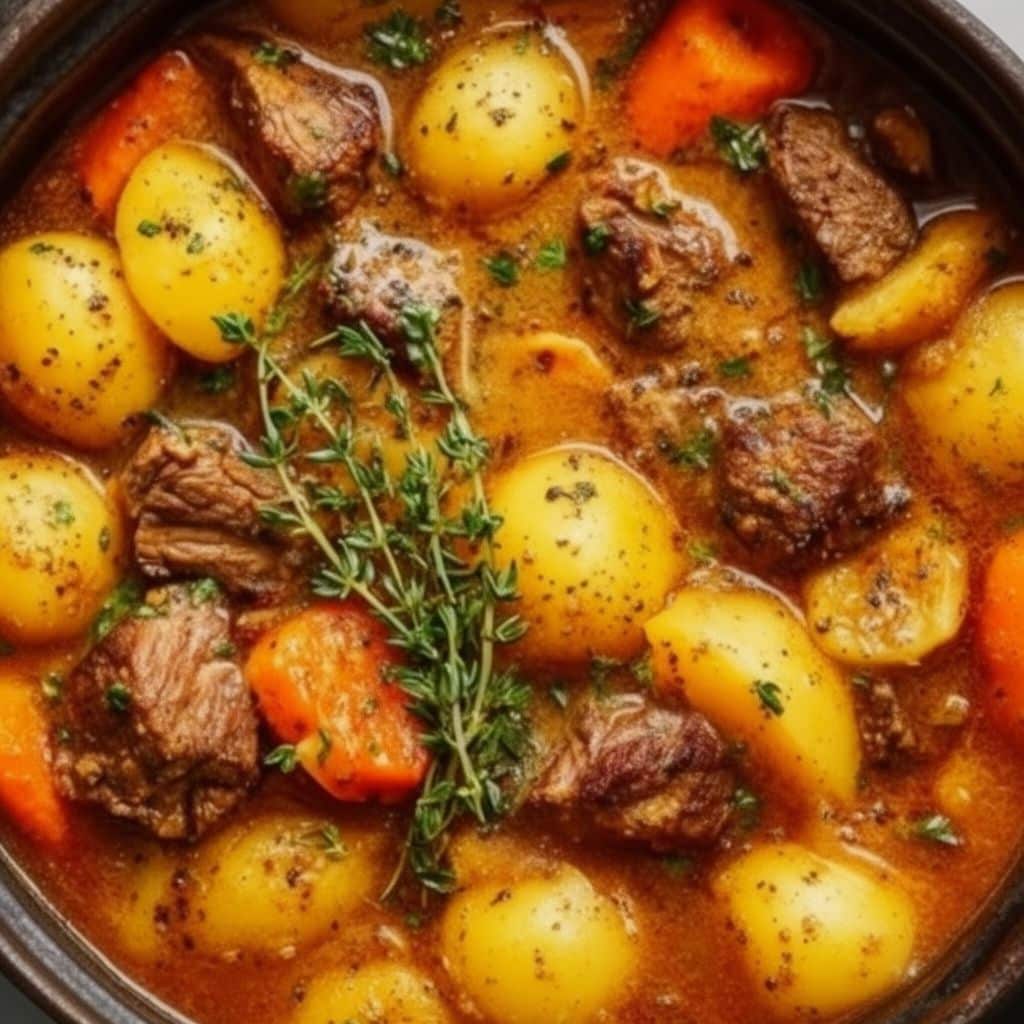
There’s something uniquely comforting about a simmering pot of stew on a chilly evening. The aroma fills the kitchen, promising warmth, flavor, and pure satisfaction. While countless variations exist, few deliver the sheer heartwarming delight of a classic Beef and Potato Stew. It’s more than just a meal; it’s an experience, a culinary hug in a bowl that brings everyone to the table.
This isn’t just any stew recipe; it’s designed to be a true showstopper, whether you’re a seasoned cook or just starting your culinary journey. Forget complicated steps and obscure ingredients. We’re going for maximum flavor with minimal fuss, ensuring every spoonful is rich, savory, and utterly delicious. Get ready to create a meal that will become a staple in your home, eagerly anticipated by family and friends alike.
The Ultimate Comfort Food for Family Dinner
In a world of fast-paced living, the ritual of gathering around a shared meal offers a precious pause. A deeply flavorful, hearty beef and vegetable stew embodies this perfectly. It’s one of those quintessential comfort food dinner ideas that instantly evokes feelings of home, warmth, and togetherness. There’s a rustic elegance to a well-made stew – robust enough to satisfy the hungriest appetite, yet tender and yielding with every bite.
The beauty of this stew lies in its simplicity and the way its flavors deepen and meld over time. It’s a dish that asks for patience, rewarding you with melt-in-your-mouth beef, tender stewed potatoes and carrots, and a rich, savory broth that coats every ingredient. Perfect for Sunday dinners, chilly weeknights, or any occasion that calls for a truly nourishing and soul-satisfying meal, it’s a dish that transcends generations and brings smiles to faces.
Choosing the Best Beef for Stew
The foundation of any great stew is, without a doubt, the meat. Selecting the best cuts of meat for stew is crucial for achieving that desirable tender, fall-apart texture. You want cuts with good marbling and connective tissue that will break down slowly during cooking, infusing the broth with incredible flavor and transforming into succulent morsels.
- Chuck Roast: This is my top recommendation. It’s flavorful, economical, and becomes incredibly tender when slow-cooked. Look for cuts with a good amount of marbling.
- Beef Brisket: While often associated with barbecue, brisket also excels in stews. Its collagen breaks down beautifully, resulting in rich, shreddable meat.
- Beef Short Ribs: For an exceptionally rich and luxurious stew, boneless beef short ribs are a fantastic choice. They offer intense beefy flavor and a silky texture.
- Stew Meat: Often pre-cut and sold as “stew meat,” this can be a convenient option. However, it’s typically cut from various parts of the animal, so ensure it looks well-marbled and not too lean.
Always opt for good quality, grass-fed beef if possible. Browning your beef thoroughly before stewing is another non-negotiable step. This creates a deeply caramelized crust, building a foundational layer of flavor that will elevate your entire stew.
Essential Ingredients for Hearty Beef Stew
Beyond the star ingredient, a truly hearty beef and vegetable stew relies on a cast of supporting characters to build its complex flavor profile. Each ingredient plays a vital role in creating that rich, savory, and incredibly satisfying experience.
The Aromatics and Vegetables
- Onions, Carrots, and Celery: The classic “mirepoix” forms the aromatic base. These vegetables sweeten and deepen the stew’s flavor as they cook down.
- Garlic: Indispensable for its pungent, savory notes.
- Potatoes: Yukon Golds or Russets are ideal. Yukon Golds hold their shape well and have a buttery texture, while Russets break down slightly, helping to thicken the stew. We’ll be focusing on delicious stewed potatoes and carrots.
- Tomato Paste: Adds a concentrated umami depth and a touch of sweetness, enhancing the richness of the broth.
The Liquid and Seasonings
- Beef Broth (or Stock): Choose a good quality, low-sodium beef broth to control the seasoning.
- Red Wine (Optional but Recommended): A dry red wine like Cabernet Sauvignon or Merlot adds incredible complexity and acidity, deglazing the pan and enhancing the savory notes.
- Fresh Herbs: Thyme and bay leaves are classic companions to beef. Rosemary also works beautifully.
- Worcestershire Sauce: A secret weapon for adding a punch of umami and a tangy depth.
- Salt and Freshly Ground Black Pepper: Essential for seasoning layers throughout the cooking process.
Step-by-Step Instructions for Stewed Potatoes and Beef
Making an easy beef stew recipe doesn’t mean sacrificing flavor. This method is straightforward, designed to maximize taste with clear, actionable steps. Follow along to create a truly memorable meal.
- Prepare the Beef: Pat 2-3 pounds of beef chuck, cut into 1.5-inch cubes, very dry with paper towels. Season generously with salt and pepper.
- Sear the Beef: In a large Dutch oven beef stew pot or heavy-bottomed pot, heat 2 tablespoons of olive oil over medium-high heat until shimmering. Working in batches to avoid overcrowding, sear the beef cubes until deeply browned on all sides. This creates a flavorful crust. Remove beef to a plate and set aside.
- Sauté Aromatics: Reduce heat to medium. Add 1 chopped large onion, 2-3 carrots (peeled and cut into 1-inch pieces), and 2 celery stalks (chopped) to the pot. Sauté for 5-7 minutes until softened, scraping up any browned bits from the bottom of the pot. Add 4-5 cloves of minced garlic and 2 tablespoons of tomato paste; cook for another 1-2 minutes until fragrant.
- Deglaze (Optional, but Recommended): Pour in 1 cup of dry red wine (or extra beef broth). Scrape the bottom of the pot with a wooden spoon to release all the flavorful “fond.” Let it simmer for 2-3 minutes until slightly reduced.
- Combine and Simmer: Return the seared beef to the pot. Add 4 cups of beef broth, 1 tablespoon of Worcestershire sauce, 2 sprigs of fresh thyme, and 2 bay leaves. Bring to a gentle simmer, then reduce heat to low, cover, and cook for 1.5 – 2 hours.
- Add Potatoes and Finish Cooking: After the initial simmering, add 1.5 pounds of peeled and cubed potatoes (Yukon Gold or Russet, 1-inch cubes). Continue to simmer, covered, for another 45-60 minutes, or until the beef is fork-tender and the potatoes are easily pierced.
- Thicken the Broth (Optional): If your broth isn’t as thick as you like, you can remove about 1/2 cup of broth, whisk in 1 tablespoon of cornstarch, then return it to the pot, stirring constantly until thickened. Alternatively, simply allow the stew to simmer uncovered for the last 15-20 minutes.
- Taste and Adjust: Remove bay leaves and thyme sprigs. Taste the stew and adjust seasoning with more salt and pepper as needed.
- Serve: Ladle hot stew into bowls. Garnish with fresh chopped parsley if desired.
For a slow cooker beef stew adaptation: After searing the beef and sautéing the aromatics (steps 1-4), transfer everything to your slow cooker. Add broth, Worcestershire, herbs, and seasonings. Cook on low for 6-8 hours or high for 3-4 hours. Add the potatoes during the last 1.5-2 hours of cooking.
Expert Tips for Tender Meat and Thick Broth
Achieving that perfect, restaurant-quality stew is all about a few key techniques:
For Unbelievably Tender Meat:
- Low and Slow is the Way: Patience is your best friend. Cooking the stew at a gentle simmer for an extended period allows the tough connective tissues in the beef to break down into gelatin, resulting in incredibly tender, melt-in-your-mouth meat. Don’t rush it!
- Even Cubes: Cut your beef into roughly uniform 1.5-inch cubes. This ensures even cooking and prevents some pieces from becoming overcooked while others are still tough.
- Browning is Crucial: Don’t skip or skimp on searing the beef. That deep brown crust (the Maillard reaction) creates unparalleled flavor, adding richness and complexity to the entire stew.
For a Rich, Thick Broth:
- Scrape the Fond: After searing the beef and sautéing the vegetables, use a wooden spoon to scrape up all the browned bits (fond) stuck to the bottom of the pot. This is pure flavor gold that will dissolve into your broth.
- Tomato Paste Power: Cooking the tomato paste for a minute or two before adding liquids concentrates its flavor and adds a deeper, sweeter note to the broth.
- Flour or Cornstarch Slurry: If you prefer a thicker broth, a slurry is your friend. Whisk 1-2 tablespoons of flour or cornstarch with an equal amount of cold water until smooth, then stir it into the simmering stew during the last 15-20 minutes of cooking.
- Natural Reduction: For a naturally thicker broth, simply remove the lid during the last 30 minutes of cooking and allow some of the liquid to evaporate, concentrating the flavors.
“The secret to a truly outstanding stew isn’t just the ingredients, it’s the time and care you put into developing those foundational layers of flavor, from the initial sear to the gentle, patient simmer.”
Variations and Add-Ins
While the classic beef and vegetable stew is perfect as is, it’s also wonderfully adaptable. Feel free to experiment with these additions to make it your own.
- Extra Vegetables: Stir in a cup of frozen peas or corn during the last 10 minutes of cooking. Sliced mushrooms can be added with the onions and carrots for an earthy depth.
- Herb Power: Experiment with different fresh herbs. A sprig of rosemary adds a wonderful piney note. A pinch of smoked paprika can introduce a subtle smoky warmth.
- Spice It Up: For a touch of heat, add a pinch of red pepper flakes with the garlic.
- Root Vegetable Medley: Replace some of the potatoes with parsnips, rutabaga, or sweet potatoes for different flavors and textures.
- Dark Beer: Instead of red wine, a stout or dark ale can be used to deglaze the pot, adding a unique malty depth to the stew.
- Dumplings: For an extra cozy touch, drop spoonfuls of your favorite biscuit or dumpling dough onto the simmering stew during the last 15-20 minutes of cooking.
Storing and Reheating Leftovers
One of the best things about stew is how incredible it tastes the next day. The flavors truly meld and deepen overnight, making leftovers a highly anticipated treat.
- Cool Completely: Allow the stew to cool down to room temperature before storing. This prevents condensation and helps maintain food safety.
- Airtight Containers: Transfer the cooled stew to airtight containers. Glass containers are excellent as they don’t stain or retain odors.
- Refrigeration: Store in the refrigerator for up to 3-4 days.
- Freezing: Stew freezes beautifully for longer storage. Portion into freezer-safe containers or heavy-duty freezer bags. It can be frozen for up to 3 months. Thaw overnight in the refrigerator before reheating.
Reheating:
For best results, reheat stew gently on the stovetop over medium-low heat, stirring occasionally, until heated through. If it seems too thick, add a splash of beef broth or water to reach your desired consistency. You can also reheat individual portions in the microwave, stirring halfway through.
Frequently Asked Questions
Can I make this an easy beef stew recipe in a slow cooker?
Absolutely! After searing your beef and sautéing the aromatics in a skillet (to build maximum flavor), transfer everything to your slow cooker. Add the remaining liquid and seasonings, then cook on low for 6-8 hours or on high for 3-4 hours. Add the potatoes during the last 1.5-2 hours of cooking to ensure they are tender but not mushy.
What are the best potatoes for stewed potatoes and carrots?
For stew, I recommend waxy potatoes like Yukon Gold or red potatoes, which hold their shape well and have a buttery texture. Russet potatoes also work, especially if you like them to break down a little and contribute to thickening the broth, but they can get mealy if overcooked. Cut them into 1-inch cubes so they cook evenly with the beef.
How do I thicken my beef stew if it’s too thin?
There are a few ways to thicken your stew. You can make a slurry by whisking together 1 tablespoon of cornstarch (or flour) with an equal amount of cold water until smooth. Stir this into the simmering stew and cook for a few minutes until it thickens. Alternatively, you can simply remove the lid and let the stew simmer for the last 15-20 minutes, allowing some of the liquid to evaporate and naturally reduce.
How long does beef stew last in the refrigerator?
Properly stored in an airtight container, beef stew will last for 3-4 days in the refrigerator. It often tastes even better the next day as the flavors have more time to meld and deepen.
Can I add other vegetables to this hearty beef and vegetable stew?
Of course! This recipe is incredibly versatile. Peas, green beans, corn, parsnips, or even bell peppers can be wonderful additions. Add softer vegetables like peas or corn during the last 10-15 minutes of cooking to prevent them from becoming mushy. Harder root vegetables can be added with the potatoes.
There you have it – a robust, flavorful, and wonderfully comforting Beef and Potato Stew that’s sure to become a beloved favorite in your home. Happy cooking!
Want more delicious recipes and cooking tips delivered straight to your feed? Follow us on Facebook! You can find us here: https://www.facebook.com/profile.php?id=61568538666337

Best Beef and Potato Stew
Ingredients
- 2 lbs Beef chuck roast cut into cubes
- 1.5 lbs Potatoes cubed
- 3 whole Carrots chopped
- 1 whole Yellow onion diced
- 3 cloves Garlic minced
- 4 cups Beef broth
- 2 tbsp Tomato paste
- 2 sprigs Fresh thyme
- 2 tbsp Olive oil
- 2 tbsp All-purpose flour
Instructions
- Toss the beef cubes with the all-purpose flour until evenly coated.
- Heat the olive oil in a large Dutch oven over medium-high heat, then brown the beef on all sides and set aside.
- Add the diced onion and minced garlic to the pot, sauteing until softened and fragrant.
- Stir in the tomato paste and cook for one minute to deepen the flavor.
- Return the beef to the pot and pour in the beef broth, scraping the bottom to release any browned bits.
- Add the potatoes, carrots, and fresh thyme sprigs, then bring the stew to a boil.
- Reduce the heat to low, cover, and simmer for about 2 hours until the beef is fork-tender.
- Remove the thyme sprigs, season with salt and pepper to taste, and serve hot.
For more daily recipes and tips, follow us on Facebook!
Click here to join our community!