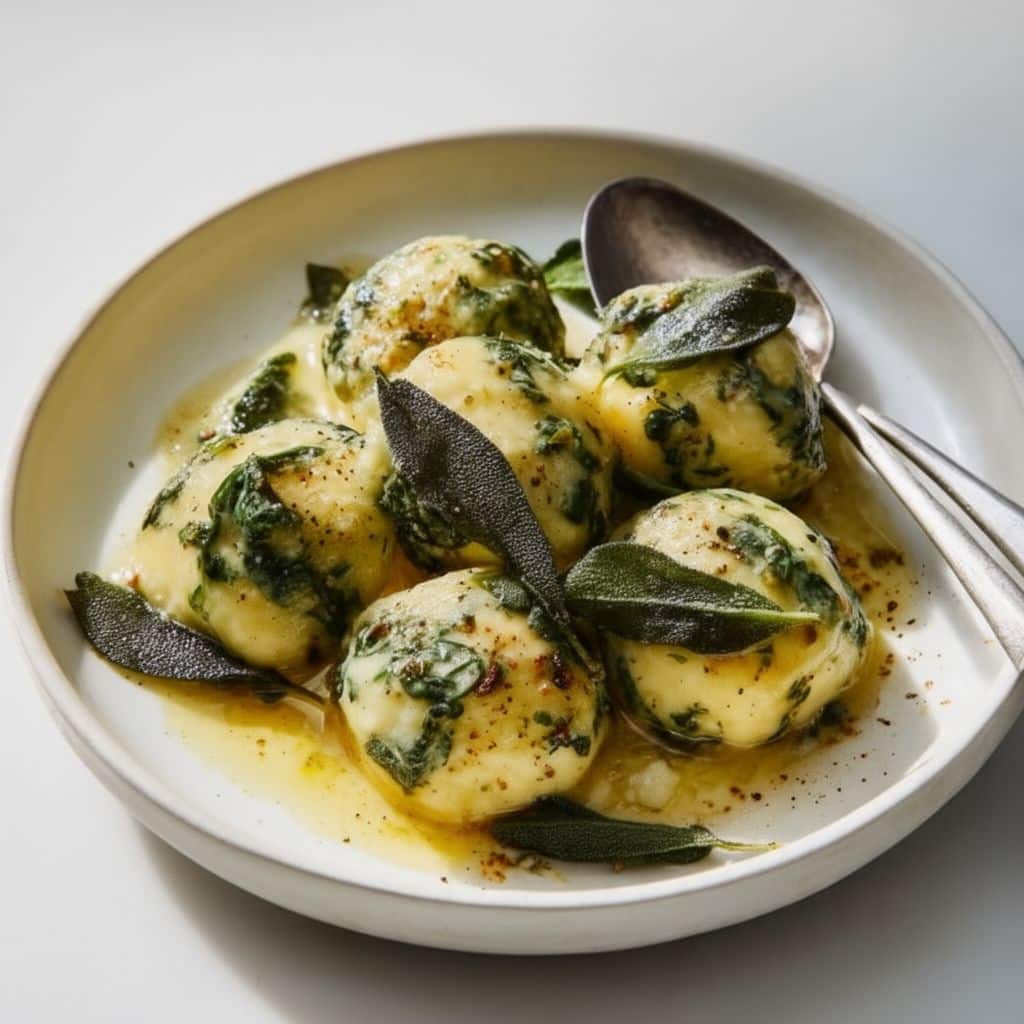
Imagine a dish so light, so exquisitely tender, it practically melts on your tongue, leaving behind a whisper of delicate flavors. That’s the magic of Spinach Ricotta Gnudi, a Tuscan treasure often referred to as “naked ravioli.” Forget heavy, dense pasta; these ethereal dumplings are pure bliss, an indulgence in simplicity that epitomizes true Italian comfort food.
What are Gnudi? (Tuscany’s “Naked” Ravioli)
Hailing from the picturesque region of Tuscany, gnudi are a celebration of simplicity and flavor. The name “gnudi” literally translates to “naked,” a charming nod to their origin: they are essentially the delectable filling of a traditional ravioli, served without the pasta wrapper. This concept frees the star ingredients – creamy ricotta and vibrant spinach – to truly shine, unbound by dough. You might also hear them referred to as malfatti, meaning “badly made,” a wonderfully endearing term that speaks to their rustic, often irregular shape. Unlike perfectly uniform pasta, the beauty of these Tuscan malfatti lies in their charmingly imperfect, hand-formed appearance, each one unique and bursting with authentic Italian character. They offer all the satisfying richness of a filled pasta, but with a profoundly lighter, more delicate texture that sets them apart.
Why You’ll Love This Spinach Ricotta Gnudi Recipe
Prepare to fall in love with these delightful ricotta dumplings for their unparalleled texture and incredible flavor. Each gnudi is a tiny, pillowy cloud, so delicate it melts in your mouth, leaving behind a taste of fresh spinach and creamy ricotta. But the magic doesn’t stop there. When paired with a golden brown butter sage sauce, the experience is elevated to an art form. The nutty, aromatic richness of the browned butter, infused with fragrant sage, coats each dumpling perfectly, creating a symphony of textures and tastes. This isn’t just a meal; it’s an experience, a journey to the heart of Italian comfort food that’s both surprisingly easy to achieve and profoundly satisfying.
Essential Ingredients for Spinach Ricotta Gnudi
Choosing the Right Ricotta
The foundation of exceptional gnudi lies in your choice of ricotta. For the best texture and flavor, whole milk ricotta is absolutely essential. Its higher fat content results in a richer, creamier dumpling that holds its shape beautifully. Skip the part-skim varieties; they simply won’t deliver the same melt-in-your-mouth experience. Furthermore, draining your ricotta is non-negotiable. Ricotta cheese typically contains a significant amount of excess moisture, which can lead to a sticky, unmanageable dough and gnudi that fall apart when cooked. To ensure success, place your ricotta in a fine-mesh strainer lined with cheesecloth over a bowl and let it drain in the refrigerator for at least 4 hours, or ideally, overnight. This crucial step removes the liquid, concentrating the creamy goodness and creating a firm base for your dough.
Fresh vs. Frozen Spinach
Whether you opt for fresh or frozen spinach, the key to success is, once again, moisture control. Both work wonderfully, but proper preparation is paramount. If using fresh spinach, you’ll need approximately 1.5 to 2 pounds, which will cook down significantly. Blanch the spinach briefly in boiling water, then immediately plunge it into an ice bath to stop the cooking and preserve its vibrant color. If using frozen spinach, thaw it completely first. Regardless of your choice, the next step is critical: squeeze out every last drop of excess water. This is not a suggestion; it’s a command! Gather the spinach in a clean kitchen towel or cheesecloth and wring it out with all your might. You’ll be surprised how much liquid comes out. The dryer your spinach, the better your gnudi will be.
Expert Tips: How to Make Gnudi That Don’t Fall Apart
The reputation of gnudi as being “temperamental” is often due to a few common pitfalls. But with these expert tips, you can confidently make gnudi that are perfectly delicate yet wonderfully sturdy.
The Secret is Moisture Control
We’ve mentioned it before, and we’ll say it again because it’s the single most important factor in how to make gnudi that don’t dissolve: moisture control is paramount. Think of your gnudi dough as a delicate ecosystem; too much water and it collapses, too little and it’s dry. Your meticulously drained ricotta, coupled with spinach wrung out to within an inch of its life in a clean kitchen towel, forms the foundation. This creates a dense, pliable mixture that can withstand the cooking process. If your mixture feels too wet even after draining, don’t be afraid to add a tiny bit more flour, but do so sparingly, as too much flour can make the dumplings heavy.
Resting and Chilling the Dough
Once you’ve formed your beautiful ricotta dumplings, resist the urge to cook them immediately. This step is a game-changer. After shaping, gently roll each gnudi in a light dusting of semolina flour or all-purpose flour, then arrange them on a parchment-lined baking sheet. Chill them, uncovered, in the refrigerator for at least 1-2 hours, or ideally, overnight. This resting period allows two crucial things to happen: first, the flour on the exterior absorbs residual moisture, creating a delicate, protective “skin.” Second, the dough firms up significantly. This skin acts as a vital barrier during boiling, preventing the delicate interior from dissolving into the water. It’s a simple trick with profound results.
The Gentle Simmer Technique
When it comes time to cook your delicate creations, remember this: gnudi are not pasta. A vigorous, rolling boil, suitable for dried spaghetti, will destroy these tender ricotta dumplings. Instead, cook them in a large pot of generously salted water brought to a gentle simmer – just a whisper of bubbles, not a turbulent churn. Carefully slide the chilled gnudi into the simmering water in batches, making sure not to overcrowd the pot. They will sink to the bottom initially, then gracefully float to the surface as they cook, typically in about 3-5 minutes. Once they float, let them simmer for another minute or two to ensure they are cooked through. Remove them gently with a slotted spoon or spider, allowing excess water to drain before transferring them directly to your waiting sauce.
Step-by-Step Instructions
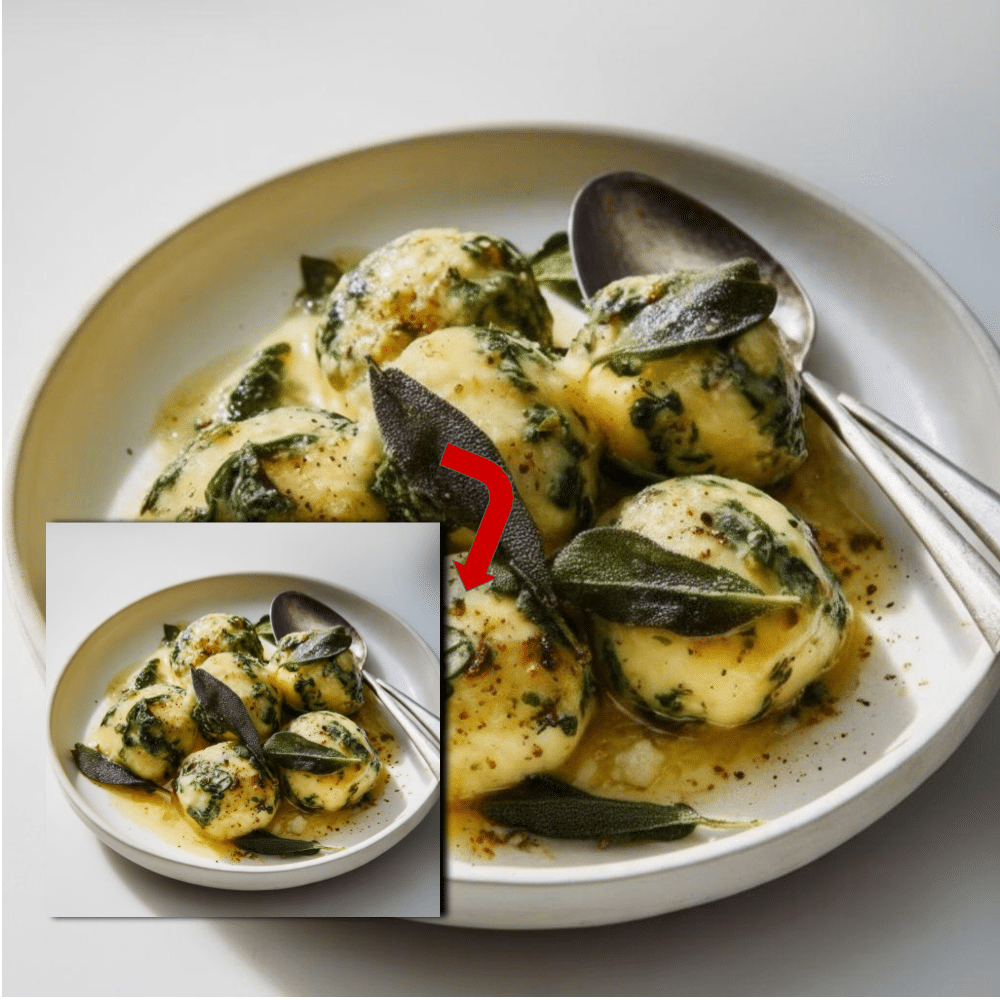
Bringing these delightful ricotta dumplings to life is a rewarding process. While a detailed recipe card will provide exact measurements, here’s an overview of the steps to guide you through making your own authentic Tuscan malfatti:
- Prepare the Spinach: If using fresh, blanch and shock. If frozen, thaw. In both cases, squeeze out all excess moisture using a clean kitchen towel until the spinach is as dry as possible. Roughly chop the dry spinach.
- Drain the Ricotta: Ensure your whole milk ricotta has been thoroughly drained, ideally overnight, in a fine-mesh strainer lined with cheesecloth.
- Combine Ingredients: In a large bowl, combine the drained ricotta, chopped spinach, a grated hard Italian cheese (like Parmesan or Pecorino Romano), a small amount of all-purpose flour or semolina, an egg yolk (for binding), and season generously with salt, black pepper, and a pinch of nutmeg.
- Form the Dough: Gently mix the ingredients with your hands until just combined. Be careful not to overmix, as this can develop the gluten in the flour and make the gnudi tough. The mixture should be soft but pliable.
- Shape the Gnudi: Lightly dust your work surface and your hands with flour. Take small portions of the dough (about a tablespoon each) and gently roll them into oval or round shapes. They don’t need to be perfect – remember, *malfatti* means “badly made” in the best way!
- Flour and Chill: Lightly roll each formed gnudi in a shallow dish of flour or semolina to create a thin, even coating. Place them on a parchment-lined baking sheet, ensuring they don’t touch. Refrigerate, uncovered, for at least 1-2 hours, or up to 24 hours. This is crucial for them to hold their shape.
- Cook the Gnudi: Bring a large pot of generously salted water to a gentle simmer. Carefully add the chilled gnudi in batches, ensuring the pot is not overcrowded. Cook for 3-5 minutes after they float to the surface, then remove with a slotted spoon.
- Sauce and Serve: Transfer the cooked gnudi directly into your prepared brown butter sage sauce and toss gently to coat. Serve immediately, garnished with extra cheese and fresh sage.
The Perfect Sage Brown Butter Sauce (*Burro e Salvia*)
While the gnudi are undoubtedly the star, their perfect companion is a classic Italian Burro e Salvia – sage brown butter sauce. This sauce is deceptively simple yet incredibly flavorful. Start by melting a generous amount of unsalted butter in a wide skillet over medium heat. Watch it carefully; it will foam, then the milk solids at the bottom will start to toast and turn a beautiful amber color. Keep swirling the pan gently. You’ll notice a delightful, nutty aroma filling your kitchen – that’s your cue! This is where the magic happens, transforming plain butter into a rich, fragrant elixir. Just before it gets too dark, toss in fresh sage leaves. They will crisp up slightly and infuse the butter with their earthy, aromatic notes. Be vigilant not to burn the butter; burnt milk solids taste bitter. Once it reaches that glorious golden-brown, nutty perfection, immediately remove it from the heat. This rich, aromatic brown butter sage sauce is the ideal complement to the delicate gnudi, enhancing their flavor without overpowering them.
Storing, Freezing, and Reheating Tips
Gnudi are best enjoyed fresh, but thoughtful preparation and storage can extend their deliciousness. For raw gnudi, after shaping and coating them in flour, arrange them in a single layer on a parchment-lined baking sheet. Place the sheet in the freezer until the gnudi are solid (about 1-2 hours). Once frozen solid, transfer them to a freezer-safe bag or airtight container, where they will keep for up to 2-3 months. When ready to cook, boil them directly from frozen in gently simmering salted water, adding an extra 2-3 minutes to the cooking time until they float and are cooked through. Cooked gnudi can be stored in an airtight container in the refrigerator for 2-3 days. To reheat, gently warm them in a skillet with a little butter or your chosen sauce; avoid re-boiling as they may become mushy.
Frequently Asked Questions
-
What is the difference between gnudi and gnocchi?
While both are small Italian dumplings, gnudi and gnocchi differ significantly in their core ingredients and texture. Gnudi are primarily made from ricotta cheese and spinach, with very little flour, resulting in an incredibly light, soft, and delicate dumpling. They are often called “naked ravioli” due to their resemblance to ravioli filling. Gnocchi, on the other hand, are typically made from cooked potatoes, flour, and sometimes egg, giving them a denser, chewier texture. Potato gnocchi are more substantial and have a firmer bite, whereas gnudi are characterized by their ethereal, melt-in-your-mouth quality.
-
Can I use gluten-free flour?
Yes, you can absolutely make gluten-free gnudi! For the best results, use a high-quality all-purpose gluten-free flour blend that contains xanthan gum, or add a small pinch of xanthan gum if your blend doesn’t include it. The texture might be slightly different – perhaps a touch less elastic – but with careful handling and adherence to the moisture control and chilling tips, you can achieve delicious, tender gluten-free ricotta dumplings.
-
Why did my gnudi dissolve in the water?
This is a common issue and almost always points back to a few key factors. The primary culprit is usually excess moisture in the ricotta or spinach; if they’re not thoroughly drained and squeezed dry, the dough will be too loose. Another reason is insufficient chilling time; the gnudi need that time in the refrigerator to firm up and form a protective skin. Lastly, cooking them in water that is boiling too vigorously can cause them to break apart. Always use a gentle simmer, not a rolling boil, to ensure they hold their delicate structure.
Ready to try this delightful Tuscan malfatti recipe yourself? There’s nothing quite like the satisfaction of creating these exquisite, pillowy dumplings from scratch. Share your culinary adventures with us!
Follow us on Facebook: https://www.facebook.com/profile.php?id=61568538666337
Spinach and Ricotta Gnudi with Sage Butter
Ingredients
- 1 cup Whole milk ricotta drained well
- 10 oz Fresh spinach cooked, squeezed completely dry, and finely chopped
- 1/2 cup Parmesan cheese freshly grated, plus extra for serving
- 3/4 cup All-purpose flour divided, plus extra for dusting
- 1 large Egg lightly beaten
- 4 tbsp Unsalted butter
- 10 leaves Fresh sage leaves
- 1/2 tsp Salt
- 1/4 tsp Black pepper
- 1/4 tsp Ground nutmeg
Instructions
- Place the ricotta in a fine-mesh strainer set over a bowl and let it drain for at least 30 minutes to remove excess liquid.
- Blanch the fresh spinach in boiling water until wilted, then transfer to an ice bath. Squeeze out as much water as possible using a clean kitchen towel, then chop finely.
- In a large mixing bowl, combine the drained ricotta, chopped spinach, parmesan cheese, egg, salt, black pepper, and nutmeg. Stir until evenly mixed.
- Gently fold in 1/2 cup of the flour, mixing just until a soft dough forms. Avoid overmixing. If the dough is too sticky to handle, add the remaining flour 1 tablespoon at a time.
- Dust a baking sheet generously with flour. Using a tablespoon, scoop the dough and gently roll it into 1-inch balls with floured hands. Place the formed gnudi on the prepared baking sheet.
- Refrigerate the gnudi uncovered for at least 30 minutes. This chilling process allows a slight skin to form, which prevents them from falling apart when boiled.
- Bring a large pot of generously salted water to a gentle simmer. Do not let it reach a rolling boil, as vigorous bubbles will break the delicate dumplings.
- Carefully drop the gnudi into the simmering water in batches to avoid overcrowding. Cook until they float to the surface, about 3 to 4 minutes. Let them cook for 1 additional minute after floating, then remove carefully with a slotted spoon.
- While boiling the last batch of gnudi, melt the butter in a large skillet over medium heat. Add the fresh sage leaves and swirl the pan until the butter foams, turns golden brown, and smells nutty (about 3 minutes).
- Transfer the cooked gnudi directly from the pot into the brown butter sauce. Toss gently to coat and serve immediately with additional grated parmesan cheese.
For more daily recipes and tips, follow us on Facebook!
Click here to join our community!