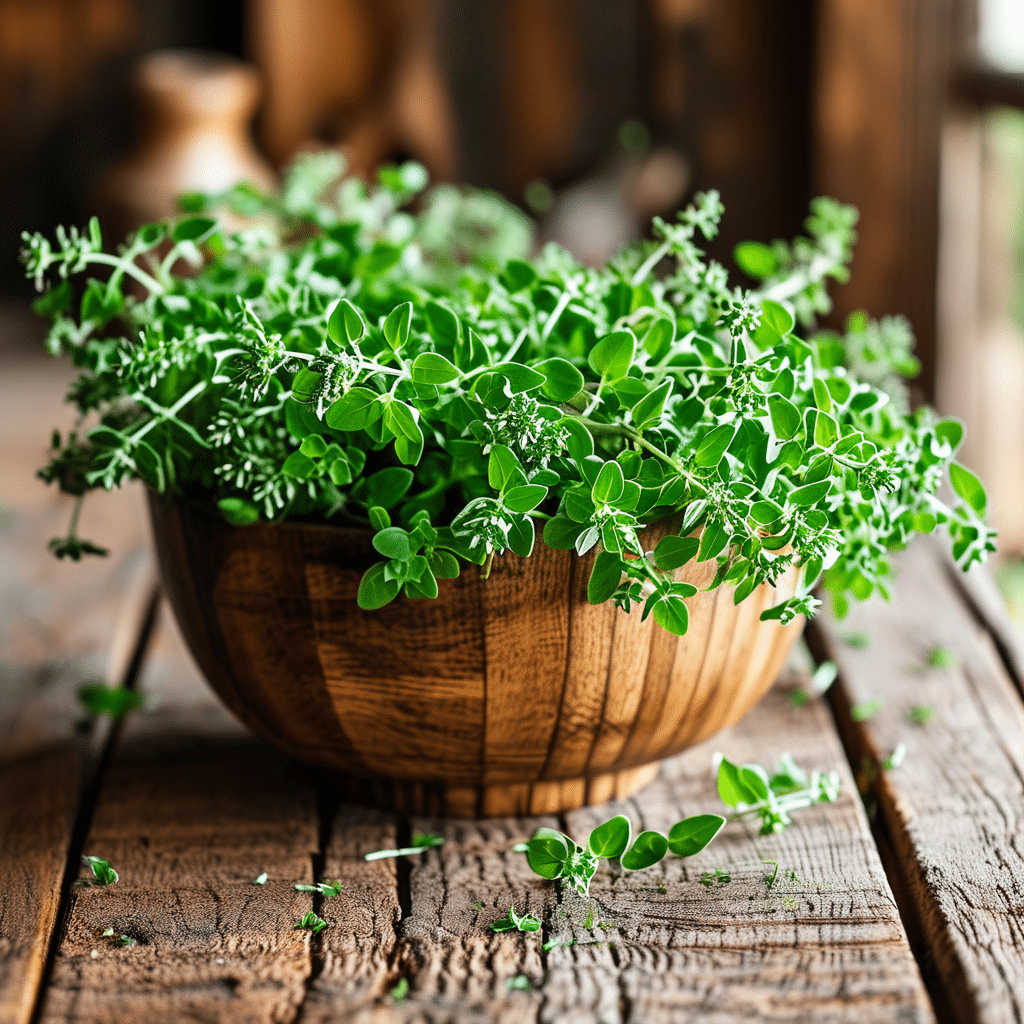
Best Oregano Recipes: A Culinary Guide
Welcome, fellow food enthusiasts, to a deep dive into one of the most versatile and beloved herbs in global cuisine: oregano. From the sun-drenched hills of the Mediterranean to the vibrant markets of Mexico, oregano has cemented its place in kitchens worldwide, celebrated for its robust aroma and complex flavor profile. This culinary herb guide will not only unveil some of the best oregano recipes but also equip you with the knowledge to master its myriad uses.
Beyond its incredible taste, oregano boasts a rich history steeped in traditional medicine. Packed with antioxidants and possessing natural antibacterial properties, this powerhouse herb doesn’t just make food taste good—it brings a little extra goodness to your plate. Whether you’re a seasoned chef or just beginning your journey with fresh herbs, understanding oregano is a delicious step towards elevating your cooking.
Understanding Oregano Varieties
Not all oregano is created equal, and knowing the difference can unlock a world of flavor. The two primary types you’ll encounter offer distinct characteristics, each best suited for particular culinary applications.
Mediterranean Oregano
Often referred to as Greek or Italian oregano, this is likely the variety that first comes to mind. It’s characterized by its sweet, mild, and slightly peppery notes, with subtle hints of mint and lemon. Mediterranean oregano is the backbone of classic Italian sauces, Greek salads, and an essential component in many Mediterranean diet recipes. Its flavor is bright and herbaceous, complementing dishes without overpowering them.
Mexican Oregano
While sharing a name, Mexican oregano is botanically distinct and offers a different flavor experience. It leans more towards citrusy, earthy, and peppery notes, often with a hint of licorice or anise. This robust flavor stands up beautifully to the bold spices found in Mexican and Tex-Mex cuisines, making it indispensable for dishes like chili, tacos, and hearty stews. Understanding the nuances between Mexican vs Mediterranean oregano is key to authentic regional flavors.
Fresh vs. Dried: The Flavor Intensity
Oregano is one of those unique herbs whose flavor actually intensifies when dried. Fresh oregano offers a brighter, slightly more delicate taste with grassy undertones, perfect for finishing dishes or lighter preparations. Dried oregano, however, concentrates its essential oils, delivering a more pungent, earthy, and sometimes slightly bitter punch.
When substituting, remember the golden rule: use one-third the amount of dried oregano for fresh. For example, if a recipe calls for one tablespoon of fresh oregano, use one teaspoon of dried. This dried oregano substitution ensures you hit the right flavor intensity without overwhelming your dish. Both forms have their place, offering unique fresh oregano uses in various recipes.
Top Ways to Use Oregano
Oregano’s versatility knows no bounds. Here are some of the best ways to incorporate this magnificent herb into your cooking, turning everyday meals into extraordinary culinary experiences.
Homemade Pesto: A Twist on the Classic
While basil pesto reigns supreme, an oregano pesto offers a delightful, more robust alternative. Imagine a vibrant green sauce, fragrant with fresh oregano, garlic, pine nuts, and Parmesan cheese. This easy pesto recipe is fantastic tossed with pasta, spread on crostini, or used as a flavorful base for grilled vegetables. It’s an innovative way to highlight the distinct character of fresh oregano.
Infused Oils: Perfect for Dipping and Dressings
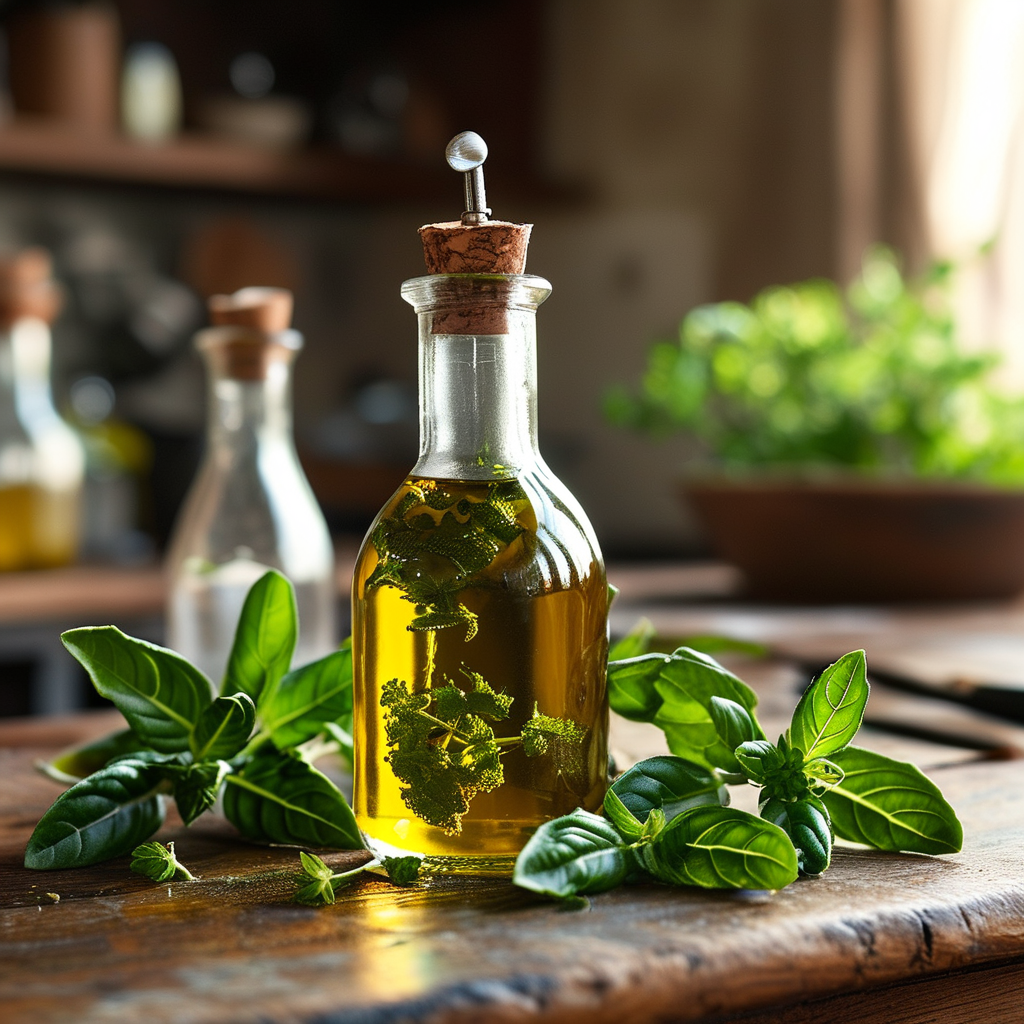
Harness the aromatic power of oregano by infusing it into olive oil. Simply combine good quality extra virgin olive oil with fresh or dried oregano sprigs, a few garlic cloves, and a pinch of chili flakes. Let it steep for a few days in a cool, dark place. This fragrant oil is perfect for dipping crusty bread, drizzling over salads, or enhancing marinades. While not a medicinal claim, the pure essence and aroma of oregano oil benefits your dishes with a deep, herbaceous note.
Tomato Sauces: Elevating Pasta and Pizza Bases
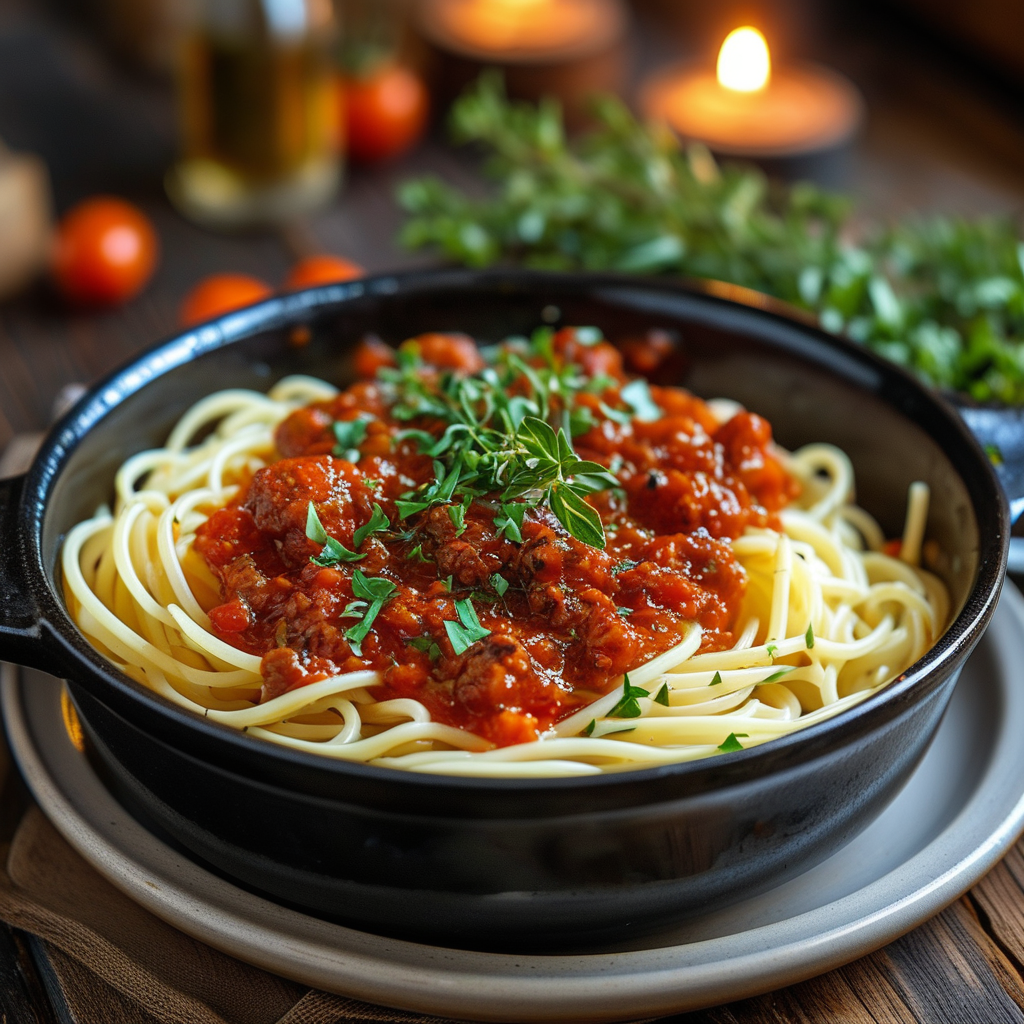
Oregano is a non-negotiable in classic tomato-based sauces. Its earthy warmth complements the acidity and sweetness of tomatoes, creating a harmonious flavor profile that defines Italian-American cuisine. Whether you’re simmering a slow-cooked marinara, crafting a vibrant pizza sauce, or making a quick weeknight pasta sauce, a generous sprinkle of dried oregano, or a handful of fresh leaves, makes all the difference.
Marinades: Unlocking Flavor for Grilled Meats
Oregano shines in marinades, tenderizing and infusing meats with its distinctive aroma. It pairs exceptionally well with citrus, garlic, and other Mediterranean herbs. Think about creating a robust marinade for grilled beef or a bright and zesty blend for chicken or lamb. The herb’s potent flavor penetrates the meat, promising a delicious outcome whether you’re grilling, roasting, or pan-searing. It’s a fundamental component of many herb roasted chicken preparations.

Featured Recipe: Greek Lemon-Oregano Roasted Chicken
When it comes to showcasing the brilliance of oregano, few dishes can rival the simplicity and profound flavor of Greek Lemon-Oregano Roasted Chicken. This isn’t just a recipe; it’s a celebration of a timeless pairing where the bright acidity of lemon perfectly cuts through the richness of chicken, while oregano imparts its earthy, slightly peppery warmth. This dish is a staple of Mediterranean diet recipes and a testament to the power of fresh ingredients.
Why This Pairing Works: Acid + Earthiness
The magic lies in the balance. Lemon juice tenderizes the chicken and adds a refreshing tang that awakens the palate. Oregano, especially the Mediterranean variety, brings a grounding earthiness and an aromatic depth that prevents the lemon from being too sharp. Together, they create a symphony of flavors that is both comforting and exhilarating. The technique also demonstrates masterful cooking with fresh herbs.
Preparation Techniques for Maximum Flavor Penetration
Achieving truly flavorful Greek oregano chicken involves a few key steps:
- The Marinade: Whisk together generous amounts of fresh lemon juice, olive oil, finely minced garlic, dried oregano (or a large amount of chopped fresh oregano), salt, and black pepper. You can also add a pinch of smoked paprika for extra depth.
- Chicken Prep: Use bone-in, skin-on chicken pieces (thighs and drumsticks are excellent choices, or a whole spatchcocked chicken for even cooking). Pat the chicken dry to ensure crispy skin. Score the chicken skin lightly to allow the marinade to penetrate deeper.
- Marinating Time: Allow the chicken to marinate for at least 2 hours, or preferably overnight, in the refrigerator. This extended period is crucial for the flavors to meld and tenderize the meat.
- Roasting Perfection: Arrange the chicken in a single layer in a roasting pan. Add lemon wedges, potato chunks, and maybe some red onion to the pan; they’ll soak up the delicious pan juices. Roast at a relatively high temperature (around 400°F / 200°C) until the chicken is golden brown, cooked through, and the skin is wonderfully crispy. Basting occasionally with the pan juices will add moisture and flavor.
Serve this exquisite herb roasted chicken with a simple Greek salad and some crusty bread to sop up all the flavorful juices. It’s a dish that embodies the very essence of the best oregano recipes.
Expert Cooking Tips
To truly master oregano in your kitchen, keep these expert tips in mind:
- When to Add Oregano: Dried oregano benefits from being added early in the cooking process (e.g., simmering in a sauce) to allow its flavors to bloom. Fresh oregano, with its delicate nature, is often best added towards the end of cooking or as a garnish, preserving its bright, green notes. However, in marinades, fresh oregano can be added early to impart flavor over time.
- Storing Fresh Sprigs vs. Dried Flakes: Store fresh oregano sprigs like a bouquet of flowers: snip the ends, place them in a glass with an inch of water, cover loosely with a plastic bag, and refrigerate. They’ll stay fresh for up to a week. Dried oregano should be stored in an airtight container in a cool, dark pantry, where it will retain its potency for about 6-12 months.
- Best Herb Pairings: Oregano is a team player. It pairs wonderfully with other Mediterranean herbs like thyme, rosemary, and marjoram. Garlic is its natural companion, amplifying its savory notes. It also works well with parsley, basil, and a hint of mint. Experimenting with these combinations is a delightful aspect of cooking with fresh herbs.
“Oregano is the soul of many dishes. Don’t be shy; let its robust character sing, but always listen to the dish to ensure perfect harmony.” – The Seasoned Chef
Frequently Asked Questions
Curious about more aspects of this fantastic herb? Here are some common questions answered:
Can I eat raw oregano?
Yes, you can eat raw oregano, especially fresh oregano leaves. However, raw oregano has a much stronger, more pungent flavor compared to cooked or dried versions. It’s often used sparingly as a garnish or finely chopped and added to salads, salsas, or bruschetta. For the best experience with fresh oregano uses in raw form, opt for the milder Mediterranean varieties.
How do I dry fresh oregano at home?
Drying fresh oregano at home is simple! Gather several sprigs and tie them together at the stems. Hang them upside down in a warm, dry, and well-ventilated area away from direct sunlight. The drying process typically takes one to two weeks. Once fully dry, the leaves will be brittle and easily crumble. Strip the leaves from the stems and store them in an airtight container.
What is the best substitute for oregano?
If you find yourself without oregano, the best dried oregano substitution depends on the specific dish. Marjoram is the closest in flavor profile, being a sweeter, milder cousin. Use it in equal amounts if substituting for Mediterranean oregano. Thyme can also work, especially in savory dishes and marinades, offering a similar earthy quality. For Mexican oregano, consider a blend of marjoram and a pinch of cumin for a similar flavor complexity.
Conclusion
From the sun-drenched simplicity of a Greek salad to the comforting depth of a rich tomato sauce, oregano is a culinary staple that transforms ordinary ingredients into something truly special. We hope this guide to the best oregano recipes and expert tips inspires you to explore the incredible range this aromatic herb has to offer.
Whether you choose the pungent notes of dried flakes or the bright zest of fresh sprigs, embracing oregano in your cooking is a journey filled with flavor and aroma. Don’t be afraid to experiment with fresh herbs; they hold the key to unlocking vibrant, healthy, and incredibly delicious meals. Happy cooking!
Greek Lemon-Oregano Roasted Chicken
Ingredients
- 1 whole chicken approx. 4-5 lbs, patted dry
- 1/4 cup extra virgin olive oil
- 3 tbsp fresh oregano chopped (or 1 tbsp dried oregano)
- 4 cloves garlic minced
- 2 whole lemons 1 juiced, 1 halved
- 1 tsp kosher salt plus more to taste
- 1/2 tsp black pepper freshly ground
Instructions
- Preheat your oven to 375°F (190°C).
- In a small bowl, whisk together the olive oil, chopped oregano, minced garlic, lemon juice, salt, and pepper to create a marinade.
- Place the chicken in a roasting pan. Gently loosen the skin over the breast and thighs using your fingers.
- Rub half of the marinade under the skin directly onto the meat to ensure deep flavor penetration.
- Rub the remaining marinade over the entire exterior of the bird. Stuff the cavity with the lemon halves.
- Roast for approximately 1 hour and 30 minutes, or until the internal temperature reaches 165°F (74°C) at the thickest part of the thigh.
- Remove from the oven and tent loosely with foil. Let the chicken rest for 10-15 minutes before carving to allow juices to redistribute.
For more daily recipes and tips, follow us on Facebook!
Click here to join our community!