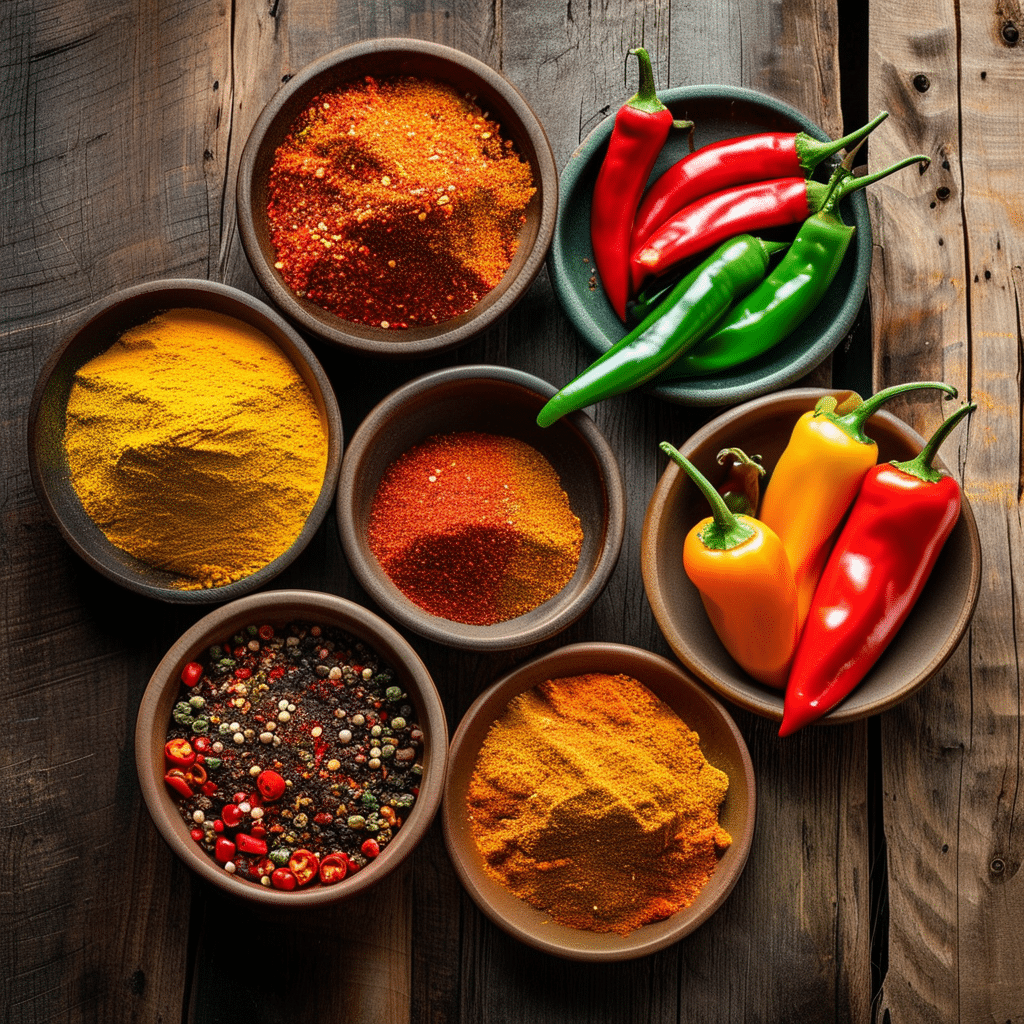
Welcome, food enthusiasts, to a world bursting with color, aroma, and unparalleled taste! Today, we’re diving deep into the captivating realm of paprika, a spice that has quietly, yet profoundly, shaped global cuisine for centuries. From the bustling kitchens of Budapest to the sun-drenched tapas bars of Spain, paprika offers a transformative touch, elevating simple ingredients into extraordinary culinary experiences. Prepare to unlock a treasure trove of Flavorful Paprika Recipes, exploring its sweet, smoky, and spicy profiles that promise to ignite your palate and inspire your next meal.
The Paprika Spectrum: Understanding Varieties
Paprika, derived from the dried and ground fruits of the Capsicum annuum plant, isn’t a monolithic spice. Its diversity is its strength, offering a range of flavors and intensities that cater to every dish and preference.
Sweet Paprika (Hungarian Noble Sweet)
Often considered the quintessential variety, Hungarian sweet paprika is a cornerstone in many European dishes. It boasts a beautiful, vibrant red color and a mild, slightly fruity flavor with very little heat. It’s perfect for dishes where you want to add rich color and a subtle sweet complexity without overwhelming other ingredients. Think classic stews, creamy sauces, or even as a garnish.
Smoked Paprika (Spanish Pimentón)
Hailing predominantly from Spain, smoked pimenton is a game-changer for anyone seeking deep, rustic flavors. The capsicum pods are dried slowly over oak fires, imparting an intense, woody smokiness that is utterly distinctive. Available in sweet (dulce), bittersweet (agridulce), and hot (picante) varieties, it brings an unmistakable BBQ-like essence to marinades, rubs, and slow-cooked meals. Its depth can transform a simple dish into something profoundly satisfying.
Hot Paprika
For those who crave a fiery kick, hot paprika delivers. This variety is made from pods with a higher capsaicin content, offering a noticeable heat that ranges from a gentle warmth to a significant punch. It’s a fantastic way to introduce vibrant heat and color into your cooking, particularly in dishes where a spicy element is desired without the sharp, aggressive notes of cayenne pepper. It’s a key player in many spicy paprika dishes.
Hungarian vs. Spanish: Key Regional Differences and Best Uses
While both regions produce exceptional paprika, their distinct processing methods yield different results. Hungarian paprikas are typically air-dried, preserving their natural sweetness and vibrant color, with a focus on varieties like Noble Sweet. Spanish pimentón, on the other hand, is defined by its characteristic oak-smoking process. Hungarian paprika shines in dishes like goulash or chicken paprikash, where its bright color and mild flavor are central. Spanish smoked paprika excels in paella, stews, and anything that benefits from a profound smoky depth, making it indispensable for many beef stew recipes with a Spanish flair.
Health Benefits of Paprika
Beyond its culinary prowess, paprika is also a nutritional powerhouse, offering a surprising array of health benefits.
Vitamin Rich
Paprika is an excellent source of several vital vitamins, most notably Vitamin A (in the form of carotenoids like beta-carotene) and Vitamin E. Vitamin A is crucial for vision, immune function, and skin health, while Vitamin E is a potent antioxidant that protects cells from damage.
Antioxidant Power
The vibrant color of paprika comes from its rich content of carotenoids, powerful antioxidants that combat free radicals in the body. Additionally, capsaicin, present in spicier varieties, also acts as an antioxidant. These compounds contribute to overall immune support and are part of the broader capsicum annuum benefits, making paprika a noteworthy addition to antioxidant rich foods.
Metabolic Boost
For those who enjoy a bit of heat, the capsaicin found in hot paprika varieties may offer a slight metabolic boost. Studies suggest that capsaicin can temporarily increase metabolism and promote fat burning, making spicy paprika a smart choice for those looking to support their body’s natural processes.
Expert Cooking Tips: Unlocking Flavor
To truly harness the magic of paprika, understanding a few key cooking techniques is essential.
The Blooming Technique
This is arguably the most crucial tip for unlocking paprika’s full flavor and color. Blooming spices involves gently toasting paprika in a small amount of warm oil or fat for about 30 seconds to a minute before adding other liquids. This process releases the fat-soluble flavor compounds, intensifying both its taste and vibrant hue. It’s a game-changer for cooking with spices, especially paprika.
Temperature Control: Avoiding Bitterness
While blooming is beneficial, scorching paprika is its enemy. High heat can quickly burn the sugars in the spice, resulting in a bitter, unpleasant taste. Always cook paprika over medium-low heat and remove it from the heat source if it starts to smoke. This prevents it from turning acrid and ensures a smooth, rich flavor profile.
Timing: When to Add Sweet vs. Smoked Varieties
The timing of adding paprika can significantly impact the final dish. Sweet paprika is often added early in the cooking process, especially during the blooming phase, to develop its color and mild flavor base. Smoked paprika, with its intense flavor, can be added at various stages depending on desired impact. For a deep, foundational smokiness, add it with other aromatics. For a brighter, more pronounced smoky note, you can add it closer to the end or even as a finishing sprinkle.
Top Flavorful Paprika Recipe Ideas
Let’s explore some incredible ways to incorporate this versatile spice into your repertoire.
Comforting Soups and Stews
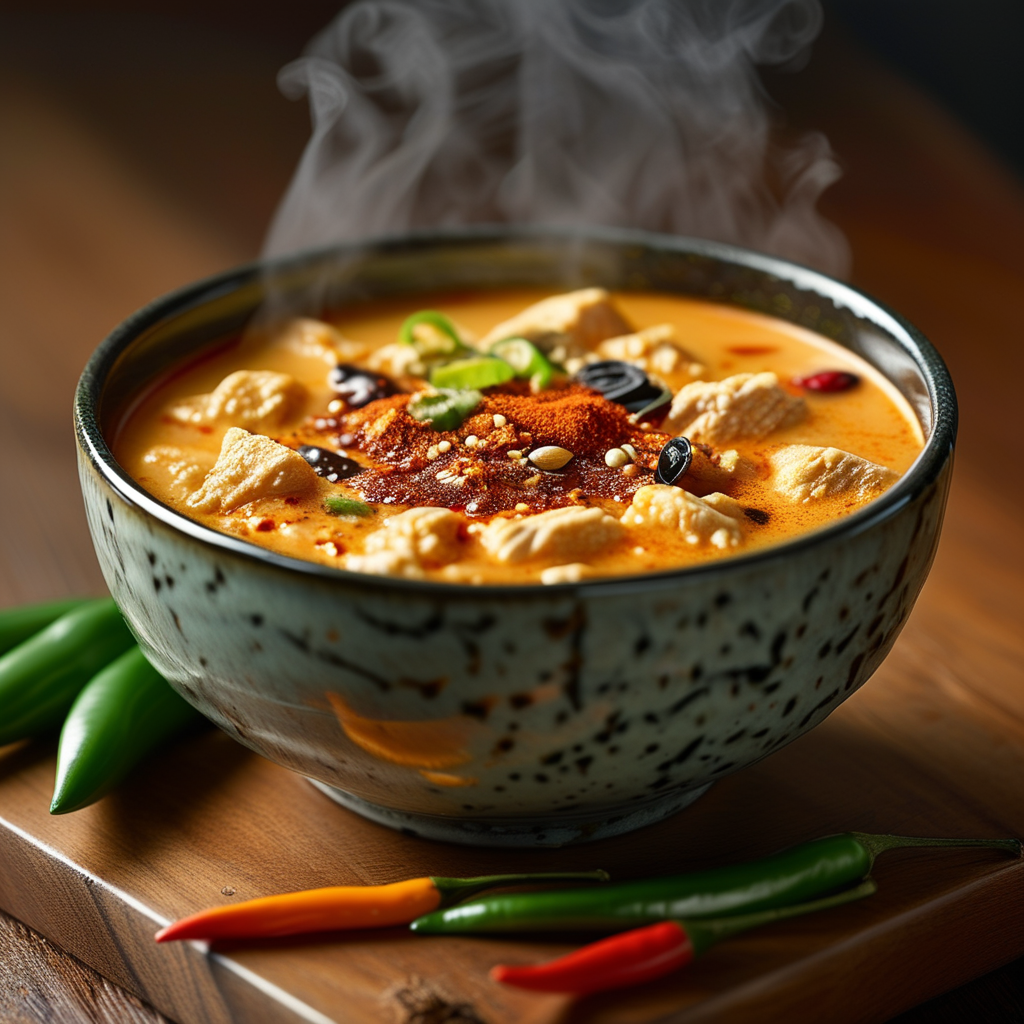
- Paprika Chicken Soup: A creamy, comforting classic featuring sweet paprika for color and a delicate, warming flavor. Often enriched with a touch of sour cream, it’s a soul-soothing meal.
- Classic Hungarian Goulash: The ultimate beef stew recipe, this hearty dish relies heavily on sweet Hungarian paprika for its signature rich color and deep, savory taste. Tender beef, onions, and often potatoes simmered to perfection, making it the definition of comfort.
Savory Main Courses
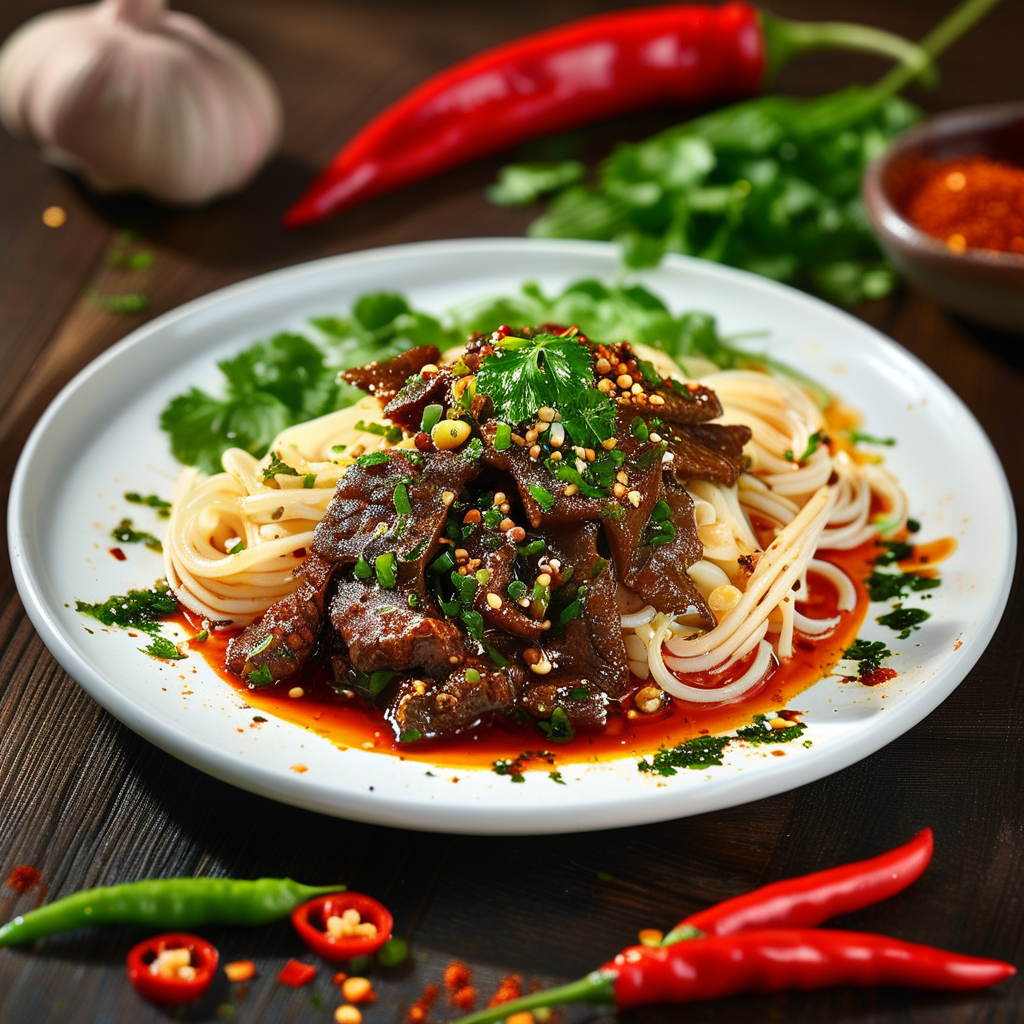
- Paprika Beef Stroganoff: A rich and creamy family favorite, this dish features tender beef cooked with mushrooms, onions, and a generous amount of sweet paprika, finished with sour cream for a luxurious texture.
- Smoked Paprika Grilled Shrimp: Fast, fresh, and summery, shrimp marinated in olive oil, garlic, lemon juice, and plenty of smoked paprika, then quickly grilled, offers a delightful smoky kick.
Vegetarian and Side Dishes
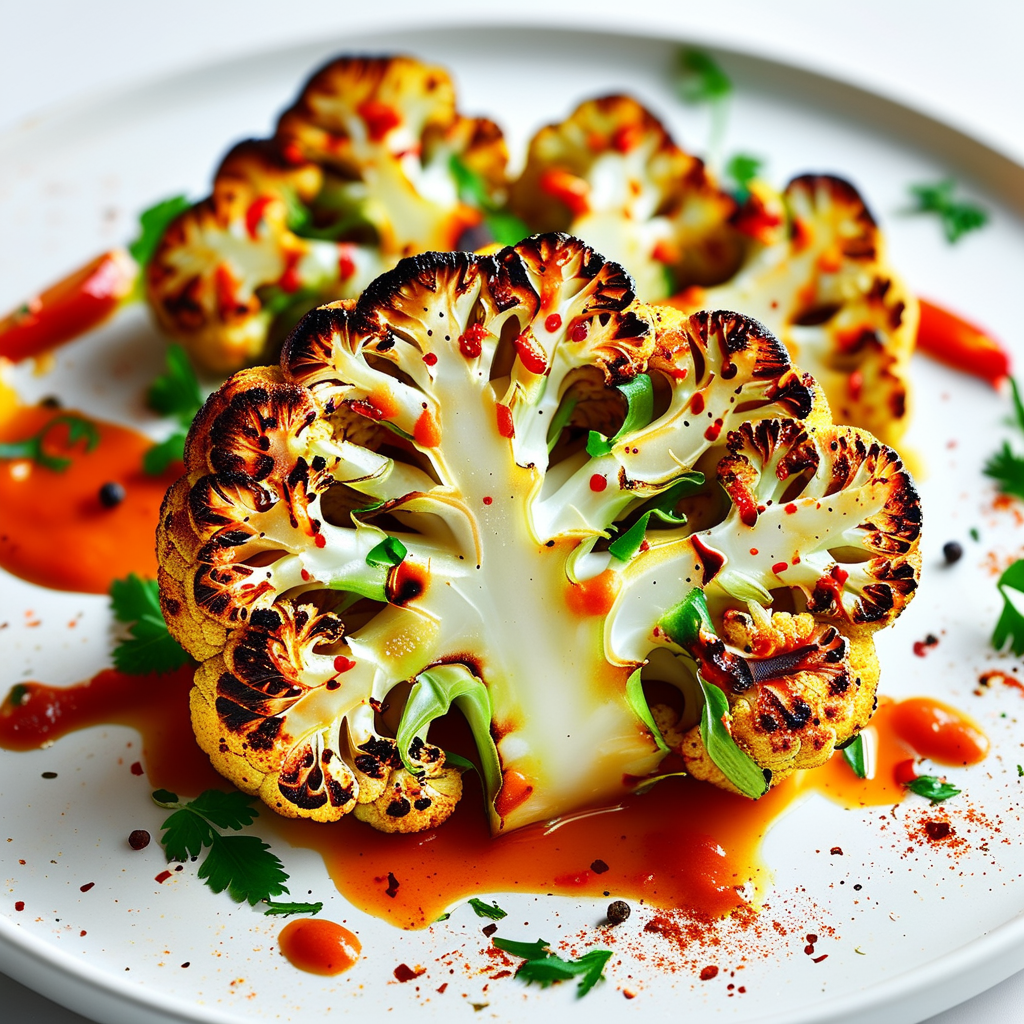
- Roasted Paprika Cauliflower: Toss cauliflower florets with olive oil, sweet paprika, and a pinch of salt before roasting until caramelized and tender. The paprika adds a beautiful color and a subtle sweetness.
- Smoky Lentil Salad: A nutrient-dense and satisfying salad featuring cooked lentils, diced vegetables, and a dressing infused with smoked paprika for a profound, earthy depth.
Featured Recipe: Authentic Hungarian Beef Goulash
Few dishes encapsulate the essence of paprika like Classic Hungarian Goulash. This isn’t just a stew; it’s a culinary hug, a testament to slow cooking, and a celebration of rich, comforting flavors. Our version focuses on tender beef, aromatic onions, and a generous quantity of sweet Hungarian paprika, creating a dish that is both hearty and incredibly satisfying.
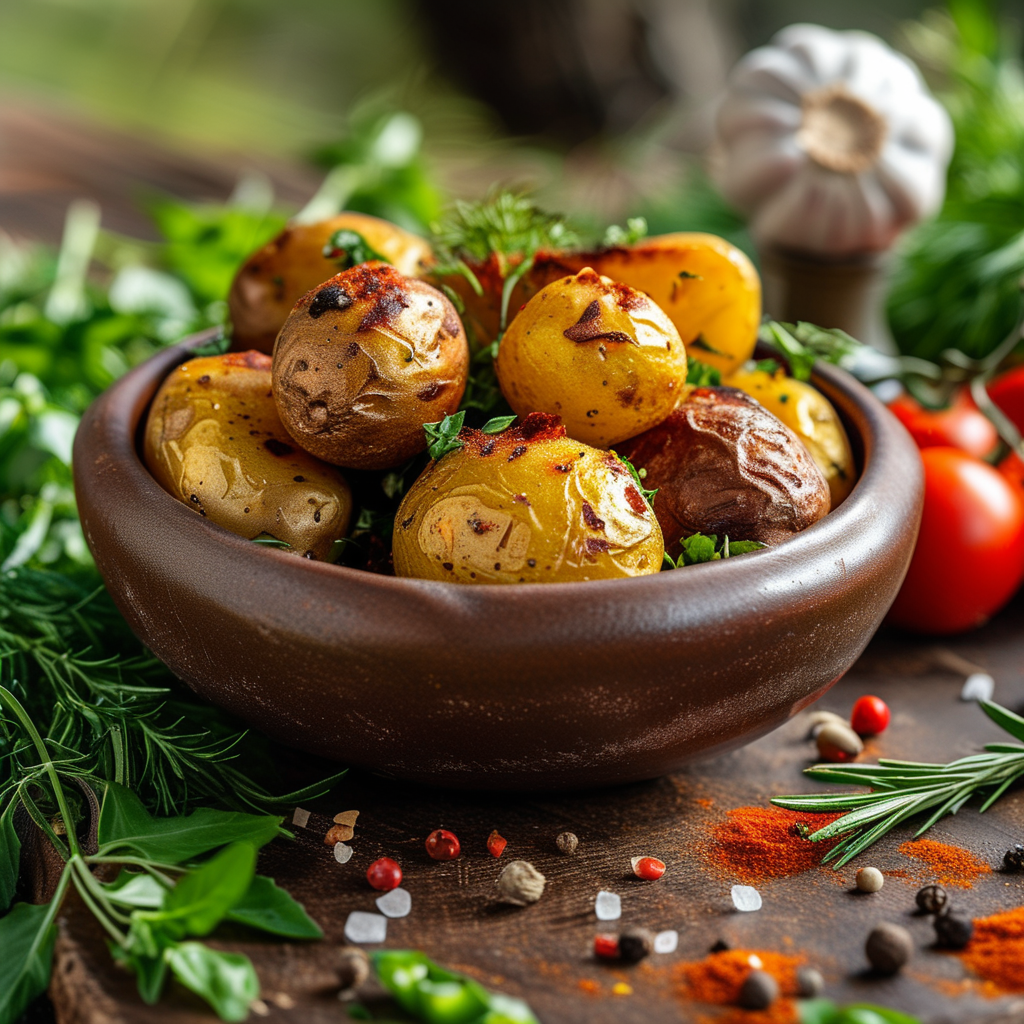
Key Ingredients Checklist:
- 2 lbs beef chuck, cut into 1.5-inch cubes
- 2 large yellow onions, finely chopped
- 3-4 cloves garlic, minced
- 1/4 cup vegetable oil or beef fat
- 3-4 tablespoons Hungarian sweet paprika (high quality recommended)
- 1 teaspoon caraway seeds, crushed (optional, but highly recommended)
- 1/2 teaspoon marjoram
- 1 large tomato, chopped, or 1/2 cup canned crushed tomatoes
- 1 green bell pepper, chopped
- 4-6 cups beef broth
- 1-2 potatoes, peeled and diced (optional, for thickening)
- Salt and freshly ground black pepper to taste
- Sour cream or crème fraîche, for serving (optional)
Step-by-Step Preparation Guide:
- Prepare the Beef: Pat the beef cubes dry with paper towels. Season generously with salt and pepper.
- Sear the Beef: In a large, heavy-bottomed pot or Dutch oven, heat the oil over medium-high heat. Sear the beef in batches until browned on all sides. Remove the beef from the pot and set aside. Do not overcrowd the pot.
- Sauté Aromatics: Reduce the heat to medium-low. Add the chopped onions to the pot and cook slowly, stirring occasionally, until deeply softened and translucent, about 8-10 minutes. This slow caramelization is key to the goulash’s flavor.
- Bloom the Paprika: Remove the pot from the heat. Stir in the Hungarian sweet paprika, caraway seeds, and marjoram. Cook for about 30 seconds, stirring constantly, ensuring the paprika doesn’t burn. This blooming spices technique is critical for color and flavor.
- Build the Stew: Return the pot to the stove. Add the minced garlic and cook for another minute until fragrant. Stir in the chopped tomato (or crushed tomatoes) and bell pepper. Cook for a few minutes until slightly softened.
- Simmer: Return the seared beef to the pot. Pour in enough beef broth to just cover the beef. Bring to a gentle simmer, then reduce the heat to low, cover, and cook for at least 2-2.5 hours, or until the beef is fork-tender. Stir occasionally and add more broth if needed to keep the beef submerged.
- Add Potatoes (Optional): If using, add the diced potatoes during the last 30-45 minutes of cooking.
- Season and Serve: Taste and adjust seasoning with salt and pepper. Serve hot, traditionally with a dollop of sour cream or crème fraîche, and alongside crusty bread or noodles. This truly exemplifies a fulfilling beef stew recipe.
Frequently Asked Questions
What is the best way to store paprika?
To preserve its potency and vibrant color, paprika should be stored in an airtight container in a cool, dark place, away from direct sunlight and heat. A pantry or cupboard is ideal. Properly stored, it can retain its quality for up to six months.
Can I use smoked paprika instead of sweet paprika?
While both are paprika, their flavor profiles are distinct. Sweet paprika offers a mild, vibrant sweetness and color, while smoked paprika delivers a deep, woody, and often intense smoky flavor. Using smoked paprika in a dish that calls for sweet will drastically alter the overall taste, introducing a pronounced smoky element that may or may not be desirable. Conversely, using sweet paprika where smoked is intended will result in a flatter, less complex flavor. It’s best to consider the intended flavor profile of your dish when choosing.
How can I tell if my paprika has lost its potency?
Paprika loses its potency and vibrant color over time. A simple test is to smell it: fresh paprika will have a sweet, slightly peppery, or smoky aroma depending on the type. If it smells dusty, bland, or metallic, it has likely lost its flavor and color, and it’s time to replace it. Visually, a faded or dull color also indicates a loss of freshness.
Conclusion
From the subtle warmth of sweet Hungarian paprika to the robust depth of Spanish smoked pimentón and the invigorating kick of hot varieties, this incredible spice offers an expansive palette for culinary creativity. We hope these Flavorful Paprika Recipes and expert tips inspire you to experiment, to embrace new tastes, and to discover the profound difference a quality spice can make. So, reach for that vibrant red powder and transform your everyday meals into truly extraordinary dishes!
Authentic Hungarian Beef Goulash
Ingredients
- 2.5 lbs beef chuck roast cut into 1.5-inch cubes
- 2 tbsp vegetable oil or beef tallow for sautéing
- 3 large yellow onions finely chopped
- 3 tbsp Hungarian sweet paprika high quality
- 1 tsp caraway seeds optional but traditional
- 2 cloves garlic minced
- 2 medium tomatoes diced
- 2 medium bell peppers 1 red, 1 yellow, diced
- 4 cups beef broth low sodium
- 3 medium potatoes peeled and cubed
- 2 medium carrots sliced into rounds
- 1 tsp salt plus more to taste
- 1/2 tsp black pepper freshly ground
- 1 leaf bay leaf
Instructions
- Heat the oil or beef tallow in a large Dutch oven or heavy-bottomed pot over medium heat. Add the chopped onions and cook slowly for 8-10 minutes until they are soft and translucent, but not browned.
- Remove the pot from the heat. This is a critical step to prevent the paprika from burning. Stir in the Hungarian sweet paprika, caraway seeds, and black pepper, mixing well until the onions are fully coated.
- Add the beef cubes and minced garlic to the pot. Return the pot to medium-high heat and stir constantly for 2-3 minutes to sear the meat and allow the spices to bloom in the fat.
- Stir in the diced tomatoes, bell peppers, and bay leaf. Pour in the beef broth. The liquid should just cover the meat; add a little water if necessary.
- Bring the mixture to a boil, then reduce the heat to low. Cover and simmer gently for 1.5 hours, or until the beef is starting to become tender.
- Add the cubed potatoes and sliced carrots to the pot. Continue to simmer, covered, for another 30-40 minutes until the vegetables are tender and the beef is fork-tender.
- Taste and adjust seasoning with additional salt if needed. Remove the bay leaf before serving. Serve hot with crusty bread or over egg noodles.
For more daily recipes and tips, follow us on Facebook!
Click here to join our community!