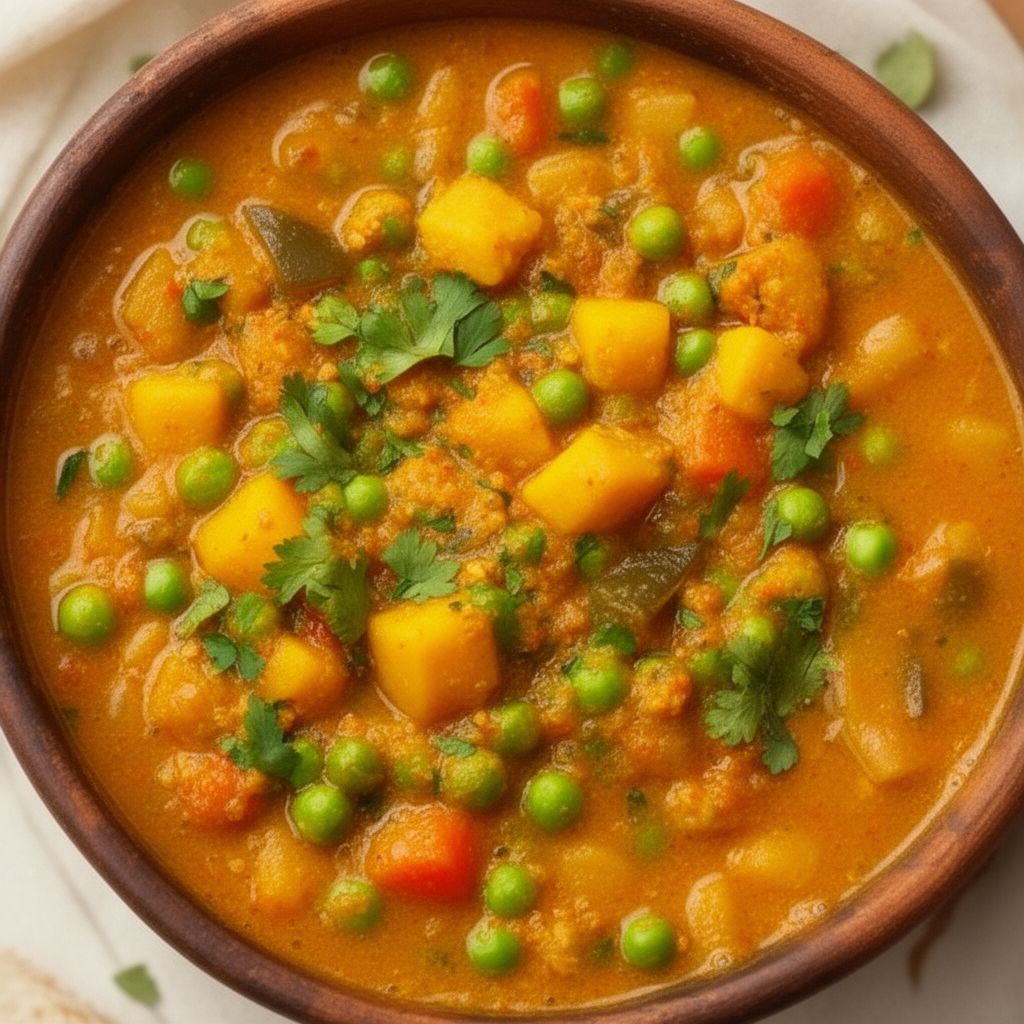
There’s something incredibly comforting about a rich, aromatic curry simmering on the stove, filling your home with an irresistible fragrance. Today, we’re diving into the absolute best Vegetable Curry Recipe – a dish that’s hearty, delicious, and packed with vibrant nutrition.
Whether you’re a seasoned chef or a kitchen novice, this easy vegetable curry promises a rewarding culinary experience. It’s naturally vegan, wonderfully warming, and incredibly versatile, making it a staple in any healthy eating plan. Get ready to discover your new favorite one-pot veggie curry!
Why You’ll Love This Healthy Vegetable Curry
This isn’t just another dinner; it’s a culinary journey that delivers on taste, health, and convenience. Here’s why this particular mixed vegetable curry will become a cherished part of your recipe collection:
- Effortlessly Delicious: This easy vegetable curry offers incredible depth of flavor with simple steps and readily available ingredients.
- Nutrient Powerhouse: Brimming with a rainbow of fresh vegetables, this healthy vegetarian curry delivers essential vitamins, minerals, and fiber.
- Vegan & Gluten-Free Friendly: Prepared with rich coconut milk, it’s a naturally delicious vegan coconut curry, suitable for various dietary needs.
- One-Pot Wonder: All the magic happens in a single pot, making this one pot veggie curry ideal for busy weeknights and easy cleanup.
- Incredibly Versatile: Swap vegetables based on season or availability, creating a unique mixed vegetable curry every time.
Key Ingredients for Vegetable Curry
The secret to an exceptional Vegetable Curry Recipe lies in fresh, high-quality ingredients, balanced aromatics, and spices. Let’s break down what you’ll need.
The Best Veggies to Use
A mixed vegetable curry thrives on flexibility. Aim for varied textures and colors for a visually appealing and nutritionally robust dish. Here are some excellent choices:
- Root Vegetables: Carrots, potatoes (Yukon Gold or red), sweet potatoes. These add heartiness and sweetness.
- Cruciferous Vegetables: Cauliflower florets, broccoli florets. They absorb curry flavors beautifully.
- Leafy Greens: Spinach, kale. Stir these in towards the end for a fresh, vibrant boost.
- Other Favorites: Bell peppers (any color), zucchini, green beans, peas, mushrooms. Experiment to find your perfect blend of curried vegetables.
Expert Tip: Cut vegetables into roughly similar-sized pieces for even cooking. Harder vegetables go in first, softer ones later.
The Flavor Base: Aromatics and Spices
Building a strong flavor base is crucial, transforming simple vegetables into an exotic Indian style vegetable curry.
- Aromatics: Onion, garlic, and fresh ginger provide a pungent, warming foundation.
- Spices: A blend of ground cumin, coriander, turmeric, and garam masala forms the backbone. Optionally, add chili powder or cayenne for heat, and mustard/fenugreek seeds for authentic Indian style vegetable curry aroma.
Creamy Elements: Coconut Milk and Broth
These liquids are essential for that signature rich and creamy texture:
- Full-Fat Coconut Milk: The star for a luscious, creamy, dairy-free finish. Crucial for a smooth vegan coconut curry and delicious vegetable curry with coconut milk.
- Vegetable Broth: Used to simmer vegetables and create a flavorful base before coconut milk, ensuring deep, savory notes.
How to Make Vegetable Curry Step-by-Step
Crafting this delicious Vegetable Curry Recipe is simpler than you might think. Follow these steps for a perfect one-pot veggie curry.
Step 1: Sauté the Aromatics
Heat oil in a large pot over medium heat. Sauté chopped onion until translucent (5-7 min), then stir in minced garlic and grated fresh ginger for another minute until fragrant. Be careful not to burn the garlic!
Step 2: Toast the Spices
Add ground spices – cumin, coriander, turmeric, garam masala – to the pot. Stir continuously for 30-60 seconds. Toasting spices in oil intensifies their flavors, key to an authentic Indian style vegetable curry.
Step 3: Simmer the Vegetables
Add harder vegetables (potatoes, sweet potatoes, carrots) and vegetable broth. Simmer, covered, for 10-15 minutes until they begin to soften. Stir in quicker-cooking vegetables (cauliflower, bell peppers, green beans) and simmer until all are tender-crisp.
Step 4: Add the Creamy Finish
Stir in full-fat coconut milk (and chickpeas/lentils, if using). Gently simmer to meld flavors and thicken sauce. Add leafy greens like spinach, cooking until just wilted. Season with salt and pepper; a squeeze of fresh lime juice brightens your creamy vegetable curry with coconut milk.
Expert Tips for the Perfect Veggie Curry
Elevate your mixed vegetable curry from good to absolutely unforgettable with these pro tips:
- Layer Your Flavors: Don’t rush sautéing aromatics or toasting spices. Each step builds depth.
- Chop Evenly: Uniform vegetable pieces ensure even cooking and consistent texture.
- Don’t Overcook: Aim for tender-crisp vegetables, not mushy.
- Adjust Spice Levels: For heat, add cayenne pepper or a chopped green chili with aromatics. For milder, reduce chili.
- Let it Rest: This one pot veggie curry often tastes even better the next day as flavors deepen.
- Fresh Herbs: A generous sprinkle of fresh cilantro or parsley before serving adds freshness and color.
Variations and Customizations
This Vegetable Curry Recipe is wonderfully adaptable. Feel free to make it your own!
- Protein Boost: While a fantastic healthy vegetarian curry on its own, add plant-based proteins like chickpeas, red lentils, or pan-fried tofu.
- Different Greens: Swap spinach for kale, collard greens, or bok choy.
- Spice Blends: Experiment with different curry powders or pastes. Thai red or green curry paste can completely change the flavor for a different kind of vegan coconut curry.
- Tangy Twist: Tamarind paste or dried kokum pieces add a lovely sour note, common in some Indian style vegetable curry dishes.
What to Serve with Vegetable Curry
A hearty Vegetable Curry Recipe pairs beautifully with a variety of sides:
- Steamed Rice: Fluffy basmati, brown rice for fiber, or quinoa for protein.
- Naan Bread or Roti: Perfect for soaking up the rich, creamy sauce.
- Chapati or Paratha: Traditional Indian flatbreads that complement the flavors.
- Fresh Salad: A simple side salad with light vinaigrette provides refreshing contrast.
- Yogurt Raita: A cooling cucumber and mint raita balances spices, especially if you’ve opted for a spicier Indian style vegetable curry.
Storing, Freezing, and Reheating
This Vegetable Curry Recipe is excellent for meal prep, storing and freezing wonderfully.
- Storage: Cool completely. Transfer to an airtight container and refrigerate for up to 3-4 days.
- Freezing: Cool completely. Transfer to freezer-safe containers/bags (leaving headspace). Freeze for up to 3 months. Thaw overnight in the refrigerator.
- Reheating: Reheat gently on the stovetop over medium-low heat. Add a splash of broth or water if too thick. Avoid vigorous reheating.
Frequently Asked Questions (FAQs)
Q: Can I make this a truly vegan coconut curry?
A: Absolutely! This Vegetable Curry Recipe is inherently vegan with vegetable broth and coconut milk. Ensure all other ingredients are plant-based.
Q: How can I make my easy vegetable curry sauce thicker?
A: For a thicker sauce, mash some cooked potatoes/sweet potatoes against the pot, or simmer uncovered longer to reduce liquid. A cornstarch slurry (1 tsp cornstarch + 1 tbsp cold water) can also be stirred in to thicken.
Q: What if I don’t have all the spices for this Indian style vegetable curry?
A: While recommended spices create the most authentic flavor, a good pre-made curry powder works. Start with 1-2 tablespoons and adjust.
Q: Can I use frozen vegetables for this mixed vegetable curry?
A: Yes, you can! Frozen mixed vegetables are convenient. Add them directly in Step 3, noting they cook faster. Avoid overcooking to maintain texture in your curried vegetables.
Q: How long does this healthy vegetarian curry last in the refrigerator?
A: In an airtight container, this healthy vegetarian curry stays fresh for 3-4 days in the refrigerator. It often tastes even better the next day!
Q: Is this one pot veggie curry spicy?
A: The base provides mild warmth. Increase spice with cayenne, hot sauce, or chopped green chili during sautéing. For mild, omit chili.
Q: Can I use light coconut milk instead of full-fat?
A: While light coconut milk can be used, full-fat provides a richer flavor and creamier texture, highly recommended for the best vegetable curry with coconut milk experience.
Ready to embark on a flavorful adventure? This Vegetable Curry Recipe is more than just a meal; it’s an experience. Enjoy the vibrant flavors and comforting warmth it brings to your table!
For more delicious recipes, kitchen tips, and food inspiration, make sure to follow us on Facebook! https://www.facebook.com/profile.php?id=61568538666337

The Best Vegetable Curry
Ingredients
- 2 tbsp Olive oil
- 1 medium Yellow onion Diced
- 3 cloves Garlic Minced
- 1 tbsp Fresh ginger Minced
- 2 tbsp Curry powder Mild or spicy
- 1 tsp Ground cumin
- 1 tsp Ground turmeric
- 1 can Coconut milk 15 oz, full-fat or light
- 1 cup Vegetable broth
- 2 medium Potatoes Peeled and diced
- 2 medium Carrots Peeled and sliced
- 2 cups Cauliflower florets
- 1 cup Green peas Frozen or fresh
- 1/4 cup Fresh cilantro Chopped
Instructions
- Heat the olive oil in a large pot or Dutch oven over medium heat.
- Add the diced onion and sauté for 5 minutes until softened and translucent.
- Stir in the minced garlic and fresh ginger, cooking for 1 minute until highly fragrant.
- Add the curry powder, ground cumin, and ground turmeric. Stir continuously for 30 seconds to toast the spices.
- Pour in the coconut milk and vegetable broth, stirring well to combine with the spice mixture.
- Add the diced potatoes, sliced carrots, and cauliflower florets to the pot. Bring the liquid to a gentle boil.
- Reduce the heat to low, cover the pot, and simmer for 15 to 20 minutes, or until the vegetables are fork-tender.
- Stir in the green peas and cook for an additional 2 to 3 minutes until heated through.
- Remove from heat, garnish with fresh chopped cilantro, and serve warm.
For more daily recipes and tips, follow us on Facebook!
Click here to join our community!