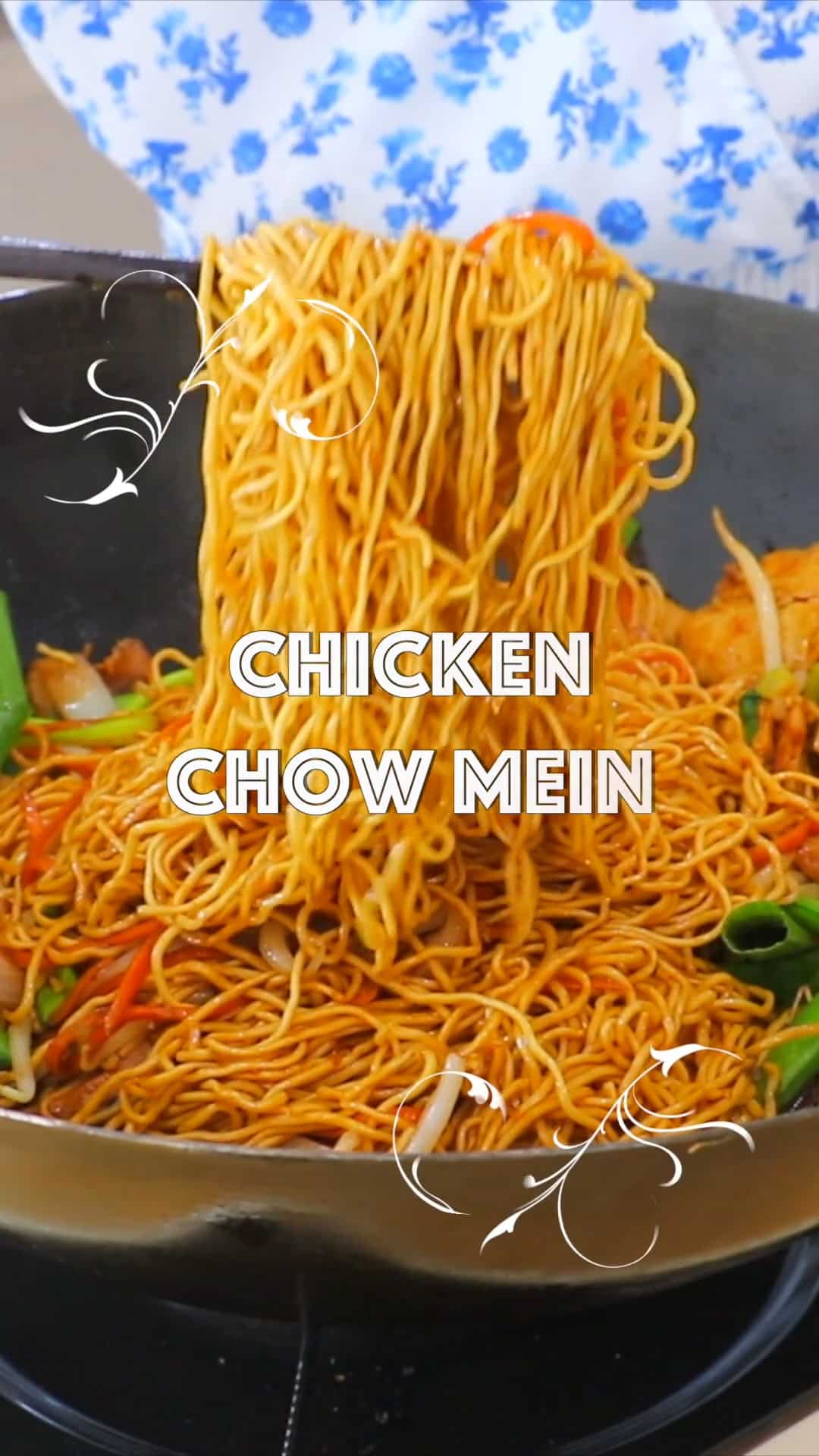
Craving that irresistible flavor of your favorite Chinese takeout? Look no further! Mastering the art of making delicious Chicken Chow Mein at home is easier than you think. Forget greasy, over-sauced noodles; this recipe delivers an authentic, vibrant dish that’s bursting with flavor and texture. Get ready to impress your family and friends with an incredible homemade version of a beloved classic.
Why You’ll Love This Homemade Chow Mein
There’s something incredibly satisfying about creating a beloved takeout dish from scratch, and this homemade Chicken Chow Mein is no exception. It’s not just about saving money; it’s about controlling the quality of your ingredients, customizing flavors to your preference, and enjoying the freshest possible meal. You’ll achieve that perfect balance of savory sauce, tender chicken, crisp-tender vegetables, and perfectly chewy noodles that define the best chicken chow mein.
- Unbeatable Freshness: No more soggy noodles or questionable ingredients. You control everything that goes into your wok.
- Customizable to Your Taste: Adjust the spice level, add your favorite vegetables, or even swap out proteins.
- Healthier Option: Less oil and sodium than many restaurant versions, without sacrificing flavor.
- Faster Than Delivery: Once your ingredients are prepped, this Chinese stir fry noodles dish comes together in minutes.
- The Secret Sauce: Our homemade chow mein sauce is perfectly balanced, offering that quintessential savory and slightly sweet profile.
This is more than just a meal; it’s an experience. Prepare to elevate your weeknight dinners with an authentic chow mein recipe that will have everyone asking for seconds.
Key Ingredients and Substitutions
The magic of great Chicken Chow Mein lies in its fresh ingredients and a few fundamental techniques. Each component plays a vital role in achieving that coveted takeout-style flavor and texture.
The Chicken and Marinade
For truly tender and flavorful chicken, a proper marinade is non-negotiable. We’ll be using the traditional Chinese technique of velveting chicken, which ensures juicy, silky pieces that absorb the flavors beautifully.
- Chicken Breast or Thighs: Boneless, skinless chicken breast or thighs cut into thin slices or bite-sized pieces work best. Thighs offer a richer flavor and stay moister.
- Soy Sauce: Light soy sauce is essential for savory depth.
- Shaoxing Wine: This Chinese cooking wine adds a distinctive aromatic complexity. If unavailable, dry sherry can be a substitute, but for the most authentic chow mein recipe, Shaoxing is preferred.
- Cornstarch: Key for velveting, it creates a protective coating that locks in moisture and tenderizes the chicken.
- Sesame Oil: A tiny dash adds a wonderful nutty aroma to the marinade.
Substitution Tip: While this recipe focuses on chicken, feel free to use thinly sliced beef, shrimp, or firm tofu for a different protein variation. Remember, the velveting technique (using cornstarch) is still highly recommended for any meat.
The Ultimate Chow Mein Sauce
The sauce is the soul of your Chicken Chow Mein. Our blend strikes the perfect balance of savory, sweet, and umami, ensuring every strand of noodle is coated in deliciousness.
- Light Soy Sauce: The backbone of the sauce, providing foundational saltiness and umami.
- Dark Soy Sauce: Adds a beautiful, rich color and a slightly deeper, less salty flavor profile than light soy sauce.
- Oyster Sauce: A secret weapon for adding incredible savory depth and a hint of sweetness. For a vegetarian option, use a mushroom-based vegetarian oyster sauce.
- Shaoxing Wine: Again, for that aromatic complexity.
- Sesame Oil: A finishing touch that provides an irresistible nutty aroma.
- Sugar: A pinch to balance the savory elements and bring out the other flavors.
- White Pepper: Adds a subtle, traditional warmth.
- Cornstarch Slurry: A small amount of cornstarch mixed with water ensures the sauce thickens slightly to cling perfectly to the noodles and ingredients.
Expert Tip: Always mix your homemade chow mein sauce in advance and have it ready to pour. Stir-frying is a fast-paced process, and you won’t have time to measure ingredients in the moment.
Fresh Veggies and Noodles
The vibrant medley of vegetables adds crunch, color, and essential nutrients to your Chicken Chow Mein, while the right noodles provide the perfect texture.
- Chow Mein Noodles: Look for fresh or dried “Chow Mein” style egg noodles. They are typically thin, round, or slightly flat. If using dried, boil them according to package directions until al dente, then rinse and toss with a little oil to prevent sticking.
- Cabbage: Shredded green cabbage is a classic addition, providing a satisfying crunch.
- Carrots: Julienne or thinly slice for color and a touch of sweetness.
- Celery: Thinly sliced celery adds another layer of texture and a mild, fresh flavor.
- Onion: Sliced white or yellow onion provides aromatic depth.
- Bean Sprouts: Added at the very end for a fresh, crisp bite.
- Garlic & Ginger: Freshly minced garlic and grated ginger are indispensable for building the aromatic base of any good Chinese stir fry noodles.
Substitution Tip: Feel free to experiment with other stir-fry friendly vegetables like bell peppers, snap peas, bok choy, or mushrooms. Just ensure they are cut into similar sizes for even cooking.
Pro Tips for the Best Chicken Chow Mein
Elevate your homemade dish from good to restaurant-quality with these expert techniques. These tips are the secrets to achieving truly memorable takeout style noodles.
The Velveting Technique for Tender Chicken
This is arguably the most important step for achieving succulent, tender chicken that rivals your favorite Chinese restaurant. Velveting chicken involves marinating it briefly in a mixture that typically includes soy sauce, Shaoxing wine, cornstarch, and sometimes an egg white or a pinch of baking soda.
- Slice Thinly: Cut chicken against the grain into uniform, thin pieces (about ¼ inch thick).
- Marinate: Combine chicken with light soy sauce, Shaoxing wine, a touch of sesame oil, and most importantly, cornstarch. Mix well to ensure every piece is coated.
- Rest: Allow the chicken to marinate for at least 15-20 minutes at room temperature.
- Quick Fry: Stir-fry the chicken quickly in hot oil until just cooked through, about 1-2 minutes. Do this in batches if necessary to avoid overcrowding the pan. Remove from the wok and set aside. This par-cooking prevents it from overcooking later in the stir-fry.
“Velveting transforms ordinary chicken into something incredibly tender and silky, making every bite of your stir-fry a delight. Don’t skip this crucial step!”
Achieving “Wok Hei” at Home
Wok hei, or “the breath of the wok,” is the elusive smoky, charred aroma and flavor that defines exceptional stir-fries. While a home stove might not generate the intense heat of a commercial wok burner, you can still get close.
- Use a Wok (or Large Skillet): A carbon steel wok is ideal for its heat retention and shape. If you don’t have one, a large, heavy-bottomed skillet or cast-iron pan will work.
- High Heat: Get your wok screaming hot before adding oil. You should see wisps of smoke.
- Hot Oil: Add a high smoke point oil (like peanut, grapeseed, or canola) and let it heat until shimmering.
- Work in Batches: Overcrowding the wok lowers the temperature, steaming your ingredients instead of stir-frying them. Cook vegetables in batches if needed, removing them and adding them back in at the end.
- Don’t Over-Stir: Let ingredients sit on the hot surface for a few seconds to develop some char before stirring. This is key for developing that caramelized flavor.
Achieving true wok hei chicken noodles takes practice, but focusing on high heat and proper batch cooking will significantly improve your results.
How to Prevent Soggy Noodles
Soggy noodles are the enemy of good Chicken Chow Mein. Here’s how to ensure your noodles remain perfectly chewy and distinct.
- Don’t Overcook Noodles: When pre-boiling dried noodles, cook them until just al dente. They will finish cooking in the wok. Fresh noodles usually just need a quick blanch or a toss in the hot wok.
- Rinse and Oil: After boiling, rinse the noodles thoroughly under cold water to stop the cooking process and remove excess starch. Then, toss them immediately with a tablespoon of sesame oil or neutral cooking oil. This prevents them from sticking together and getting mushy.
- Dry Ingredients: Ensure your vegetables are relatively dry after washing. Excess water will steam the dish and dilute the sauce.
- High Heat, Quick Cooking: As mentioned for wok hei, high heat is crucial. It evaporates moisture quickly, ensuring the noodles fry rather than steam.
- Add Noodles Last: Introduce the noodles only after the chicken and vegetables are mostly cooked. They only need a minute or two to heat through and absorb the sauce.
Recipe Variations
While our Chicken Chow Mein recipe is a classic, don’t be afraid to get creative! Here are a few ideas to inspire your next stir-fry:
- Spicy Chow Mein: Add a teaspoon of chili garlic sauce or a few dried chilies to the wok along with the aromatics for a fiery kick.
- Vegetarian Chow Mein: Omit the chicken and double up on vegetables like broccoli florets, snap peas, baby corn, or tofu. Ensure you use vegetarian oyster sauce.
- Seafood Chow Mein: Swap chicken for shrimp, scallops, or a mix of seafood. Cook seafood quickly at high heat to prevent overcooking.
- Extra Veggies: Boost the nutrition and texture by adding bok choy, mushrooms, bell peppers, or snow peas.
Frequently Asked Questions
We’ve gathered some common questions about Chicken Chow Mein to help you master this delicious dish.
- Q: What is the difference between chow mein and lo mein?
- A: This is a classic question! Both are Chinese stir fry noodles, but the preparation differs. Chow mein (meaning “fried noodles”) typically involves frying or crisping the noodles, either by stir-frying them until slightly browned or pan-frying them into a crispy cake before adding other ingredients. The noodles are more of a vehicle for the stir-fry. Lo mein (meaning “tossed noodles”), on the other hand, features softer, thicker noodles that are simply tossed with the sauce and other ingredients, often without significant frying. The noodles are the star of the dish.
- Q: Can I use instant ramen noodles for chow mein?
- A: While you can technically use instant ramen noodles in a pinch, they won’t give you the same authentic texture as proper chow mein noodles. Ramen noodles are typically thinner and absorb liquid very quickly, which can make them mushy in a stir-fry. For the best chicken chow mein, stick to fresh or dried egg noodles designed for stir-fries.
- Q: How can I make my homemade chow mein taste more like takeout?
- A: Focus on a few key areas:
- High Heat: Crucial for developing flavor and preventing sogginess (aim for wok hei chicken noodles).
- Velveting Chicken: Ensures tender, juicy protein.
- The Right Sauce: Use our recommended homemade chow mein sauce ingredients.
- Proper Noodle Prep: Don’t overcook or overcrowd the noodles in the wok.
- Fresh Aromatics: Plenty of fresh ginger and garlic make a huge difference.
- Q: How long does homemade chow mein last in the fridge?
- A: Leftover Chicken Chow Mein can be stored in an airtight container in the refrigerator for up to 3-4 days. Reheat gently in a wok or microwave until warmed through. The noodles might lose some of their crispness, but the flavor will still be delicious.
Full Recipe and Instructions
Get ready to cook the best chicken chow mein you’ve ever had, right in your own kitchen!
Yields: 4 servings | Prep time: 20 minutes | Cook time: 15 minutes
Ingredients:
For the Velveting Chicken:
- 1 lb boneless, skinless chicken breast or thighs, thinly sliced against the grain
- 1 tbsp light soy sauce
- 1 tbsp Shaoxing wine (or dry sherry)
- 1 tbsp cornstarch
- 1 tsp sesame oil
For the Homemade Chow Mein Sauce:
- 2 tbsp light soy sauce
- 1 tbsp dark soy sauce
- 1 tbsp oyster sauce (or vegetarian oyster sauce)
- 1 tbsp Shaoxing wine (or dry sherry)
- 1 tsp sugar
- ½ tsp white pepper
- ½ tsp sesame oil
- 1 tbsp cornstarch mixed with 2 tbsp water (cornstarch slurry)
For the Stir-Fry:
- 1 lb fresh or dried chow mein egg noodles
- 3 tbsp high-smoke-point oil (peanut, grapeseed, or canola), divided
- 2 cloves garlic, minced
- 1-inch piece ginger, grated
- ½ medium yellow onion, thinly sliced
- 2 cups shredded green cabbage
- 1 medium carrot, julienned
- 2 stalks celery, thinly sliced diagonally
- 1 cup bean sprouts
- 2 green onions, sliced (for garnish)
Instructions:
- Prepare the Chicken: In a medium bowl, combine the thinly sliced chicken with 1 tbsp light soy sauce, 1 tbsp Shaoxing wine, 1 tbsp cornstarch, and 1 tsp sesame oil. Mix well to coat thoroughly. Let marinate for at least 15-20 minutes at room temperature while you prep other ingredients.
- Cook the Noodles: If using dried noodles, cook according to package directions until al dente. Drain, rinse thoroughly under cold water to stop cooking and remove excess starch. Toss immediately with 1 tablespoon of the cooking oil to prevent sticking. If using fresh noodles, they may only need a quick blanch or can be added directly to the wok later.
- Mix the Sauce: In a small bowl, whisk together all the homemade chow mein sauce ingredients (light soy sauce, dark soy sauce, oyster sauce, Shaoxing wine, sugar, white pepper, sesame oil, and the cornstarch slurry). Set aside.
- Cook the Chicken: Heat 1 tablespoon of oil in a large wok or a heavy-bottomed skillet over high heat until smoking. Add the marinated chicken in a single layer (cook in batches if necessary to avoid overcrowding). Stir-fry for 1-2 minutes until just cooked through and lightly golden. Remove the chicken from the wok and set aside.
- Stir-Fry Aromatics and Vegetables: Add the remaining 1 tablespoon of oil to the hot wok. Add the minced garlic and grated ginger and stir-fry for about 15-30 seconds until fragrant. Add the sliced onion, shredded cabbage, julienned carrot, and sliced celery. Stir-fry for 3-4 minutes until the vegetables are crisp-tender. Maintain high heat throughout to achieve that delicious wok hei chicken noodles flavor.
- Combine and Finish: Add the cooked chicken back into the wok with the vegetables. Add the prepared noodles. Pour the premixed chow mein sauce over everything.
- Toss and Stir: Using tongs or two spatulas, toss vigorously for 1-2 minutes, ensuring the noodles, chicken, and vegetables are evenly coated with the sauce and heated through. Add the bean sprouts during the last 30 seconds of cooking, tossing until just warmed through but still crisp.
- Serve: Transfer the Chicken Chow Mein to serving plates. Garnish with sliced green onions. Serve immediately and enjoy your incredibly flavorful and authentic homemade creation!
We hope you love making and devouring this fantastic Chicken Chow Mein. For more incredible Asian-inspired recipes and cooking tips, make sure to follow us on Facebook!
Find us here: https://www.facebook.com/profile.php?id=61568538666337
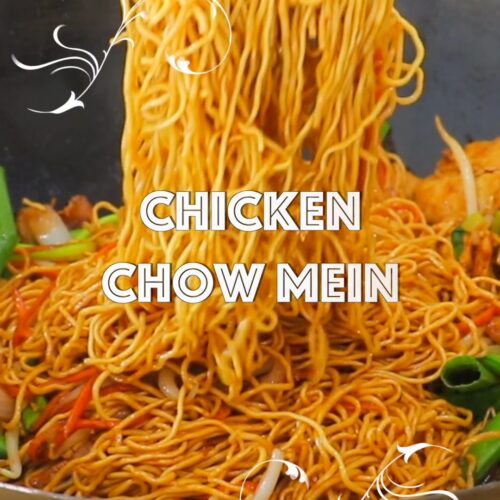
Easy Chicken Chow Mein
Ingredients
- 1/2 pound chicken breast sliced
- 1 pinch salt
- 1 pinch white pepper
- 1 tablespoon rice wine
- 1 egg white
- 1 tablespoon cornstarch
- 1 tablespoon oil for marinade
- 2 tablespoons oil for stir-frying
- 3 cloves garlic minced
- 2 tablespoons soy sauce
- 1 tablespoon dark soy sauce
- 2 tablespoons oyster sauce
- 4 tablespoons water
- 1 pinch white pepper for sauce
- 1 package chow mein noodles 12 oz
- 2 tablespoons oil separated
- 1/2 medium onion sliced
- 1 cup snap peas
- 5 shiitake mushrooms thinly sliced
- 1/2 medium carrot julienned
- 1 cup mung bean sprouts
- 2 stalks scallions
Instructions
- In a bowl, combine sliced chicken breast with a pinch of salt, white pepper, rice wine, egg white, cornstarch, and 1 tablespoon of oil. Mix well and let it marinate for 15 minutes.
- In a separate small bowl, whisk together the soy sauce, dark soy sauce, oyster sauce, water, and a pinch of white pepper to make the sauce. Set aside.
- Cook the chow mein noodles according to the package directions. Drain, rinse under cold water, and toss with 1 tablespoon of oil to prevent sticking.
- Heat a wok or large pan over high heat. Add 2 tablespoons of oil and the marinated chicken. Stir-fry for 3 to 4 minutes until cooked through. Remove the chicken and set aside.
- In the same pan, add 1 tablespoon of oil if needed, then sauté the minced garlic and sliced onion until fragrant.
- Add the snap peas, shiitake mushrooms, and julienned carrots. Stir-fry for 2 minutes until vegetables are crisp-tender.
- Add the cooked noodles, mung bean sprouts, scallions, cooked chicken, and the prepared sauce into the pan. Toss everything together continuously for 2 to 3 minutes until heated through and well combined.
- Serve immediately hot from the wok.
For more daily recipes and tips, follow us on Facebook!
Click here to join our community!