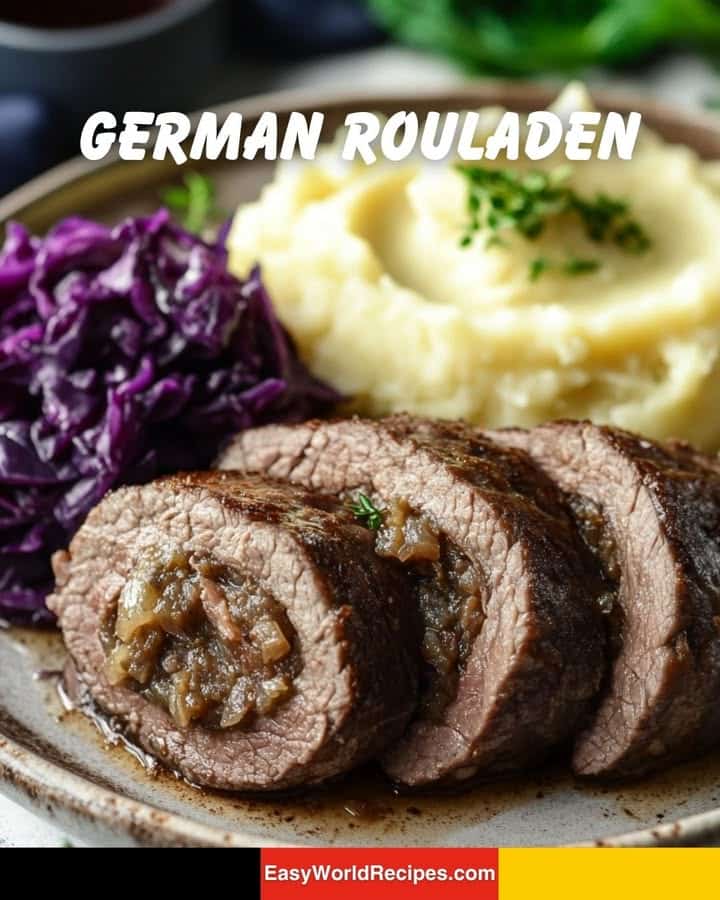
Authentic German Beef Rouladen Recipe: The Ultimate Comfort Food
There are some dishes that just speak to the soul, dishes that evoke warmth, tradition, and a hearty embrace. For many, especially those with a love for German cuisine, that dish is German Rouladen. These magnificent braised beef rolls, with their savory fillings and rich gravy, are more than just a meal; they’re an experience, a cornerstone of Sunday dinner comfort food and a highlight of any celebration, including Oktoberfest recipes.
Imagine tender beef, lovingly rolled around a tangy interior of mustard, pickles, and onions, then slowly braised until it practically melts in your mouth. This isn’t just cooking; it’s a culinary journey to the heart of Germany, a tradition passed down through generations. Join us as we unlock the secrets to creating truly authentic German Rouladen, a dish that promises to impress and satisfy.
What is Traditional German Rouladen?
At its heart, traditional Rinderrouladen (beef rouladen) refers to thinly sliced beef that is spread with mustard, layered with savory ingredients like pickles and onions, then rolled up, seared, and slow-cooked in a rich broth. This culinary masterpiece has a long and storied history in Germany, where it has been a cherished staple for centuries. It’s the kind of meal families gather around, a symbol of togetherness and culinary heritage.
These savory beef rolls gained popularity as a way to tenderize tougher cuts of meat through long, gentle braising, transforming them into something truly sublime. They are the quintessential Sunday dinner comfort food, often prepared on special occasions or during the colder months, offering warmth and a sense of indulgence. While loved year-round, Rouladen also makes a frequent appearance on menus during festive times, becoming a beloved part of global Oktoberfest recipes.
Essential Ingredients for Rinderrouladen
The magic of Rouladen lies in the careful balance of its core components, creating a sweet, sour, and savory flavor profile that is utterly distinct and deeply satisfying. Achieving that authentic German Rouladen taste starts with selecting the right ingredients.
Choosing the Right Cut of Beef
The foundation of great German Rouladen is, naturally, the beef. You’ll want a cut that is lean but can become incredibly tender with slow cooking. Ideal choices include thinly sliced top round, flank steak, or silverside. These cuts are perfect because they can be pounded even thinner without falling apart.
Pounding the meat is a crucial step. Not only does it help tenderize the beef, but it also creates a larger, more uniform surface area for spreading the filling and rolling. Aim for slices about ⅛ to ¼ inch thick, which will allow them to roll tightly and cook evenly, ensuring each braised beef roll is perfectly tender.
The Classic Filling: Mustard, Pickles, and Onions
The soul of German Rouladen truly resides in its classic filling, a delightful symphony of tangy, sharp, and savory flavors. The cornerstone is a generous spread of robust German mustard, which adds a crucial zesty kick and helps to tenderize the meat. Alongside the mustard, thinly sliced dill pickles (or gherkins) provide a wonderful vinegary brightness that cuts through the richness of the beef. Lastly, finely chopped or thinly sliced onions, often sautéed slightly for sweetness, contribute a savory depth and aromatic warmth.
Some variations also include strips of carrot for a touch of sweetness and color, or a sprinkle of fresh parsley for herbaceous notes. The interplay of mustard and pickles is what truly defines the quintessential Rouladen flavor profile.
Using Smoked Beef Bacon
A vital component that contributes incredible depth and a signature smoky fat to German Rouladen is smoked beef bacon. Laying a strip or two of flavorful smoked beef bacon over the mustard and pickles before rolling ensures a rich, savory layer that slowly renders during the braising process. This infuses the entire dish with a wonderful umami complexity and keeps the beef rolls moist and tender. The smoky notes from the beef bacon are integral to the traditional taste and contribute significantly to the overall deliciousness of the Rouladen.
Step-by-Step Cooking Instructions
Bringing Rouladen to life is a labor of love, but the process is incredibly rewarding. Follow these steps for perfect braised beef rolls every time.
Preparing and Stuffing the Beef Rolls
- Pound the Beef: Place each slice of beef between two pieces of plastic wrap. Using a meat mallet, pound the meat evenly until it’s about ⅛ to ¼ inch thick. This ensures tenderness and easy rolling.
- Season: Lightly season one side of each pounded beef slice with salt and freshly ground black pepper.
- Spread Mustard: On the seasoned side, spread a thin, even layer of authentic German mustard, leaving a small border around the edges.
- Layer the Filling: Place a strip or two of smoked beef bacon on top of the mustard. Then, arrange a few dill pickle spears or slices and a spoonful of chopped or sliced onions near one end of the beef.
- Roll Tightly: Starting from the end with the filling, carefully and tightly roll the beef away from you. This prevents the filling from spilling during cooking.
- Secure: Secure each roll with kitchen twine, toothpicks, or metal rouladen pins. This is crucial to keep the braised beef rolls intact during searing and braising.
Searing for Maximum Flavor
Do not skip this step! Searing the rouladen is essential for developing a deep, rich flavor that forms the foundation of your gravy. In a large Dutch oven or heavy-bottomed pot, heat a few tablespoons of high-smoke-point oil (like canola or grapeseed oil) over medium-high heat. Once the oil is shimmering, carefully place the beef rolls in the pot, ensuring not to overcrowd it (work in batches if necessary).
Sear the rolls on all sides until they are deeply browned and caramelized. This browning creates what chefs call ‘fond’ – the caramelized bits stuck to the bottom of the pan – which is packed with intense flavor and will become the backbone of your incredible rouladen gravy.
Low and Slow Braising
Once seared, remove the rouladen from the pot and set aside. Deglaze the pot with a splash of red wine or beef broth, scraping up all those flavorful fond bits. Add chopped aromatics like carrots, celery, and more onions, and sauté until softened. Return the braised beef rolls to the pot.
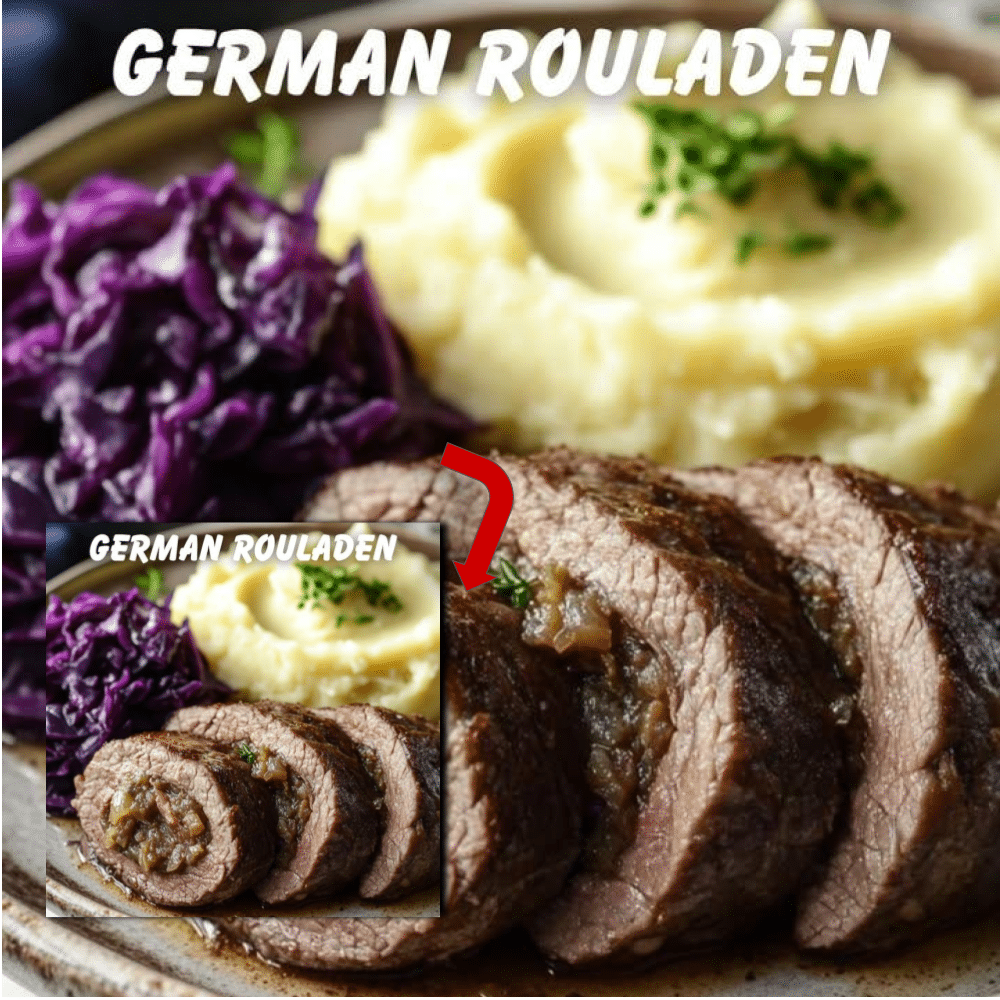
Pour in enough beef broth (and perhaps a bit more red wine) to come about two-thirds of the way up the rouladen. Bring the liquid to a gentle simmer, then reduce the heat to low, cover the pot tightly, and let it braise slowly. This low and slow cooking process, typically lasting 2.5 to 3 hours, is what transforms the beef into melt-in-your-mouth perfection, creating incredibly tender and flavorful authentic German Rouladen.
Crafting the Perfect Rouladen Gravy
No German Rouladen meal is complete without its luxurious, savory gravy. After the rouladen has finished braising, carefully remove the beef rolls from the pot and set them aside. Strain the braising liquid through a fine-mesh sieve, pressing down on the solids to extract as much flavor as possible. Discard the solids.
Return the strained liquid to the pot and bring it to a simmer. In a small bowl, whisk together a cornstarch slurry (equal parts cornstarch and cold water). Slowly whisk the slurry into the simmering gravy, a little at a time, until it reaches your desired thickness. Continue to simmer for a few minutes to allow the gravy to thicken and lose any starchy taste. Taste and adjust seasonings, adding more salt, pepper, or a touch of vinegar (from the pickle juice) if needed to balance the flavors. You’ll be left with a glossy, rich rouladen gravy that beautifully complements the tender beef.
What to Serve with German Beef Rouladen
To truly complete your authentic German Rouladen experience, pair these magnificent beef rolls with traditional German side dishes. These accompaniments are designed to balance the rich flavors and soak up every last drop of that delectable rouladen gravy.
Traditional Red Cabbage (Rotkohl)
A quintessential pairing for German Rouladen is Rotkohl, or traditional red cabbage. This sweet and sour stewed red cabbage, often flavored with apples, onions, vinegar, and spices, offers a delightful tanginess and subtle sweetness. Its bright flavor and slight acidity perfectly cut through the richness of the braised beef, providing a refreshing contrast on your palate.
Creamy Mashed Potatoes
For soaking up every last bit of that luscious rouladen gravy, nothing beats creamy mashed potatoes. Their soft, fluffy texture and mild flavor provide the perfect canvas for the savory sauce. Alternatively, traditional German Spätzle, small, soft egg noodles, also make an excellent choice, offering a delightful chewiness that complements the tender beef rolls beautifully. Both options ensure that none of that precious gravy goes to waste, elevating the dish to true Sunday dinner comfort food status.
Pro Tips for Make-Ahead and Storage
One of the best secrets about German Rouladen is that it often tastes even better the next day! The flavors have more time to meld and deepen, making it an ideal make-ahead meal for entertaining or for enjoying throughout the week.
- Make-Ahead: Prepare the Rouladen entirely, including the gravy, up to two days in advance. Store it in an airtight container in the refrigerator. Gently reheat on the stovetop over low heat, or in the oven at 300°F (150°C) until warmed through, adding a splash of broth if the gravy has thickened too much.
- Freezing: Cooked Rouladen freezes beautifully. Allow the beef rolls and gravy to cool completely. Transfer them to freezer-safe containers, ensuring the rouladen are submerged in gravy to prevent drying out. It can be frozen for up to 3 months. Thaw overnight in the refrigerator before reheating.
- Reheating: For best results, reheat slowly. If reheating from frozen, it’s best to thaw first, then gently warm on the stove or in the oven. Avoid high heat, which can make the beef tough.
Frequently Asked Questions (FAQs)
Here are some common questions about preparing authentic German Rouladen:
Can I use a slow cooker or pressure cooker for German rouladen?
- Slow Cooker: Yes, you can adapt this recipe for a slow cooker. After searing the beef rolls and deglazing the pot, transfer everything to your slow cooker. Cook on low for 6-8 hours or on high for 3-4 hours, or until the beef is fork-tender. You can then make the gravy on the stovetop from the braising liquid.
- Pressure Cooker: Absolutely! After searing, place the rouladen and braising liquid into the pressure cooker. Cook on high pressure for about 45-60 minutes, followed by a natural pressure release. This significantly reduces cooking time while still achieving incredibly tender results.
What type of mustard is best if I cannot find authentic German mustard?
- If authentic German mustard (such as a medium-hot or Löwensenf brand) is unavailable, a good quality Dijon mustard is your best substitute. It offers a similar tangy, slightly spicy profile that works well with the beef. Avoid overly sweet mustards or American yellow mustard, as they will alter the traditional flavor significantly.
How do I keep the meat rolls from falling apart in the pot?
- The key to keeping your braised beef rolls intact is proper securing. Always tie each roulade tightly with kitchen twine, use sturdy wooden toothpicks, or specialized metal rouladen pins. Ensure the ends of the roll are also secured. Additionally, make sure the braising liquid comes only about two-thirds of the way up the rolls, rather than fully submerging them, and maintain a gentle simmer (not a rolling boil) to prevent vigorous bubbling from unraveling them.
We hope this guide inspires you to create your own unforgettable batch of German Rouladen. It’s a dish that embodies the spirit of hearty German cooking and brings joy to any table.
For more delicious recipes and culinary adventures, make sure to follow us on Facebook: https://www.facebook.com/profile.php?id=61568538666337
Authentic German Beef Rouladen
Ingredients
- 2 lbs Beef top round sliced 1/4 inch thick
- 8 slices Beef bacon substituted for pork bacon
- 1/2 cup German mustard or Dijon mustard
- 1 large Onion thinly sliced
- 4 whole Dill pickles cut into spears
- 2 tbsp Vegetable oil
- 2 cups Beef broth
- 1 cup Red wine or substitute with extra beef broth
- 1 large Carrot roughly chopped
- 1 rib Celery roughly chopped
- 2 tbsp Cornstarch mixed with 2 tbsp cold water
- 1 pinch Salt and black pepper to taste
- 2 tbsp Fresh chives chopped, for garnish
Instructions
- Lay the beef slices flat on a clean cutting board and pound them gently until they are an even 1/4 inch thickness. Season both sides of the beef with salt and black pepper.
- Spread a generous layer of German mustard evenly over one side of each beef slice.
- Layer the beef bacon slices, thinly sliced onions, and dill pickle spears on top of the mustard coating.
- Tightly roll up each beef slice, tucking in the sides to contain the filling, and secure the rolls with kitchen twine or toothpicks.
- Heat the vegetable oil in a large Dutch oven or heavy-bottomed pot over medium-high heat. Sear the beef rolls on all sides until nicely browned.
- Remove the browned rouladen from the pot and set aside. Add the chopped carrots, celery, and any leftover onions to the pot, sautéing until slightly softened.
- Pour the red wine into the pot to deglaze the pan, scraping up all the browned bits from the bottom. Stir in the beef broth.
- Return the beef rouladen to the pot, cover with a tight-fitting lid, and simmer on low heat for 1.5 to 2 hours until the meat is fork-tender.
- Carefully remove the tender rouladen to a warm plate. Strain the braising liquid to discard the vegetable solids, then return the smooth liquid to the pot.
- Whisk the cornstarch and cold water mixture into the simmering liquid to thicken the gravy. Taste and season with additional salt and pepper if needed.
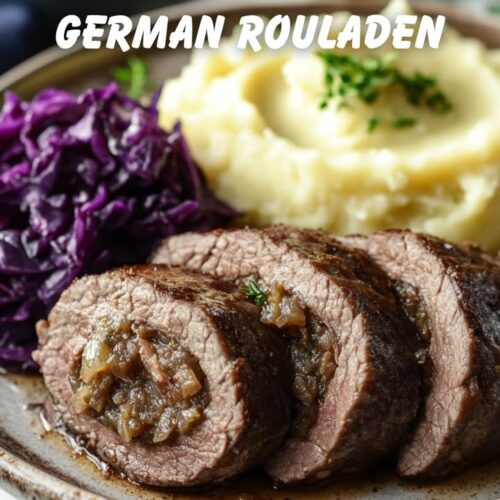
- Remove the twine or toothpicks from the meat rolls. Serve the rouladen topped generously with the hot gravy, garnished with fresh chives, alongside red cabbage and mashed potatoes.
For more daily recipes and tips, follow us on Facebook!
Click here to join our community!