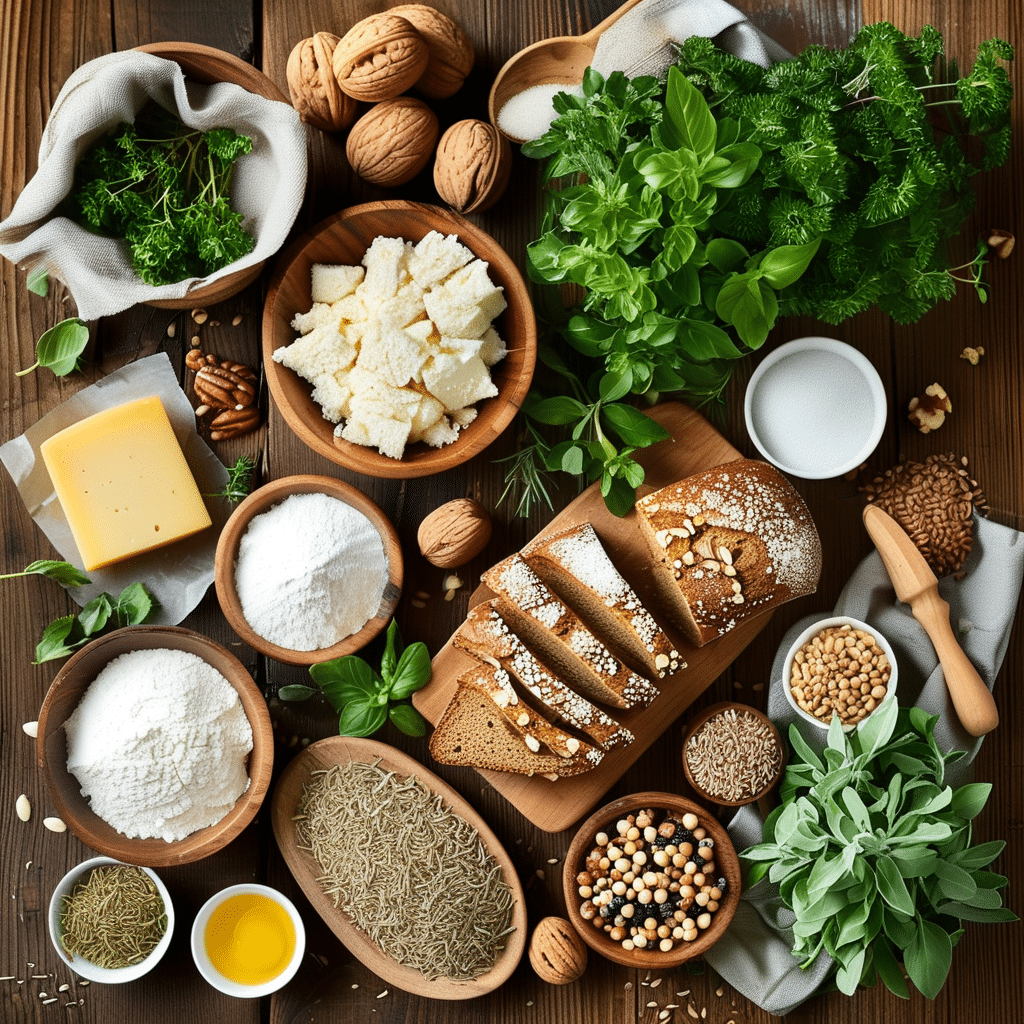
The Magic of Homemade Herb Bread
There are few things as comforting and rewarding as the aroma of freshly baked bread wafting through your home. It’s a sensory experience that transports you, promising warmth, nourishment, and a touch of homemade magic. But why stop at plain bread when you can infuse it with vibrant flavors and aromas? This Homemade Herb Bread Recipe isn’t just about baking; it’s about crafting an experience, a rustic, savory loaf that’s surprisingly easy for beginners and utterly delicious for everyone.
Adding herbs elevates a simple loaf from good to extraordinary. Each bite offers a whisper of nature, a burst of savory goodness that complements countless meals. Forget complicated techniques; our approach to this artisan garlic herb bread focuses on clear, actionable steps, making it an ideal easy yeast bread for beginners. Get ready to impress yourself and your loved ones with a loaf that looks and tastes like it came straight from a gourmet bakery.
Essential Ingredients for Herb Bread
Success in bread baking starts with understanding your ingredients. While the concept of a homemade rustic bread loaf might seem daunting, it truly boils down to a few key components.
The Flour Foundation
The flour you choose plays a crucial role in the texture of your bread.

- All-purpose vs. Bread Flour: While all-purpose flour works wonderfully for a tender crumb, bread flour, with its higher protein content, develops more gluten. This results in a chewier, more structured loaf – perfect for that classic artisanal feel. For this recipe, either will work, but bread flour will give you a slightly more robust chew.
- Whole Wheat Substitutions: For a nuttier flavor and added fiber, you can substitute up to 25-30% of the all-purpose or bread flour with whole wheat flour. Keep in mind that whole wheat absorbs more liquid, so you might need a tiny splash more water to achieve the right dough consistency.
Selecting the Best Herbs
The herbs are the heart and soul of our savory rosemary olive oil bread. Choose wisely for maximum flavor impact.
- Fresh vs. Dried: This is a common question when baking with herbs. Fresh herbs offer a brighter, more vibrant flavor, while dried herbs deliver a more concentrated, earthy punch. As a general rule, use three times the amount of fresh herbs as dried herbs. For instance, if a recipe calls for 1 teaspoon of dried rosemary, use 3 teaspoons of fresh, finely chopped rosemary. Dried herbs are often the best dried herbs for baking bread due to their consistent potency and availability.
- Top Herb Combinations:
- Rosemary and Sea Salt: A timeless classic. The pungent, piney notes of rosemary with coarse sea salt create an incredibly aromatic and visually appealing crust.
- Basil, Oregano, and Garlic (Italian Style): This trio evokes the sunny flavors of the Mediterranean. It’s a fantastic choice if you’re aiming for an Italian herb bread.
- Thyme and Lemon Zest: For a lighter, brighter loaf, the earthy notes of thyme are beautifully complemented by the bright, citrusy zing of lemon zest.
- The Role of Garlic: Garlic is almost non-negotiable for many herb bread enthusiasts. Fresh minced garlic provides a potent, pungent kick that mellows beautifully during baking. Garlic powder offers a more subtle, uniform garlic flavor throughout the dough. You can use either, or a combination, depending on your preference for intensity.
Yeast and Liquids
These components are critical for a perfect rise and texture.
- Active Dry vs. Instant Yeast:
- Active dry yeast requires “proofing” – dissolving it in warm water with a pinch of sugar to activate it before adding to the dry ingredients. This confirms the yeast is alive.
- Instant yeast can be mixed directly with your dry ingredients, saving a step, as it activates quickly upon contact with liquid. Both work well for this recipe; just follow the activation instructions on the packet.
- Using Olive Oil: A generous drizzle of good quality olive oil doesn’t just add flavor; it contributes to a softer crumb and helps achieve that beautiful golden-brown crust. It also adds a wonderful richness to our savory rosemary olive oil bread.
- Water Temperature Tips: The ideal water temperature for activating yeast is between 105°F and 115°F (40°C-46°C). Water that’s too cold won’t activate the yeast, and water that’s too hot will kill it. A good trick is to use water that feels comfortably warm to the touch, like a baby’s bath.
Step-by-Step Baking Instructions
Mastering this Homemade Herb Bread Recipe is simpler than you think. Follow these steps for a glorious loaf.
1. Activating the Yeast
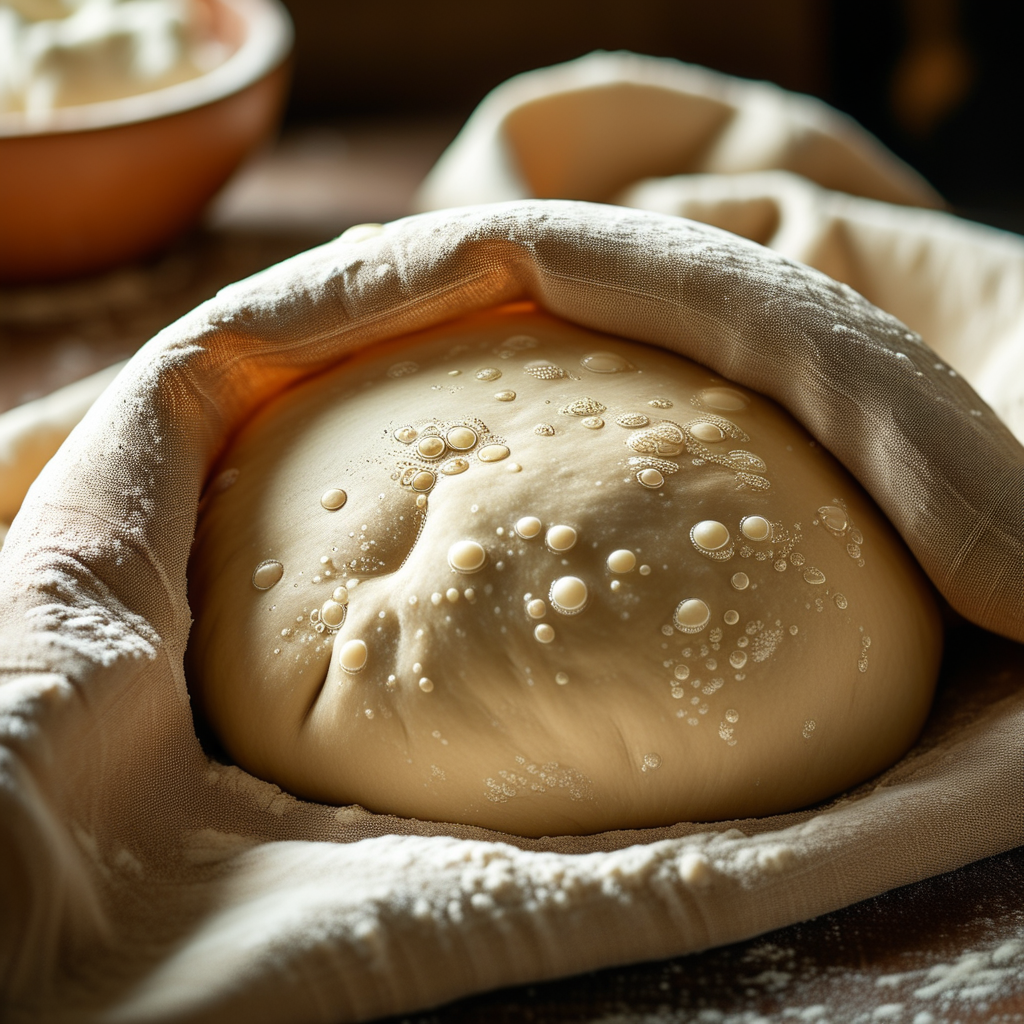
If using active dry yeast, this step is crucial. In a large bowl, combine your warm water (105-115°F / 40-46°C), a pinch of sugar, and the yeast. Stir gently and let it sit for 5-10 minutes. You’ll know it’s active when you see proofing signs like foaming and bubbling on the surface. This indicates your yeast is alive and ready to work!
2. Mixing and Kneading
Once your yeast is active (or if using instant yeast, simply combine it with your dry ingredients), it’s time to bring everything together.
- In a large bowl, whisk together the flour, salt, and your chosen dried herbs (if using). Add the activated yeast mixture (or water, yeast, and olive oil if using instant yeast), and the olive oil.
- Stir with a wooden spoon or a sturdy spatula until a shaggy dough forms.
- Integrating Herbs Evenly: When adding fresh herbs or garlic, ensure they are finely minced. Incorporate them during the initial mixing phase to distribute them uniformly throughout the dough. This prevents pockets of intense flavor and ensures every slice is delicious.
- Hand Kneading Techniques vs. Using a Stand Mixer:
- Hand Kneading: Turn the dough out onto a lightly floured surface. Fold the dough over itself, push down with the heel of your hand, rotate, and repeat. Continue for 8-10 minutes until the dough is smooth and elastic. This is a wonderfully therapeutic way to make a homemade rustic bread loaf.
- Stand Mixer: Attach the dough hook and knead on low speed for 6-8 minutes. The dough should pull away cleanly from the sides of the bowl.
- The Windowpane Test: To know when gluten is developed enough, take a small piece of dough and gently stretch it with your fingers. If you can stretch it thin enough to see light through it without it tearing, your dough is perfectly kneaded.
3. The First Rise (Bulk Fermentation)
Grease a large bowl with a little olive oil. Place the kneaded dough in the bowl, turning it once to coat. Cover the bowl tightly with plastic wrap or a damp kitchen towel. For the ideal temperature and environment, place the bowl in a warm, draft-free spot (like a turned-off oven with the light on, or a sunny windowsill). Let it rise for 1 to 1.5 hours, or until it has “doubled in size”. This means it should look significantly puffier and lighter.
4. Shaping and Second Rise
Gently punch down the risen dough to release the air. Turn it out onto a lightly floured surface.
- Creating a Round Boule or Standard Loaf: For a round boule, gently tuck the edges of the dough underneath itself to create a taut, round surface on top. For a standard loaf, shape it into an oblong cylinder.
- Scoring the Top: Place your shaped loaf on a baking sheet lined with parchment paper or in a lightly greased loaf pan. Using a sharp knife or a bread lame, make 2-3 shallow slits on the top of the dough. This helps the bread expand evenly and adds professional aesthetics to your artisan garlic herb bread.
- Cover loosely and let it rise again in a warm spot for another 30-45 minutes, or until noticeably puffy.
5. Baking to Perfection
Preheat your oven to 400°F (200°C) with an oven rack positioned in the middle. If you have a baking stone, place it in the oven during preheating.
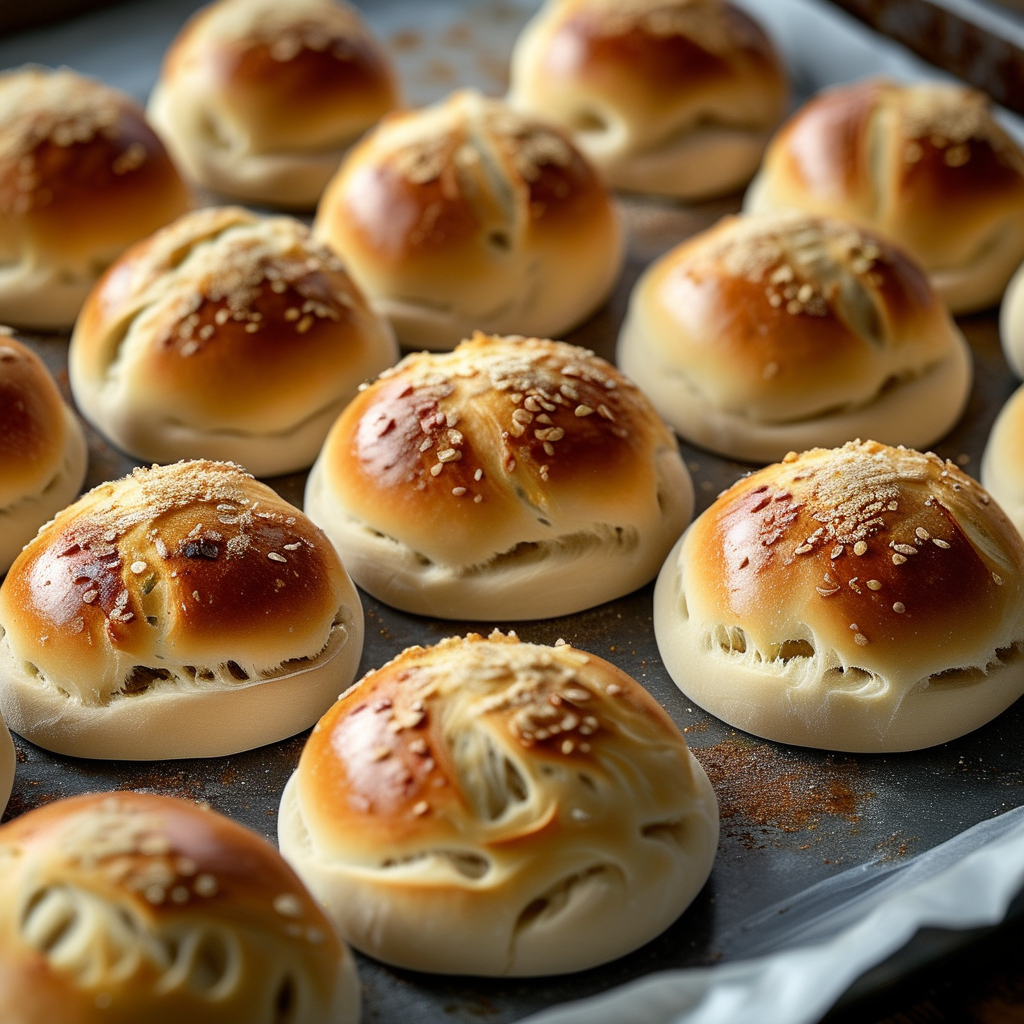
- Carefully transfer the risen dough to the preheated oven. You can create a steamy environment by placing a shallow pan of hot water on the bottom rack of your oven for the first 10-15 minutes of baking, which helps create a beautiful, crispy crust.
- Bake for 25-35 minutes, or until the crust is deeply golden brown.
- Testing for Doneness: The best way to know your bread is baked through is by tapping the bottom of the loaf. If it sounds hollow, it’s ready. An internal temperature of 200-210°F (93-99°C) also indicates doneness.
Allow the bread to cool completely on a wire rack before slicing. This allows the internal structure to set.
Variations to Customize Your Loaf
This Homemade Herb Bread Recipe is incredibly versatile. Don’t be afraid to experiment!
- Cheesy Herb Bread: Fold in 1 cup of shredded Parmesan, sharp cheddar, or Gruyère cheese during the kneading phase for a rich, gooey addition.
- Nutty Crunch: Add ½ cup of toasted walnuts, pecans, or pine nuts to the dough for an unexpected textural element and earthy flavor.
- Spicy Kick: For those who love a bit of heat, mix in 1-2 teaspoons of red pepper flakes or finely diced jalapeños (seeds removed for less heat) with the herbs.
- Dutch Oven Method: For an exceptionally crispy crust and rustic appearance, preheat your Dutch oven inside the oven. Carefully place the shaped dough into the hot Dutch oven, cover, and bake for 25-30 minutes, then uncover and bake for another 10-15 minutes until golden brown. This method truly enhances the homemade rustic bread loaf experience.
Troubleshooting Common Bread Problems
Even seasoned bakers encounter hiccups. Here are solutions to common issues with your easy yeast bread for beginners.
- Why is my bread dense? This is often due to insufficient kneading (not enough gluten development), dead yeast, or adding too much flour. Ensure your yeast is active and measure your flour accurately.
- Why didn’t the dough rise? The most common culprits are dead yeast (water too hot or too cold), an excessively cold room, or using old yeast. Double-check your yeast’s expiry date and ensure your rising environment is warm enough.
- Crust is too hard or too soft: A hard crust can be due to overbaking or lack of steam in the oven. A soft crust might mean the bread didn’t bake long enough, or the oven temperature was too low. Adjust baking time and consider adding a pan of water for steam.
Serving and Storage Suggestions
Your beautiful Homemade Herb Bread Recipe deserves to be enjoyed! This delicious bread pairs perfectly with almost anything.
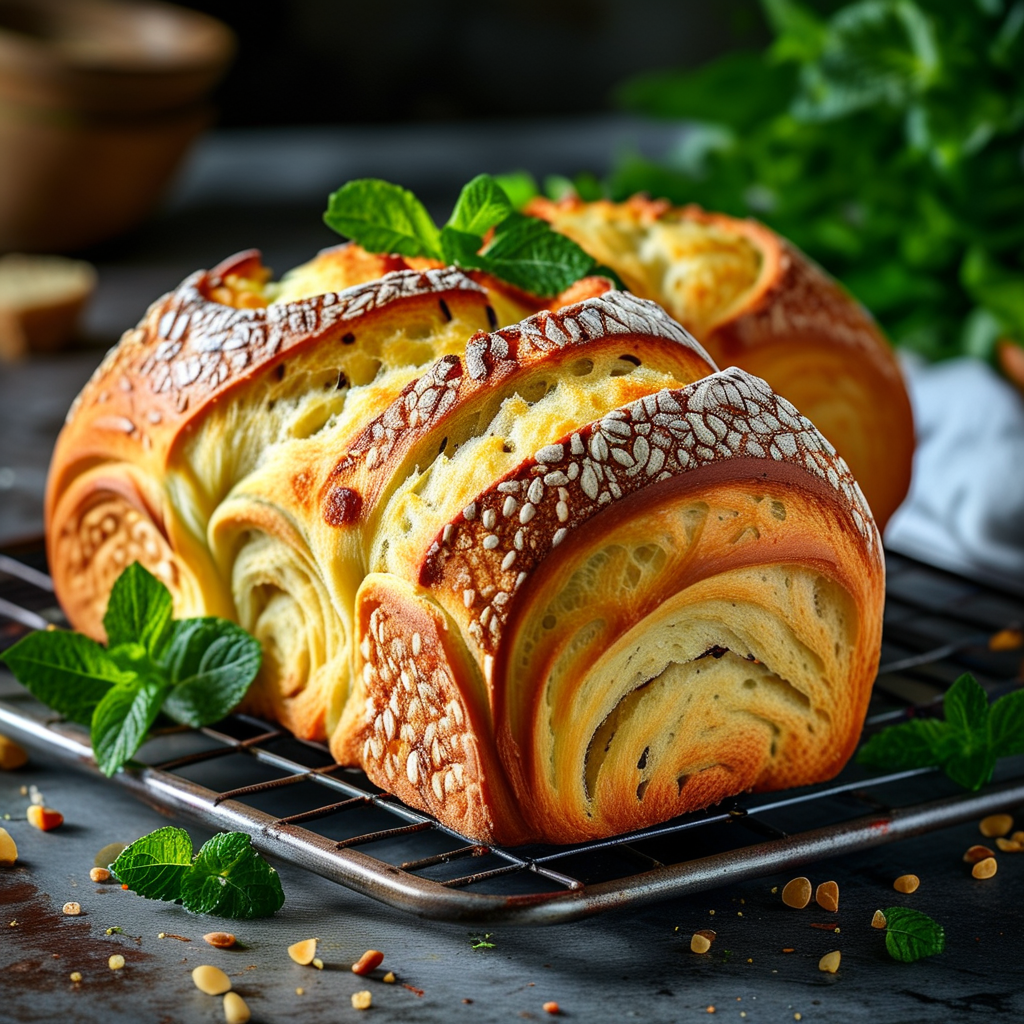
- Pairing Ideas: Serve warm slices alongside hearty beef stews, rich pasta nights, or robust chili. It makes fantastic toast with herb butter, a delightful base for open-faced sandwiches, or simply enjoyed with good olive oil and a sprinkle of flaky sea salt. It’s also an excellent accompaniment to a vegan herb bread recipe, making a complete and satisfying meal.
- Freezing Tips: To preserve freshness, slice the cooled loaf before freezing. Arrange slices in a single layer on a baking sheet, freeze until solid, then transfer to a freezer-safe bag. This allows you to grab just a few slices as needed for easy access.
- Reviving Stale Bread: Don’t toss that day-old bread! You can revive it by spritzing with water and reheating briefly in the oven. Stale herb bread also makes incredible croutons for salads or delicious breadcrumbs for coating cutlets or topping casseroles.
Frequently Asked Questions (FAQs)
Here are some common questions about baking a flavorful herb bread.
- Can I make this in a bread machine?
Yes, you absolutely can! Most bread machines have a “dough” cycle. Add the liquids first, then the dry ingredients, with the yeast last on top. Follow your bread machine’s specific instructions for the dough cycle. Once the cycle is complete, you can then shape and bake the loaf in your regular oven as directed for superior crust development.
- How long does fresh herb bread last?
Freshly baked herb bread is best enjoyed within 2-3 days when stored at room temperature in an airtight container or bread box. For longer storage, it can be frozen for up to 3 months, as described in our freezing tips.
- Can I use gluten-free flour blends?
While this specific Homemade Herb Bread Recipe is designed for wheat flour, you can adapt it using a 1:1 gluten-free bread flour blend that contains xanthan gum. You may need to adjust the liquid slightly, as gluten-free flours absorb liquids differently. The texture will be different from a traditional wheat-based bread, but a delicious vegan herb bread recipe can certainly be achieved.
There you have it – your comprehensive guide to baking the most delightful Homemade Herb Bread Recipe. The process is rewarding, and the result is a comforting, flavorful loaf that will become a staple in your kitchen. Happy baking!
For more delicious recipes and baking tips, follow us on Facebook at https://www.facebook.com
Rustic Garlic and Herb Homemade Bread
Ingredients
- Warm water 110°F / 45°C - ideal for yeast activation with no thermometer needed (think bath water temp). check yeast packet for specifics. water too hot kills ye...
- 1 cup Warm water 110°F / 45°C - Ideal for yeast activation.
- 1 tbsp White sugar Feeds the yeast; honey can be substituted.
- 2.25 tsp Active dry yeast One standard packet (7g).
- 2 tbsp Olive oil Plus extra for brushing the bowl and loaf.
- 1 tsp Salt Fine sea salt is best.
- 2 cloves Garlic Minced finely; or use 1 tsp garlic powder.
- 1 tsp Dried rosemary Crush slightly to release oils.
- 1 tsp Dried basil Or 1 tbsp fresh chopped basil.
- 1 tsp Dried oregano Adds a classic savory aroma.
- 3 cups Bread flour All-purpose flour also works; spoon and leveled.
Instructions
- Activate the yeast: In a large mixing bowl or the bowl of a stand mixer, combine the warm water and sugar. Stir in the yeast and let it sit for 5-10 minutes until the mixture becomes foamy and bubbly.
- Mix the dough: Add the olive oil, salt, minced garlic, dried rosemary, basil, and oregano to the yeast mixture. Stir in 1 cup of flour until combined. Gradually add the remaining flour, mixing until a soft, tacky dough forms (you may not need all the flour).
- Knead the dough: Turn the dough onto a lightly floured surface and knead by hand for 5-7 minutes, or use a stand mixer with a dough hook on low speed for 5 minutes, until the dough is smooth and elastic.
- First rise: Lightly grease a large bowl with olive oil. Place the dough inside, turning it once to coat with oil. Cover with a clean kitchen towel or plastic wrap. Let it rise in a warm, draft-free place for about 1 hour, or until doubled in size.
- Shape the loaf: Punch the dough down gently to release air. Shape it into a round loaf (boule) or an oval shape. Place it on a parchment-lined baking sheet or into a greased loaf pan.
- Second rise: Cover the shaped loaf loosely and let it rise again for 30 minutes. Meanwhile, preheat your oven to 375°F (190°C).
- Bake: Brush the top of the loaf with a little olive oil for a golden crust. Bake in the preheated oven for 25-30 minutes, or until the bread is golden brown and sounds hollow when tapped on the bottom.
- Cool: Remove the bread from the oven and transfer it to a wire rack. Let it cool completely before slicing to ensure the best texture.
For more daily recipes and tips, follow us on Facebook!
Click here to join our community!