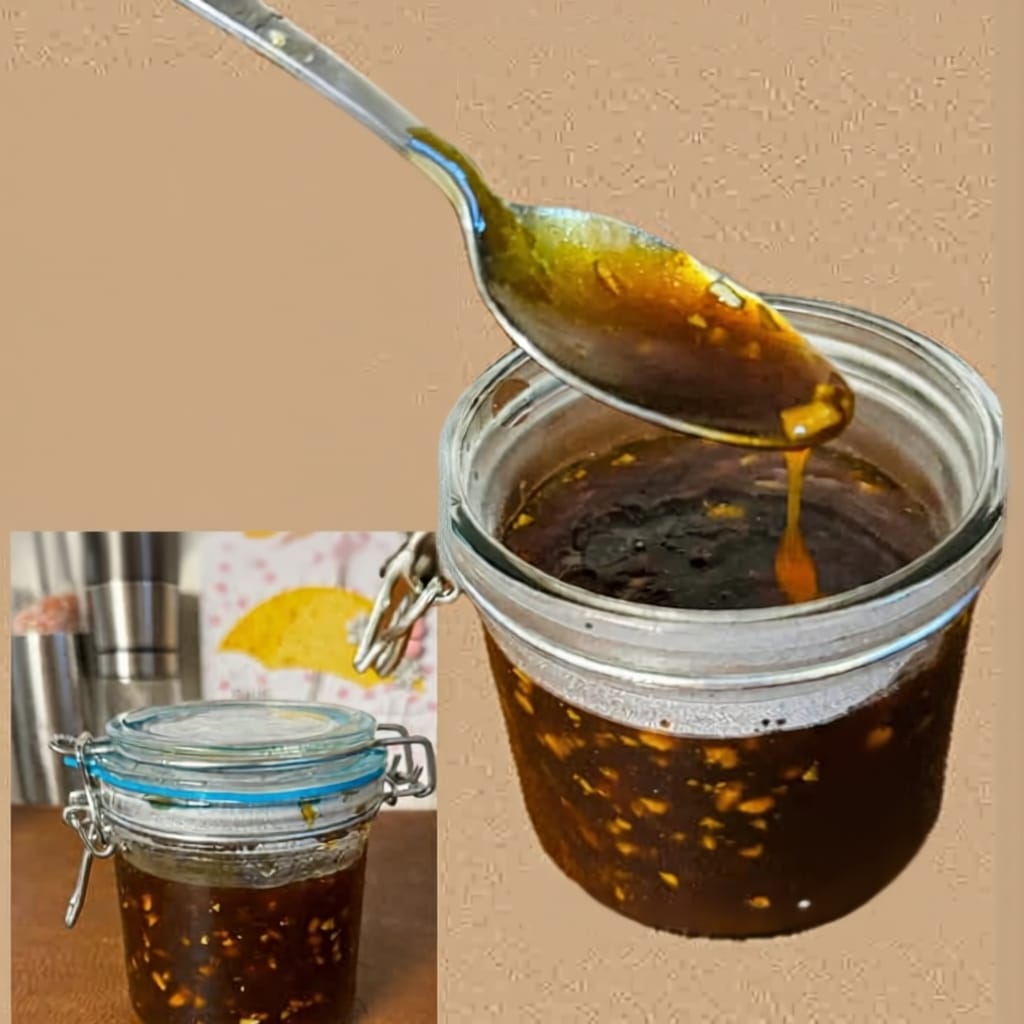
Ever wondered how your favorite takeout stir fry achieves that perfect balance of savory, sweet, and tangy flavors, along with that irresistible glossy sheen? The secret isn’t just a magical wok technique, but in a perfectly crafted Asian Stir Fry Sauce. Forget those store-bought bottles filled with preservatives and excess sodium; today, we’re diving into the art of creating a homemade stir fry sauce that will elevate your weeknight meals, making healthy dinner ideas a delicious reality right at home.
Why Make Your Own Sauce?
Flavor Control
Crafting your own homemade stir fry sauce offers unparalleled control over its flavor profile. Adjust sweetness, sodium, and specific spices to suit your exact preference. This personalization ensures a sauce perfectly tailored to your palate, while also allowing you to manage sodium levels, making it a truly healthy stir fry sauce option for you and your family.
No Preservatives
Say goodbye to unpronounceable ingredients and unnecessary additives. Store-bought sauces often contain a laundry list of preservatives and artificial components. By making your own, you’re choosing fresh, wholesome ingredients. This ensures a cleaner, healthier meal you can feel good about serving, allowing the natural goodness of each component to truly shine through.
Versatility
A well-made Asian Stir Fry Sauce is incredibly versatile. It doubles as an amazing beef stir fry marinade, infusing your protein with deep flavor before it even hits the hot wok. Beyond that, it can be used as a glaze for roasted vegetables, a delightful dipping sauce for spring rolls, or even as a base for other Asian-inspired dishes. This single recipe becomes a foundational element in your culinary arsenal, making meal prep a breeze and expanding your repertoire of easy dinner ideas.
Key Ingredients for Authentic Flavor
The magic of a truly great Chinese brown sauce recipe lies in the harmony of its core components. Each ingredient plays a vital role, contributing to the depth, balance, and signature appeal of your ultimate Asian Stir Fry Sauce. Let’s explore the essentials:
Oyster Sauce
Often considered the backbone of many classic Asian sauces, oyster sauce delivers that crucial savory umami punch that defines authentic stir-fries. For those seeking a delicious oyster sauce substitute, vegetarian mushroom sauce or a quality Hoisin sauce can step in beautifully, offering a similar depth and dark color. Choose a brand you trust, as its quality will significantly impact the final taste.
Rice Vinegar
To cut through the richness and provide a bright counterpoint to the savory elements, rice vinegar is indispensable. Its mild acidity adds a pleasant tang without overpowering other flavors. It lifts and brightens everything, ensuring your stir fry doesn’t taste heavy or one-dimensional. A little goes a long way in achieving that perfect, balanced flavor profile that makes a homemade stir fry sauce so appealing.
Aromatics
When it comes to building flavor, fresh aromatics are non-negotiable. Fresh ginger and garlic are the aromatic heart of any great stir fry. Minced, they release their pungent, warming oils when heated, infusing your entire dish with that unmistakable “takeout” aroma. Don’t be tempted to use powdered versions; the vibrant, fresh notes are absolutely essential for achieving truly authentic flavor and making your kitchen smell divine. They’re the silent heroes behind many fantastic easy dinner ideas.
Cornstarch
And now, for the secret weapon that transforms a liquid mixture into a luxurious, clingy glaze: cornstarch. This unassuming ingredient is what gives a glossy stir fry sauce its characteristic velvety texture, allowing it to coat every piece of protein and vegetable beautifully. Without it, your sauce would be thin and watery, running off your ingredients rather than enveloping them in a rich, flavorful embrace. It’s the key to achieving that professional, restaurant-quality finish that looks as good as it tastes.
How to Make the Perfect Slurry
Understanding the science behind cornstarch is crucial for mastering your Asian Stir Fry Sauce. The trick to a perfectly smooth, lump-free sauce lies in creating what chefs call a “slurry.” This simple technique prevents clumping and ensures your sauce thickens evenly and beautifully.
Cold Whisking
Never add cornstarch directly to hot liquids, or you’ll end up with an unappetizing lumpy mess. The secret is to always mix cornstarch with a cold liquid – a splash of water, broth, or even some of the other cold sauce ingredients. Whisk it vigorously until the cornstarch is completely dissolved and no lumps remain. This creates a stable cornstarch slurry, ready to be introduced to your hot wok, and is a small step that makes a huge difference in achieving that desired smooth, glossy consistency for your homemade stir fry sauce.
The Simmer
Once your stir-fry ingredients are cooked and your sauce has been added, pour in your prepared cornstarch slurry while stirring constantly. The heat from the wok will activate the starch molecules, causing them to swell and thicken the sauce almost instantaneously. Keep stirring for just a minute or two until the sauce visibly thickens and achieves that beautiful glossy stir fry sauce texture that clings to every morsel. Avoid overcooking once thickened, as prolonged heat can break down the starch and thin the sauce out again.
Best Proteins to Pair
The versatility of a great Asian Stir Fry Sauce extends to its perfect pairing with various proteins. Choosing the right cut and preparing it properly ensures a tender, flavorful bite every time.
Beef
For many, beef is the undisputed top choice for stir-fries, and for good reason. Its rich flavor stands up beautifully to the robust sauce. We recommend using cuts like flank steak or sirloin. The key to tenderness is slicing the beef very thinly and, crucially, against the grain. Marinating your beef in a portion of your homemade stir fry sauce for at least 30 minutes (or even overnight) will infuse it with incredible flavor, turning it into a fantastic beef stir fry marinade.
Chicken
Chicken is another beloved protein in stir-fries, offering a milder canvas for your sauce to shine. While chicken breast can be used, we highly recommend chicken thighs. They inherently contain more fat, which means they stay significantly juicier and more flavorful during the high-heat cooking process of a stir fry, making them less prone to drying out. Cut them into bite-sized pieces for even cooking and excellent sauce adherence.
Tofu
For a fantastic vegetarian option, firm or extra-firm tofu is an excellent choice. The secret to a delightful tofu stir fry lies in pressing the tofu first. This removes excess water, allowing it to absorb more flavor from your vegetable stir fry seasoning and encouraging a wonderfully crispy exterior when pan-fried or baked before adding to the wok. Cut it into cubes or triangles and lightly brown it before tossing it with your vegetables and sauce for a satisfying texture contrast.
Vegetable Combinations That Work
A vibrant medley of fresh vegetables is essential for a balanced and nutritious stir fry. The beauty of Asian Stir Fry Sauce is its ability to coat and enhance almost any vegetable, but some combinations truly shine, providing complementary textures and flavors.
The Classic
You can’t go wrong with the time-honored pairing of broccoli florets and sliced carrots. Broccoli offers a lovely tender-crisp texture and earthy flavor, while carrots add natural sweetness and a beautiful pop of color. Both are sturdy enough to withstand the high heat of a wok and absorb the rich flavors of your homemade stir fry sauce perfectly.
The Crunch
For those who love a bit of snap and textural interest, incorporate snap peas, water chestnuts, and baby corn. Snap peas bring a delightful crispness, water chestnuts offer a unique, subtle crunch, and baby corn provides a delicate sweetness and visual appeal. These vegetables cook quickly, so add them towards the end to retain their vibrant texture and fresh flavor, enhanced by your vegetable stir fry seasoning.
The Aromatic
To deepen the flavor profile and add a beautiful aroma to your stir fry, consider bell peppers, onions, and mushrooms. Bell peppers (any color!) add sweetness and a slight bitterness, onions provide a foundational savory base, and mushrooms contribute an earthy, umami richness that complements the sauce beautifully. Slice them uniformly to ensure even cooking and maximum absorption of that delicious Chinese brown sauce recipe flavor.
Variations & Customizations
While our base Asian Stir Fry Sauce recipe is a masterpiece in itself, don’t hesitate to make it your own! The beauty of a homemade sauce is its adaptability, allowing you to tailor it to your exact taste preferences or dietary needs.
Spicy
For those who crave a fiery kick, adding a touch of heat is effortless. Stir in 1 teaspoon of Chili Garlic Sauce or Sriracha to your prepared sauce. Start with a small amount and taste as you go, increasing it until you reach your desired level of spice. This simple addition transforms your homemade stir fry sauce into a thrilling, zesty experience, perfect for warming you up on a chilly evening.
Sweet
If you prefer a sweeter sauce to balance out savory ingredients or complement certain vegetables, there are easy adjustments. Increase the amount of brown sugar specified in the recipe, or add a splash of pineapple juice for a fruity, tropical twist. This can be particularly delightful when paired with chicken or shrimp, adding a brighter note to your easy dinner ideas.
Gluten-Free
Making this incredible sauce gluten-free is simple! The main ingredient to watch out for is soy sauce. Simply swap traditional soy sauce for Tamari, which is a gluten-free alternative that offers a similar rich, savory flavor. Additionally, ensure you use a certified gluten-free oyster sauce alternative or a gluten-free vegetarian mushroom sauce if you need to avoid gluten entirely. With these simple substitutions, everyone can enjoy a delicious and healthy stir fry sauce.
Storage and Shelf Life
One of the many benefits of making a batch of homemade stir fry sauce is the convenience of having it ready to go for future meals. Proper storage ensures its freshness and flavor endure.
Refrigerator
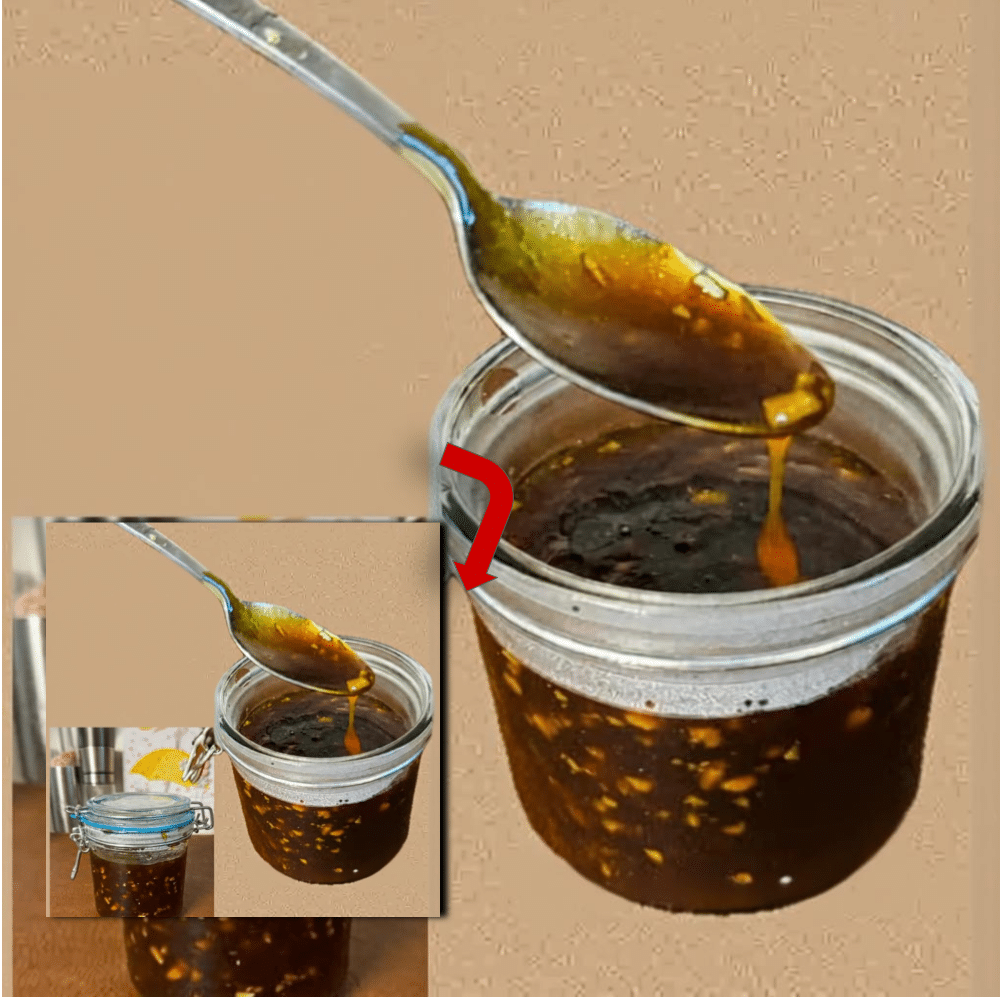
Store your freshly made Asian Stir Fry Sauce in an airtight mason jar or a similar sealed container in the refrigerator. It will stay wonderfully fresh and flavorful for up to 1 week. This makes it a perfect component for meal prepping, allowing you to whip up quick and easy dinner ideas in minutes throughout the week.
Freezer
For even longer storage and ultimate convenience, you can freeze your sauce! Pour the cooled sauce into ice cube trays. Once frozen solid, pop out the cubes and transfer them to a freezer-safe bag or container. These single-serving portions can be stored in the freezer for up to 3 months, ready to be thawed and used whenever a stir-fry craving strikes. Just grab a few cubes, thaw them in the fridge or gently on the stovetop, and you’re ready to create a speedy, delicious meal.
Frequently Asked Questions (FAQ)
Here are some common questions to help you master your Asian Stir Fry Sauce and ensure perfect results every time.
Can I use this sauce for noodles?
Absolutely! This versatile homemade stir fry sauce is fantastic for noodles. Whether you’re making lo mein, chow mein, or simply tossing it with ramen, the sauce will cling beautifully to the noodles, infusing them with rich flavor. Just add it towards the end of cooking, after your noodles are cooked and drained, and toss to coat.
What if my sauce gets too thick?
If your glossy stir fry sauce becomes too thick after cooking or reheating, don’t worry! You can easily adjust the consistency. Simply whisk in a small amount of water or broth (about 1 tablespoon at a time) until it reaches your desired pourable or coating consistency. Stir well and heat gently if needed.
Is this sauce vegan?
Our core Asian Stir Fry Sauce recipe, as written with oyster sauce, is not vegan. However, it can be easily adapted! To make it vegan, simply use a vegetarian mushroom sauce in place of oyster sauce and ensure all other ingredients (like soy sauce) are vegan-friendly. This modification will still yield a delicious and flavorful healthy stir fry sauce.
Ready to unlock a world of flavor? We’d love for you to join our growing community of home cooks and food enthusiasts! For more delicious recipes, cooking tips, and behind-the-scenes glimpses into our culinary adventures, make sure to follow us on Facebook. Find us at: https://www.facebook.com/profile.php?id=61568538666337. Come say hello and share your stir-fry creations!
Universal Asian Stir Fry Sauce
Ingredients
- 1/4 cup light soy sauce low-sodium recommended
- 3 tablespoons oyster sauce or vegetarian mushroom sauce
- 1 tablespoon rice vinegar
- 2 teaspoons brown sugar packed
- 2 cloves garlic minced
- 1 teaspoon fresh ginger grated
- 1 tablespoon cornstarch
- 1/2 cup water or beef broth for extra flavor
- 1 tablespoon sesame oil toasted
Instructions
- In a small bowl or jar, whisk together the soy sauce, oyster sauce, rice vinegar, brown sugar, minced garlic, grated ginger, sesame oil, water (or broth), and cornstarch. Whisk thoroughly until the cornstarch is completely dissolved and no lumps remain.
- Pour the mixture into a small saucepan over medium heat, or pour directly into your stir-fry pan during the last few minutes of cooking your meat and vegetables.
- Bring the sauce to a gentle simmer. Cook for 2-3 minutes, stirring constantly, until the sauce thickens to a glossy consistency that coats the back of a spoon.
- Remove from heat immediately. Toss with your cooked stir fry ingredients or let cool completely and store in an airtight container in the refrigerator for up to 1 week.
For more daily recipes and tips, follow us on Facebook!
Click here to join our community!