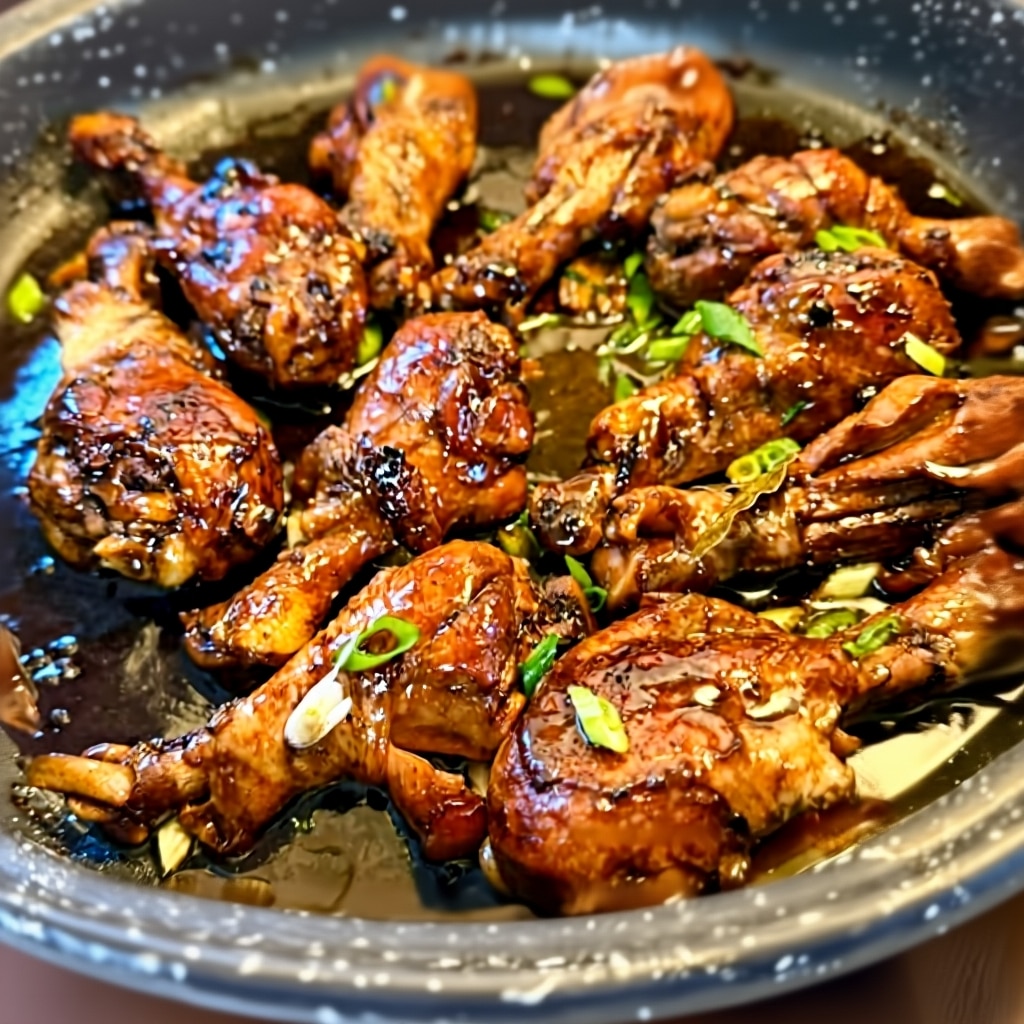
Welcome, food enthusiasts, to a culinary journey that takes us straight to the heart of the Philippines! Today, we’re diving deep into the beloved and iconic dish that graces nearly every Filipino table: Filipino Chicken Adobo. Often hailed as the unofficial national dish, Adobo is more than just a meal; it’s a symbol of Filipino heritage, a testament to ingenious cooking techniques, and the ultimate Filipino comfort food.
The magic of an authentic Chicken Adobo lies in its exquisite balance of flavors. Imagine a symphony of salty soy sauce, tangy vinegar, pungent garlic, and a hint of sweetness, all melding together to create a rich, savory, and incredibly satisfying experience. Every bite is a delightful play of contrasts, coating succulent chicken in a thick, glossy sauce that demands to be enjoyed with generous servings of rice.
While countless recipes exist for this culinary masterpiece, our specific approach to this easy Filipino Adobo recipe focuses on a few critical steps that elevate it from good to absolutely phenomenal. We’ll emphasize the importance of searing the chicken to achieve depth of flavor and texture, followed by a careful reduction of the marinade into a glorious, sticky glaze. Get ready to master the art of Adobong Manok and bring a taste of the Philippines into your kitchen.
The Essential Ingredients for Authentic Adobo
Crafting the perfect Filipino Chicken Adobo begins with selecting the right components. While the ingredient list might seem simple, each element plays a crucial role in building that signature, irresistible flavor.
- Chicken: For the most succulent and flavorful results, we highly recommend using bone-in, skin-on chicken pieces, specifically legs and thighs. The bones impart depth to the sauce, while the skin crisps up when seared, later contributing delicious fat and flavor as it braises.
- The Holy Trinity: Soy Sauce, Vinegar, and Garlic: These three ingredients are the backbone of any Adobo.
- Soy Sauce: The primary source of saltiness and umami. Use a good quality Filipino soy sauce if possible, but any reputable brand will do.
- Vinegar: This provides the essential tang. Filipino cane vinegar is traditional, but white vinegar or even apple cider vinegar can be used. The acidity balances the richness and acts as a natural preservative.
- Garlic: Adobo calls for a generous amount of garlic. We’ll use whole cloves, often lightly smashed, to infuse the dish with its characteristic aroma and flavor without being overpowering.
- Aromatics: Whole Peppercorns and Dried Bay Leaves: These humble additions are essential for adding subtle layers of warmth and a slightly herbaceous note that rounds out the overall flavor profile. Whole black peppercorns release their aroma slowly, while bay leaves contribute a delicate, almost minty depth.
- The Sweetener: Dark Brown Sugar: This is the secret ingredient for many who seek that perfectly balanced Chicken Adobo with brown sugar. A touch of dark brown sugar isn’t about making the dish overtly sweet; rather, it’s about mellowing the acidity of the vinegar and enhancing the savory notes, resulting in a beautiful glaze and a more harmonious overall taste for your soy sauce and vinegar chicken.
Step-by-Step Cooking Guide
Follow these steps closely to unlock the full potential of your Filipino Chicken Adobo, transforming simple ingredients into an extraordinary meal.
1. Marinating the Chicken
This initial step is crucial for infusing the chicken with profound flavor. The Chicken Adobo marinade is where the magic begins.
In a large bowl, combine your chicken pieces with soy sauce, vinegar, crushed garlic cloves, whole peppercorns, and bay leaves. Stir well to ensure every piece is coated. While a minimum of 30 minutes will suffice if you’re short on time, for truly exceptional results, we strongly recommend marinating the chicken for at least 4 hours, or even better, overnight in the refrigerator. The longer the chicken soaks in this savory-tangy mixture, the deeper the flavors will penetrate the meat, leading to a much more satisfying and authentic Chicken Adobo experience. Remember to give it a stir occasionally to ensure even marination.
2. Searing for Depth
Do not be tempted to skip this step! Searing the chicken is paramount for developing a rich depth of flavor and an appealing texture that truly sets this recipe apart.
Heat a little oil in a large pot or Dutch oven over medium-high heat. Once hot, remove the chicken pieces from the marinade (reserving the marinade!) and carefully place them in the pot, skin-side down. Cook in batches if necessary to avoid overcrowding, allowing each piece to develop a beautiful golden-brown crust. This searing process caramelizes the chicken skin and renders some of its fat, creating a robust foundation for the sauce. Once all sides are nicely browned, remove the chicken and set aside. The fond (brown bits) left at the bottom of the pan will contribute immensely to the final flavor.
3. Simmering and Reducing
Now, it’s time to bring everything together and create that irresistible Adobo sauce.
In the same pot (without cleaning it, as those browned bits are gold!), pour in the reserved marinade. Bring it to a boil over medium heat. Here’s the golden rule: Do NOT stir the vinegar until it comes to a full, rolling boil. This allows the harshness of the vinegar to cook off, preventing your Adobo from tasting overly sour. Once boiling, return the seared chicken pieces to the pot, nestling them into the liquid. Add the brown sugar. Reduce the heat to low, cover, and let it simmer gently for 30-40 minutes, or until the chicken is fork-tender.
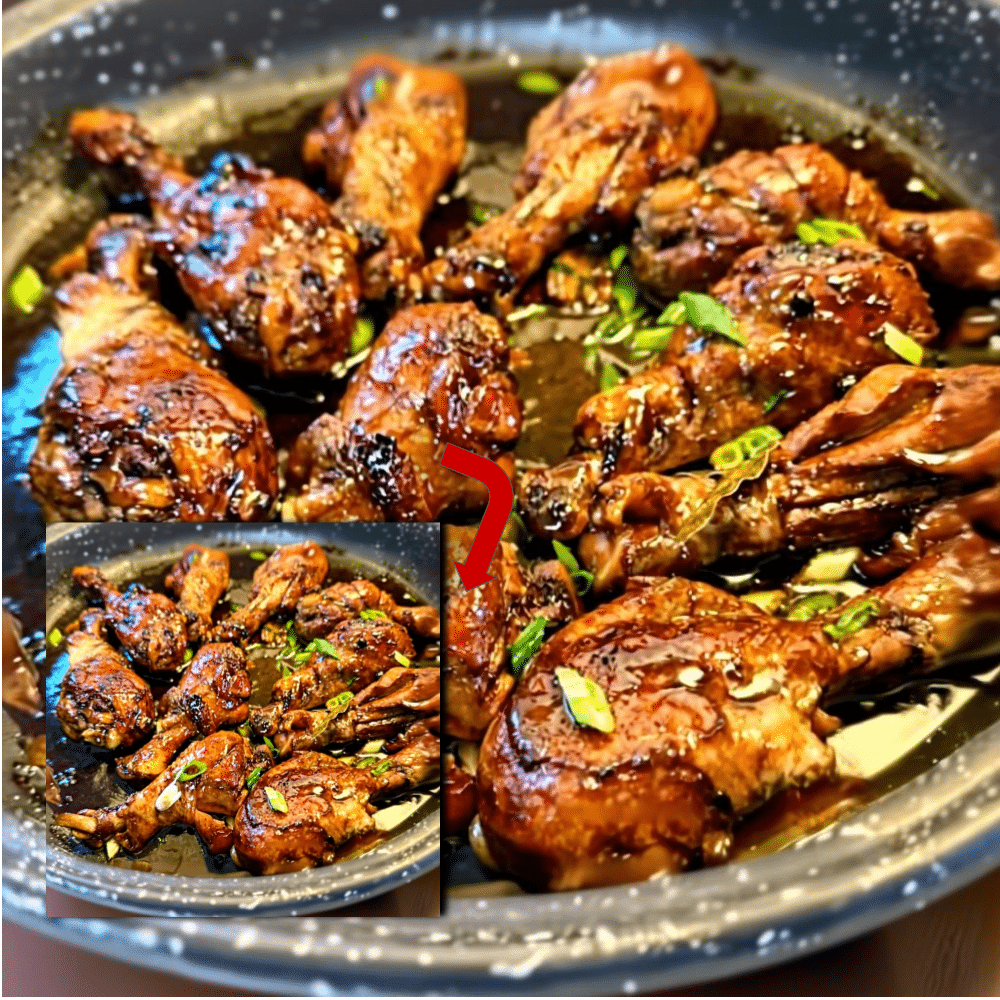
After the chicken is cooked through, remove the lid and increase the heat slightly. Allow the sauce to simmer uncovered, stirring occasionally, until it reduces to a thick, sticky, and glossy glaze that clings beautifully to the chicken. This reduction concentrates all those magnificent flavors, making every spoonful incredibly rich and savory. This careful reduction is a hallmark of the best Filipino Adobo.
Expert Tips for the Best Adobo
Elevate your Filipino Chicken Adobo from great to extraordinary with these insider tips:
- Shelf Life: Why Adobo Tastes Better the Next Day: Adobo is one of those magical dishes that often tastes even better on the second day. As it cools and rests, the flavors have more time to meld and deepen, creating a more harmonious and intense experience. Don’t be surprised if leftovers disappear even faster than the initial meal!
- Vinegar Ratio: Adjusting the Sourness to Your Taste: While a classic Adobo has a distinct tang, personal preference varies. If you find your Adobo too sour, you can slightly reduce the amount of vinegar next time, or add a touch more water or chicken broth during simmering. Conversely, for a bolder tang, use a stronger vinegar or a slightly higher ratio.
- Garlic: Using Smashed Whole Cloves vs. Minced: For our authentic Chicken Adobo, we recommend using lightly smashed whole garlic cloves rather than minced. Smashed cloves release their flavor more gradually during the long simmering process, infusing the sauce with a deeper, more mellow garlic essence without becoming burnt or overly pungent.
Common Variations
While the classic Filipino Chicken Adobo is a masterpiece on its own, its versatility has led to numerous delicious regional variations:
- Adobo sa Gata: For those who love a richer, creamier sauce, this version incorporates coconut milk (gata). The coconut milk mellows the acidity and adds a luscious texture, creating a truly decadent experience.
- Spicy Adobo: If you crave a kick, simply add a few bird’s eye chilies (siling labuyo) during the simmering stage. Adjust the number of chilies to your preferred level of heat for a fiery twist on traditional Filipino food.
- Adobong Puti: Meaning “white Adobo,” this variation uses salt instead of soy sauce, resulting in a lighter-colored sauce that highlights the natural flavors of the chicken and vinegar. It offers a different, yet equally delicious, interpretation of the classic.
Serving Suggestions
No discussion of Filipino Chicken Adobo is complete without mentioning its perfect accompaniments. This dish truly shines when served correctly.
The mandatory pairing is undoubtedly generous servings of hot, steamed white rice. The plain rice acts as the perfect canvas, soaking up every drop of the rich, savory, and tangy Adobo sauce. It’s truly the best Adobo rice pairing.
For an extra treat, transform your leftover plain rice into Sinangag (Garlic Fried Rice). Simply sauté minced garlic in a bit of oil until fragrant, then add cold day-old rice, breaking it up with a spatula. Season with salt and pepper, frying until heated through and slightly crisp. Top with the Adobo and a fried egg for an ultimate breakfast or brunch.
To cut through the richness and add a refreshing contrast, consider serving your Adobo with side dishes like Atchara (pickled green papaya) or even simple sliced tomatoes and salted eggs.
Frequently Asked Questions (FAQ)
Can I use boneless chicken for Filipino Chicken Adobo?
Yes, you can use boneless chicken thighs or breasts for Filipino Chicken Adobo. However, bone-in, skin-on pieces are highly recommended for optimal flavor and juiciness. If using boneless, adjust cooking time as it will cook faster, and be careful not to overcook, which can lead to dry meat.
Why is my Adobo too sour?
Adobo can be too sour for several reasons:
- Not allowing the vinegar to boil fully before stirring or adding other ingredients. This doesn’t cook off the harshness.
- An imbalance in the vinegar-to-soy-sauce ratio.
- Using a very strong or concentrated vinegar.
To fix it, you can add a pinch more sugar, a splash of water or chicken broth, or simply simmer it longer to further reduce and mellow the flavors.
How long does Adobo last in the fridge?
Thanks to the preserving qualities of vinegar and soy sauce, Filipino Chicken Adobo lasts quite well. When properly stored in an airtight container in the refrigerator, it can last for 5-7 days. As mentioned, many believe its flavor even improves over time!
There you have it – your guide to making a truly memorable Filipino Chicken Adobo. This iconic dish is more than just a recipe; it’s a taste of home, a piece of history, and a celebration of robust flavors that define traditional Filipino food. We hope this easy Filipino Adobo recipe inspires you to try your hand at this incredible creation and make it a staple in your own kitchen.
Don’t forget to connect with us and share your culinary adventures! Follow our page for more delicious recipes and cooking tips: https://www.facebook.com/profile.php?id=61568538666337
Classic Filipino Chicken Adobo
Ingredients
- 3 lbs Chicken legs Bone-in, skin-on for best flavor
- 6 cloves Garlic Crushed or minced
- 3/4 cup Soy sauce Standard or light soy sauce
- 3/4 cup White vinegar Cane vinegar or distilled white vinegar
- 3/4 cup Water
- 1 tsp Black peppercorns Whole
- 1/2 tsp Ground black pepper
- 4 pcs Bay leaves Dried
- 2 tbsp Cooking oil Vegetable or canola
- 3 tbsp Dark brown sugar
- 2 stalks Green onions Chopped, for garnish (optional)
Instructions
- In a large bowl, combine the garlic, soy sauce, water, vinegar, whole peppercorns, ground black pepper, dark brown sugar, and bay leaves. Whisk until sugar is dissolved.
- Add the chicken legs to the bowl, ensuring they are submerged. Cover and marinate in the refrigerator for at least 30 minutes, or overnight for best results.
- In a large pan or Dutch oven, heat the cooking oil over medium-high heat.
- Remove chicken from the marinade (reserve the liquid) and fry in the hot oil until the skin is golden brown, about 3-5 minutes per side. Work in batches if necessary to avoid overcrowding.
- Pour the reserved marinade into the pan with the chicken. Bring the mixture to a boil. Do not stir.
- Once boiling, lower the heat to a simmer. Cover and cook for 20 minutes.
- Flip the chicken pieces to coat the other side. Continue to simmer, uncovered, for another 15 minutes or until the sauce has thickened into a glaze and the chicken is tender.
- Remove from heat. Garnish with chopped green onions and serve hot over steamed white rice.
For more daily recipes and tips, follow us on Facebook!
Click here to join our community!