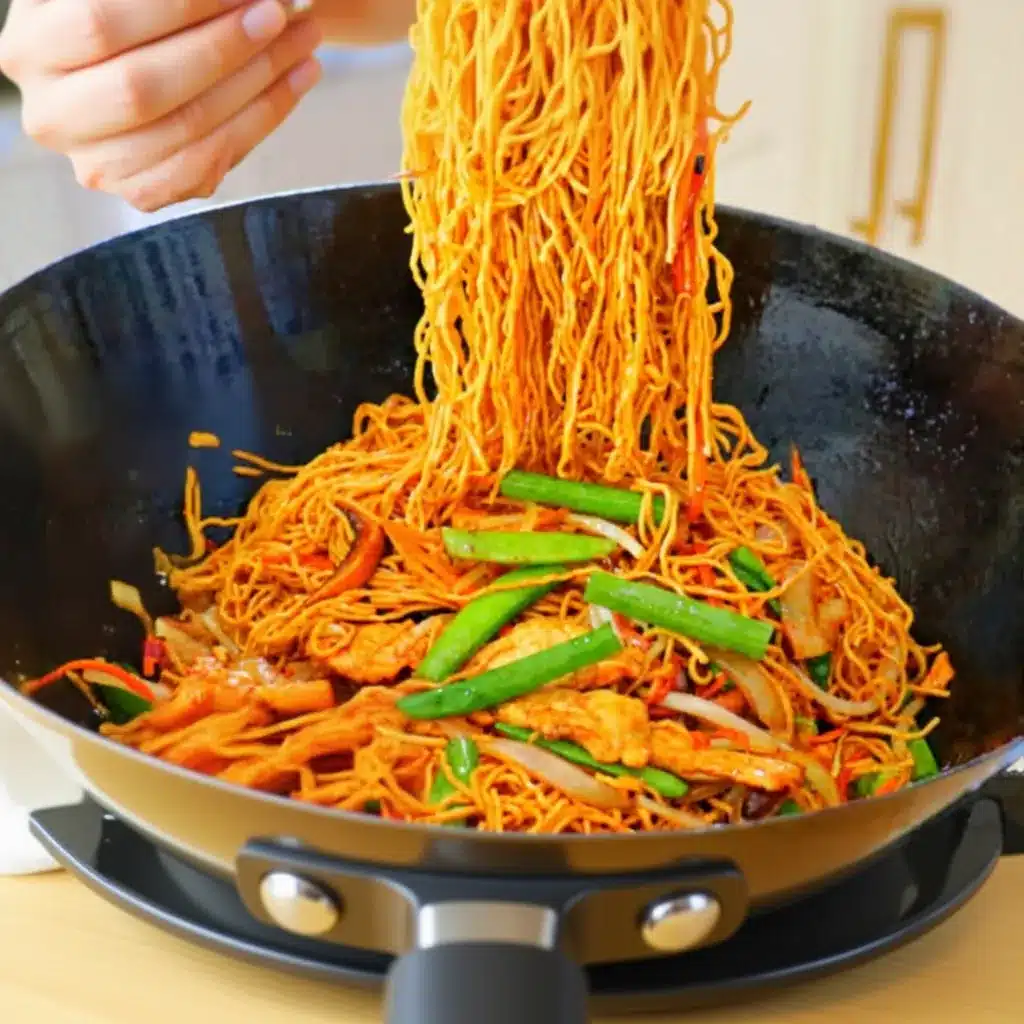
Unlock the Secrets to the Best Homemade Chicken Chow Mein
There’s a certain magic to a good takeout meal, isn’t there? That familiar aroma wafting from a brown paper bag, the anticipation of unwrapping a steaming container, especially when it’s packed with savory, stir-fried noodles. For many, that ultimate comfort food is none other than Chicken Chow Mein. While the convenience of ordering in is undeniable, there’s an even greater satisfaction (and often, a vastly superior flavor) that comes from recreating those beloved dishes in your own kitchen. Forget soggy noodles and bland chicken; we’re about to dive into making a homemade Chinese takeout masterpiece that will have you skipping the delivery apps for good.
At its heart, Chow Mein, which literally translates to “fried noodles,” is a versatile and incredibly satisfying dish. It’s characterized by its distinctly savory, often slightly sweet, and gloriously aromatic profile. When done right, especially with high heat and a well-seasoned wok, it carries that elusive, smoky essence known as “wok hei”—the breath of the wok—that elevates it from simply good to truly spectacular. Get ready to master this classic and bring authentic flavors to your table!
Chow Mein vs. Lo Mein: What’s the Difference?
This is a question that often sparks debate in the world of Chinese cuisine, and for good reason! While both Chow Mein and Lo Mein are beloved noodle dishes, their names actually hint at their fundamental differences in preparation and texture. Understanding these distinctions is key to appreciating what makes a fantastic Chow Mein.
Cooking Method: Chow (Fried) vs. Lo (Tossed)
- Chow Mein: The word “Chow” means fried. In the most classic sense, Chow Mein noodles are either pan-fried until slightly crispy, or cooked separately and then added to a stir-fry where they get a final crisping and charring. This method emphasizes the textural contrast and the development of rich, caramelized flavors on the noodles themselves. This is the foundation of a truly authentic cantonese chow mein experience.
- Lo Mein: “Lo” means tossed or stirred. Lo Mein noodles are typically boiled until tender, then simply tossed with the sauce, vegetables, and protein. The focus here is on coating the soft noodles with a flavorful sauce, rather than frying them to achieve crispness.
Texture: Crispy vs. Saucy
- Chow Mein: Expect a delightful interplay of textures. Often, the noodles will have crisp, chewy edges with tender centers, or in dishes like Hong Kong-style pan-fried noodles, they form a wonderfully crunchy “cake” underneath the saucy toppings. This emphasis on texture is why it’s often sought after as a crispy noodle recipe.
- Lo Mein: The noodles remain soft and supple throughout, thoroughly coated in a thick, savory sauce. It’s a comforting, saucy dish where the noodles absorb much of the flavor.
Noodle Type: Authentic Hong Kong-style Thin Egg Noodles vs. Thicker Soft Noodles
While various types of noodles can be used, there are traditional preferences:
- For authentic Chicken Chow Mein, especially the Cantonese variety, thin, fresh or dried egg noodles (sometimes labeled “Hong Kong-style pan-fry noodles”) are preferred. Their slender nature allows them to crisp up beautifully.
- Lo Mein typically uses thicker, rounder egg noodles that are softer and more absorbent, designed to hold onto the rich sauces.
Ultimately, both are delicious in their own right, but for that quintessential “fried noodle” experience, we’re firmly in the Chow Mein camp today!
The Secret to Restaurant-Quality Chicken (Velveting)
Have you ever wondered how Chinese restaurants achieve that incredibly tender, succulent chicken in their stir-fries, even with lean cuts like chicken breast? The secret lies in a traditional technique called velveting. This simple yet transformative step is the absolute key to elevating your Chicken Chow Mein from good to genuinely restaurant-worthy.
Explanation of the “Velveting” Technique Used in This Recipe (Egg White + Cornstarch)
Velveting involves coating thinly sliced chicken (or beef, or even fish) in a marinade that typically includes cornstarch, a liquid (like water, rice wine, or soy sauce), and often an egg white. In this recipe, we’ll use a combination of egg white and cornstarch to create that perfect silky texture.
The cornstarch forms a protective barrier around the chicken pieces, preventing them from drying out when exposed to high heat. The egg white further contributes to this tenderizing and moisturizing effect, ensuring that each bite of chicken is moist and incredibly soft, almost melting in your mouth. This is the ultimate velveting chicken technique.
Why It Works: Protects Lean Chicken Breast from Drying Out in High Heat
Chicken breast, while healthy and lean, can become dry and tough very quickly when stir-fried. The velveting process works by:
- Sealing in Moisture: The cornstarch and egg white coating traps the natural juices within the chicken, preventing them from escaping too rapidly during cooking.
- Creating a Protective Layer: This barrier also shields the delicate proteins from the direct, intense heat of the wok, preventing them from seizing up and becoming rubbery.
- Achieving a Silky Texture: The coating itself contributes to the smooth, almost “velvety” mouthfeel that makes stir-fried chicken so enjoyable.
Tips for Slicing Chicken Against the Grain
For the best results with velveting, and for overall tenderness, always slice your chicken breast against the grain. The “grain” refers to the direction of the muscle fibers. By cutting across them, you shorten these fibers, making the cooked chicken much easier to chew and more tender. Aim for thin, even slices (about ¼-inch thick) for quick and uniform cooking.
Key Ingredients & Substitutions
Crafting exceptional homemade Chinese takeout hinges on understanding your ingredients. While the cooking technique is crucial, the right components lay the foundation for flavor. Here’s what you’ll need and how to make smart swaps.
The Noodles
The star of our Chicken Chow Mein! Choosing the right noodle is paramount for achieving that authentic texture.
- Best Options: Look for fresh or dried “Hong Kong-style pan-fry noodles” or thin egg noodles. These are specifically designed for stir-frying and will give you the best crisp-tender result. You can often find them in the refrigerated section of Asian supermarkets. If fresh isn’t available, quality dried thin egg noodles are a great alternative.
- Preparation Tip: Par-boiling and Drying Before Frying: Regardless of whether you use fresh or dried noodles, a crucial step for a true crispy noodle recipe is par-boiling them briefly (just until al dente) and then *thoroughly* drying them. Lay them out on a baking sheet lined with paper towels for 15-30 minutes, or even use a fan. Excess moisture will steam the noodles instead of frying them, making them soggy instead of delightfully chewy and crisp. This also helps prevent sticking in the wok.
The Sauce Trinity
The sauce is where the magic happens, bringing together salty, sweet, and umami flavors to coat every strand of your easy stir fry noodles.
- Light Soy Sauce: For Saltiness and Umami: This is your everyday soy sauce (not low sodium, unless specified). It provides the primary salty seasoning and a foundational layer of umami that is essential to Chinese cooking.
- Dark Soy Sauce: Crucial for That Signature Amber Color: Don’t skip this! Dark soy sauce is thicker, less salty than light soy sauce, and has a richer, slightly sweeter flavor. Its main role here is to impart that beautiful, appetizing deep amber color to your noodles, making them look just like your favorite takeout.
Soy Sauce Substitute Tip: If you can’t find dark soy sauce, you can create a decent stand-in by combining regular light soy sauce with a touch of molasses (about 1 tsp molasses per 2 tbsp light soy sauce). This will give you a similar depth of color and hint of sweetness.
- Oyster Sauce: For Depth and Body: Oyster sauce is a thick, savory condiment made from oyster extracts. It adds a complex umami depth, a subtle sweetness, and a glossy richness to the sauce. It’s a key flavor enhancer in many stir-fries and gives your Chicken Chow Mein an unmistakable authentic taste.
Other essential sauce ingredients often include a touch of sugar (to balance saltiness), rice vinegar (for a hint of tang), and sesame oil (for aromatic finishing notes).
Step-by-Step Cooking Guide
Mastering Chicken Chow Mein is all about rhythm and preparation. Follow these steps for a smooth, high-heat stir-fry that yields incredible results, complete with that coveted wok hei cooking flavor.
- Step 1: Marinate the Chicken:
After thinly slicing your chicken breast against the grain, combine it with the velveting ingredients (cornstarch, egg white, a pinch of salt, and a dash of rice wine if using). Toss well to ensure every piece is coated. Allow the chicken to sit and marinate for at least 15 minutes at room temperature (or up to 30 minutes in the refrigerator). This allows the velveting agents to work their magic and tenderize the chicken.
- Step 2: Mise en Place (Everything in its Place):
This is arguably the most critical step for any stir-fry. Stir-frying is incredibly fast, and there’s no time to chop vegetables or measure sauces once the heat is on. Before you even think about turning on your burner, have *everything* prepped and organized:
- Noodles par-boiled and thoroughly dried.
- Marinated chicken ready to go.
- All vegetables (e.g., sliced onions, bell peppers, carrots, snow peas) chopped and in separate bowls.
- Sauce ingredients whisked together in a bowl.
- Garlic and ginger minced.
- Oil measured out.
This ensures you can add ingredients rapidly and efficiently, preventing anything from overcooking.
- Step 3: Wok Techniques – High Heat is Your Friend:
A well-seasoned wok (or a large, heavy-bottomed non-stick skillet) is ideal. The key to great wok hei cooking and preventing soggy noodles is high heat:
- Preheat your Wok: Heat your wok over high heat until it’s smoking slightly. This is crucial.
- Add Oil and Sear the Chicken: Add a tablespoon or two of a high smoke point oil (like grapeseed, canola, or peanut oil). Swirl to coat. Add the marinated chicken in a single layer, spreading it out. Let it sear for 1-2 minutes without stirring, allowing it to brown lightly and develop flavor. Then, stir-fry until just cooked through, about 2-3 minutes total. Remove the chicken from the wok and set aside. Don’t overcrowd the wok; cook in batches if necessary.
- Stir-fry Aromatics and Vegetables: Add a bit more oil if needed. Toss in minced garlic and ginger, stir-frying for 30 seconds until fragrant. Add the harder vegetables first (carrots, onions), stir-frying for 1-2 minutes. Then add softer vegetables (bell peppers, snow peas) and stir-fry for another minute or two, until crisp-tender.
- Add Noodles and Sauce: Push the vegetables to one side of the wok. Add the dried noodles to the empty side, allowing them to get a direct sear on the hot metal for about 30 seconds to a minute, potentially developing a little crispness (essential for a true crispy noodle recipe). Pour the prepared sauce over the noodles and vegetables.
- Toss Everything Together: Return the cooked chicken to the wok. Using tongs or a spatula, rapidly toss and stir everything together, ensuring the noodles, chicken, and vegetables are thoroughly coated in the sauce. Keep the heat high to reduce the sauce slightly and allow the flavors to meld, creating that beautiful smoky aroma. Continue to toss for 2-3 minutes, until the noodles are hot, glossy, and perfectly coated.
Serve immediately and enjoy your spectacular Chicken Chow Mein!
Variations to Try
One of the joys of easy stir fry noodles like Chow Mein is its incredible versatility. Once you’ve mastered the basic technique, feel free to experiment with different ingredients to make it your own.
- Vegetable Swaps: Don’t be limited by what’s in the recipe! This dish is a fantastic way to use up whatever fresh produce you have on hand. Consider adding or swapping in:
- Crisp bok choy or napa cabbage for added greens.
- Sweet baby corn or water chestnuts for crunch.
- Sliced mushrooms, bamboo shoots, or sugar snap peas.
Remember to add harder vegetables earlier and softer ones later to ensure everything cooks evenly and retains some texture.
- Protein Options: While our focus today is on amazing chicken, Chow Mein is delicious with a variety of proteins. Feel free to substitute the chicken with:
- Shrimp: Add towards the end as shrimp cooks very quickly.
- Beef: Thinly sliced beef (like flank or sirloin) can also be velveted for tenderness.
- Tofu: Press extra-firm tofu, cube it, and pan-fry until golden brown before adding to the stir-fry.
- Crispy vs. Soft (Hong Kong Style Pan-Fried Noodle Cake): For an extra special treat, you can transform your Chicken Chow Mein into a Hong Kong-style crispy noodle cake.
- After par-boiling and drying your noodles, instead of adding them directly to the stir-fry, pan-fry them separately in a generous amount of oil in a hot skillet or wok. Press them down to form a flat “cake.”
- Cook until deeply golden brown and very crispy on one side, then carefully flip and cook the other side. This creates a spectacular crispy noodle recipe base.
- Once both sides are crisp, transfer the noodle cake to a serving platter. Prepare your chicken and vegetable stir-fry with the sauce as usual, then pour the saucy mixture directly over the crispy noodle cake just before serving. The contrast between the crunchy noodles and the savory topping is simply irresistible.
Frequently Asked Questions (FAQ)
Can I use spaghetti for Chow Mein?
Yes, you absolutely can! While not traditional, spaghetti or linguine makes a surprisingly good substitute for Chinese egg noodles in a pinch. The trick to getting the right texture is to add a pinch of baking soda to the boiling water when cooking the pasta. About 1 teaspoon of baking soda per liter of water will give the spaghetti a more alkaline environment, mimicking the texture of real egg noodles, making them chewier and slightly more ‘slippery’. Par-boil until al dente, then rinse and dry thoroughly before stir-frying.
How do I store leftovers?
Leftover Chicken Chow Mein can be stored in an airtight container in the refrigerator for up to 3-4 days. For best results when reheating, use a hot wok or skillet with a tiny bit of oil over medium-high heat. Stir-fry the leftovers quickly until heated through, which helps to revive some of the noodle’s texture. Microwaving is an option, but it may result in a softer texture.
Why are my noodles soggy?
Soggy noodles are a common complaint when making stir-fries, but they are easily avoided with a few key techniques:
- Thoroughly Dry Your Noodles: This is the most crucial step. After par-boiling, ensure your noodles are as dry as possible before adding them to the wok. Excess water will steam the noodles instead of allowing them to fry and crisp.
- High Heat and Hot Wok: Always cook your easy stir fry noodles over high heat. The intense heat evaporates moisture quickly and helps develop that desirable fried texture. Make sure your wok is screaming hot before adding oil and ingredients.
- Don’t Overcrowd the Wok: Overcrowding lowers the temperature of the wok, causing ingredients to steam rather than fry. Cook in batches if necessary, especially for the chicken and if you have a large amount of noodles.
- Use Enough Oil: A sufficient amount of oil helps to conduct heat and crisp the noodles. Don’t be shy, but don’t drown them either.
There you have it—your comprehensive guide to crafting truly incredible Chicken Chow Mein at home. With the velveting technique for tender chicken, the right noodles, a balanced sauce, and smart wok techniques, you’re well on your way to enjoying a dish that rivals (and often surpasses) your favorite takeout. This isn’t just a recipe; it’s a journey into the heart of flavorful, authentic Chinese cooking.
Happy cooking, and remember to share your culinary adventures with us! Follow our page for more delicious recipes and cooking tips: https://www.facebook.com/profile.php?id=61568538666337
Authentic Chicken Chow Mein
Ingredients
- 1/2 lb Chicken breast Sliced thinly against the grain
- 1 pinch Salt For marinade
- 1 pinch White pepper For marinade
- 1 tbsp Rice wine Shaoxing wine or dry sherry
- 1 Egg white For velveting chicken
- 1 tbsp Cornstarch For marinade
- 1 tbsp Cooking oil Added to marinade to prevent sticking
- 2 tbsp Soy sauce Regular or light soy sauce
- 1 tbsp Dark soy sauce For color
- 2 tbsp Oyster sauce
- 4 tbsp Water For sauce base
- 1 pinch White pepper For sauce
- 12 oz Chow mein noodles Fresh or dried egg noodles
- 4 tbsp Cooking oil Divided for stir-frying
- 3 cloves Garlic Minced
- 1/2 medium Onion Sliced
- 1 cup Snap peas Ends trimmed
- 5 Shiitake mushrooms Thinly sliced
- 1/2 medium Carrot Julienned
- 1 cup Mung bean sprouts Rinsed and drained
- 2 stalks Scallions Cut into 2-inch pieces
Instructions
- In a medium bowl, combine the sliced chicken, salt, white pepper (pinch), rice wine, egg white, cornstarch, and 1 tablespoon of oil. Mix well until the chicken is evenly coated. Let it marinate for 15 minutes.
- In a separate small bowl, whisk together the soy sauce, dark soy sauce, oyster sauce, water, and a pinch of white pepper. Set aside.
- Prepare the chow mein noodles according to the package instructions. If using dried noodles, boil them until al dente, drain, rinse with cold water, and toss with a teaspoon of oil to prevent sticking.
- Heat a wok or large skillet over high heat. Add 2 tablespoons of oil. Add the marinated chicken and stir-fry for 2-3 minutes until the chicken turns white and is cooked through. Remove the chicken from the pan and set aside.
- In the same pan, add a little more oil if needed. Add the minced garlic and sliced onion, stir-frying for 30 seconds until fragrant.
- Add the snap peas, shiitake mushrooms, and julienned carrots. Stir-fry for 1-2 minutes until the vegetables are tender-crisp.
- Add the prepared noodles and the cooked chicken back into the pan. Pour the sauce mixture over everything.
- Toss everything together vigorously for 1-2 minutes, ensuring the noodles are evenly coated in the sauce and heated through.
- Add the mung bean sprouts and scallions. Toss for another 30 seconds to mix them in while keeping them crunchy.
- Transfer to a serving platter and serve immediately.
For more daily recipes and tips, follow us on Facebook!
Click here to join our community!