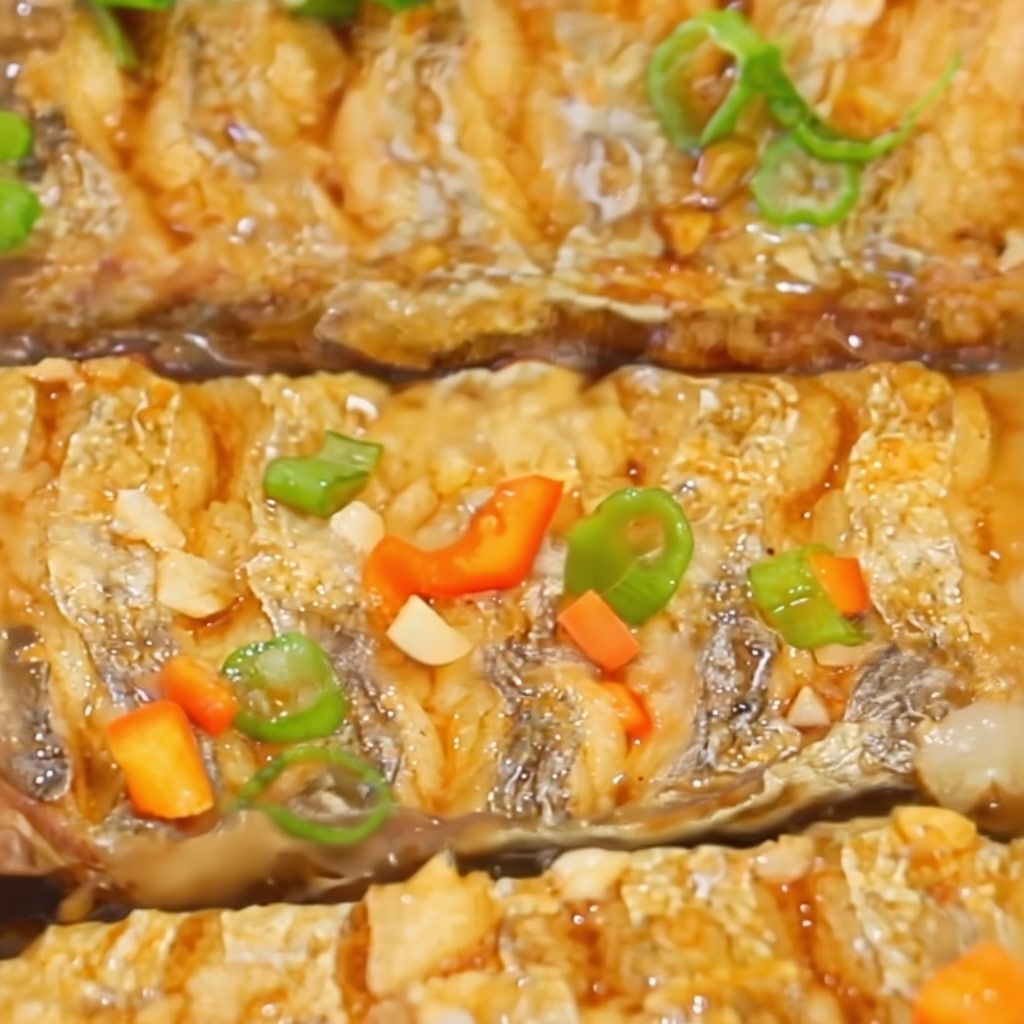
Prepare to embark on a culinary journey to the heart of authentic Chinese home cooking with a dish that tantalizes the taste buds and warms the soul: Red Braised Belt Fish. This exquisite recipe, deeply rooted in the rich traditions of Hong Shao (red braising), transforms a humble fish into a masterpiece of flavor and texture. Hong Shao is a revered cooking technique in Chinese cuisine, known for its ability to infuse ingredients with a deep, savory, slightly sweet, and aromatic glaze, often resulting in a beautiful reddish-brown hue. While commonly associated with various proteins, its application to fish, particularly the unique Belt Fish, creates an experience that is truly unforgettable.
Introduction
The art of Hong Shao, or red braising, is a cornerstone of Chinese culinary tradition, dating back centuries. It’s a method celebrated for its rich, complex flavors developed through slow simmering in a savory sauce. This technique caramelizes sugars and deepens the umami notes of soy sauce, creating a distinctive reddish-brown glaze that is as appealing to the eye as it is to the palate. For this particular culinary adventure, we turn our attention to the magnificent Belt Fish, also known as Ribbon Fish or Hairtail. This unique marine creature, with its distinctively long, flat body and silvery skin, possesses a delicate, tender flesh that is perfectly suited for braising. Unlike denser fish, the Belt Fish’s soft, flaky texture readily absorbs the intricate flavors of the Hong Shao sauce, resulting in a dish that is both comforting and incredibly flavorful, a true testament to authentic Chinese seafood recipes.
What is Belt Fish (Hairtail)?
Description of the fish
The Belt Fish, or Hairtail (scientific name: Trichiurus lepturus), is truly a spectacle of the sea. Imagine a long, slender ribbon of silver, often stretching several feet in length, with a flattened body that tapers to a whip-like tail. Its skin is a shimmering, almost iridescent silver, with tiny, almost imperceptible scales. It’s truly a beautiful and distinctive fish, making it a popular choice in Asian markets.
Flavor profile: Mild, sweet, soft texture
What makes Belt Fish so ideal for a Hairtail fish recipe like this one? Its flavor profile is wonderfully mild and subtly sweet, making it a versatile canvas for robust sauces. But it’s the texture that truly shines: exceptionally soft, tender, and flaky, it practically melts in your mouth when cooked properly. This delicate nature allows it to absorb the rich flavors of the red braise without becoming overwhelmed, creating a harmonious balance of taste and mouthfeel.
Where to buy (Asian markets, frozen section)
Finding Belt Fish is easier than you might think, especially if you have access to Asian grocery stores. You’ll often find it in the fresh seafood section, sometimes already cut into manageable segments. However, the most common place to encounter it is in the frozen seafood aisle. Look for packages labeled “Belt Fish,” “Ribbon Fish,” or “Hairtail.” When choosing frozen, opt for individually quick-frozen (IQF) pieces if possible, as this helps preserve the texture. Thaw it slowly in the refrigerator overnight for best results before you begin to cook belt fish.
Ingredients for Authentic Red Braised Belt Fish
Crafting the perfect Red Braised Belt Fish requires a careful selection of ingredients that build layers of flavor. Here’s what you’ll need for this exquisite Hong Shao fish recipe:
The Fish and Marinade
- Choosing fresh vs. frozen belt fish: While fresh is always preferred for any Chinese braised ribbon fish, high-quality frozen belt fish works beautifully. Look for pieces that are firm and free from freezer burn.
- The importance of ginger and scallion wine for deodorizing: Belt fish, like many seafoods, benefits from a quick marinade to neutralize any lingering “fishy” odors. A combination of sliced fresh ginger and a splash of Shaoxing wine (or dry sherry) is essential. This not only deodorizes but also infuses a subtle aromatic base into the fish.
- Cornstarch: A light dusting of cornstarch is crucial for forming a delicate, protective crust during pan-frying, which helps the fish hold its shape and absorb the sauce better.
The Hong Shao Sauce
This is where the magic happens, creating the signature rich, savory-sweet profile of our spicy braised belt fish.
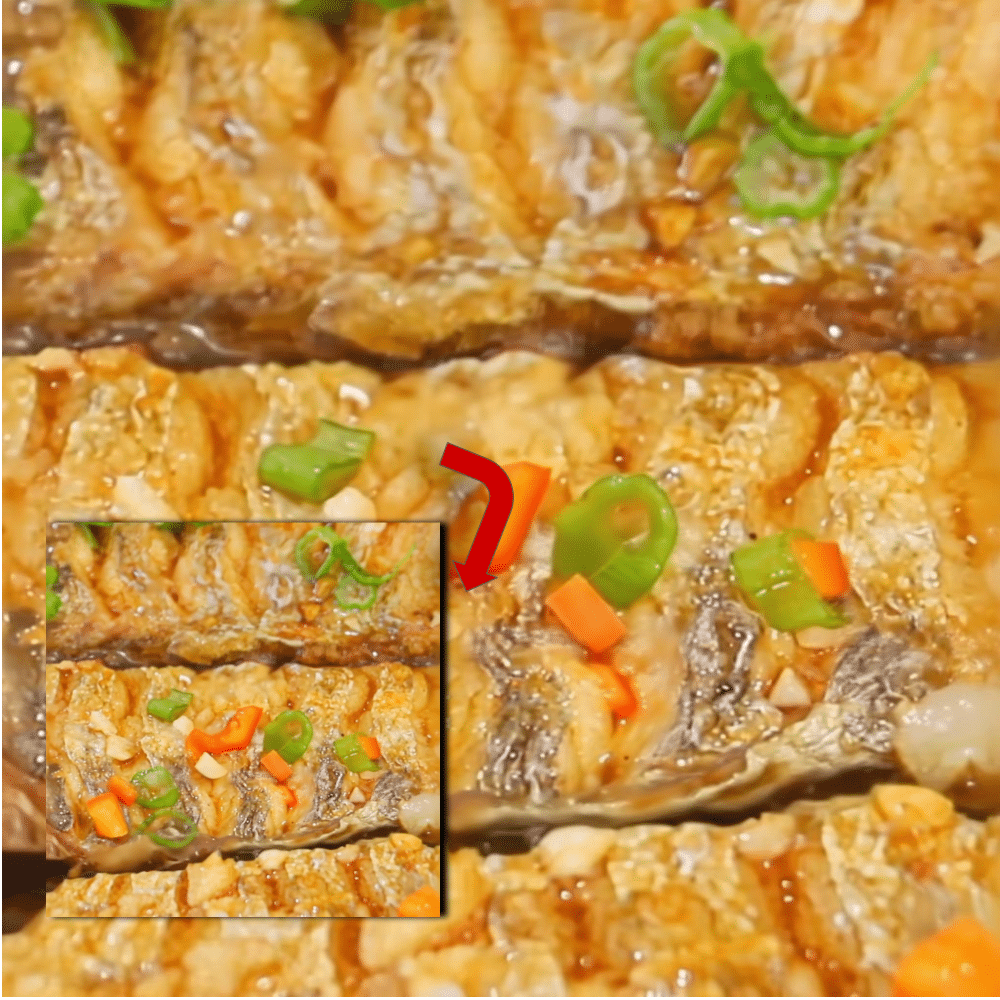
- Soy sauce ratios (Light for flavor, Dark for color): You’ll need both light soy sauce for its savory depth and umami, and dark soy sauce for its rich, caramelized color and slightly sweeter, more complex flavor. The combination is key for an authentic Hong Shao.
- The role of sugar and vinegar (balancing savory notes): Rock sugar (or granulated sugar) provides sweetness and aids in caramelization, while Chinkiang black vinegar adds a crucial tangy counterpoint, balancing the richness and brightness to the sauce. This sweet-and-sour balance is characteristic of many Hong Shao fish recipes.
- Shaoxing wine: An indispensable ingredient in Chinese cooking, this fermented rice wine adds depth, aroma, and a subtle sweetness to the braising liquid.
- Water or low-sodium chicken broth: To create the braising liquid for simmering the fish to perfection.
Aromatics
- Garlic, ginger, and chili peppers: Fresh aromatics are the soul of the sauce. Sliced ginger, minced garlic, and dried whole red chilies (or fresh sliced chilies for extra kick) lay the foundation for a vibrant and aromatic braise. Adjust the amount of chilies to your preference for a mild or truly spicy braised belt fish.
- Green onions/scallions: Used for garnishing and adding a fresh, pungent finish.
Step-by-Step Cooking Guide
Let’s get cooking! Follow these steps for a perfect Red Braised Belt Fish.
1. Cleaning and Prepping
- How to clean the gut cavity thoroughly: If your fish comes whole or partially cleaned, you’ll need to ensure the gut cavity is completely clean. Using a small spoon, scrape out any dark membranes or bloodlines inside the cavity. Rinse under cold running water until the water runs clear. These are vital cleaning belt fish tips to ensure no off-flavors.
- Cutting into manageable sections: Using a sharp chef’s knife, cut the fish into 3-4 inch (7-10 cm) sections. You may score the sides of each piece lightly, about 1/4 inch deep, to help with flavor absorption during the braise.
2. Marinating and Coating
- Removing the ‘fishy’ smell: Place the cleaned and cut belt fish pieces in a bowl. Add a few slices of fresh ginger and a tablespoon of Shaoxing wine. Gently toss to coat and let it sit for 15-20 minutes. Pat the fish thoroughly dry with paper towels before proceeding. This step is crucial for the best flavor.
- Why cornstarch is essential for the frying stage: Lightly dust each piece of dried belt fish with cornstarch, ensuring an even, thin coating. This creates a barrier that helps the fish crisp up beautifully during pan-frying and prevents it from sticking to the pan, while also protecting the delicate flesh during the braising process.
3. Pan-Frying
- Tips for preventing sticking: Heat a non-stick skillet or a well-seasoned wok over medium-high heat. Add enough oil to generously coat the bottom. Ensure the oil is hot but not smoking before adding the fish. A good test is to drop a tiny pinch of cornstarch; if it sizzles, it’s ready.
- Achieving the golden crust: Carefully place the cornstarch-coated belt fish pieces into the hot oil. Don’t overcrowd the pan; fry in batches if necessary. Cook for 2-3 minutes per side, until a beautiful golden-brown crust forms. This pan fried ribbon fish step is critical for adding texture and flavor before the braise. Remove the fried fish and set aside on a plate lined with paper towels to drain excess oil.
4. The Braise
- Building the sauce foundation: In the same pan (drain excess oil, leaving about 1-2 tablespoons), add your sliced ginger, minced garlic, and dried red chilies. Sauté for about 30 seconds until fragrant.
- Simmering for flavor absorption: Add light soy sauce, dark soy sauce, Shaoxing wine, sugar, Chinkiang vinegar, and water (or broth) to the pan. Bring the sauce to a gentle simmer, stirring to dissolve the sugar. Carefully return the pan-fried belt fish pieces to the sauce. Ensure the fish is mostly submerged. Bring to a boil, then reduce the heat to low, cover, and simmer for 10-15 minutes, or until the fish is cooked through and has absorbed the rich flavors of the Hong Shao sauce. Gently flip the fish halfway through, if needed, but be careful not to break the delicate flesh.
- Thickening the sauce: Uncover and increase heat slightly. If the sauce isn’t thick enough, remove the fish gently, then let the sauce reduce further to your desired consistency. You can also mix a teaspoon of cornstarch with a tablespoon of water to create a slurry and stir it into the simmering sauce until thickened.
Pro-Tips for Success
- Don’t Overcrowd the Pan: When pan-frying the belt fish, give each piece space to breathe. Frying in batches ensures that each piece gets a beautiful golden crust without steaming, which can lead to soggy fish. Patience here pays off in texture.
- Sauce Consistency: The perfect Hong Shao sauce should be glossy and just thick enough to coat the fish beautifully, without being gloopy. If it’s too thin, simmer it uncovered for a few extra minutes to reduce. If it becomes too thick, a splash of hot water or broth can thin it out.
- Handling Bones: Belt fish, while delicious, does have a central bone and some fine side bones. The beauty of a well-braised belt fish is that the meat often comes off the bones easily. When eating, simply separate the flesh from the main bone with your chopsticks or fork, and be mindful of the smaller bones. Many Chinese diners consider navigating fish bones part of the authentic dining experience.
Frequently Asked Questions
- Can I eat the silver skin?
Yes, absolutely! The silvery skin of the belt fish is completely edible and contributes to the overall texture and appearance of the dish. It crisps up slightly during the pan-frying stage and softens beautifully during braising, absorbing the rich flavors of the sauce. There’s no need to remove it.
- What can I substitute for Chinkiang vinegar?
Chinkiang black vinegar has a unique complex, malty, and slightly sweet flavor. If you can’t find it, a good substitute would be balsamic vinegar, or a mix of rice vinegar with a tiny dash of regular soy sauce to mimic the color and some depth. Avoid using harsh white vinegars.
- How long does it keep in the fridge?
Red Braised Belt Fish will keep well in an airtight container in the refrigerator for up to 3 days. Reheat gently on the stovetop or in the microwave until warmed through. The flavors often deepen beautifully overnight!
Serving Suggestions
The rich, savory, and aromatic flavors of Red Braised Belt Fish pair perfectly with simple accompaniments.
- Pairing with steamed white rice: This is the classic and most satisfying pairing. The fluffy rice soaks up every drop of the delicious Hong Shao sauce, creating a balanced and comforting meal.
- Vegetable side dishes (stir-fried greens): Complement the richness of the fish with a simple stir-fry of fresh green vegetables. Bok choy, gai lan (Chinese broccoli), or spinach lightly sautéed with garlic make excellent choices, adding freshness and texture.
Conclusion
Mastering the art of Red Braised Belt Fish is a rewarding experience that brings the authentic flavors of Chinese cuisine right into your kitchen. From the delicate, melt-in-your-mouth texture of the Hairtail fish to the complex, irresistible balance of savory, sweet, and tangy notes in the Hong Shao sauce, every bite is a celebration of tradition and taste. This authentic Chinese seafood recipe is more than just a meal; it’s an invitation to explore the depth of flavor that only red braising can achieve. So gather your ingredients, follow these steps, and prepare to delight your senses with a dish that will undoubtedly become a cherished favorite. We love sharing these culinary adventures with you! For more delicious recipes, tips, and behind-the-scenes glimpses into our kitchen, be sure to follow us on Facebook: https://www.facebook.com/profile.php?id=61568538666337.
Traditional Red Braised Belt Fish
Ingredients
- 2 lbs Belt fish Or hair tail/ribbon fish; cleaned and cut into sections
- 6 slices Ginger For the marinade
- 2 tbsp Scallions For the marinade
- 2 tbsp White rice wine For the marinade
- 1/8 tsp Salt For the marinade
- 1/8 tsp White pepper For the marinade
- 1 tbsp Cornstarch For coating
- 1 cup Chicken stock Or water; for the sauce
- 1 tbsp Soy sauce For the sauce
- 1/2 tbsp Dark soy sauce For color; for the sauce
- 1 tbsp Oyster sauce For the sauce
- 1/2 tbsp Chinkiang vinegar Or black vinegar; for the sauce
- 1 tbsp Sugar For the sauce
- 4 tbsp Cooking oil For frying
- 1 tsp Ginger Minced; for braising
- 3 cloves Garlic Minced; for braising
- 2 tbsp Scallions Minced; for braising
- 1 large Red chili pepper Or mini sweet peppers
Instructions
- Clean the belt fish thoroughly, remove guts, and cut into 2-3 inch sections. Pat dry with paper towels.
- In a bowl, combine the fish with 6 slices of ginger, 2 tablespoons scallions, white rice wine, salt, and white pepper. Mix well and set aside to marinate for 15 minutes.
- Discard the ginger and scallions from the marinade. Lightly coat the fish sections with cornstarch.
- In a separate small bowl, mix the chicken stock, regular soy sauce, dark soy sauce, oyster sauce, vinegar, and sugar to create the sauce base.
- Heat the cooking oil in a pan over medium-high heat. Add the fish pieces and pan-fry for about 3 to 5 minutes on each side until golden brown. Remove fish and set aside.
- In the same pan (leave about 1 tablespoon of oil), add the minced ginger, minced garlic, minced scallions, and red chili pepper. Stir-fry until aromatic.
- Pour the prepared sauce mixture into the pan and bring to a simmer.
- Return the fried fish to the pan. Cover and let it braise on low heat for about 2 minutes to absorb flavors.
- Remove the lid and turn the heat to high to thicken the sauce until it coats the fish slightly.
- Transfer to a serving plate and garnish with fresh scallions if desired.
For more daily recipes and tips, follow us on Facebook!
Click here to join our community!