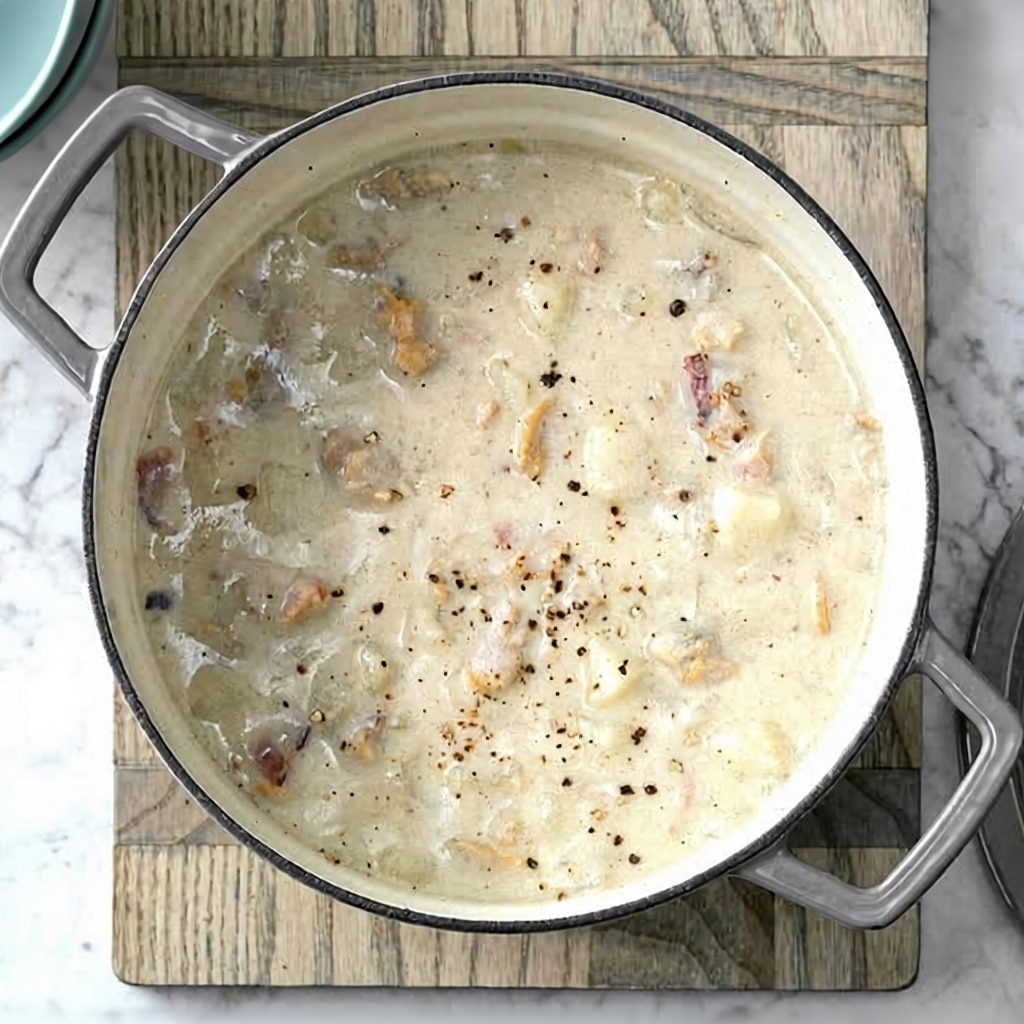
A Cruise Ship Souvenir: The Story Behind the Bowl
From the High Seas to Your Kitchen
Imagine this: the gentle rocking of a ship, the vast ocean stretching to the horizon, and a bowl of the most incredibly comforting, savory dish placed before you. That unforgettable experience inspired this recipe for the ultimate chowder. It wasn’t just a meal; it was a moment, a memory captured in a bowl – a rich, creamy, and utterly satisfying blend that warmed you from the inside out. Now, I’m bringing that culinary magic from the high seas right to your kitchen, so you can create your own cherished memories.
This isn’t just any soup; it’s a voyage for your taste buds, a truly special take on *creamy steak and potato soup* that will quickly become a cherished family favorite. Forget bland dinners; prepare for a culinary journey that delivers robust flavor and unparalleled comfort. This is one of those hearty beef soup recipes that transcends the ordinary, turning a simple dinner into an event.
Why This Recipe Stands the Test of Time
Some recipes simply have a soul, and this one for chowder is undoubtedly among them. It’s a timeless classic, a dish that harks back to simpler times yet feels perfectly modern. The beauty of this recipe lies in its incredible depth of flavor, built through a careful process of searing and *slow simmering soup* ingredients to perfection. It’s a testament to the fact that good food doesn’t need to be overly complicated; it just needs quality ingredients and a little love.
This *homemade beef chowder* is more than just a meal; it’s a culinary embrace, perfect for chilly evenings or whenever you crave genuine *comfort food soups*. It’s a dish that evokes nostalgia, brings families together around the table, and offers a delicious escape from the everyday. This recipe ensures that every spoonful is packed with flavor, making it one of the most reliable and satisfying *winter dinner ideas* you’ll ever encounter.
Ingredients for the Perfect Creamy Beef and Potato Chowder
Choosing the Best Cut of Beef
The foundation of an exceptional beef chowder begins with the right cut of beef. For this recipe, we want meat that will become incredibly tender and flavorful as it simmers. My top recommendations are boneless chuck roast, sirloin steak, or even *beef short ribs* (boneless or bone-in, if you can extract the meat after cooking). These cuts have enough marbling to remain juicy and develop a rich taste over time, making them ideal for a *simmered beef soup*. For a truly *easy steak soup*, you can opt for sirloin, which cooks a bit faster but still offers fantastic texture.
- Chuck Roast: Rich marbling, becomes melt-in-your-mouth tender with long, slow cooking.
- Sirloin Steak: Leaner, but still flavorful and excellent when cut into bite-sized pieces and seared properly.
- Beef Short Ribs: Offers an unparalleled depth of flavor; ensure to remove bones before serving.
The Secret to a Velvety Broth
A truly spectacular chowder relies on a rich, creamy, and velvety broth. The secret lies in a combination of high-quality ingredients and specific techniques. Start with a robust beef broth or stock; homemade is always best, but a good quality store-bought brand will do. We’ll also use a combination of milk and heavy cream to achieve that luxurious texture, added towards the end of the cooking process to prevent curdling. A touch of flour or cornstarch, mixed with a cold liquid to create a slurry, can also be employed to thicken the broth to your desired consistency.
“The essence of a great chowder isn’t just about the main ingredients; it’s in the embrace of its creamy, flavorful broth that brings everything together in perfect harmony.”
Essential Aromatics and Seasonings
No savory dish is complete without a robust foundation of aromatics and a thoughtful blend of seasonings. These elements are key to building the complex flavor profile that makes this chowder so irresistible.
You’ll need:
- Onions: Yellow or white, finely diced, providing a sweet and savory base.
- Celery: Adds a subtle herbaceous note and essential texture.
- Carrots: Diced, for sweetness, color, and depth.
- Garlic: Minced, for its pungent and aromatic qualities.
- Thyme: Fresh sprigs or dried, imparts an earthy, slightly floral note.
- Bay Leaf: Adds a subtle, savory depth that is characteristic of classic *old-fashioned potato chowder*.
- Salt and Freshly Ground Black Pepper: To season every layer of the dish.
- Smoked Paprika: A hint adds wonderful warmth and a smoky undertone that complements the beef beautifully.
Step-by-Step Cooking Guide
Preparing the Ingredients
Organization is key to smooth cooking. Start by prepping all your ingredients before you even turn on the stove. Dice your chosen beef into bite-sized cubes, about 1-inch pieces. Peel and dice your potatoes, onions, carrots, and celery. Mince your garlic. Having everything measured and ready will make the cooking process enjoyable and efficient. This initial step is vital for ensuring your *homemade beef chowder* comes together seamlessly.
Searing the Beef for Maximum Flavor
This step is non-negotiable for an incredibly flavorful chowder. Heat a generous amount of oil (like vegetable or canola) in a large Dutch oven or heavy-bottomed pot over medium-high heat. Once shimmering, add the beef in batches, ensuring not to overcrowd the pan. Sear until deeply browned on all sides. This creates a rich crust and locks in moisture. Remove the beef and set aside. Deglaze the pan with a splash of broth or water, scraping up all those flavorful browned bits; this is the base of your *simmered beef soup*’s deliciousness.
Simmering the Chowder
In the same pot, add a little more oil if needed, then sauté the diced onions, celery, and carrots until softened, about 5-7 minutes. Stir in the minced garlic and cook for another minute until fragrant. Sprinkle in the flour (if using for thickening) and cook for 1-2 minutes, stirring constantly. Gradually whisk in the beef broth, scraping up any remaining bits from the bottom of the pot. Add the seared beef back to the pot, along with the diced potatoes, bay leaf, thyme, smoked paprika, salt, and pepper. Bring to a boil, then reduce heat to low, cover, and let your *old-fashioned potato chowder* gently simmer for at least 1.5 to 2 hours, or until the beef is fork-tender. This *slow simmered soup* method is essential for developing deep, rich flavors.
Achieving the Perfect Consistency
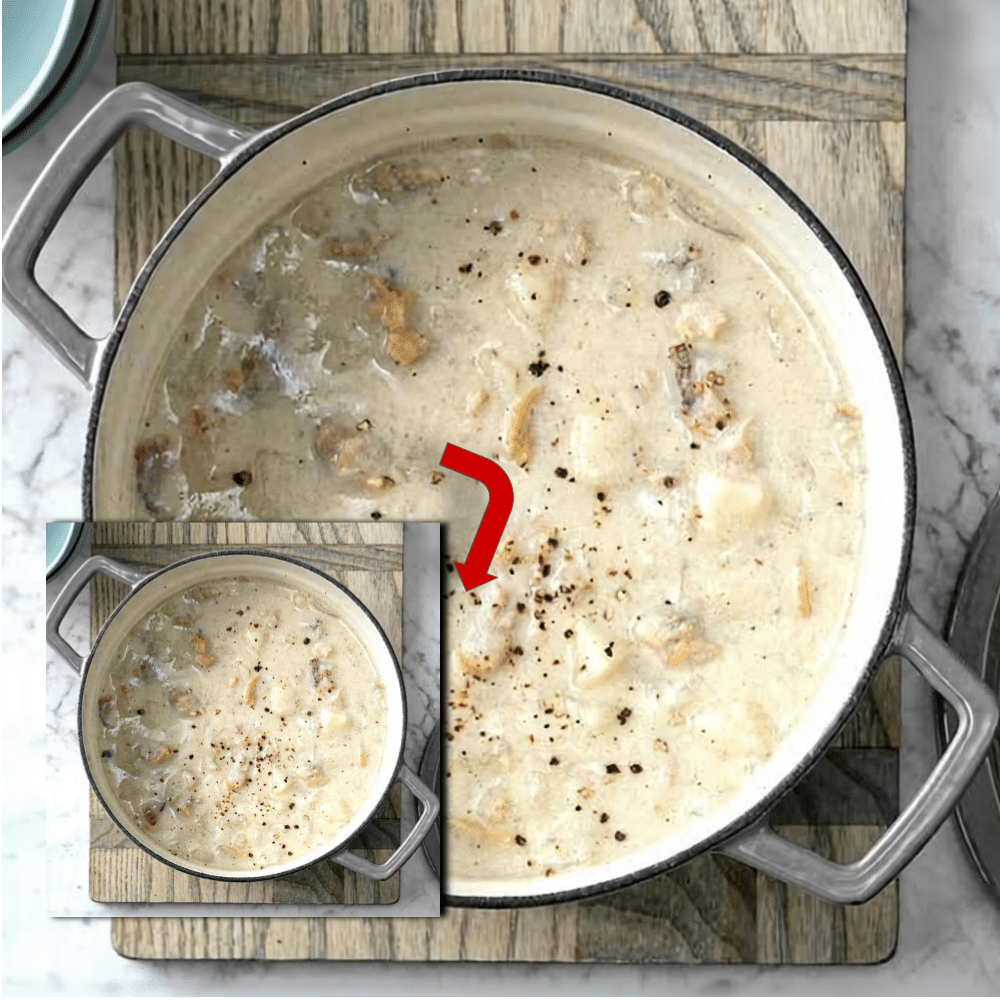
Once the beef is tender and the vegetables are cooked through, remove the bay leaf and thyme sprigs. If you desire a slightly thicker chowder, you can gently mash some of the potatoes against the side of the pot with a spoon, or carefully remove about a cup of the soup, blend it, and return it to the pot. Stir in the milk and heavy cream. Heat gently until warmed through, but do not bring it back to a boil after adding the dairy. Taste and adjust seasonings as needed. This careful final step ensures your *creamy steak and potato soup* achieves its signature rich and smooth consistency, making it a truly exquisite chowder.
Tips for Success
How to Avoid Curdling the Cream
Adding cold cream directly to a hot, boiling soup can cause it to curdle, resulting in an unappealing texture. To prevent this, always temper your cream. Before adding the cream and milk to the main pot, take a ladleful of the hot chowder broth and gradually whisk it into the cold cream in a separate bowl. This gently brings the temperature of the cream up. Once tempered, slowly stir the cream mixture back into the main pot. Also, remember to keep the heat low and never boil the chowder after adding the cream.
Storing and Reheating Leftovers
This delicious chowder often tastes even better the next day! Allow it to cool completely before transferring it to an airtight container. It can be stored in the refrigerator for up to 3-4 days. To reheat, gently warm the chowder on the stovetop over low to medium-low heat, stirring frequently, until heated through. Avoid boiling, as this can affect the cream’s texture. If it seems too thick, you can add a splash of beef broth or milk to thin it out.
Freezing Instructions
While beef chowder can be frozen, dairy-based soups sometimes separate or become grainy upon thawing due to the fat content. If you plan to freeze portions, I recommend making the soup up to the point before adding the milk and cream. Freeze this base in airtight containers for up to 2-3 months. When ready to serve, thaw the base, reheat it, and then proceed with tempering and adding the milk and heavy cream as directed in the recipe. This method ensures the best possible texture for your *hearty beef soup recipes* when reheated.
Variations to Try
Cheeseburger Style Chowder
Transform your beef chowder into a delightful cheeseburger-inspired meal. Instead of cubed steak, you can use ground beef, browned and drained before adding to the soup. Introduce cheddar cheese (shredded) at the very end, stirring until melted and creamy. For an authentic cheeseburger flair, consider a garnish of chopped pickles and a sprinkle of crispy cooked bacon bits. This makes for a fun and incredibly flavorful twist on a *comfort food soup*.
Veggie-Loaded Beef Soup
Boost the nutritional value and texture of your chowder by adding more vegetables. Along with the potatoes, onions, carrots, and celery, consider incorporating diced bell peppers, frozen corn, green beans, or even a handful of fresh spinach or kale towards the end of the cooking time. These additions make the dish even more hearty and colorful, creating a robust *homemade beef chowder* that’s bursting with goodness. It’s a fantastic way to ensure everyone gets their daily dose of veggies.
Spicy Kick Variation
For those who love a little heat, it’s incredibly easy to add a spicy kick to your beef chowder. Simply incorporate a pinch or two of red pepper flakes when sautéing the aromatics. Alternatively, you can add a dash of your favorite hot sauce or a few slices of fresh jalapeño or serrano pepper during the simmering stage. Remember to taste as you go to achieve your desired level of spice. This variation adds an exciting dimension to a classic *winter dinner idea*.
Frequently Asked Questions
Can I use ground beef instead of steak?
Yes, you can absolutely use ground beef in this chowder recipe. If you choose to do so, brown about 1.5 to 2 pounds of ground beef thoroughly in your pot, then drain off any excess fat before proceeding with the recipe. Keep in mind that ground beef will result in a different texture than cubed steak, providing a more crumbly consistency, but it will still yield a delicious and *hearty beef soup recipe*.
What is the best potato for chowder?
For this *old-fashioned potato chowder*, I recommend using either Russet potatoes or Yukon Gold potatoes. Russets are starchy and break down beautifully, contributing to the chowder’s creamy texture. Yukon Golds are waxy-starchy, holding their shape a bit better while still offering a rich, buttery flavor and creamy consistency. Both are excellent choices, depending on whether you prefer your potatoes to hold their form or slightly melt into the broth.
Can I make this in a slow cooker?
Yes, this *homemade beef chowder* is well-suited for a slow cooker, making it an excellent *slow simmered soup*. To adapt: sear the beef and sauté the aromatics (onions, celery, carrots, garlic) on the stovetop first for maximum flavor, then transfer them to the slow cooker. Add the potatoes, beef broth, seasonings, and seared beef. Cook on low for 6-8 hours or on high for 3-4 hours, until the beef is fork-tender. About 30 minutes before serving, stir in the milk and cream (tempered, as described above) and heat through. Do not boil in the slow cooker after adding dairy.
I hope this journey through the world of creamy beef and potato chowder has inspired you to get into the kitchen and create something truly special. For more delicious recipes, cooking tips, and culinary adventures, make sure to follow my Facebook page: https://www.facebook.com/profile.php?id=61568538666337. Happy cooking!
Creamy Beef and Potato Chowder
Ingredients
- Beef top sirloin steak, cut into 1/2-inch cubes Pat dry before searing for better browning. Can substitute with tender stew meat or ground beef for a different texture. (Originally Pork/Seafood -> S...
- Butter Unsalted, divided use.
- Medium onion, chopped Yellow or white onion works best.
- Celery ribs, diced Adds essential aromatic depth.
- Garlic cloves, minced Fresh is preferred over powder.
- Potatoes, peeled and cubed Russet or Yukon Gold, cut into 1/2-inch cubes to match the beef.
- Beef broth Use low-sodium to control salt levels.
- Salt Adjust to taste.
- Black pepper Freshly cracked for the best flavor.
- All-purpose flour Used to thicken the soup.
- Half-and-half cream Room temperature creates a smoother emulsion.
- Fresh parsley, chopped Optional garnish for color.
Instructions
- In a large Dutch oven or heavy-bottomed pot, melt 1 tablespoon of butter over medium-high heat. Add the beef cubes and sear until browned on all sides. Remove the beef from the pot and set aside.
- Reduce heat to medium. Add the remaining butter to the pot. Add the onion, celery, and garlic. Sauté for 5-7 minutes until the vegetables are tender and the onion is translucent.
- Stir in the flour and cook for 1-2 minutes, stirring constantly to remove the raw flour taste.
- Gradually whisk in the beef broth and half-and-half, scraping up any browned bits from the bottom of the pot. Stir until the mixture is smooth.
- Add the potatoes, seared beef, salt, and black pepper. Bring the mixture to a boil, then reduce heat to low.
- Cover and simmer for 20-25 minutes, or until the potatoes and beef are tender.
- Taste and adjust seasoning with more salt or pepper if needed. Garnish with fresh parsley before serving.
For more daily recipes and tips, follow us on Facebook!
Click here to join our community!