
Unlocking the Magic of Classic Cranberry Sauce: A Homemade Revelation
As the holiday season draws near, tables groan under the weight of beloved traditions. Among them, few spark as much debate as cranberry sauce. Do you reach for the familiar, jiggly cylinder from a can, or do you dare to embark on a culinary adventure that promises richer rewards? While the canned version holds a nostalgic charm for many, we’re here to make a compelling case for the homemade approach. Once you experience the vibrant flavor, customizable texture, and undeniable freshness of a Classic Cranberry Sauce made from scratch, there’s no going back.
Forget everything you think you know about complicated holiday cooking. This isn’t just another fancy side dish; it’s an incredibly simple, rewarding endeavor that takes merely 15 minutes of active cooking. Beyond the ease, homemade cranberry sauce offers unparalleled control over sweetness, tang, and even the subtle spice notes that elevate a good meal to an unforgettable feast. It’s a far cry from the one-note sweetness of store-bought alternatives, bursting with the natural goodness of whole berries. Get ready to transform your holiday table with this easy thanksgiving side dish that’s sure to impress!
Ingredients for the Perfect Cranberry Sauce
Creating a truly magnificent cranberry sauce doesn’t require an extensive shopping list. In fact, its beauty lies in the simplicity of its core components, enhanced by a few thoughtful additions that unlock layers of flavor.
The Core Trinity
These are the foundational elements that form the heart of your fresh cranberry sauce recipe:
- Cranberries: Fresh vs. Frozen: For a truly vibrant whole berry cranberry sauce, fresh cranberries are ideal, boasting a brighter flavor and firmer pop. However, don’t shy away from frozen cranberries! They work equally well and are often more readily available outside of peak season. Just be sure not to thaw them before cooking; add them directly to the pot.
- Sugar: The Sweet Balancer: Granulated white sugar is the traditional choice, providing a clean sweetness that allows the cranberries to shine. However, for a deeper, more molasses-kissed flavor, consider making your cranberry sauce with brown sugar. Maple syrup or honey can also be used as alternatives, though they will impart their own distinct flavor profiles. The key is balance – you’re looking to temper the cranberries’ tartness, not overwhelm it.
- Liquid: The Water-to-Orange Juice Ratio: Water is essential for creating the syrup base, but incorporating orange juice is where the magic truly happens. A good ratio is often 1:1 water to orange juice for an exquisite orange cranberry sauce. The citrus notes in the juice complement the cranberries beautifully, adding depth and a bright counterpoint to their tartness.
The Secret Flavor Boosters
These are the ingredients that elevate your sauce from merely good to absolutely extraordinary:
- Citrus Zest: Why Zest Matters More Than Juice: While orange juice provides liquid and acidity, the zest delivers an intense burst of aromatic oils. A little finely grated orange or lemon zest adds a perfumed quality and brightens the overall flavor without adding extra liquid or making the sauce too sour. It’s truly a secret weapon!
- Spices: A Touch of Warmth: Cinnamon sticks are a classic partner to cranberries, offering a cozy warmth. For a more complex, gourmet touch, consider adding a star anise pod or a few whole cloves to the pot while simmering. Remember to remove whole spices before serving.
- The Pinch of Salt: Balancing the Tartness: It might seem counterintuitive to add salt to a sweet sauce, but a tiny pinch of fine sea salt is crucial. It doesn’t make the sauce salty; instead, it amplifies the other flavors, cuts through any lingering bitterness, and perfectly balances the tartness of the cranberries and the sweetness of the sugar. It’s the unsung hero of many sweet recipes!
Step-by-Step Instructions for Your Best Classic Cranberry Sauce
Making homemade cranberry sauce is surprisingly quick and straightforward. Follow these simple steps for a perfect batch every time:
- Dissolving the Sugar: Creating the Syrup Base: Begin by combining your chosen liquid (water, orange juice, or a mix) with the sugar and any whole spices (like cinnamon sticks or star anise) in a medium saucepan. Heat over medium heat, stirring occasionally, until the sugar is completely dissolved. This creates a flavorful syrup that the cranberries will cook in, ensuring even sweetness.
- The Simmer: Knowing When the Berries are Perfectly Popped: Once the sugar syrup is ready, add your cranberries (fresh or frozen) to the saucepan. Bring the mixture to a gentle simmer. As the sauce heats up, you’ll start to hear little popping sounds – this is the cranberries’ skins bursting, releasing their pectin and flavorful juices. Continue to simmer, stirring occasionally, for about 7-10 minutes, or until most of the berries have popped and the sauce begins to thicken slightly. The longer you cook, the thicker and jammer your sauce will become, but be careful not to overcook, as it can become too stiff.
- The Cool Down: Understanding Natural Pectin Thickening: Remove the saucepan from the heat. Stir in any citrus zest and the pinch of salt. At this stage, your sauce will likely still appear quite thin and liquidy. Don’t worry! Cranberries are naturally rich in pectin, a gelling agent. As the sauce cools, it will naturally thicken to that luscious, familiar consistency. This is key if you’re wondering how to thicken cranberry sauce without adding extra ingredients. Allow it to cool completely at room temperature before transferring it to a serving dish or storage container.
Troubleshooting Common Issues
Even simple recipes can sometimes present small challenges. Here’s how to tackle a few common cranberry sauce dilemmas:
- Why is my sauce runny? The most common reason for a runny sauce is impatience! As mentioned, cranberry sauce relies on natural pectin to thicken as it cools. If your sauce is thin right off the heat, give it time. Refrigerate it for several hours, and it should firm up nicely. If, after cooling, it’s still too thin, you can gently reheat it and simmer for a few a few more minutes to encourage more evaporation, or mix a tiny bit of cornstarch slurry (1 tsp cornstarch mixed with 1 tsp cold water) into the simmering sauce, cooking for another minute until thickened. Remember, for a whole berry cranberry sauce, some liquid is natural.
- It’s too tart: How to adjust sweetness after cooking: If you’ve tasted your cooled sauce and found it a bit too tart for your liking, don’t fret! You can gently reheat the sauce over low heat and stir in an additional tablespoon or two of sugar, honey, or maple syrup until it dissolves. Taste and adjust until you reach your preferred sweetness.
- It’s too bitter: Using salt or fats to mask bitterness: Cranberries can sometimes carry a slight bitterness. If your sauce tastes a little off, a tiny pinch more salt can often work wonders, acting as a flavor enhancer that balances the bitterness. Another trick is to swirl in a small pat of unsalted butter at the end; the fat can help mellow out and round off any harsh edges in the flavor profile.
Delicious Variations
While the Classic Cranberry Sauce is perfect on its own, it’s also a fantastic canvas for creative flavor additions:
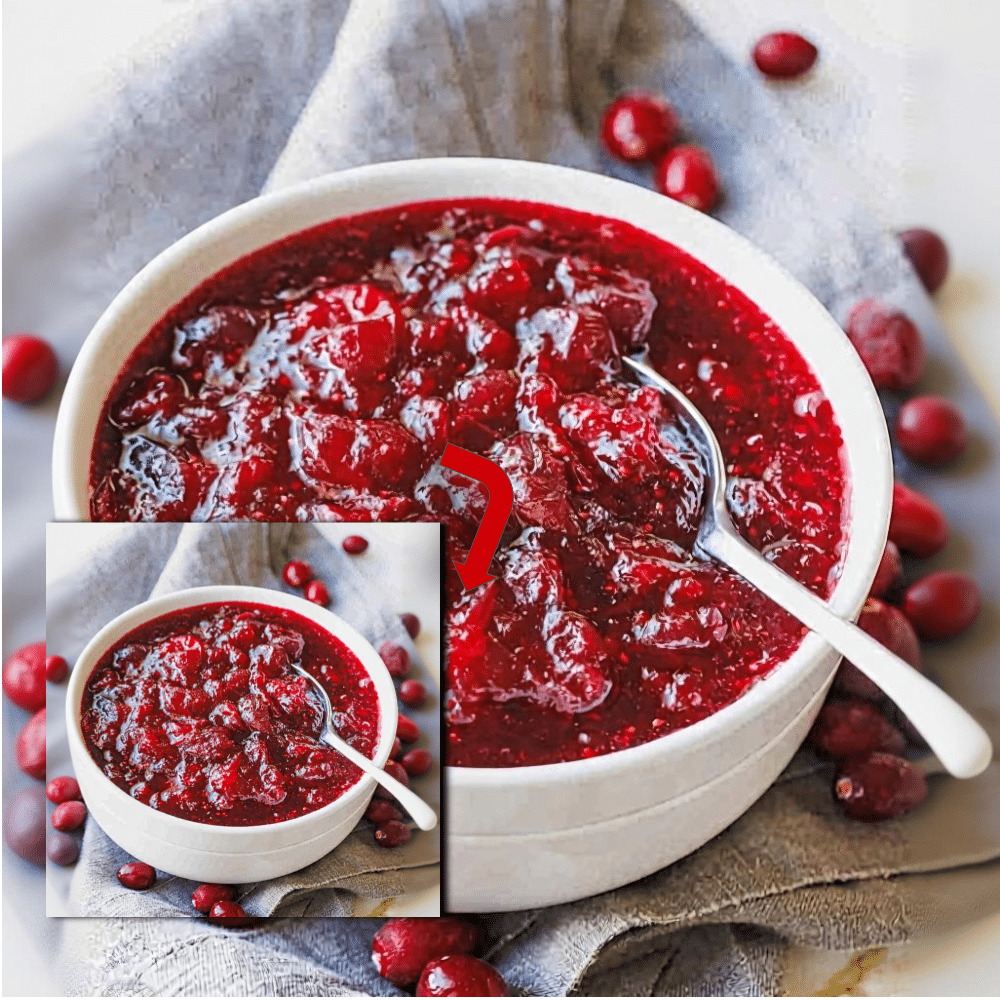
- Boozy Cranberry Sauce: For an adult-friendly version, stir in a splash of your favorite spirit after the sauce has come off the heat. Bourbon adds a smoky warmth, Grand Marnier enhances the orange notes, and Port wine offers a deep, fruity complexity. Start with a tablespoon or two and adjust to taste.
- Spicy Kick: For those who like a little heat, finely minced jalapeño (remove seeds for less heat) added during the last few minutes of simmering, along with a squeeze of fresh lime juice, creates a surprisingly delicious and vibrant twist.
- Warm Vanilla: Elevate the aroma and flavor by stirring in 1 teaspoon of vanilla bean paste or pure vanilla extract after removing the sauce from the heat. The sweet, floral notes of vanilla pair beautifully with the cranberries.
Storage and Make-Ahead Tips for Holiday Perfection
One of the many advantages of homemade cranberry sauce is its impressive shelf life, making it a stellar addition to your make ahead holiday recipes strategy.
- Refrigeration Shelf Life (It lasts weeks!): Once completely cooled, transfer your Classic Cranberry Sauce to an airtight container. It will keep beautifully in the refrigerator for up to 2-3 weeks, meaning you can easily make it well in advance of your holiday feast, freeing up precious kitchen time on the big day.
- Freezing Instructions for Leftovers: Have too much? Cranberry sauce freezes exceptionally well. Portion cooled sauce into freezer-safe containers or heavy-duty freezer bags. It will maintain its quality in the freezer for up to 2-3 months. Thaw overnight in the refrigerator before serving.
- Creative Ways to Use Leftovers: Don’t let a single spoonful go to waste! Leftover cranberry sauce is incredibly versatile:
- Spread it on turkey or BEEF sandwiches for a gourmet touch.
- Swirl it into your morning oatmeal or yogurt.
- Use it as a filling for tarts, muffins, or even as a glaze for roasted chicken or BEEF.
- Mix it into a smoothie for a tart, refreshing boost.
Frequently Asked Questions (FAQ) About Classic Cranberry Sauce
Here are some common questions about making and enjoying your fresh cranberry sauce recipe:
Do I need to rinse the berries?
Yes, it’s a good practice to quickly rinse fresh cranberries under cold water and pick out any soft, bruised, or shriveled berries, as well as any small stems or debris, before cooking.
Can I use less sugar?
Absolutely! You can reduce the sugar if you prefer a more tart sauce. However, be aware that sugar contributes not only to sweetness but also to the sauce’s texture and natural preserving qualities. If you significantly reduce the sugar, the sauce might be thinner and won’t keep as long in the refrigerator.
How far in advance can I make it?
Homemade cranberry sauce is a fantastic make-ahead holiday recipe! You can prepare it up to 2-3 weeks in advance and store it in an airtight container in the refrigerator. For longer storage, it freezes well for up to 2-3 months.
There you have it – your definitive guide to mastering the art of homemade Classic Cranberry Sauce. It’s more than just a side dish; it’s a vibrant, fresh, and utterly delicious testament to the power of simple ingredients transformed with a little care. We hope you and your loved ones enjoy this homemade delight for many holidays to come!
For more delicious recipes and kitchen tips, be sure to follow our community on Facebook! Find us at: https://www.facebook.com/profile.php?id=61568538666337
Best Classic Homemade Cranberry Sauce
Ingredients
- 12 oz fresh or frozen cranberries One standard bag, rinsed and picked over
- 1 cup granulated sugar Can substitute half with light brown sugar for depth
- 1/2 cup water
- 1/2 cup fresh orange juice
- 1 tbsp orange zest Freshly grated
- 1 stick cinnamon Optional
- 1 pinch salt Crucial for flavor balance
Instructions
- In a medium saucepan over medium-high heat, combine water, orange juice, and sugar.
- Stir constantly until the mixture comes to a boil and the sugar has completely dissolved.
- Stir in the rinsed cranberries, orange zest, cinnamon stick, and salt.
- Reduce heat to low and simmer for 10 to 15 minutes, or until most of the cranberries have burst and the sauce has thickened slightly.
- Remove the pot from the heat.
- Discard the cinnamon stick.
- Transfer the sauce to a heat-safe serving dish or glass jar.
- Allow the sauce to cool completely at room temperature before refrigerating; it will thicken significantly as it cools.
For more daily recipes and tips, follow us on Facebook!
Click here to join our community!