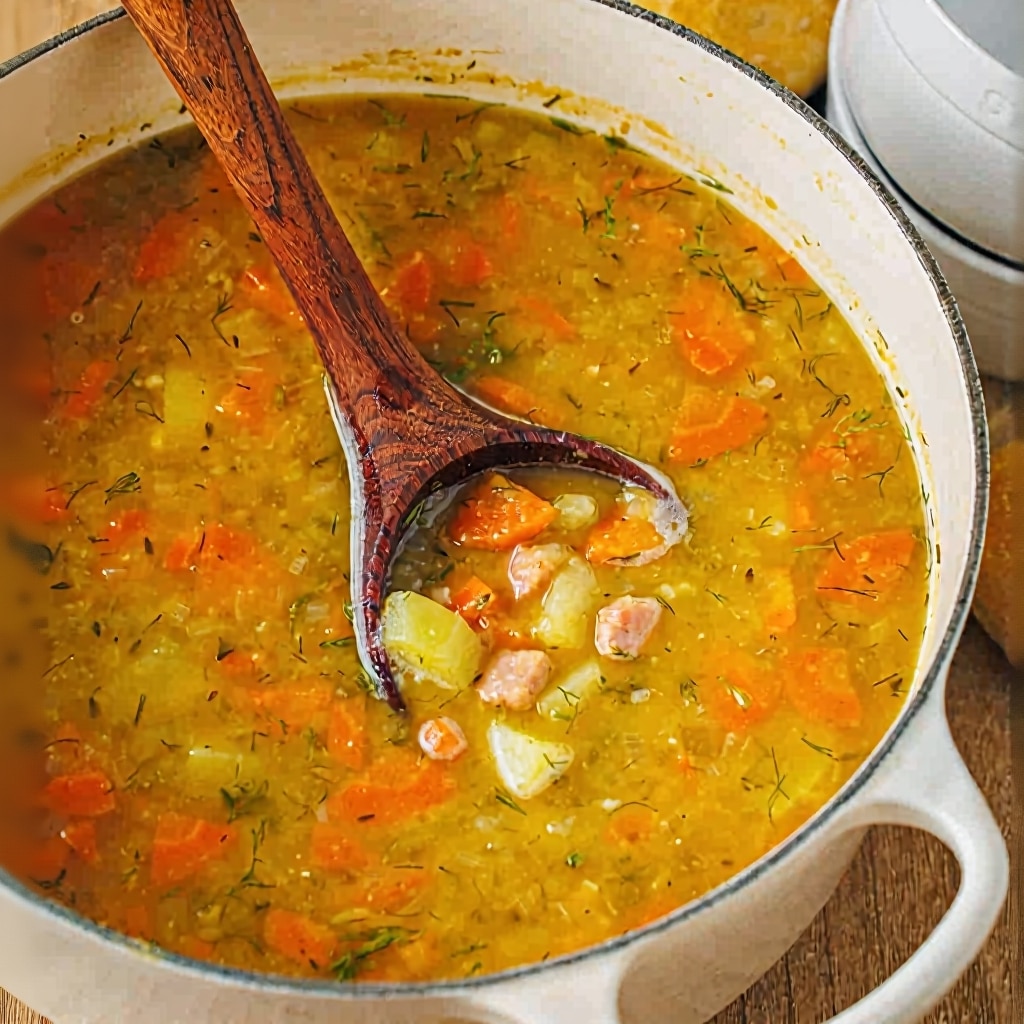
As the days grow shorter and a crisp chill fills the air, there’s a primal comfort in a bowl of something warm, hearty, and deeply satisfying. Few dishes encapsulate this feeling quite like a perfectly crafted Split Pea Soup. But forget everything you thought you knew about this classic. Today, we’re elevating it to an entirely new level of richness and flavor, focusing on a robust, savory protein that transforms it into an unforgettable culinary experience: beef.
Our rendition of this old-fashioned split pea soup with beef is more than just a meal; it’s a hug in a bowl, a testament to slow-cooked perfection, and an incredibly healthy split pea soup recipe designed to nourish body and soul. Prepare to dive into the ultimate winter comfort food, where tender beef, earthy split peas, and aromatic vegetables marry in a symphony of flavors that will warm you from the inside out.
Why This Beef Split Pea Soup Is the Ultimate Winter Comfort Food
There’s something uniquely enchanting about a steaming bowl of soup when the temperatures drop. This beef split pea soup transcends mere sustenance, offering a deeply satisfying and nourishing experience. It’s a dish that evokes memories of home, provides sustained energy, and fills your kitchen with an aroma that promises pure comfort. Its rich, savory profile makes it one of the most hearty winter soups with beef you can imagine, a truly timeless classic reimagined for the modern palate.
The Unmistakable Comfort of Beef in Split Pea Soup
While many may associate split pea soup with a lighter character, the inclusion of beef introduces a profound depth and umami that is simply unparalleled. The slow-simmering beef infuses the entire broth with its rich, savory essence, creating a robust foundation that perfectly complements the earthy sweetness of the split peas. Cuts like beef shank or short ribs, with their inherent marbling and connective tissues, break down beautifully, lending incredible tenderness and a luxurious mouthfeel to the soup. This isn’t just a high protein split pea soup; it’s a culinary journey into true comfort, with beef as its guiding star, ensuring every spoonful is packed with flavor and substance.
Nutritional Benefits of Split Peas and Beef
Beyond its incredible flavor, this beef split pea soup is a powerhouse of nutrition, making it a truly healthy split pea soup recipe. Both split peas and beef offer significant health benefits:
- Split Peas: These humble legumes are nutritional champions. They are an excellent source of dietary fiber, which aids digestion, helps regulate blood sugar, and promotes a feeling of fullness. They also provide complex carbohydrates for sustained energy, and a good amount of plant-based protein, contributing to the soup’s overall satiating quality. Rich in essential minerals like potassium, magnesium, and iron, split peas support heart health and energy production.
- Beef: A fantastic source of high-quality protein, beef is essential for muscle repair and growth. It’s packed with vital nutrients like iron, crucial for oxygen transport in the blood, and zinc, important for immune function. Beef also provides B vitamins (B6, B12, niacin, riboflavin) which play key roles in energy metabolism and brain function. When combined, beef and split peas create a truly balanced and nutrient-dense meal, making this a genuinely high protein split pea soup that supports overall well-being.
Ingredients for the Perfect Beef Split Pea Soup
Creating an outstanding old-fashioned split pea soup with beef begins with selecting the right ingredients. Quality truly matters here, as each component plays a vital role in building the soup’s complex flavor profile and irresistible texture.
Choosing the Best Cut of Beef (Short Ribs vs. Shank)
For a truly exceptional beef split pea soup, the cut of beef makes all the difference. We’re looking for cuts that are rich in collagen and marbling, which break down into incredibly tender, flavorful morsels during slow cooking, enriching the broth in the process.
- Beef Short Ribs: These are a fantastic choice, known for their incredible flavor and tenderness when slow-cooked. The fat and connective tissue render down, creating a rich, unctuous broth that is both savory and comforting. If you’re a fan of beef short rib soup, you’ll love what they bring to this dish.
- Beef Shank: Another superb option, beef shank is lean but incredibly flavorful. It requires longer cooking times, but the resulting meat is fall-off-the-bone tender, and the marrow in the bone adds a phenomenal depth to the broth. Beef shank soup recipes are renowned for their profound flavor.
Both cuts are excellent for building the robust character of this hearty winter soup with beef. Choose what’s readily available and appeals most to you.
Fresh Herbs: The Importance of Dill and Thyme
Herbs are the secret weapon in many dishes, and in this split pea soup, fresh dill and thyme are non-negotiable. They provide bright, earthy, and aromatic notes that elevate the beef and peas beyond mere ingredients.
- Fresh Thyme: Its woody, slightly peppery, and subtly floral notes pair beautifully with beef and vegetables, adding warmth and depth to the broth.
- Fresh Dill: Often overlooked in savory soups, dill brings a unique, fresh, and slightly tangy herbaceousness that cuts through the richness of the beef and complements the earthy peas perfectly. It adds a layer of complexity that distinguishes this split pea soup.
While dried herbs can be used in a pinch, fresh herbs will provide a much more vibrant and nuanced flavor profile.
Split Peas: To Soak or Not to Soak?
The question of soaking split peas is a common one. Here’s the consensus for our beef split pea soup:
- No Soaking Required: Unlike whole dried beans, split peas cook relatively quickly and evenly without pre-soaking. In fact, soaking can sometimes lead to an overly mushy texture if not monitored carefully.
- Rinsing is Essential: Always rinse your split peas thoroughly under cold running water before cooking. This removes any dust or debris and ensures a cleaner-tasting soup.
Just a good rinse, and they’re ready to go into your pot, absorbing all the wonderful flavors from the beef and aromatics as they cook down to a creamy perfection.
Step-by-Step Instructions
Crafting this incredible beef split pea soup is a rewarding process. Follow these steps to ensure maximum flavor and a comforting, perfect consistency every time.
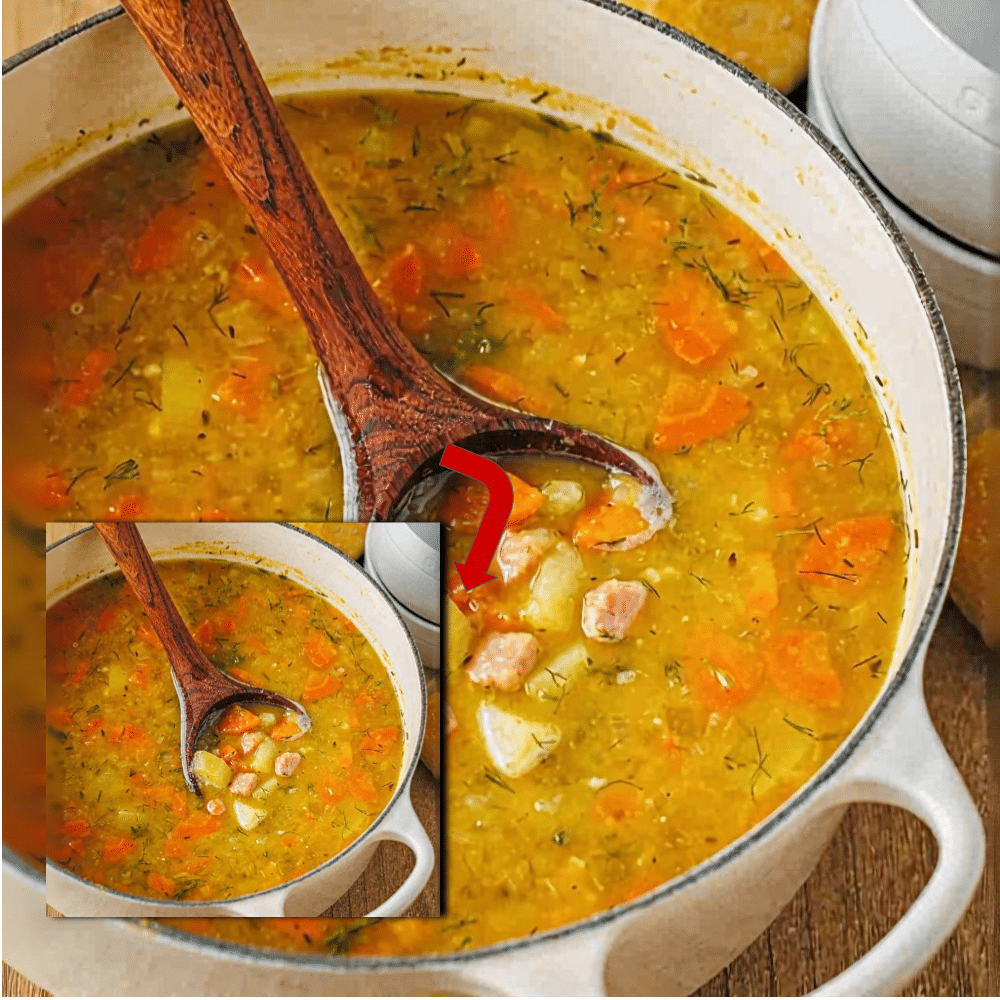
Searing the Beef for Maximum Flavor
- Prepare the Beef: Cut your chosen beef (short ribs or shank) into 1.5-2 inch pieces, if not already cut. Pat them thoroughly dry with paper towels. Season generously with salt and freshly ground black pepper.
- Heat the Pot: In a large, heavy-bottomed pot or Dutch oven, heat a tablespoon or two of olive oil or beef tallow over medium-high heat until shimmering.
- Sear in Batches: Add the seasoned beef to the hot pot in a single layer, making sure not to overcrowd it. Sear on all sides until deeply browned. This caramelization (Maillard reaction) creates rich, complex flavors that will form the backbone of your soup.
- Deglaze (Optional but Recommended): Remove the seared beef and set aside. If there’s a good amount of fond (browned bits) at the bottom, a splash of water, broth, or even red wine can be used to scrape them up, adding even more flavor before proceeding.
Building the Flavor Base with Mirepoix
The mirepoix – a classic French aromatic base of diced onions, carrots, and celery – is fundamental to almost any great soup, and our beef split pea soup is no exception.
- Sauté Aromatics: Reduce the heat to medium. Add a little more oil if needed, then add your diced onions, carrots, and celery to the pot. Sauté gently, stirring occasionally, until the vegetables soften and the onions become translucent, about 8-10 minutes. This slow cooking allows their natural sugars to develop, adding sweetness and depth.
- Garlic and Herbs: Stir in minced garlic and cook for another minute until fragrant. Add the fresh thyme and dill sprigs now; their flavors will begin to infuse the vegetables.
Simmering to Perfection: Getting the Right Texture
Patience is key when simmering your beef split pea soup. This is where the magic happens, as flavors meld and the peas break down to create that characteristic creamy texture.
- Combine and Simmer: Return the seared beef to the pot with the sautéed vegetables. Add the rinsed split peas, then pour in enough beef broth or water to cover everything by at least 2 inches. Add a bay leaf.
- Bring to a Boil, then Reduce: Bring the soup to a rolling boil, then immediately reduce the heat to low. The goal is a gentle simmer, with just tiny bubbles breaking the surface.
- Slow Cook: Cover the pot and let it simmer for 1.5 to 2.5 hours, or until the beef is fall-apart tender and the split peas have fully broken down into a creamy consistency. Stir occasionally to prevent sticking, especially towards the end. If the soup becomes too thick, add a little more broth or water.
- Adjust Seasoning: Remove the bay leaf and any woody thyme stems. Taste and adjust seasoning with salt and pepper as needed. A splash of apple cider vinegar at the end can brighten the flavors beautifully.
Tips for Success
Achieving that perfect, comforting bowl of split pea soup is an art. These tips will help you master your beef split pea soup and ensure every batch is a triumph.
How to Thicken Your Soup Naturally
One of the beauties of split pea soup is its natural thickness, thanks to the starches in the peas breaking down. However, if your soup isn’t as thick as you’d like, here’s how to achieve it naturally:
- Continue Simmering: The most straightforward method is to simply continue simmering the soup, uncovered, allowing more liquid to evaporate.
- Mash Some Peas: For a quick fix, remove about 1-2 cups of the soup (peas and some broth) and mash it with a fork or an immersion blender. Stir the mashed portion back into the pot. This adds body without altering the flavor profile.
- Avoid Flour/Cornstarch: For this type of soup, flour or cornstarch thickeners are generally unnecessary and can sometimes create a gummy texture. Rely on the peas themselves!
Storing and Freezing Leftovers
This old-fashioned split pea soup with beef makes excellent leftovers, often tasting even better the next day as the flavors continue to meld.
- Refrigeration: Allow the soup to cool completely before transferring it to airtight containers. It will keep well in the refrigerator for up to 3-4 days.
- Freezing: For longer storage, split pea soup freezes beautifully. Portion cooled soup into freezer-safe containers or heavy-duty freezer bags. Lay bags flat to freeze, then stack. It can be frozen for up to 3 months. Thaw overnight in the refrigerator before reheating gently on the stovetop, adding a splash of broth or water if it’s too thick.
Serving Suggestions: Crusty Bread and Sides
A hearty bowl of this beef split pea soup is a meal in itself, but a few simple additions can elevate the experience even further:
- Crusty Bread: Absolutely essential for soaking up every last drop of the rich broth. A warm baguette or a rustic sourdough loaf is perfect.
- Fresh Herbs: A sprinkle of fresh parsley or extra dill just before serving adds a pop of color and a fresh aromatic note.
- Garnish: A dollop of plain Greek yogurt or sour cream, a drizzle of high-quality olive oil, or even some crispy beef bacon bits can add textural contrast and extra richness.
- Simple Salad: A light, crisp green salad with a vinaigrette dressing offers a refreshing counterpoint to the richness of the soup.
Variations to Try
While our core beef split pea soup recipe is phenomenal, it’s also incredibly versatile. Feel free to experiment with these variations to suit your schedule and preferences.
Slow Cooker Method
For hands-off convenience, a slow cooker beef split pea soup is a game-changer. It allows the flavors to meld slowly over hours, resulting in an incredibly tender beef and a perfectly creamy texture.
- Searing is Key: Don’t skip searing the beef on the stovetop first. This crucial step adds immense depth of flavor that a slow cooker alone cannot achieve.
- Combine Ingredients: After searing the beef and sautéing the mirepoix, transfer everything to your slow cooker. Add the rinsed split peas, broth, and herbs.
- Cook Time: Cook on low for 6-8 hours or on high for 3-4 hours, until the beef is fork-tender and the peas have broken down. Adjust liquid as needed.
Instant Pot Method
For those times when you need this comforting beef split pea soup on the table faster, the Instant Pot is your best friend. An instant pot split pea soup beef recipe delivers incredible results in a fraction of the time.
- Sauté Function: Use the “Sauté” function to sear the beef and sauté the mirepoix directly in the Instant Pot.
- Pressure Cook: Add the rinsed split peas, broth, and herbs. Secure the lid, set the valve to sealing, and pressure cook on high for 25-30 minutes.
- Natural Release: Allow for a natural pressure release for at least 10-15 minutes before manually releasing any remaining pressure. Stir, mash a bit if desired, and season to taste.
Adding Barley or Other Grains
To add even more texture, nutrition, and heartiness to your split pea soup, consider incorporating other grains. This can make for an even more substantial meal, perfect for truly cold evenings.
- Barley: Pearled barley is a fantastic addition. It adds a chewy texture and absorbs the flavors of the soup beautifully. Add about 1/2 to 3/4 cup of rinsed pearled barley along with the split peas. It will cook alongside the peas and beef, contributing to the soup’s overall richness and making it an even more robust hearty winter soup with beef.
- Farro or Wheat Berries: These grains also work well, offering a slightly chewier texture. They may require a bit more cooking time than pearled barley, so ensure they are tender before serving.
Whether you’re making an old-fashioned split pea soup with beef for a crowd, a quick instant pot split pea soup beef for a weeknight, or a slow cooker beef split pea soup for a lazy Sunday, this recipe promises warmth, flavor, and deep satisfaction. Enjoy every comforting spoonful!
Hearty Beef Split Pea Soup
Ingredients
- Olive oil For searing meat and sautéing vegetables by sauteing vegetables first soup will have richer flavor profile soup will have richer flavor profile soup w...
- Why is it important to define functions in Python? Functions allow you to reuse code, which makes your programs more modular and easier to read and maintain. Instea...
- How is memory managed in Python? Python uses automatic memory management through a private heap space where all objects and data structures are st...
- What is a lambda function in Python? A lambda function is a small, anonymous function defined with the `lambda` keyword. It can take any number of arg...
- Explain the difference between `__init__` and `__new__` in Python classes. `__new__` is the first step of instance creation. It's a static method that takes the class as its first argument...
- What are decorators in Python? Decorators provide a simple syntax for calling higher-order functions. A decorator takes a function and extends i...
Instructions
- Look at the student's response and grade it as correct or incorrect. If the response is incorrect, explain why.
- Look at the student's response and grade it as correct or incorrect. If the response is incorrect, explain why.
- Look at the student's response and grade it as correct or incorrect. If the response is incorrect, explain why.
- Look at the student's response and grade it as correct or incorrect. If the response is incorrect, explain why.
- Look at the student's response and grade it as correct or incorrect. If the response is incorrect, explain why.
- Look at the student's response and grade it as correct or incorrect. If the response is incorrect, explain why.
For more daily recipes and tips, follow us on Facebook!
Click here to join our community!