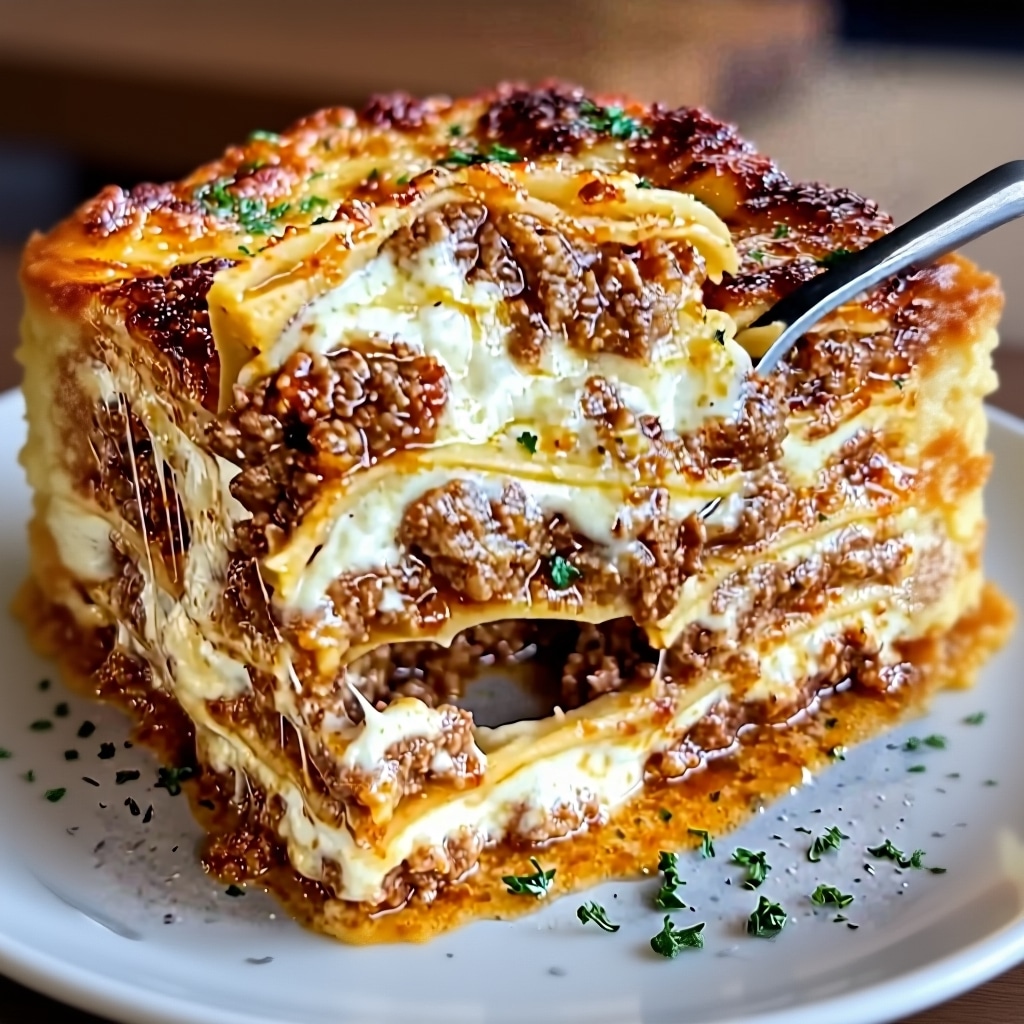
Ultimate Cheesy Beef Lasagna Guide
There are few dishes that evoke the warmth and comfort of home quite like a classic lasagna. But not just any lasagna—we’re talking about the Cheesy Beef Lasagna, a masterpiece of layered flavors and textures that promises to be the star of your next family sunday dinner ideas. Forget dry, crumbly versions or watery disappointments. This guide will walk you through creating a show-stopping ground beef casserole that’s rich, savory, and unbelievably cheesy, establishing it as the ultimate comfort food dinner.
Why This Is the Best Beef Lasagna Recipe
What makes our Cheesy Beef Lasagna stand head and shoulders above the rest? It’s a harmonious blend of traditional techniques and clever shortcuts, all designed to deliver maximum flavor and an unforgettable dining experience.
The Hybrid Method: Combining Creamy Ricotta and Silky Béchamel for Maximum Richness
The secret to an unparalleled lasagna lies in its creamy layers, and we’re not holding back. Many recipes opt for one or the other, but our hybrid approach harnesses the best of both worlds. The robust, tangy freshness of a properly whipped ricotta cheese mixture provides a delightful contrast to the incredibly smooth, subtly nutty embrace of a classic béchamel sauce. This dynamic duo ensures every bite is drenched in luxurious creaminess, preventing any dry spots and adding profound depth that defines a truly exceptional lasagna with béchamel.
Beef-Forward Flavor: How to Season Ground Beef to Mimic Deep, Savory Notes
The heart of any great Cheesy Beef Lasagna is its meat sauce, and we’re focused on making our ground beef sing with a depth of flavor that usually takes hours. To achieve this, we don’t just brown the beef; we build its character. Searing the beef until deeply caramelized creates a foundation of umami. We then infuse it with classic Italian aromatics like garlic, onion, and a generous medley of dried herbs—oregano, basil, and a touch of fennel seeds—which impart a complex, savory profile. A splash of red wine, slowly reduced, further concentrates these flavors, making for a homemade meat sauce that tastes like it’s been simmering all day, even if it hasn’t.
Texture Perfection: Tips for Golden Crusts and Firm, Non-Sliding Layers
No one wants a lasagna that collapses into a puddle on the plate. Achieving perfect texture involves a few critical steps. First, covering the lasagna for most of its baking time steams the noodles and helps the cheeses melt evenly, ensuring a moist interior. Uncovering it towards the end allows the top layer of cheese to bubble, brown, and achieve that irresistible golden crust. Furthermore, the strategic placement of cheeses and a proper resting period post-baking are key to firm, defined layers that hold their shape beautifully, resulting in a slice that is as impressive to look at as it is to eat.
Key Ingredients for Success
Building an outstanding Cheesy Beef Lasagna begins with selecting the right ingredients. Quality truly matters here, as each component plays a vital role in the final symphony of flavors.
The Meat Sauce (Ragù): Importance of Slow Simmering and Reducing Liquid
Our homemade meat sauce, or ragù, is the backbone of this lasagna. Start with high-quality ground beef, ideally 80/20 for flavor and moisture. After browning and seasoning, allow the sauce to simmer gently for at least 45 minutes, or ideally longer. This slow simmering process isn’t just about cooking the ingredients; it’s about melding flavors and reducing excess liquid. A thick, rich ragù that clings to a spoon is essential. Too much liquid and your lasagna will be watery and structurally unsound—a common pitfall we aim to avoid.
Cheese Selection: Freshly Grated Parmesan vs. Pre-Shredded Mozzarella
For the best cheese for lasagna, a combination is non-negotiable.
- Mozzarella: Opt for low-moisture, whole-milk mozzarella, either in a block or freshly shredded. Pre-shredded varieties often contain anti-caking agents that can hinder smooth melting. Freshly grating your own ensures superior melt and stretch.
- Parmesan/Pecorino Romano: Always grate your own Parmesan or Pecorino Romano cheese. The pre-grated variety lacks the robust, salty punch and fresh aroma of a wedge grated just before use. This provides that sharp, umami counterpoint to the milder mozzarella and ricotta.
- Ricotta: Choose a good quality whole-milk ricotta for the creamiest, most luxurious texture in your ricotta layer. Drain any excess liquid if it appears watery.
Noodles: No-Boil vs. Boiled—Which Works Best for Structure?
The great noodle debate! Both no-boil lasagna noodles and traditional boiled noodles have their merits for this hearty ground beef casserole.
- No-Boil Lasagna Noodles: These are incredibly convenient, eliminating a messy pre-cooking step. When used correctly, they absorb moisture from the sauces during baking, creating tender, firm layers. They often contribute to a more stable structure because they aren’t as slick as boiled noodles. Ensure your sauces are adequately moist to hydrate them fully.
- Traditional Boiled Noodles: While more time-consuming, boiling noodles to al dente (a minute or two shy of fully cooked) gives you precise control over their texture. However, they can sometimes be slippery, making assembly a bit trickier, and if overcooked, they can lead to a mushy lasagna.
For most home cooks, high-quality no-boil lasagna noodles offer an excellent balance of convenience and structure, provided you have a rich, moist meat sauce and béchamel.
Step-by-Step Cooking Guide
Crafting the perfect Cheesy Beef Lasagna is a process, but a rewarding one. Follow these steps for success.
- Building the Meat Base: Browning the Beef and Blooming the Spices.
In a large, heavy-bottomed pot or Dutch oven, brown the ground beef over medium-high heat until deeply caramelized. Drain off any excess fat. Add diced onions and cook until softened, then stir in minced garlic and your chosen dried herbs (oregano, basil, a pinch of fennel seeds if using). Cook for another minute until fragrant, allowing the spices to “bloom” in the hot oil. Deglaze with red wine, scraping up any browned bits from the bottom of the pan, and reduce until almost evaporated. Stir in crushed tomatoes, tomato paste, a bay leaf, and season with salt and pepper. Bring to a simmer, then reduce heat to low, cover, and let it gently bubble for at least 45-60 minutes, stirring occasionally. The longer it simmers, the richer your homemade meat sauce will be.

- The Creamy Elements: Whipping the Ricotta and Making a Lump-Free Béchamel.
For the ricotta layer, in a medium bowl, combine whole-milk ricotta cheese with an egg (for binding), chopped fresh parsley, a generous amount of grated Parmesan, and a pinch of salt and black pepper. Mix well until smooth and creamy.
For the béchamel, melt unsalted butter in a separate saucepan over medium heat. Whisk in an equal amount of all-purpose flour to create a roux, cooking for 1-2 minutes until it smells nutty but doesn’t brown. Gradually whisk in warm milk, a little at a time, ensuring each addition is fully incorporated before adding more. Continue whisking constantly until the sauce thickens and is completely smooth and lump-free. Season with salt, white pepper, and a pinch of freshly grated nutmeg. This silky béchamel is crucial for an incredibly moist and flavorful Cheesy Beef Lasagna.
- The Assembly Line: The Critical Order of Layers to Prevent Sogginess.
Preheat your oven to 375°F (190°C). Lightly grease a 9×13-inch baking dish.
- Spread a thin layer of meat sauce on the bottom of the baking dish – this prevents the first layer of noodles from sticking and ensures even moisture.
- Lay a single layer of no-boil lasagna noodles over the sauce.
- Spread half of the ricotta mixture evenly over the noodles.
- Spoon about a third of the remaining meat sauce over the ricotta.
- Drizzle with a generous portion of béchamel sauce.
- Sprinkle with a mixture of grated mozzarella and Parmesan.
- Repeat the noodle, ricotta, meat sauce, béchamel, and cheese layers.
- Finish with a final layer of noodles, then the remaining meat sauce, a generous amount of béchamel, and finally, a thick blanket of mozzarella and Parmesan for that golden, bubbly crust.
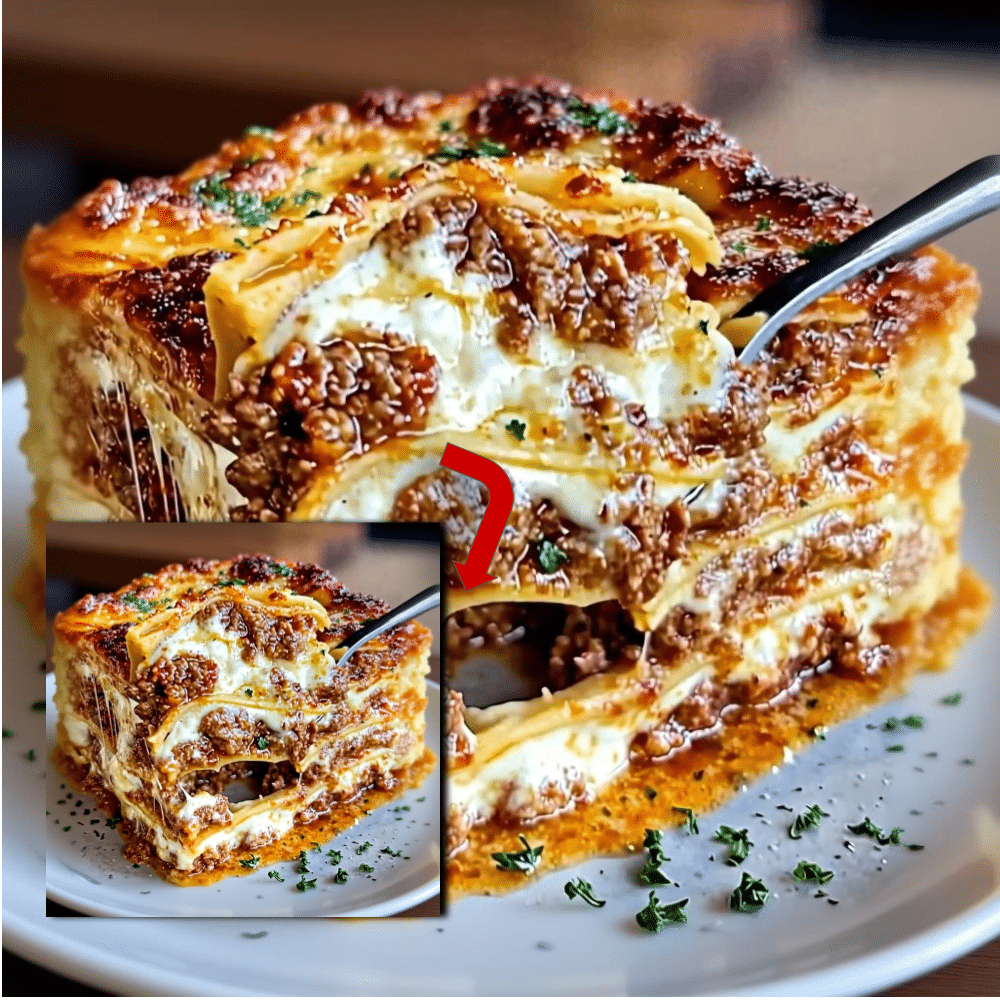
Pro-Tips for the Perfect Slice
You’ve put in the effort; now ensure your Cheesy Beef Lasagna comes out of the oven ready for its close-up.
The Resting Rule: Why Waiting 15 Minutes Is Non-Negotiable
This is arguably the most crucial step for a clean, firm slice. Once your lasagna comes out of the oven, it’s a bubbling, molten mess. The cheeses are liquid, the sauces are hot, and the noodles are still settling. Allowing it to rest for at least 15-20 minutes (ideally 30) lets the internal temperature cool slightly, allowing the cheeses to firm up and the layers to set. This prevents your delicious ground beef casserole from sliding apart the moment you cut into it.
Preventing Dry Edges: How to Cover and Uncover at the Right Times
To achieve a perfectly cooked, moist lasagna with a beautifully browned top, strategic covering is key.
- Bake your lasagna covered with foil for the initial 45-50 minutes. This traps steam, ensuring the noodles cook thoroughly and the internal layers heat evenly without drying out.
- Remove the foil for the last 15-20 minutes of baking. This allows the top layer of cheese to turn golden brown and bubbly, creating that desirable crispy crust while the interior remains tender and moist.
Sauce Consistency: Avoiding the Dreaded “Lasagna Soup”
The bane of many a lasagna-maker’s existence is a watery, soupy result. This can be avoided by:
- Reducing your meat sauce properly: It should be thick and cling to a spoon, not be watery. Simmer it uncovered for the last part if it seems too thin.
- Thickening your béchamel: A well-made béchamel should be able to coat the back of a spoon.
- Draining ricotta: If your ricotta looks watery, place it in a fine-mesh sieve set over a bowl for 30 minutes to an hour to drain excess moisture.
- Using low-moisture mozzarella: This cheese releases less water during baking.
Make-Ahead and Storage
The beauty of this Cheesy Beef Lasagna is its versatility for meal prep and future enjoyment, making it ideal for busy weeknights or as a beloved family sunday dinner ideas option.
Fridge vs. Freezer: Best Practices for Assembling Ahead of Time
- Make-Ahead (Refrigerated): Assemble the entire lasagna up to 2 days in advance. Cover it tightly with plastic wrap and then foil. Store in the refrigerator. When ready to bake, remove from the fridge 30-60 minutes before baking to allow it to come closer to room temperature. Bake as directed, adding an extra 10-15 minutes to the covered baking time.
- Freezing Lasagna Instructions (Unbaked): Assemble the lasagna in a freezer-safe baking dish. Wrap tightly with multiple layers of plastic wrap, then foil. Freeze for up to 3 months. To bake from frozen, remove all wrapping, cover with foil, and bake at 350°F (175°C) for 1 hour 30 minutes, then remove foil and bake for an additional 20-30 minutes, or until bubbly and golden.
- Freezing Lasagna Instructions (Baked): Allow the baked lasagna to cool completely. You can freeze individual slices or the entire dish. Wrap tightly in plastic wrap and then foil. Freeze for up to 3 months. This is perfect for quick comfort food dinner portions later.
Reheating: How to Warm Leftovers Without Drying Them Out
Reheating your delicious Cheesy Beef Lasagna without drying it out is simple:
- Oven: For individual slices, place them in an oven-safe dish, cover with foil, and warm at 300°F (150°C) for 20-30 minutes, or until heated through. For a whole lasagna, cover with foil and bake at 325°F (160°C) for 30-45 minutes. A splash of water or broth around the edges of the dish before covering can also help add moisture.
- Microwave: For a quick single serving, place a slice on a microwave-safe plate, cover with a damp paper towel, and heat on medium power for 2-4 minutes, checking frequently.
What to Serve With Lasagna
While a generous slice of Cheesy Beef Lasagna is a meal in itself, pairing it with complementary sides elevates the dining experience. Think about balancing the richness with freshness and texture.
- Garlic Bread and Crusty Rolls: An absolute classic pairing! The savory, buttery crunch of garlic bread is perfect for soaking up any leftover sauce and adding a satisfying textural contrast.
- Light, Acidic Salads to Cut Through the Richness: A crisp green salad with a vibrant vinaigrette, perhaps with cherry tomatoes, cucumber, and red onion, provides a refreshing counterpoint to the lasagna’s hearty nature. The acidity helps cleanse the palate.
- Roasted Vegetables: Simple roasted broccoli, asparagus, or green beans tossed with olive oil, salt, and pepper offer a healthy, earthy side that complements without overwhelming the main dish.
Ultimate Cheesy Beef Lasagna
Ingredients
- 1 tbsp Olive oil For sautéing
- 1 medium Onion Finely chopped
- 3 cloves Garlic Minced
- 1.5 lb (680 g) Lean ground beef 85/15 or 90/10 blend recommended
- 1 can (28 oz / 800 g) Crushed tomatoes High quality
- 2 tbsp Tomato paste For depth
- 1 tsp Sugar To balance acidity
- 1 tsp Dried oregano
- 1 tsp Italian seasoning
- 1 tsp Fennel seeds Crushed, to mimic sausage flavor
- 1/2 tsp Red pepper flakes Optional, for heat
- 1/4 cup (60 ml) Water or dry red wine Cabernet or Merlot work well
- 15 oz (425 g) Ricotta cheese Whole milk preferred
- 1 large Egg Lightly beaten
- 1/2 cup (50 g) Parmesan cheese Freshly grated
- 4 cups (400 g) Mozzarella cheese Shredded, divided use
- 3 tbsp Unsalted butter For béchamel
- 3 tbsp All-purpose flour For béchamel
- 3 cups (720 ml) Whole milk Warmed
- 1 pinch Nutmeg Freshly grated
- 12 Lasagna noodles Oven-ready or boiled al dente
- Fresh parsley or basil Chopped, for garnish
- Salt and black pepper To taste
Instructions
- Heat olive oil in a large skillet or Dutch oven over medium heat. Sauté the chopped onion until soft and translucent (about 5 minutes), then stir in the minced garlic and cook for another minute until fragrant.
- Add the ground beef to the skillet. Break it apart with a wooden spoon and cook until fully browned and no pink remains. Drain excess fat if necessary.
- Stir in the crushed tomatoes, tomato paste, sugar, 1 tsp salt, 1/2 tsp black pepper, dried oregano, Italian seasoning, fennel seeds, and red pepper flakes. Pour in the water (or red wine).
- Reduce heat to low and let the meat sauce simmer uncovered for 25–30 minutes, stirring occasionally, until it has thickened and flavors have melded.
- In a medium bowl, combine the ricotta cheese, beaten egg, grated Parmesan, and 1/2 cup of the shredded mozzarella. Season with a pinch of salt and pepper. Mix until creamy and smooth. Set aside.
- For the béchamel: Melt butter in a medium saucepan over medium heat. Whisk in the flour and cook for 1–2 minutes to remove the raw flour taste (do not let it brown).
- Gradually pour in the milk while whisking constantly to prevent lumps. Continue cooking and whisking until the sauce thickens enough to coat the back of a spoon (about 5–8 minutes). Remove from heat and stir in the nutmeg, salt, and pepper.
- Preheat your oven to 375°F (190°C). Grease a 9×13-inch baking dish.
- Assemble the lasagna: Spread a thin layer of the meat sauce on the bottom of the dish to prevent sticking.
- Place a layer of noodles over the sauce. Spread a portion of the ricotta mixture over the noodles, followed by a layer of meat sauce, and then a drizzle of béchamel.
- Repeat the layering process (Noodles -> Ricotta -> Meat Sauce -> Béchamel) until all ingredients are used. Finish with a final layer of meat sauce and cover generously with the remaining shredded mozzarella cheese.
- Tent the dish loosely with aluminum foil (ensure it doesn't touch the cheese) and bake for 25 minutes.
- Remove the foil and bake for an additional 15–20 minutes, or until the cheese is melted, bubbly, and golden brown on top.
- Remove from the oven and let the lasagna rest for at least 15 minutes before slicing. This allows the layers to set for clean cuts. Garnish with fresh parsley or basil and serve warm.
For more daily recipes and tips, follow us on Facebook!
Click here to join our community!