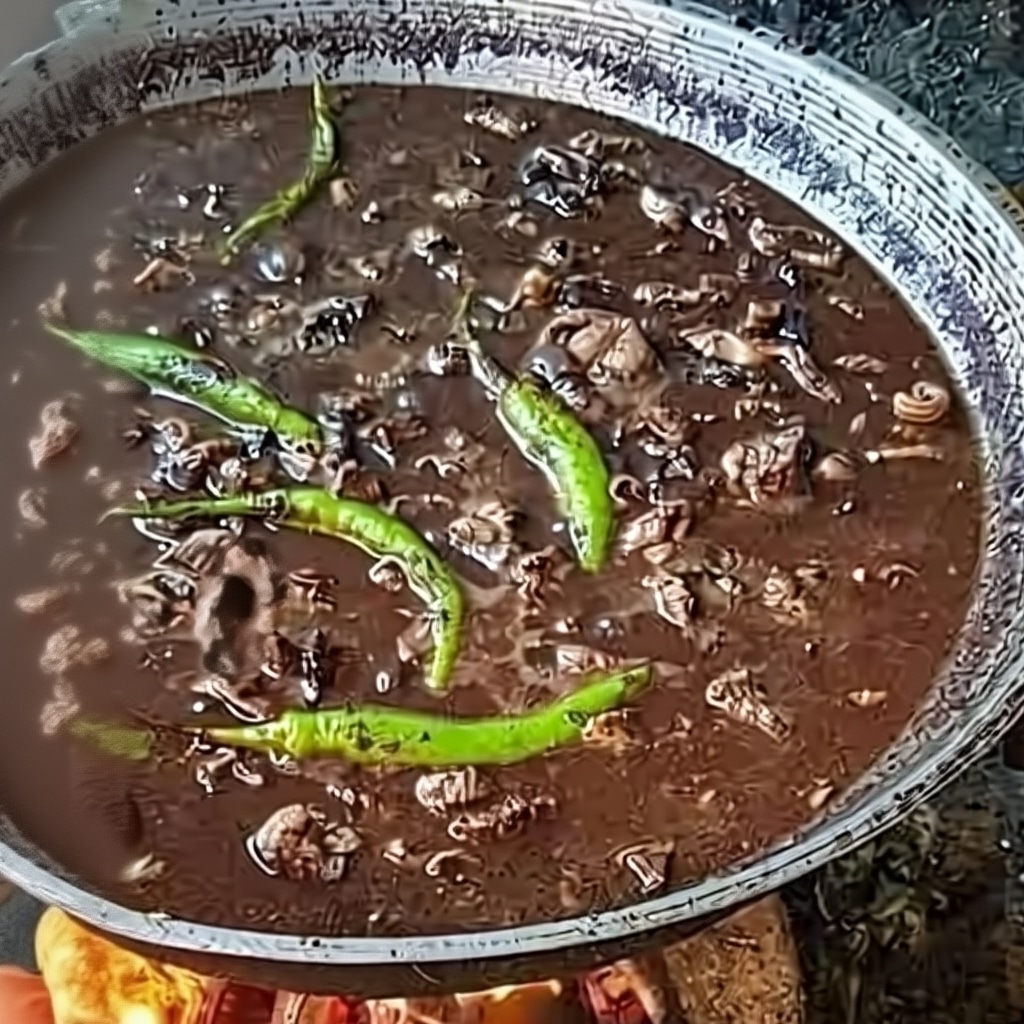
There are certain aromas that instantly transport you back home, back to the heart of the Philippines, to bustling kitchens filled with laughter and the promise of a truly satisfying meal. For many, that scent is the unmistakable fragrance of Dinuguan. It’s a dish so deeply woven into the fabric of Filipino culinary tradition that its very essence evokes a profound sense of nostalgia –
“Amoy pa lang, uwi na agad sa probinsya.”
Indeed, just the smell can bring you home to the province, to family gatherings, and tables laden with love.
While often associated with one particular base, today we’re diving into a magnificent, robust version that truly stands on its own: Beef Dinuguan, known affectionately as Serkele. This is not just any stew; it’s a hearty, flavorful exploration into Filipino comfort food, offering a deeper, more profound savoriness than its more common counterpart. For those who appreciate the rich texture and intense flavor of beef, Serkele is an absolute revelation, a dish that showcases the incredible versatility of authentic Filipino beef blood stew.
The origins of Dinuguan, including its beef variations, are deeply rooted in the Filipino culinary philosophy of zero-waste cooking. Born from necessity and ingenuity, particularly in provinces like Bulacan, this dish exemplifies how every part of the animal can be transformed into something truly spectacular. It’s a testament to Filipino resourcefulness, turning humble ingredients into a celebratory feast, and Serkele carries on this proud tradition with its rich heritage and distinctive taste.
What is Beef Dinuguan (Serkele)?
At its heart, Beef Dinuguan, or Serkele, is a savory, stew-like dish made from beef offal and/or meat simmered in a rich, dark gravy of fresh beef blood, vinegar, garlic, and chilies. The name “Dinuguan” itself comes from “dugo,” the Filipino word for blood, directly referencing its primary unique ingredient. However, Serkele elevates this concept with the robust character of beef.
Flavor Profile: A Symphony of Savory and Tang
The flavor profile of Beef Dinuguan is undeniably unique and deeply satisfying. Expect a profoundly beefier, richer, and more intense taste compared to other blood stews. The natural umami of the beef melds beautifully with the tangy notes of vinegar, the pungent kick of garlic, and the subtle warmth of ginger and green chilies. It’s a complex symphony of savory, slightly sour, and mildly spicy notes, creating a flavor that is both comforting and exhilarating. This authentic Filipino beef blood stew boasts a depth that keeps you coming back for more, bite after delicious bite.
Texture: From Silky Smooth to Hearty and Thick
The texture of Serkele can vary significantly depending on regional preferences and personal taste, but it is often characterized by a more soupy, almost broth-like consistency when cooked in the traditional Serkele recipe style. This allows the richness of the blood sauce to coat every piece of succulent beef and offal. However, it can also be prepared as a thicker, more stew-like dish, similar to a classic Dinuguan, where the sauce clings heavily to the meat, offering a more intense mouthfeel. Regardless of consistency, the sauce is ideally smooth and velvety, a testament to proper blood handling.
Key Ingredients: The Pillars of Authentic Serkele
Crafting the perfect Beef Dinuguan relies on a few critical components, each playing a vital role in its distinctive taste and texture:
- Beef Chuck or Cubes: While offal is traditional, using tender cuts of beef chuck or similar stewing beef provides a fantastic foundation, adding substantial meatiness and flavor.
- Beef Offal: This is where the true character of many Filipino offal dishes shines. Common choices include beef tripe (goto), liver, and even intestines, all meticulously cleaned and simmered until fork-tender. These contribute to the unique texture and profound flavor.
- Fresh Beef Blood: This is the soul of Serkele. It’s crucial to use fresh, unstirred beef blood, typically collected with a bit of vinegar to prevent immediate coagulation. This forms the basis of the rich, dark, and velvety sauce.
- Vinegar: A critical ingredient that provides the signature tang and helps to cook the blood, preventing it from tasting metallic.
- Aromatics and Spices: Garlic, onions, ginger, and green long chilies (siling haba) or bird’s eye chilies (siling labuyo) are essential for building layers of flavor and adding a pleasant heat.
Understanding these elements is the first step in mastering how to cook Serkele, ensuring every batch captures the true essence of this beloved Filipino beef blood stew.
Critical Cooking Tips for Success
Mastering Beef Dinuguan requires attention to detail, especially when working with its unique core ingredients. Here are some critical tips to ensure your dinuguan sa baka turns out perfectly, rich in flavor, and delightfully smooth.
1. Handling the Blood
The blood is the star of this dish, so proper handling is paramount for a smooth, uncurdled sauce.
- Preventing Coagulation (Curdling): When you acquire fresh beef blood, it often has a small amount of vinegar mixed in by the butcher to keep it liquid. If not, add a tablespoon of vinegar or calamansi juice per cup of blood immediately after collection. This acidity prevents it from clotting too quickly, ensuring it remains fluid for cooking.
- The Importance of Straining: Before adding the blood to your stew, always strain it through a fine-mesh sieve. This removes any small clots, impurities, or unwanted fibers, resulting in a wonderfully silky, smooth, and lump-free sauce that is the hallmark of a perfectly executed Beef Dinuguan.
2. Removing the Gamey Smell (Lansa)
Beef offal can sometimes have a strong, “gamey” smell or taste, known as lansa in Filipino cuisine. Mitigating this is key to a palatable and delicious stew.
- Why Ginger and Vinegar Are Your Best Friends: Ginger is a powerful deodorizer and flavor enhancer. Sautéing a good amount of minced ginger with your beef and offal before adding liquids helps neutralize any undesirable aromas. Similarly, vinegar, used not just in the final stew but also in the cleaning process, helps cut through gamey notes.
- Proper Cleaning of Beef Offal: This step cannot be overstated for any beef innards recipe.
- Rinse Thoroughly: Wash offal under cold running water multiple times until the water runs clear.
- Scrub and Scrape: For tripe, gently scrub the surface to remove any residual grime.
- Soak in Vinegar/Lemon/Salt: Submerge offal in a solution of water with a generous splash of vinegar, lemon juice, or rock salt for 30 minutes to an hour. Rinse thoroughly afterward.
- Parboil: Many chefs recommend parboiling offal. Bring a pot of water to a rolling boil, add the offal, and simmer for 10-15 minutes. Discard this first batch of water, rinse the offal again, and then proceed with cooking in fresh water until tender. This process significantly reduces gamey odors and cleanses the offal.
3. The Vinegar Rule: “Don’t Stir Until It Boils”
This is arguably the most crucial rule for many Filipino sour stews, including Beef Dinuguan, to prevent the dish from tasting raw or overwhelmingly sour.
“Once you add the vinegar, resist the urge to stir the pot until it reaches a full, rolling boil. Let the acidity cook off and mellow out naturally.”
Stirring too early can prevent the vinegar from properly cooking down, resulting in a harsh, uncooked sourness that dominates the dish. Allow it to come to a boil undisturbed, then you can gently stir to combine the ingredients and let the flavors meld beautifully. This simple rule guarantees that your authentic dinuguan ingredients will shine through with a balanced and delightful tang.
Common Variations
While the classic Beef Dinuguan is a masterpiece on its own, its versatility allows for exciting variations to suit different palates and preferences. Whether you like it with a fiery kick or a mellow creaminess, there’s a Dinuguan style for everyone.
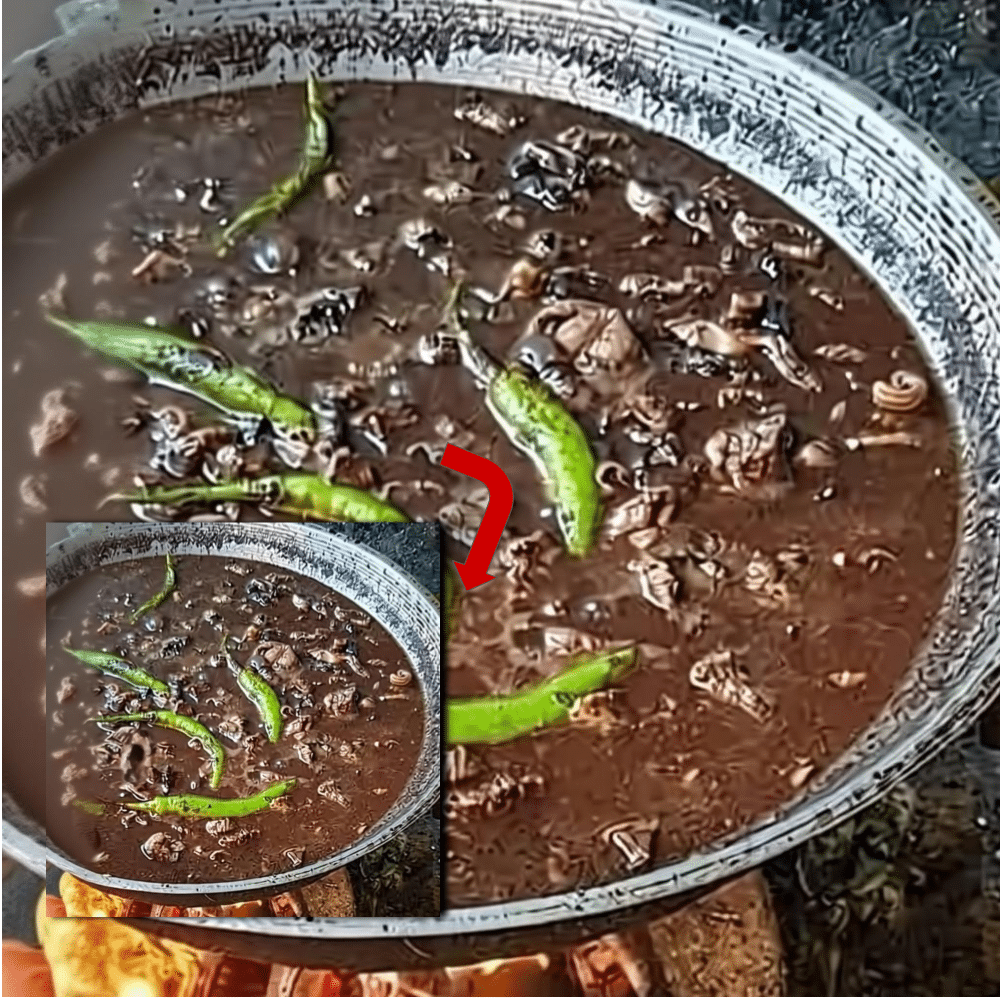
Spicy: Bringing the Heat
For those who crave a fiery experience, adding more heat to your dinuguan sa baka is simple and immensely satisfying. The traditional green long chilies (siling haba) offer a mild, aromatic warmth, but to truly dial up the spice:
- Siling Labuyo: Incorporate more bird’s eye chilies. You can slice them, crush them, or even leave them whole for a more gradual release of heat. Just be mindful as these small chilies pack a powerful punch!
- Chili Flakes or Powder: For an extra layer of heat and a smoky flavor, a pinch of dried chili flakes or a dash of cayenne pepper can be stirred in towards the end of cooking.
Creamy: The Indulgence of Coconut Milk
Transforming Beef Dinuguan into a richer, creamier dish is a popular variation, often known as Tinutungang Dinuguan style (though typically referring to a smoked coconut milk base, the principle applies). Adding coconut milk mellows the tanginess and adds a luxurious mouthfeel.
- When to Add: Introduce a can of full-fat coconut milk (or coconut cream for extra richness) towards the end of the cooking process, after the blood has set and the flavors have melded.
- Simmer Gently: Allow the stew to simmer gently until the coconut milk has thickened slightly and its oils begin to separate, creating a luscious, velvety sauce. This variation offers a delightful contrast of creamy texture with the inherent tang and beefiness, making for fantastic creamy dinuguan tips.
Crispy Toppings: Adding Texture and Flavor
A true Dinuguan feast often involves delightful textural contrasts. Adding crispy toppings enhances the eating experience significantly.
- Fried Beef Fat: Rendered and fried beef fat (chicharon bulaklak or simply crispy beef skin/fat) provides an incredible crunch and an extra layer of savory beef flavor. These can be prepared separately and sprinkled generously over each serving.
- Chicharon: Crushed beef chicharon (beef cracklings) offers a similar satisfying crunch and saltiness, absorbing some of the rich sauce while maintaining its crispness for a time.
- Garlic Bits: Crispy fried garlic bits are always a welcome addition, lending their aromatic crunch to the rich stew.
Experimenting with these variations allows you to customize your Beef Dinuguan to your precise liking, making each bowl a uniquely personal culinary adventure.
Serving and Storage
Enjoying Beef Dinuguan is an experience in itself, but knowing how to best serve and store it ensures you get the most out of every delicious batch.
Pairings: The Perfect Accompaniments
The rich and robust flavors of dinuguan sa baka call for simple yet effective pairings that balance its intensity.
- Puto (Steamed Rice Cakes): This is arguably the most iconic pairing. The slightly sweet, soft, and airy texture of puto (steamed rice cakes) provides a delightful contrast to the savory, tangy, and sometimes spicy stew. It’s perfect for soaking up every last drop of the rich sauce.
- Steamed Rice: For a more traditional and universally loved pairing, a generous serving of freshly steamed white rice is always a winner. The neutral flavor and fluffy texture of rice perfectly complement the bold profile of the Beef Dinuguan, making it a complete and satisfying meal.
Reheating: Better the Next Day?
Much like many stews and braises, Beef Dinuguan often tastes even better the day after it’s cooked. This is because the flavors have more time to meld and deepen, allowing the complex notes of beef, vinegar, garlic, and chilies to fully integrate.
- Gentle Reheating: Reheat leftover Dinuguan gently over low to medium heat on the stovetop, stirring occasionally. Add a tiny splash of water or beef broth if it has thickened too much overnight. Avoid high heat, which can cause the blood sauce to separate or become grainy.
Freezing Instructions: How to Store Leftover Stew Safely
Beef Dinuguan freezes remarkably well, making it an excellent dish for meal prepping or enjoying later. Ensure you cool it completely before freezing.
- Portioning: Divide the cooled Dinuguan into single-serving or family-sized portions in airtight, freezer-safe containers or heavy-duty freezer bags.
- Labeling: Label with the date to keep track of freshness.
- Storage Duration: It can be safely stored in the freezer for up to 2-3 months without significant loss of quality.
- Thawing and Reheating: Thaw overnight in the refrigerator, then reheat gently on the stovetop, as described above.
Frequently Asked Questions (FAQ)
Can I use frozen blood?
While fresh beef blood is always highly recommended for the best texture and flavor in Beef Dinuguan, frozen blood can be used as a last resort. However, be aware that frozen blood tends to coagulate more readily and may result in a slightly grainier sauce even after straining. If using frozen, thaw it completely in the refrigerator and strain it meticulously multiple times to achieve the smoothest possible consistency for your Filipino beef blood stew.
How do I fix a sauce that is too watery?
If your Beef Dinuguan sauce turns out too watery, don’t despair! You have a few options:
- Simmer Longer: The simplest method is to continue simmering the stew, uncovered, over low heat. This allows excess liquid to evaporate, thickening the sauce naturally. Stir occasionally to prevent sticking.
- Slurry: For a quicker fix, mix 1 tablespoon of cornstarch with 2 tablespoons of cold water to create a slurry. Gradually stir this into the simmering Dinuguan until your desired thickness is achieved. Be careful not to add too much, or the sauce can become gummy.
- Add More Blood (Carefully): If you have extra fresh, strained blood on hand, you can carefully add a small amount, ensuring it comes to a boil without stirring to thicken. This will also deepen the flavor and color.
Is Beef Dinuguan healthy?
Beef Dinuguan, like many hearty stews, is calorie-dense and rich in nutrients. Beef blood is an excellent source of iron and protein, making it a very nutritious component. The beef and offal also provide protein, vitamins, and minerals. However, it can also be high in cholesterol and fat, especially if made with fatty cuts of beef or offal. Enjoying Filipino offal dishes like Serkele in moderation as part of a balanced diet is key. It’s a dish that offers significant nutritional benefits, particularly for iron intake, but should be balanced with other lighter meals.
Conclusion
From its humble beginnings rooted in the principle of zero-waste cooking to its status as a beloved comfort food, Beef Dinuguan or Serkele is a testament to the richness and ingenuity of Filipino cuisine. Its deep, complex flavors, derived from tender beef, savory offal, and a uniquely velvety blood sauce, offer a culinary experience unlike any other. It’s a dish that warms the soul, brings back cherished memories, and introduces newcomers to an exciting dimension of Filipino cooking.
Don’t be intimidated by its distinctive ingredients. With the critical cooking tips shared and a little patience, you’re well on your way to mastering this authentic Filipino beef blood stew. So, gather your authentic dinuguan ingredients, prepare for an adventure in flavor, and embrace the challenge of creating your own delicious pot of Serkele. It’s more than just a meal; it’s a connection to heritage, a celebration of flavor, and a hearty, homestyle dish that truly embodies the spirit of Filipino hospitality. Happy cooking, and prepare to be delighted!
Authentic Beef Dinuguan (Serkele)
Ingredients
- 2 lbs Beef chuck, cut into 1-inch cubes Can substitute with brisket for a fattier cut
- 1/2 lb Beef liver, cubed Soak in milk or vinegar before cooking to reduce odor
- 1/2 lb Beef tripe, cleaned and boiled until tender Slice into strips
- 2 cups Beef blood (or Pork blood) Strained to remove lumps
- 1 cup Cane vinegar Or white vinegar
- 1 thumb Ginger Minced; essential for neutralizing beef odor
- 1 head Garlic Minced
- 1 large Red onion Chopped
- 3 pcs Long green chilies (Siling Haba) Whole
- 2 pcs Dried bay leaves
- 1 tbsp Brown sugar To balance acidity
- 2 cups Beef stock or water Adjust for desired consistency
- 2 tbsp Cooking oil
- 1 tsp Black pepper Ground
- 1 tbsp Fish sauce (Patis) Optional, for depth
Instructions
- Heat the cooking oil in a large pot over medium heat. Sauté the minced ginger, garlic, and onions until the onions are translucent and the garlic is golden.
- Add the beef chuck and beef tripe to the pot. Cook until the beef browns slightly and the juices begin to render.
- Pour in the fish sauce (patis) and cook for another 2 minutes to deglaze the pot.
- Pour in the vinegar and bring it to a boil. Do not stir the mixture while the vinegar is boiling to prevent a raw acid taste. Let it simmer uncovered for about 3-5 minutes.
- Add the beef stock (or water), dried bay leaves, and black pepper. Bring to a boil, then lower the heat to a simmer. Cover and cook for 45-60 minutes, or until the beef chuck is tender.
- Add the cubed beef liver and cook for 5 minutes. (Adding liver late prevents it from becoming tough).
- Slowly pour in the beef blood while stirring the stew continuously. This constant motion prevents the blood from curdling or forming lumps. Continue stirring for 3-5 minutes until the sauce thickens and turns a dark chocolate brown.
- Add the brown sugar and long green chilies (Siling Haba). Simmer for another 10 minutes on low heat to allow the flavors to meld. If the sauce is too thick, add a splash of water.
- Season with salt or additional fish sauce to taste. Serve hot with Puto or steamed rice.
For more daily recipes and tips, follow us on Facebook!
Click here to join our community!