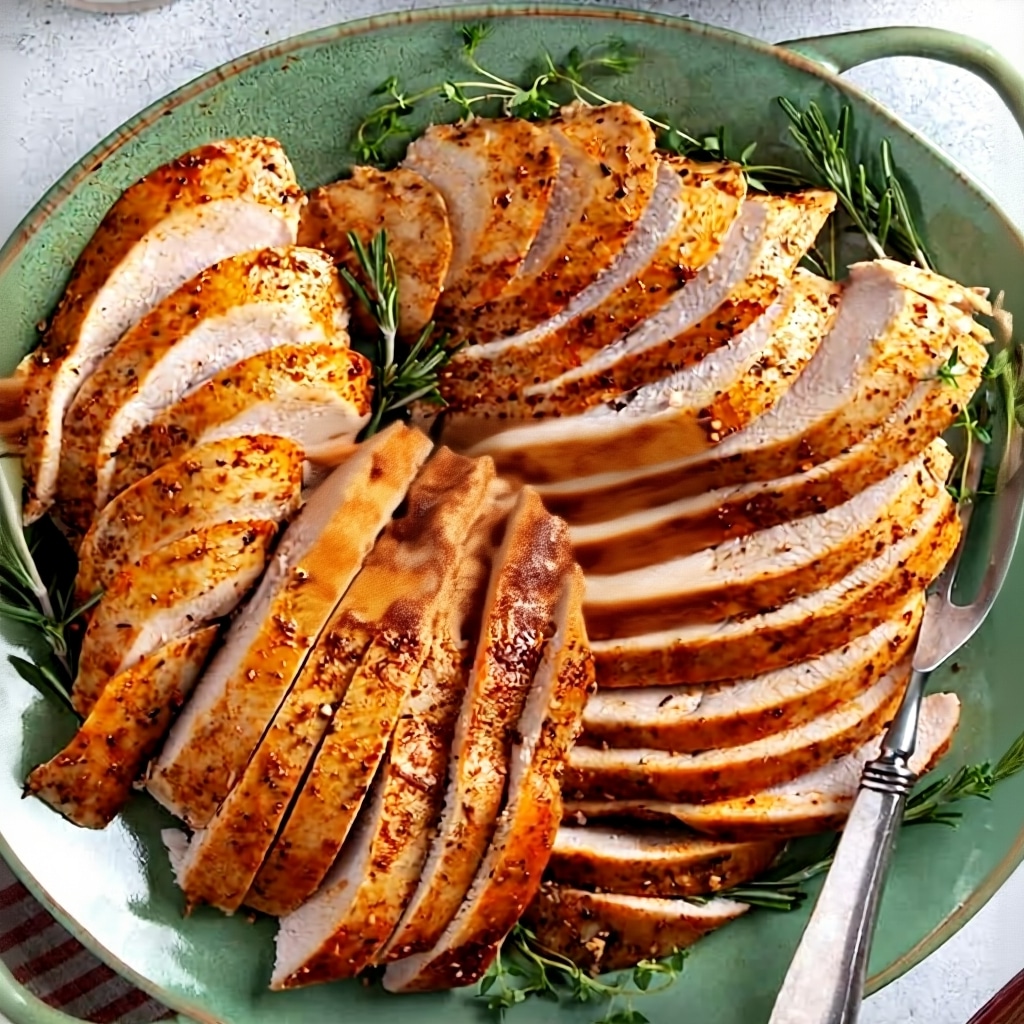
The holidays are a time for joy, togetherness, and, of course, incredible food. But for many, the thought of wrestling a giant whole turkey can be daunting, especially for smaller gatherings. Enter the magnificent Herb-Roasted Turkey Breast – your new secret weapon for a stress-free, intensely flavorful holiday meal. This isn’t just an alternative; it’s a culinary triumph, delivering all the juicy, tender goodness you crave without the fuss. Prepare to impress everyone with the ultimate holiday showstopper that’s surprisingly easy to master.
Why This Herb-Roasted Turkey Breast is the Ultimate Holiday Win
The Benefits of Roasting a Breast vs. a Whole Bird
Opting for a turkey breast over a whole bird offers a cascade of advantages that make it a compelling choice for any home cook. Firstly, it’s significantly faster to cook. A bone-in turkey breast typically cooks in a fraction of the time a full turkey requires, meaning less oven time and more time enjoying your guests. Secondly, portion control is a breeze. You eliminate the guesswork of carving around various joints and bones, resulting in uniformly delicious slices of moist turkey meat. This also means less food waste – perfect for those who find themselves with an overwhelming amount of leftovers from a full bird.
Moreover, roasting a turkey breast sidesteps the age-old dilemma of uneven cooking. With a whole bird, the breast meat often dries out before the dark meat is fully cooked. Focusing solely on the breast ensures every bite is tender and succulent, allowing you to achieve that coveted juicy turkey breast recipe result every single time. It truly simplifies the roasting process without sacrificing an ounce of flavor or festive appeal.
Perfect for Small Gatherings and Weeknight Dinners
While this recipe shines as a center-piece for your holiday table, its versatility extends far beyond. For Thanksgiving dinner ideas for small families, an Herb-Roasted Turkey Breast is an absolute game-changer. You get all the traditional flavors and festive feeling without being overwhelmed by a massive bird. It’s also an ideal solution for intimate Christmas dinners or even a special Sunday roast.
But don’t reserve this star for just special occasions! Its relative ease and quicker cooking time make it an incredibly appealing option for a gourmet weeknight meal. Imagine elevating a simple Tuesday dinner with a perfectly roasted, herb-infused turkey breast, accompanied by a quick side. This recipe truly is an easy holiday main dish that effortlessly transitions to an impressive, yet manageable, everyday meal.
Essential Ingredients for Flavorful Turkey
The Secret to the Herb Butter Rub
The magic of this Herb-Roasted Turkey Breast truly begins with its aromatic butter rub. This isn’t just any seasoning; it’s a flavorful shield that locks in moisture and infuses the meat with incredible depth. The foundation is usually softened unsalted butter, which acts as the perfect vehicle for a medley of herbs and spices.
The core components of a standout garlic herb butter turkey rub include minced garlic – lots of it – along with a generous helping of fresh herbs. Salt and freshly cracked black pepper are non-negotiable for seasoning, and a hint of lemon zest can add a bright, uplifting note that cuts through the richness of the butter and turkey. The butter melts during roasting, crisping the skin while the herbs and garlic penetrate the meat, creating an irresistible aroma and taste.
Choosing Fresh vs. Dried Herbs
When it comes to herbs, there’s a significant difference between fresh and dried, especially for a dish where they are a primary flavor component. For this Herb-Roasted Turkey Breast, we emphatically recommend fresh herbs. The vibrant, pungent oils in fresh rosemary and thyme poultry dishes are incomparable. Fresh herbs provide a more complex, aromatic, and less intense flavor profile than their dried counterparts. Dried herbs, while convenient, can sometimes taste muted or overly concentrated.
If fresh herbs aren’t available, you can substitute with dried, but use about one-third of the amount specified for fresh, as dried herbs are more potent. For instance, if a recipe calls for one tablespoon of fresh rosemary, use one teaspoon of dried. However, for the best possible results, make the effort to source fresh rosemary, thyme, sage, and perhaps a touch of parsley. They truly elevate the dish from good to extraordinary.
Selecting the Right Turkey Breast
The quality of your turkey breast is paramount to the final outcome. You’ll typically find two main types: bone-in and boneless. For this recipe, we highly recommend a bone-in turkey breast. The bone acts as a natural insulator, helping the meat cook more evenly and stay incredibly moist. It also imparts more flavor to the meat and any pan drippings you might use for gravy.
Look for a turkey breast that feels plump and firm, with skin that is intact and unblemished. A 6-8 pound bone-in turkey breast is usually ideal for 4-6 people, but adjust the size based on your guest count. If you opt for boneless, be aware it will cook faster and might require closer monitoring to prevent drying out. Whether bone-in or boneless, aim for a natural, unbrined, or minimally processed breast for the best control over seasoning and flavor.
Step-by-Step: How to Make Herb-Roasted Turkey Breast
Preparing the Turkey and Pan
- Thaw (if frozen): Ensure your turkey breast is fully thawed. This can take 24-48 hours in the refrigerator, depending on size.
- Pat Dry: This is a crucial step for crispy skin. Use paper towels to thoroughly pat the turkey breast dry, inside and out. Any surface moisture will steam rather than crisp.
- Bring to Room Temperature: Let the turkey breast sit on the counter for 30-60 minutes before roasting. This helps it cook more evenly.
- Prepare the Pan: Choose a sturdy roasting pan. You can line it with foil for easier cleanup. For extra flavor and to keep the turkey slightly elevated, create a “rack” of aromatic vegetables like sliced onions, carrots, and celery on the bottom of the pan. This also prevents the skin from sticking and allows air to circulate.
Applying the Seasoning Under the Skin
This is where the magic happens for truly flavorful and moist turkey meat tips! Instead of just slathering the rub on top of the skin, gently separate the skin from the breast meat. Using your fingers, carefully loosen the skin, creating a pocket over the breast meat without tearing the skin completely off. Be gentle but firm.
Once the pocket is formed, generously spread about two-thirds of your prepared herb butter rub directly onto the meat, underneath the skin. Distribute it evenly across the breast. This allows the flavors to directly infuse the meat and protects it from drying out. Then, rub the remaining herb butter over the top of the skin. This will ensure the skin gets beautifully crispy and flavorful.
Roasting Temperatures and Timing
Achieving a perfectly roasted turkey breast requires the right temperature and accurate timing. Here’s a general guide for oven roasted turkey breast time:
- Preheat your oven to 375°F (190°C). This temperature provides a good balance for cooking the meat through while allowing the skin to crisp.
- For a 6-8 pound bone-in turkey breast, expect it to take approximately 1.5 to 2.5 hours. This is a general estimate; the actual time will vary based on your oven and the exact size and shape of the breast.
- Initially, you can start at a higher temperature (e.g., 400°F/200°C) for the first 20-30 minutes to help crisp the skin, then reduce to 375°F (190°C) for the remainder of the cooking time.
- Roast until a meat thermometer inserted into the thickest part of the breast (without touching the bone) registers 165°F (74°C). We will elaborate more on thermometer use in the next section.
- If the skin starts to brown too quickly, loosely tent the turkey breast with aluminum foil.
The Importance of Resting Before Slicing
This is perhaps the most critical, yet often overlooked, step for a truly juicy turkey breast recipe. Once your turkey breast reaches the target internal temperature, remove it from the oven, tent it loosely with foil, and let it rest for at least 15-20 minutes, or even up to 30 minutes for a larger breast. Do not skip this!
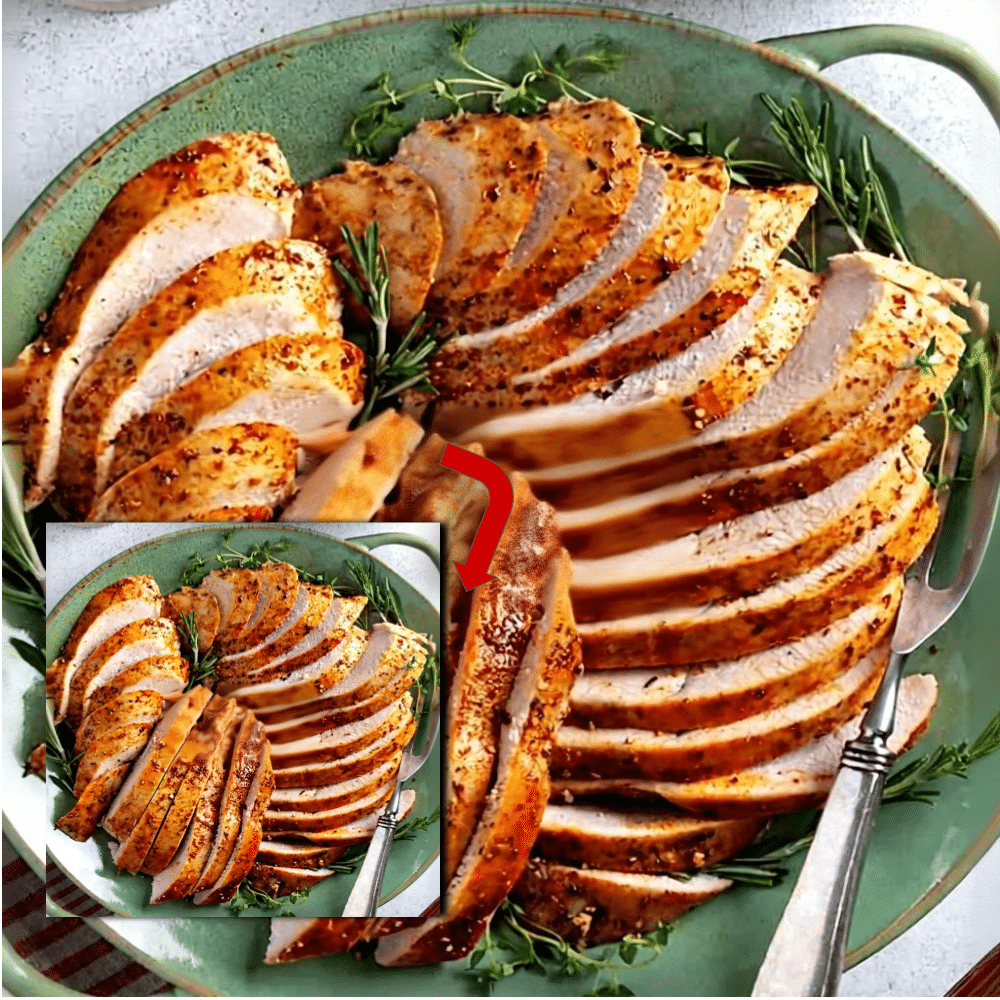
Why is resting so important? As meat cooks, its muscle fibers contract, pushing the juices towards the center. If you slice into the turkey immediately, those precious juices will pour out onto your cutting board, leaving you with dry meat. Resting allows the muscle fibers to relax and reabsorb those juices, distributing them back throughout the meat. The result is an incredibly tender, moist, and flavorful slice of turkey every time. It’s the difference between good turkey and truly unforgettable turkey.
Expert Tips for Guaranteeing Juicy Meat
Using a Meat Thermometer Properly
A reliable meat thermometer is your best friend when roasting poultry, especially if you want those consistent moist turkey meat tips. It eliminates guesswork and ensures your turkey is cooked perfectly without being overdone and dry. Here’s how to use it properly:
- Insert Correctly: For a bone-in turkey breast, insert the thermometer into the thickest part of the breast, making sure the tip does not touch the bone. If it touches the bone, you’ll get an artificially high reading. For boneless, insert it into the center of the thickest part.
- Target Temperature: The target internal temperature for turkey breast is 165°F (74°C). Remember, the temperature will continue to rise by a few degrees even after you remove it from the oven due to carryover cooking.
- Check Multiple Spots: For accuracy, check the temperature in a couple of different places in the thickest part of the breast.
“Never trust your eyes or the clock alone when roasting turkey. A quality meat thermometer is the only way to guarantee a safe and succulent bird, ensuring perfect doneness every time.”
Basting Techniques
Basting is a classic technique, but for this Herb-Roasted Turkey Breast, it’s not always strictly necessary. The herb butter rub under and over the skin already contributes significantly to moisture and flavor. However, if you notice the skin browning too quickly or want to add an extra layer of flavor, you can baste. Use the pan drippings accumulated at the bottom of the roasting pan, or a simple mixture of broth and a little more melted butter.
Baste every 30-45 minutes, but try to minimize how often you open the oven door, as this causes temperature fluctuations and extends cooking time. When you do baste, be quick to retain as much heat as possible.
Room Temperature Preparation
This simple step makes a huge difference in achieving evenly cooked, juicy turkey. Taking your turkey breast out of the refrigerator 30-60 minutes before you plan to put it in the oven allows it to come closer to room temperature. Why is this beneficial?
- Even Cooking: A cold turkey breast takes longer to heat through to the center, leading to the outer edges potentially overcooking and drying out before the interior is done.
- Faster Cooking: Starting closer to room temperature reduces the overall roasting time.
This allows the heat to penetrate the meat more uniformly, resulting in a more tender and perfectly cooked Herb-Roasted Turkey Breast from edge to center.
Serving Suggestions and Pairings
Classic Thanksgiving Sides
An Herb-Roasted Turkey Breast pairs beautifully with all the beloved fixings, making it a stellar choice for Thanksgiving dinner ideas for small families. Here are some classic companions that will complete your festive meal:
- Creamy Mashed Potatoes: The ultimate comfort food, perfect for soaking up any pan drippings or gravy.
- Sweet Potato Casserole: A touch of sweetness that balances the savory turkey.
- Green Bean Casserole: A timeless favorite with its crispy onion topping.
- Cranberry Sauce: Whether homemade or store-bought, its tartness provides a refreshing contrast.
- Stuffing/Dressing: A savory bread-based side, perhaps a classic sage and onion stuffing, complements the herbs in the turkey.
- Roasted Brussels Sprouts: For a touch of green and earthy flavor.
Don’t forget a simple gravy made from the pan drippings – it’s the perfect finishing touch!
Wine Pairing Guide
Choosing the right wine can elevate your Herb-Roasted Turkey Breast experience. Turkey is quite versatile, allowing for a range of pairings:
- White Wines:
- Chardonnay (unoaked or lightly oaked): Its crisp acidity and apple notes complement the turkey beautifully without overpowering it.
- Pinot Grigio: Light, refreshing, and bright, perfect for cutting through the richness.
- Sauvignon Blanc: Its herbaceous notes can echo the herbs in the turkey.
- Red Wines:
- Pinot Noir: A classic pairing for turkey, with its light body, earthy notes, and red fruit flavors.
- Beaujolais: A bright and fruity light-bodied red that is wonderfully food-friendly.
- Zinfandel (lighter style): Can offer a nice balance of fruit and spice without being too heavy.
For a celebratory feel, a dry sparkling wine like Prosecco or Champagne can also be a delightful choice, providing a refreshing palate cleanser.
Storing and Reheating Leftovers
Best Ways to Keep Turkey Moist
Leftover Herb-Roasted Turkey Breast is a treasure, and with proper storage, you can keep it moist and delicious for days. The key is to protect it from drying out:
- Cool Quickly: Allow the turkey to cool completely (within 2 hours) before storing.
- Slice and Store: Slice the turkey breast into serving portions. This allows for easier reheating.
- Airtight Containers: Place the slices in airtight containers. For extra moisture, add a splash of chicken broth or gravy to the container before sealing.
- Refrigerate Promptly: Store in the refrigerator for up to 3-4 days.
Creative Ideas for Leftover Turkey
Don’t let those delicious leftovers go to waste! Here are some creative ways to transform your Herb-Roasted Turkey Breast into new, exciting meals:
- Gourmet Sandwiches: Layer slices of turkey with cranberry sauce, stuffing, and a bit of gravy on brioche or sourdough.
- Turkey Tetrazzini: A creamy pasta bake with mushrooms and peas, using shredded turkey.
- Turkey Salad: Dice the turkey and mix with mayonnaise, celery, and herbs for a delicious salad to serve on crackers or in sandwiches.
- Hearty Soups or Chili: Shredded turkey is an excellent addition to a comforting turkey noodle soup or a robust turkey chili.
- Turkey Pot Pie: Use leftover turkey in a classic pot pie, topped with a flaky pastry crust.
- Quick Tacos or Quesadillas: Shred the turkey, warm it with some taco seasoning, and create easy weeknight meals.
With these ideas, your Herb-Roasted Turkey Breast won’t just be a holiday highlight, but a source of delicious inspiration for days to come!
Herb-Roasted Turkey Breast
Ingredients
- 4 lb turkey breast bone-in, skin-on, thawed
- 1/2 cup unsalted butter softened to room temperature
- 3 cloves garlic finely minced
- 1 tbsp fresh rosemary finely chopped
- 1 tbsp fresh thyme leaves stripped and chopped
- 1 tsp dried sage ground
- 2 tsp kosher salt divided
- 1 tsp black pepper freshly cracked
- 1 tbsp olive oil extra virgin
Instructions
- Preheat your oven to 325°F (165°C). Pat the turkey breast completely dry with paper towels to ensure the skin crisps up nicely.
- In a small bowl, mix the softened butter, minced garlic, rosemary, thyme, sage, 1 teaspoon of salt, and 1/2 teaspoon of black pepper until well combined into a smooth paste.
- Gently loosen the skin of the turkey breast using your fingers, being careful not to tear it. Rub about half of the herb butter mixture directly onto the meat under the skin.
- Melt the remaining herb butter slightly or rub it evenly over the top of the skin. Drizzle with olive oil and season with the remaining salt and pepper.
- Place the turkey breast on a rack in a roasting pan. Roast for approximately 1 hour and 30 minutes to 1 hour and 45 minutes, or until an instant-read thermometer inserted into the thickest part of the breast reaches 165°F (74°C).
- If the skin browns too quickly, tent the turkey loosely with aluminum foil during the last 30 minutes of cooking.
- Remove from the oven and transfer to a cutting board. Tent loosely with foil and let it rest for at least 20 minutes before carving to allow the juices to redistribute.
For more daily recipes and tips, follow us on Facebook!
Click here to join our community!