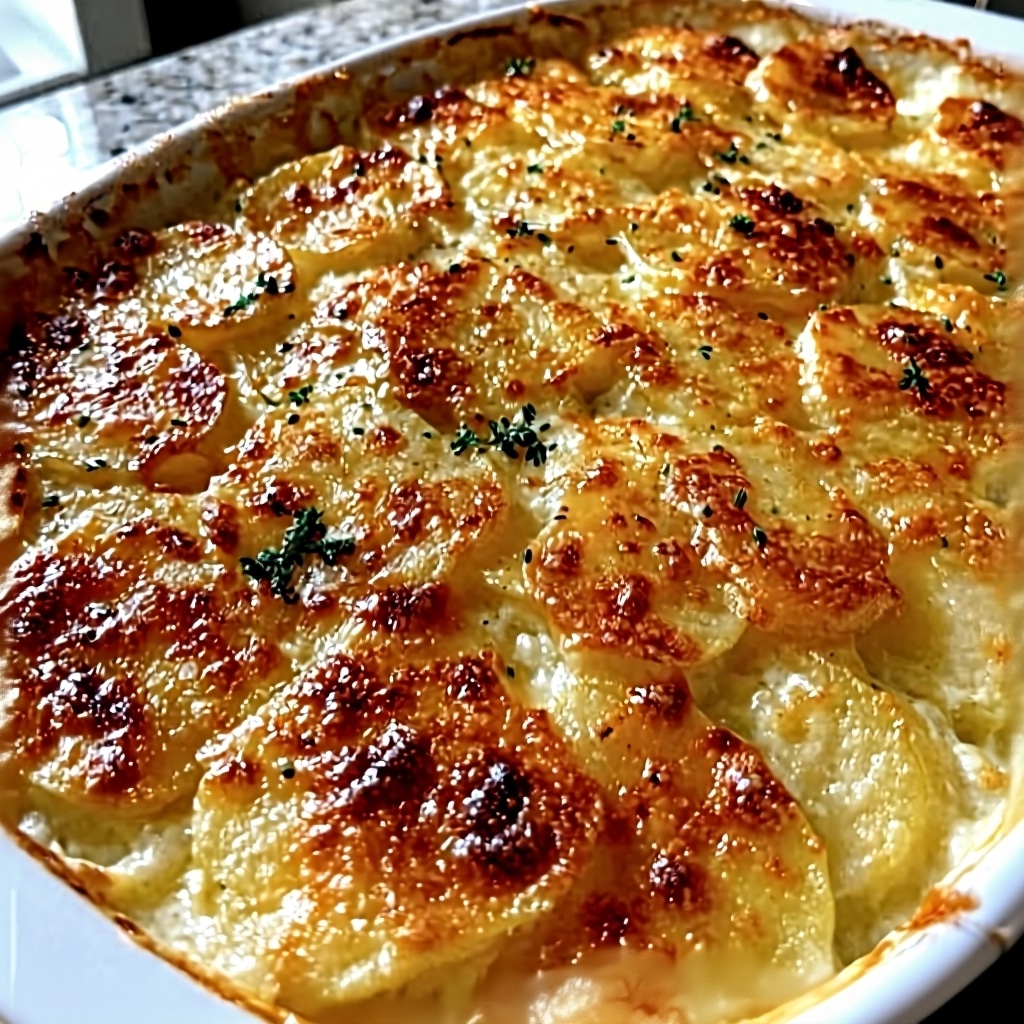
There are some dishes that simply define comfort, wrapping you in a warm, nostalgic embrace with every single bite. And at the top of that list, for many, sits a classic batch of Scalloped Potatoes. This isn’t just a side dish; it’s a culinary hug, a creamy, savory masterpiece that has graced countless family tables and holiday gatherings. While convenience might tempt you with a boxed mix, nothing — and we mean absolutely nothing — compares to the rich, homemade goodness of thinly sliced potatoes swimming in a luxurious, perfectly seasoned white sauce, baked until bubbling and golden.
Forget the bland, the dry, or the overly processed. Today, we’re diving deep into the art of creating the ultimate creamy potato casserole, a dish so divine it will instantly become a cherished family favorite. Get ready to elevate your cooking with a recipe that’s steeped in tradition and bursting with flavor.
Scalloped Potatoes vs. Au Gratin: What’s the Difference?
Before we don our aprons and get to slicing, let’s clear up a common culinary confusion. Many people use “scalloped potatoes” and “potatoes au gratin” interchangeably, but there’s a distinct difference that sets these two beloved comfort food sides apart.
- Scalloped Potatoes: The hallmark of old fashioned scalloped potatoes is their velvety, rich cream sauce. Traditionally, this dish relies solely on a savory white sauce (often a béchamel) to bind the thinly sliced potatoes, creating a deeply comforting and cohesive texture. There’s usually no cheese involved in a true scalloped potato preparation, allowing the pure potato and cream flavors to shine through. The focus is on the tender potatoes and the luscious, unadulterated sauce.
- Potatoes Au Gratin: This variation, on the other hand, proudly features cheese. Potatoes au gratin always includes a generous layer of grated cheese – typically Gruyère, cheddar, or Parmesan – either mixed into the cream sauce, layered between the potatoes, or sprinkled liberally on top to form a beautiful, bubbly crust. While it also uses thinly sliced potato bake, the cheese is the star player, providing a sharp, salty counterpoint to the creamy potatoes and an undeniable textural delight.
Both are undeniably delicious white sauce potato bake options, but if you’re seeking that pure, creamy potato bliss without the distraction of cheese, you’ll want to master the art of Scalloped Potatoes.
Selecting the Best Potatoes
The foundation of any great potato dish starts with the spud itself. For Scalloped Potatoes, the choice of potato is paramount for achieving that perfect, tender, and creamy texture.
- Starchy Potatoes: Varieties like Russet or Idaho potatoes are your best bet. These potatoes are high in starch and low in moisture, which causes them to break down beautifully during cooking, creating a wonderfully tender interior that readily absorbs the creamy sauce. When you see russet potato recipes, they’re often referring to dishes where a soft, fluffy texture is desired.
- Waxy Potatoes: While delicious for salads or roasting, waxy potatoes (such as Red Bliss or New Potatoes) hold their shape too well. They won’t absorb the sauce as effectively, leading to a less cohesive and creamy dish.
- Yukon Gold: A fantastic all-rounder, Yukon Golds offer a slightly waxy but also starchy profile. They hold their shape better than Russets but still become incredibly tender and creamy, with a rich, buttery flavor that complements the sauce beautifully. They are an excellent alternative if you prefer a slightly firmer potato.
Tips for Slicing Thickness (The Mandoline Advantage)
Consistency is key to even cooking. Aim for slices that are about ⅛-inch thick. If they’re too thick, they won’t cook through properly, and if they’re too thin, they’ll turn to mush. A mandoline slicer is a game-changer here, ensuring uniform slices that cook at the same rate. If you don’t have one, a sharp chef’s knife and a steady hand will work, just take your time.
Key Ingredients for the Savory White Sauce
The heart and soul of your creamy potato casserole is the luxurious white sauce, also known as a béchamel. It’s simple yet profound, and mastering it is a skill that will serve you well in many culinary endeavors.
- The Role of the Roux (Butter and Flour): A roux is the thickening agent for our sauce. Equal parts butter and all-purpose flour are cooked together until a paste forms. This paste is then gradually whisked into hot liquid, creating a smooth, lump-free sauce that coats every potato slice.
- Flavor Aromatics: Onion and Garlic: A finely diced yellow onion and minced garlic cloves provide an aromatic backbone to the sauce. Sautéing them gently in the butter before adding the flour mellows their sharpness and infuses the butter with irresistible flavor.
- Liquid Ratio: Milk and Chicken Broth: For the ultimate depth of flavor, we’ll use a combination of whole milk and chicken broth. Whole milk provides the richness and creaminess, while a good quality chicken broth adds a savory dimension that complements the potatoes perfectly. Remember to warm your liquids slightly before adding them to the roux; this helps prevent lumps.
“The secret to truly spectacular Scalloped Potatoes lies in the sauce. Don’t rush your roux, and always add warm liquid gradually for a silky-smooth finish.” – Chef Isabella Rossi
Step-by-Step Instructions
Crafting these Scalloped Potatoes is a rewarding process. Follow these steps for perfect results every time.
Preparing the Produce
- Preheat your oven to 375°F (190°C). Grease a 9×13-inch baking dish.
- Peel about 4-5 pounds of Russet or Yukon Gold potatoes. Using a mandoline or a very sharp knife, slice them uniformly to about ⅛-inch thickness. You can place the sliced potatoes in a bowl of cold water to prevent browning, but drain them very well and pat dry before layering.
- Finely dice 1 small yellow onion and mince 3-4 cloves of garlic.
Making the Béchamel Sauce
- In a large saucepan or Dutch oven, melt 6 tablespoons of unsalted butter over medium heat.
- Add the diced onion and cook until softened and translucent, about 5-7 minutes. Add the minced garlic and cook for another minute until fragrant, being careful not to brown the garlic.
- Whisk in 6 tablespoons of all-purpose flour, stirring constantly for 1-2 minutes to cook out the raw flour taste. This is your roux.
- Gradually whisk in 4 cups of whole milk and 1 cup of chicken broth, a little at a time, ensuring each addition is fully incorporated before adding more. This prevents lumps.
- Bring the sauce to a gentle simmer, whisking constantly, until it thickens to a consistency that coats the back of a spoon. This should take about 5-8 minutes.
- Remove from heat and stir in 1 ½ teaspoons of salt, ½ teaspoon of black pepper, and ¼ teaspoon of nutmeg. Taste and adjust seasoning as needed.
Layering for Even Cooking
- Spread a thin layer of the béchamel sauce on the bottom of your prepared baking dish.
- Arrange one-third of the potato slices in an even layer over the sauce, slightly overlapping.
- Pour another generous layer of sauce over the potatoes, ensuring they are well-coated.
- Repeat the layering process two more times, finishing with a final layer of sauce on top.
Baking to Golden Perfection
- Cover the baking dish tightly with aluminum foil.
- Bake for 60 minutes.
- Remove the foil and continue baking for another 30-45 minutes, or until the potatoes are fork-tender and the top is beautifully golden brown and bubbly.
- If the top is browning too quickly, you can loosely tent it with foil again.
- Remove from the oven and let it rest for 10-15 minutes before serving. This allows the sauce to set and prevents it from being too runny.
Tips for Success
Achieving the perfect Scalloped Potatoes is easy with a few key tricks:
- Preventing Curdled Sauce: The most common culprit for curdled sauce is adding cold liquid to a hot roux too quickly, or overheating the sauce once the milk is added. Always warm your milk and broth slightly, and whisk them in gradually. Also, avoid boiling the sauce vigorously; a gentle simmer is all you need.
- Ensuring Potatoes Cook Through Evenly: Uniform slicing is crucial here. Use a mandoline if possible. Covering the dish with foil for the initial baking period steams the potatoes, ensuring they become tender before the browning phase. If they are still firm, simply bake a bit longer with the foil on.
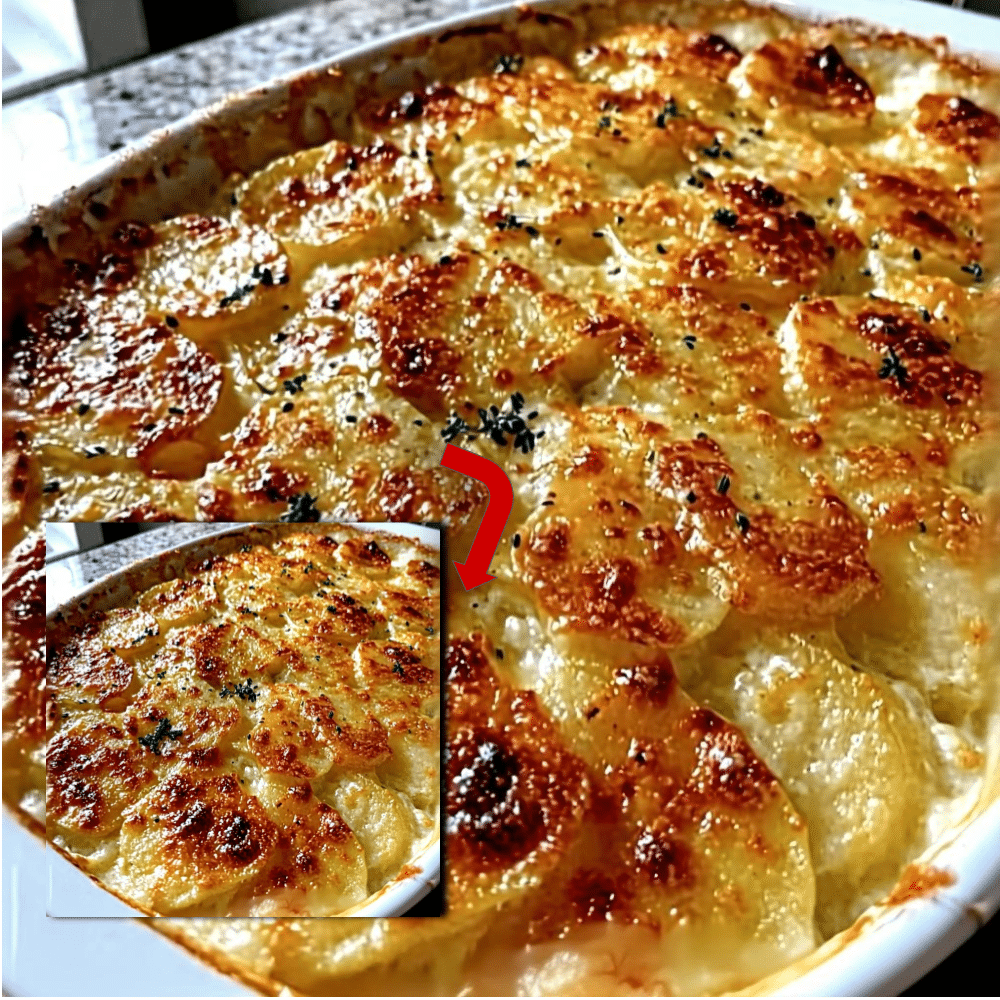
- How to Get That Golden Brown Crust (Without Cheese): The long bake time at the end without foil will naturally brown the top layer of potatoes and sauce. For an even deeper golden hue, you can increase the oven temperature to 400°F (200°C) for the last 10-15 minutes, watching it carefully to prevent burning. The natural sugars in the potatoes and the slight caramelization of the milk solids in the sauce will create a beautiful crust.
Variations and Add-Ins
While the classic recipe is a marvel on its own, don’t hesitate to experiment and make these Scalloped Potatoes your own.
- Adding Herbs: Fresh herbs like thyme, rosemary, or even a hint of sage can elevate the flavor profile. Stir a tablespoon of finely chopped fresh herbs into the béchamel sauce just before layering.
- Making it Gluten-Free: Simply substitute the all-purpose flour in the roux with an equal amount of a gluten-free all-purpose flour blend (ensure it contains xanthan gum for best results). The rest of the recipe is naturally gluten-free.
- A Touch of Spice: For a subtle kick, add a pinch of cayenne pepper or a dash of hot sauce to your béchamel.
Serving Suggestions
These Scalloped Potatoes are more than just a side; they’re a statement. They shine as a comforting accompaniment to a wide array of main courses.
- Pairings with Roast Beef or Chicken: Their rich, creamy nature makes them the perfect counterpoint to savory roasts. Imagine a succulent roast beef, perfectly cooked chicken, or a tender pot roast, all nestled alongside a generous serving of these potatoes. The hearty flavors balance beautifully.
- Holiday Dinner Planning: As one of the most beloved holiday side dishes, Scalloped Potatoes are a must for Thanksgiving, Christmas, or Easter. They can be partially prepared ahead of time, making your holiday meal prep a breeze. (See storage tips below!)
- Everyday Comfort: Don’t reserve them just for special occasions! They pair wonderfully with simpler weeknight meals like baked salmon, meatloaf, or even alongside a fresh green salad for a hearty vegetarian option.
Storage and Reheating
One of the best things about Scalloped Potatoes is how well they store and reheat, making them ideal for meal prep or enjoying leftovers.
- Fridge Shelf Life: Leftover Scalloped Potatoes can be stored in an airtight container in the refrigerator for up to 3-4 days.
-
Reheating in Oven vs. Microwave:
- Oven: For the best texture, reheat in a preheated oven at 300-325°F (150-160°C). Cover the dish with foil to prevent drying out and bake for 20-30 minutes, or until heated through. For a slightly crispier top, remove the foil for the last 5-10 minutes. This method helps maintain the creaminess of the sauce and the integrity of the potatoes.
- Microwave: While convenient, the microwave can sometimes alter the texture of the potatoes and sauce, making them a bit softer. Reheat individual portions on a microwave-safe plate, covered, for 1-2 minutes, stirring halfway through.
Frequently Asked Questions
Here are some common questions about making perfect Scalloped Potatoes:
-
Can I prepare Scalloped Potatoes ahead of time?
Yes, you can! Assemble the dish completely, cover it tightly with plastic wrap or foil, and refrigerate for up to 24 hours before baking. When ready to bake, let it sit at room temperature for about 30 minutes before placing it in the oven, and you might need to add an extra 10-15 minutes to the baking time.
-
Why are my Scalloped Potatoes watery?
This usually happens for a few reasons: the potatoes weren’t drained well enough, the sauce wasn’t thick enough, or the potatoes released too much moisture during baking. Ensure your potatoes are patted dry before layering and that your béchamel sauce has thickened properly before pouring it over the potatoes.
-
What if my sauce is lumpy?
Lumps typically occur when cold liquid is added too quickly to a hot roux, or if the flour isn’t fully incorporated. If your sauce is lumpy, you can push it through a fine-mesh sieve before layering to achieve a smooth consistency.
-
Can I freeze Scalloped Potatoes?
While technically possible, freezing Scalloped Potatoes is generally not recommended as the texture of the potatoes can become mealy and the sauce may separate upon thawing and reheating. It’s best enjoyed fresh or from the fridge within a few days.
Classic Creamy Scalloped Potatoes
Ingredients
- 1/4 cup butter unsalted
- 1 large onion diced
- 2 cloves garlic minced
- 1/4 cup flour all-purpose
- 2 cups milk whole or 2%
- 1 cup chicken broth low sodium
- 1/2 teaspoon salt
- 1/4 teaspoon black pepper ground
- 3 pounds white potatoes peeled and sliced 1/8 inch thick
- Salt and pepper additional to taste
Instructions
- Preheat your oven to 375°F (190°C) and grease a 9x13 inch baking dish.
- In a large saucepan, melt the butter over medium heat. Add the diced onion and minced garlic, sautéing for about 5 minutes until they are softened and fragrant.
- Sprinkle the flour over the onions and garlic, stirring constantly for 1-2 minutes to cook out the raw flour taste and form a roux.
- Gradually whisk in the milk and chicken broth. Continue to cook and stir constantly over medium heat until the sauce thickens, approximately 5-7 minutes.
- Season the thickened sauce with the measured salt and pepper, then remove the pan from the heat.
- Arrange half of the sliced potatoes in an even layer at the bottom of the prepared baking dish.
- Pour half of the cream sauce over the first layer of potatoes, spreading it out to cover them. Season lightly with additional salt and pepper if desired.
- Layer the remaining potatoes on top and cover with the remaining sauce, ensuring the potatoes are evenly coated.
- Cover the baking dish tightly with aluminum foil and bake for 45 minutes.
- Remove the foil and bake for an additional 30 minutes, or until the potatoes are fork-tender and the top is golden brown and bubbly.
- Remove from the oven and let the dish stand for 10 minutes before serving to allow the sauce to set.
For more daily recipes and tips, follow us on Facebook!
Click here to join our community!