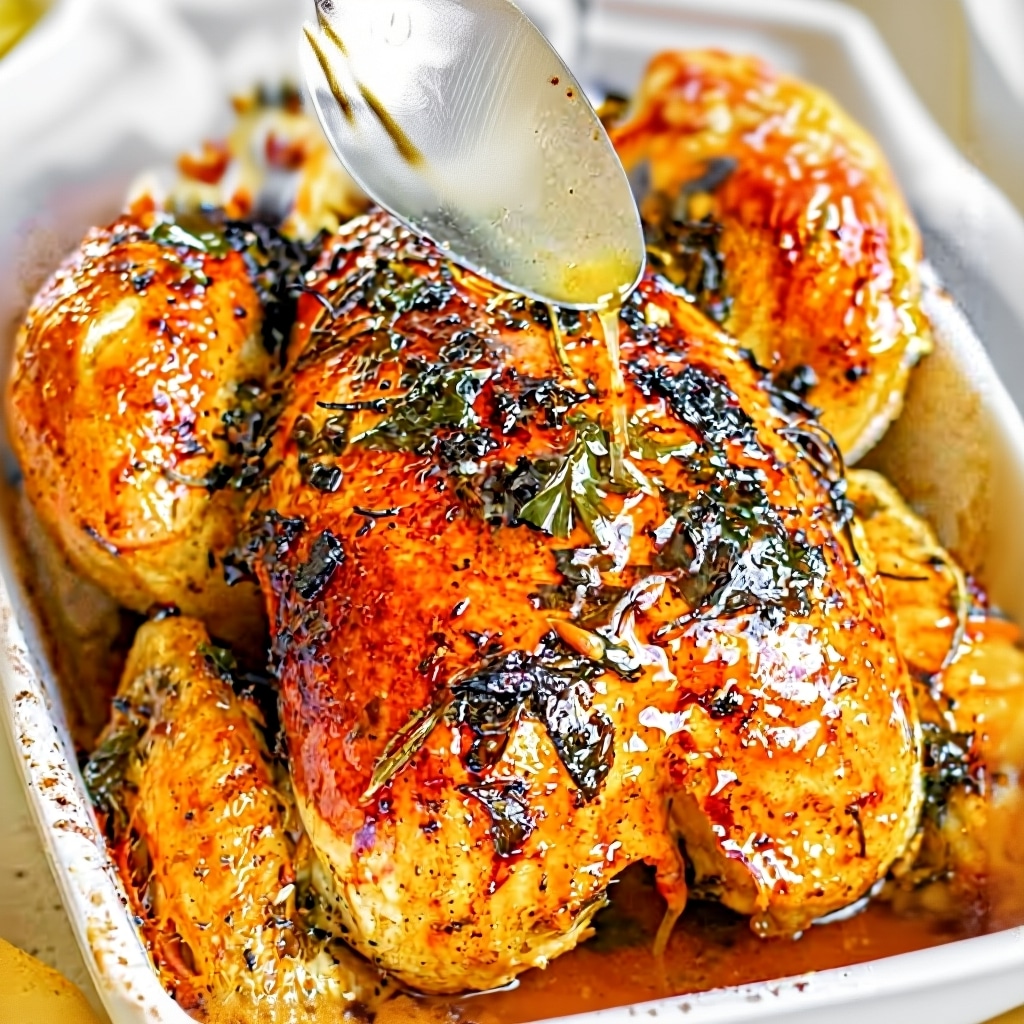
There’s something inherently comforting and deeply satisfying about a perfectly roasted chicken. It’s a culinary masterpiece that evokes memories of family gatherings, lazy Sunday afternoons, and the simple joy of a shared meal. While many variations exist, few can rival the aromatic allure and succulent flavor of a well-prepared Garlic Herb Roast Chicken. This isn’t just a meal; it’s an experience, a golden-skinned masterpiece with incredibly juicy meat, infused with the rich, savory notes of garlic and fresh herbs.
Imagine the crispy, golden-brown skin crackling with every bite, giving way to tender, moist meat bursting with herbaceous flavor. This isn’t just a dinner; it’s the ultimate comfort food, a testament to how simple ingredients, handled with care, can transform into something truly extraordinary. We’re talking buttery, savory, and aromatic perfection that makes this the definitive roasted whole chicken recipe you’ll turn to again and again.
Why This Recipe Works
Achieving that coveted combination of crispy skin and juicy meat isn’t magic; it’s a science, and this Garlic Herb Roast Chicken recipe employs several key techniques to guarantee success every time.
Crispy Skin Technique
The secret to irresistible crispy skin roast chicken lies in two crucial steps: moisture removal and fat application. First, you must ensure your chicken is as dry as possible, both inside and out, before it even touches the oven. This allows the skin to render properly and crisp up beautifully instead of steaming. Second, a generous application of butter, especially just beneath the skin, provides the fat needed for that glorious golden-brown color and shatteringly crisp texture.
Compound Butter
This recipe elevates flavor by utilizing a homemade herb butter chicken. Instead of simply seasoning the exterior, we infuse butter with garlic, fresh herbs, and spices, then gently work it under the chicken’s skin. This ingenious method ensures that the breast meat, often prone to drying out, stays incredibly moist and flavorful as the butter slowly melts and bastes it from the inside during cooking. It’s a game-changer for juicy results.
Aromatics
Don’t underestimate the power of aromatics stuffed into the chicken’s cavity. Whole garlic cloves, lemon halves, and sprigs of fresh rosemary or thyme create an internal steam bath, infusing the meat with delicate flavors from the inside out. This contributes to the overall deliciousness, complementing the external seasonings and adding another layer of complexity to your garlic lemon chicken (even if you only use garlic).
Ingredients & Equipment
Great food starts with great ingredients. Here’s what you’ll need to create your show-stopping Garlic Herb Roast Chicken.
Essential Ingredients
- Whole Chicken: Opt for a high-quality, free-range or organic chicken, ideally between 3-5 pounds. A smaller bird cooks more evenly, and better quality often translates to better flavor and texture.
- Fresh Herbs: This recipe shines with fresh herbs like rosemary, thyme, sage, and parsley. While dried herbs can be used in a pinch, fresh herbs provide a much brighter, more vibrant flavor and aroma that is essential for a truly exceptional herb butter chicken.
- Garlic: Lots of it! Fresh garlic cloves, minced for the compound butter and whole for the cavity, are non-negotiable.
- Fats: Unsalted butter is crucial for flavor and for creating that compound butter that keeps the chicken moist. A little olive oil can also be used for rubbing the exterior, helping with high-heat browning.
- Seasonings: Flaky sea salt and freshly ground black pepper are fundamental. Consider a dash of paprika for color or onion powder for extra savory depth. These form the base of the best roast chicken seasoning.
- Lemon: A fresh lemon, cut in half, is perfect for stuffing in the cavity alongside garlic and herbs, adding a bright, zesty counterpoint.
Kitchen Tools
- Roasting Pan vs. Cast Iron Skillet: A sturdy roasting pan with a rack is ideal as it allows air to circulate around the bird, promoting even cooking and crispier skin. However, a large cast iron skillet can also work beautifully, especially for smaller chickens, providing excellent heat retention and a lovely sear.
- Kitchen Twine: Essential for trussing the chicken. Trussing helps the chicken cook more evenly by keeping the legs and wings tucked in, preventing them from overcooking before the breast is done. Learning how to truss a chicken is a valuable skill, though for a more rustic look, you can sometimes skip it if you monitor cooking closely.
- Meat Thermometer: Absolutely critical for ensuring your chicken is cooked through but not overdone. An instant-read thermometer is your best friend here, guaranteeing food safety and perfect doneness every time.
- Basting Brush (Optional): Useful if you choose to baste, though not strictly necessary.
Preparation: The Key to Juiciness
Proper preparation is where the magic truly begins, transforming a simple bird into a masterpiece of a roasted whole chicken recipe.
Cleaning and Drying: This is a non-negotiable step for achieving that coveted crispy skin roast chicken. Pat the chicken thoroughly dry with paper towels, both inside and out. Moisture is the enemy of crispiness! For best results, you can even refrigerate the chicken uncovered for a few hours (or overnight) to allow the skin to air-dry further.
Making the Herb Butter: In a small bowl, combine softened unsalted butter with finely minced garlic, chopped fresh herbs (rosemary, thyme, parsley are excellent), salt, and pepper. You can also add a pinch of paprika or onion powder here. This flavorful concoction is your secret weapon for the most succulent herb butter chicken.
Seasoning the Bird: Gently use your fingers to loosen the skin over the breast and thigh areas, being careful not to tear it. Take about two-thirds of your herb butter mixture and carefully rub it directly onto the meat, underneath the skin. This direct contact infuses flavor and moisture where it’s needed most. Then, generously rub the remaining herb butter all over the exterior of the chicken, ensuring every crevice is coated. Season the exterior liberally with more salt and pepper.
Stuffing the Cavity: Place whole garlic cloves, halved lemon, and additional sprigs of fresh rosemary or thyme inside the chicken’s cavity. These aromatics will steam from within, adding layers of flavor to your garlic lemon chicken and ensuring a beautiful aroma fills your kitchen.
Trussing the Chicken (Optional but Recommended): If desired, truss the chicken using kitchen twine. This involves tying the legs together and tucking the wing tips underneath the body. Trussing helps the bird cook more evenly and creates a more compact, appealing shape. It’s an easy technique for how to truss a chicken that makes a difference.
How to Roast Garlic Herb Chicken
Now for the main event: roasting your magnificent Garlic Herb Roast Chicken to golden perfection.
Oven Temperature Strategy
A common and effective strategy for oven roasted chicken temp is to start high and finish lower. Preheat your oven to a blazing 425°F (220°C). Roasting at this higher temperature for the initial 15-20 minutes helps the skin crisp up and achieve that beautiful golden-brown color. After the initial high-heat blast, reduce the oven temperature to 375°F (190°C) for the remainder of the cooking time. This ensures the chicken cooks through evenly without drying out.
Basting
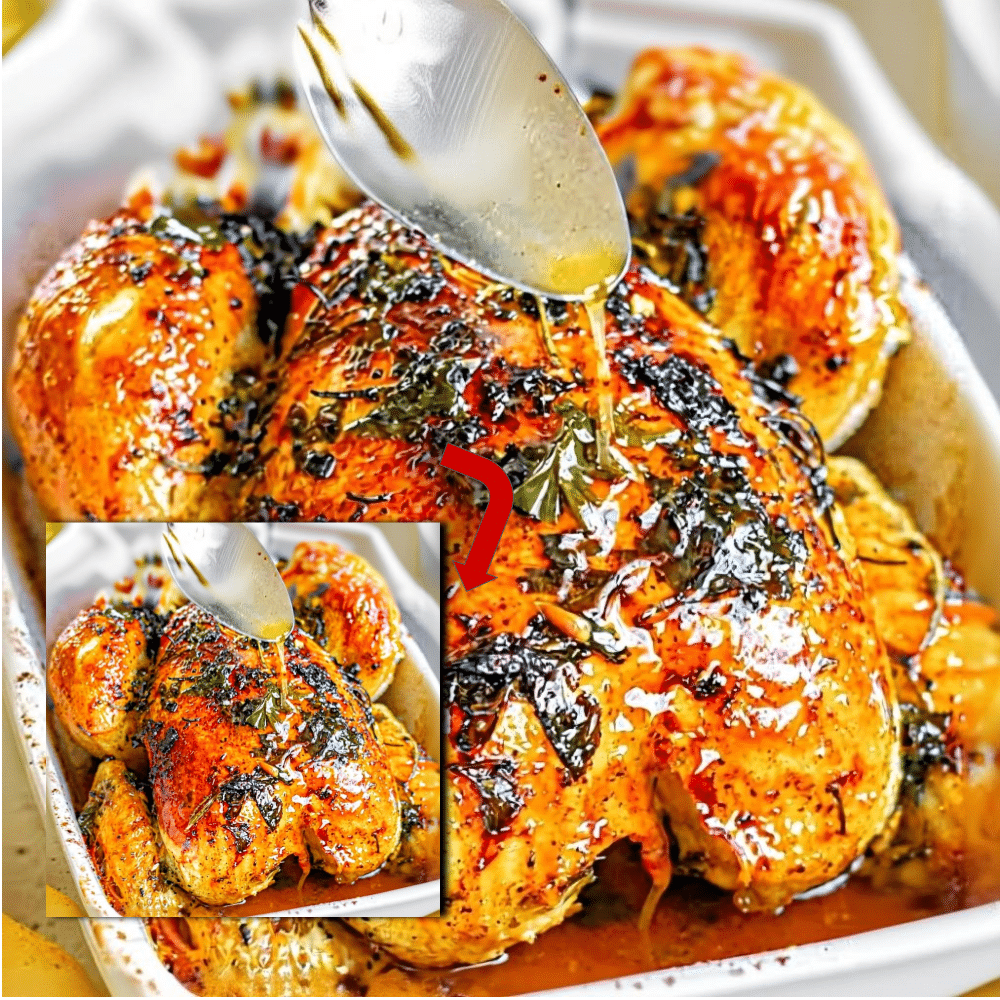
To baste or not to baste? It’s a perennial debate. While some argue that opening the oven door frequently lowers the internal temperature, thus extending cooking time and potentially hindering crispiness, others swear by it for added moisture. For this Garlic Herb Roast Chicken, the herb butter under the skin largely negates the need for constant basting. However, you can baste once or twice during the lower-temperature cooking phase with the pan drippings for extra flavor and shine, especially towards the end.
Timing
A general rule of thumb for roasting a whole chicken is about 20 minutes per pound, plus an additional 15-20 minutes. So, a 4-pound chicken would take approximately 1 hour and 35 minutes to 1 hour and 40 minutes. This is a guideline, and actual cooking time can vary based on your oven, the chicken’s starting temperature, and its shape. Always rely on a meat thermometer for accuracy.
Testing for Doneness
The only sure way to know if your roasted whole chicken recipe is perfectly cooked is by using a meat thermometer. Insert the thermometer into the thickest part of the thigh, avoiding the bone. The internal temperature should register 165°F (74°C). The juices should also run clear when the thigh is pierced with a knife. Once done, remove the chicken from the oven, tent it loosely with foil, and let it rest for at least 10-15 minutes before carving. This resting period allows the juices to redistribute, ensuring incredibly moist meat.
Expert Tip: For the ultimate crispy skin roast chicken, consider roasting on a bed of root vegetables like carrots, onions, and potatoes. Not only do they make a delicious side, but they also elevate the chicken slightly, allowing hot air to circulate more freely underneath.
Serving Suggestions
A beautiful Garlic Herb Roast Chicken deserves equally delightful accompaniments, making it the star of any Sunday roast dinner or an easy family dinner idea.
Classic Sides
- Roasted Potatoes: Tossed with olive oil, rosemary, and garlic, they’re the perfect complement to the chicken.
- Glazed Carrots: Sweet and tender, adding a touch of color and natural sweetness.
- Green Beans: Steamed or sautéed with a little butter and lemon zest for a fresh, vibrant contrast.
- Asparagus: Roasted or blanched, a wonderful spring accompaniment.
- Creamy Mashed Potatoes: A comforting classic that pairs perfectly with pan drippings.
Gravy
Don’t let those flavorful pan drippings go to waste! After removing the chicken and letting it rest, pour the drippings into a saucepan. You can skim off some excess fat if desired. Whisk in a tablespoon or two of flour or cornstarch to create a roux, then gradually whisk in some chicken broth. Simmer until thickened to your desired consistency, seasoning with salt and pepper to taste. This homemade gravy is the crowning glory for your Garlic Herb Roast Chicken.
Wine Pairing
For whites, a crisp Sauvignon Blanc or a lightly oaked Chardonnay beautifully complements the herbaceous and savory notes of the chicken. If you prefer reds, a lighter-bodied Pinot Noir or a Beaujolais offers fruitiness without overpowering the delicate chicken flavor.
Storage and Leftovers
If you’re lucky enough to have leftovers from your Garlic Herb Roast Chicken, they’re just as versatile and delicious as the main meal, providing fantastic easy family dinner ideas for days to come.
Storage: Once cooled, carve the remaining chicken meat off the bone. Store it in an airtight container in the refrigerator for up to 3-4 days. For longer storage, cooked chicken can be frozen for up to 2-3 months. Thaw overnight in the refrigerator before using.
Creative Ideas for Leftover Meat:
- Sandwiches & Wraps: Shredded chicken mixed with a little mayonnaise, celery, and herbs makes a fantastic sandwich filling.
- Salads: Add to a Cobb salad, Caesar salad, or a simple green salad for a protein boost.
- Soups & Stews: Use the leftover meat (and even the carcass for broth!) in a hearty chicken noodle soup or a comforting stew.
- Tacos & Quesadillas: Shredded chicken is excellent in Mexican-inspired dishes.
- Pasta Dishes: Toss with pasta, pesto, and roasted vegetables for a quick meal.
Reheating Tips: To keep the skin as crisp as possible (if reheating pieces with skin), reheat in a preheated oven at 300°F (150°C) until warmed through, or in an air fryer. Avoid the microwave, which can make the skin soggy and the meat rubbery.
Frequently Asked Questions (FAQ)
Should I wash the chicken before cooking?
No, it is generally recommended not to wash chicken before cooking. Washing raw chicken can spread bacteria (like Salmonella) around your kitchen sink and countertops, potentially contaminating other surfaces and foods. The heat of cooking will kill any bacteria present on the chicken.
How do I keep the breast from drying out?
The key to a juicy breast in your Garlic Herb Roast Chicken lies in several techniques:
- Herb Butter Under the Skin: As highlighted in this recipe, placing compound butter directly under the skin ensures the breast meat is basted from within.
- Proper Temperature Control: Don’t overcook! Use a meat thermometer to ensure the breast reaches 165°F (74°C) and no higher.
- Resting Period: Allowing the chicken to rest for 10-15 minutes after roasting is crucial for the juices to redistribute throughout the meat, preventing dryness.
- Trussing: Trussing helps the breast cook more evenly with the thighs and legs.
Can I use dried herbs instead of fresh?
While fresh herbs are highly recommended for their vibrant flavor and aroma in this Garlic Herb Roast Chicken, you can substitute dried herbs if necessary. A good rule of thumb is to use one-third the amount of dried herbs compared to fresh (e.g., if a recipe calls for 1 tablespoon of fresh rosemary, use 1 teaspoon of dried). Be aware that the flavor profile will be less bright and more concentrated.
What if I don’t have a roasting rack?
No roasting rack? No problem! You have a few alternatives:
- Vegetable Bed: Create a natural “rack” by scattering chunky pieces of carrots, celery, and onions on the bottom of your roasting pan. This elevates the chicken, allows air circulation, and the vegetables absorb delicious drippings.
- Aluminum Foil Balls: Crumple several pieces of heavy-duty aluminum foil into golf-ball-sized spheres and place them in the bottom of your roasting pan. Arrange the chicken on top of these.
- Wire Rack from Another Pan: If you have a cooling rack or a rack from a toaster oven that fits into your roasting pan, you can use that.
These methods will help ensure your crispy skin roast chicken browns evenly all around.
Garlic Herb Roast Chicken
Ingredients
- 4-5 lbs-weight estimate or just lbs if exact not known, implied whole unit here so maybe just number. Let's use 1 and note weight in notes or similar. Whole chicken
- 1 bird Whole Chicken approx. 4-5 lbs, giblets removed and patted dry
- 0.5 cup Unsalted Butter softened to room temperature
- 4 cloves Garlic minced
- 2 tbsp Fresh Rosemary finely chopped
- 2 tbsp Fresh Thyme finely chopped
- 1 large Lemon halved
- 2 tbsp Olive Oil for drizzling
- 2 tsp Salt or to taste
- 1 tsp Black Pepper freshly cracked
- 1 whole Garlic Head cut in half horizontally (for stuffing)
Instructions
- Preheat your oven to 425°F (220°C).
- Thoroughly pat the chicken dry with paper towels inside and out. This is crucial for crispy skin.
- In a small bowl, mix the softened butter, minced garlic, chopped rosemary, chopped thyme, 1 teaspoon of salt, and 1/2 teaspoon of black pepper until well combined.
- Gently loosen the skin of the chicken breasts and thighs using your fingers or a spoon. Rub the herb butter mixture underneath the skin and all over the outside of the bird.
- Stuff the chicken cavity with the lemon halves and the halved head of garlic.
- Truss the legs together with kitchen twine if desired, and tuck the wings under the body.
- Place the chicken in a roasting pan or large cast-iron skillet. Drizzle with olive oil and season with the remaining salt and pepper.
- Roast for approximately 1 hour and 15 minutes to 1 hour and 30 minutes, or until the internal temperature reaches 165°F (74°C) in the thickest part of the thigh. Baste the chicken with pan juices halfway through cooking.
- Remove from the oven and let the chicken rest for at least 15 minutes before carving to allow the juices to redistribute.
For more daily recipes and tips, follow us on Facebook!
Click here to join our community!