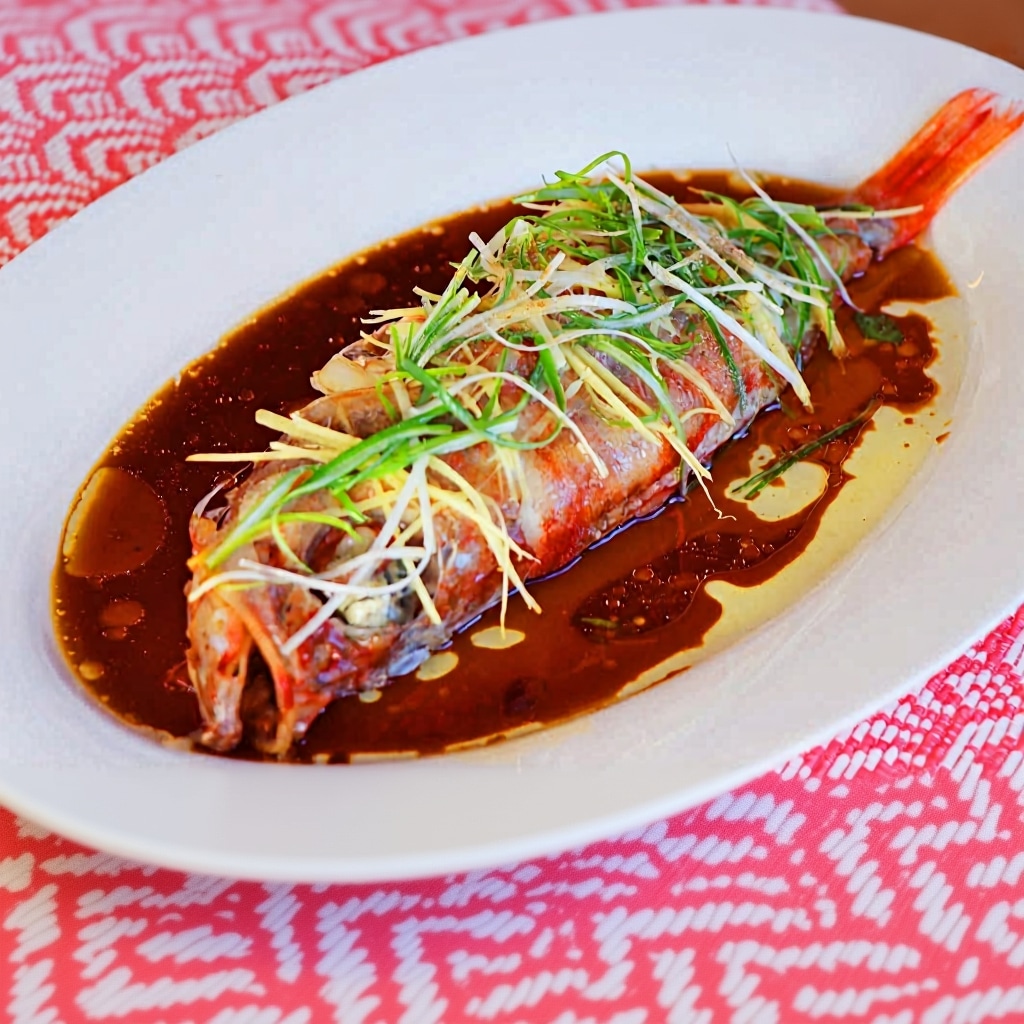
The Ultimate Guide to Perfect Chinese Steamed Fish
The delicate aroma of ginger and scallions, the tender, flaky flesh of perfectly cooked fish, all bathed in a savory soy sauce – this is the magic of Chinese Steamed Fish. A cornerstone of Cantonese cuisine, this dish isn't just a meal; it's a celebration of freshness, simplicity, and purity of flavor, often gracing tables during family gatherings and especially as a traditional Chinese New Year fish recipe. In this comprehensive guide, we'll demystify the art of creating a restaurant-quality steamed fish with ginger and scallions at home, from selecting the best fish for steaming to mastering the crucial hot oil sizzle. Prepare to unlock the secrets to an authentic and utterly delicious Asian steamed fish experience.
Why This is the Only Steamed Fish Recipe You'll Ever Need
This Chinese steamed fish recipe stands out for its undeniable appeal and foolproof method. It's more than just a dish; it's a culinary philosophy that prioritizes flavor, health, and ease, making it a staple you'll return to again and again.
It's Incredibly Healthy & Light
Steaming is one of the healthiest cooking methods, preserving nutrients and natural flavors without heavy oils. This makes it a wonderfully light, high-protein, and low-calorie option, perfect for a healthy fish recipe.
Surprisingly Fast & Easy
Don't let its elegant appearance fool you; this dish comes together in under 30 minutes. It's the ideal quick weeknight dinner that delivers impressive results with minimal effort, truly an easy steamed fish.
Bursting with Authentic Flavor
Using a classic combination of fresh aromatics and a simple steamed fish sauce recipe, this dish achieves a clean, balanced, and deeply satisfying taste that captures the essence of authentic Chinese fish recipe traditions.
A Celebration of Freshness
At its heart, this recipe is about showcasing the natural sweetness and delicate texture of high-quality, fresh fish. Every bite is a testament to fresh, vibrant ingredients.
The Key to Success: Choosing the Best Fish for Steaming
Selecting the right fish is paramount for a truly exceptional Chinese steamed fish. Its freshness and type dictate the final texture and flavor.
Whole Fish vs. Fillets
Traditionally, a whole steamed fish is preferred. The bones and skin contribute to a more flavorful and moist result, and the presentation is magnificent, especially for a Chinese New Year fish recipe. However, a steamed fish fillet offers convenience and faster cooking, making it great for everyday meals.
Top Fish Varieties for Steaming
For steamed fish with ginger and scallions, you want fish with delicate, white, flaky flesh and a mild flavor. Excellent choices include steamed Red Snapper, steamed Sea Bass (like Branzino or Chilean Sea Bass), Grouper, Flounder, Cod, or Tilapia. These varieties absorb the aromatic flavors beautifully without being overly oily or strongly flavored themselves.
How to Check for Freshness
When buying fish, look for clear, bulging eyes, bright red gills (not brown or slimy), firm and elastic flesh that springs back when pressed, and a clean, fresh sea smell—never "fishy."
A Symphony of Aromatics: Understanding the Ingredients
Every ingredient in a classic Cantonese steamed fish plays a vital role in creating its balanced and fragrant profile.
For the Fish & Aromatics
- The Fish: The undisputed star, chosen for its delicate texture and mild taste.
- Ginger & Scallions: These are non-negotiable. They work symbiotically to neutralize any potential 'fishiness' and infuse the fish with a clean, peppery, and fresh aroma. They are used both stuffed within the fish and as a fresh garnish.
- Salt & White Pepper: A light seasoning to enhance the fish's natural flavors, acting as a base layer before the sauce.
For the Signature Sauce & Garnish
- Soy Sauce: The heart of the steamed fish sauce recipe. Use a good quality light (or 'thin') soy sauce for its savory depth.
- Garlic & Cilantro: Finely chopped garlic adds a pungent warmth to the sauce, while fresh cilantro brightens the overall flavor profile as a garnish.
- The Hot Oil Sizzle: This is the secret weapon for restaurant style steamed fish. Sizzling hot vegetable or peanut oil is poured over the fresh ginger and scallions, instantly 'blooming' their aromas and releasing an irresistible fragrance.
- Sesame Oil: A drizzle of toasted sesame oil at the very end provides a rich, nutty finish.
Essential Equipment for Steaming Fish
Having the right tools ensures an even cook and perfect texture for your healthy fish recipe.
The Ideal Steaming Setup
The most common setup involves a large wok with a lid and a metal steaming rack. Alternatively, a multi-level bamboo steamer placed over a pot of boiling water works beautifully. Ensure your chosen setup allows the plate of fish to sit above the water level, allowing steam to circulate freely.
How to Steam Fish Without a Steamer
No dedicated steamer? No problem!
- Stockpot & Foil Balls: Place a heatproof plate with your fish on top of 3-4 crumpled balls of aluminum foil (or an inverted small ceramic bowl) in a large stockpot. Add water up to just below the plate, cover tightly, and steam.
- Large Roasting Pan with Rack: If you have a roasting pan with a rack, it can also work. Add water below the rack, place the fish on a plate on the rack, and cover the entire pan tightly with foil or a lid.
The key is to create a sealed environment where steam can build up around the fish.
How to Make Chinese Steamed Fish: A Step-by-Step Guide
Achieving perfect Chinese Steamed Fish is all about precision and timing. Follow these steps for success.
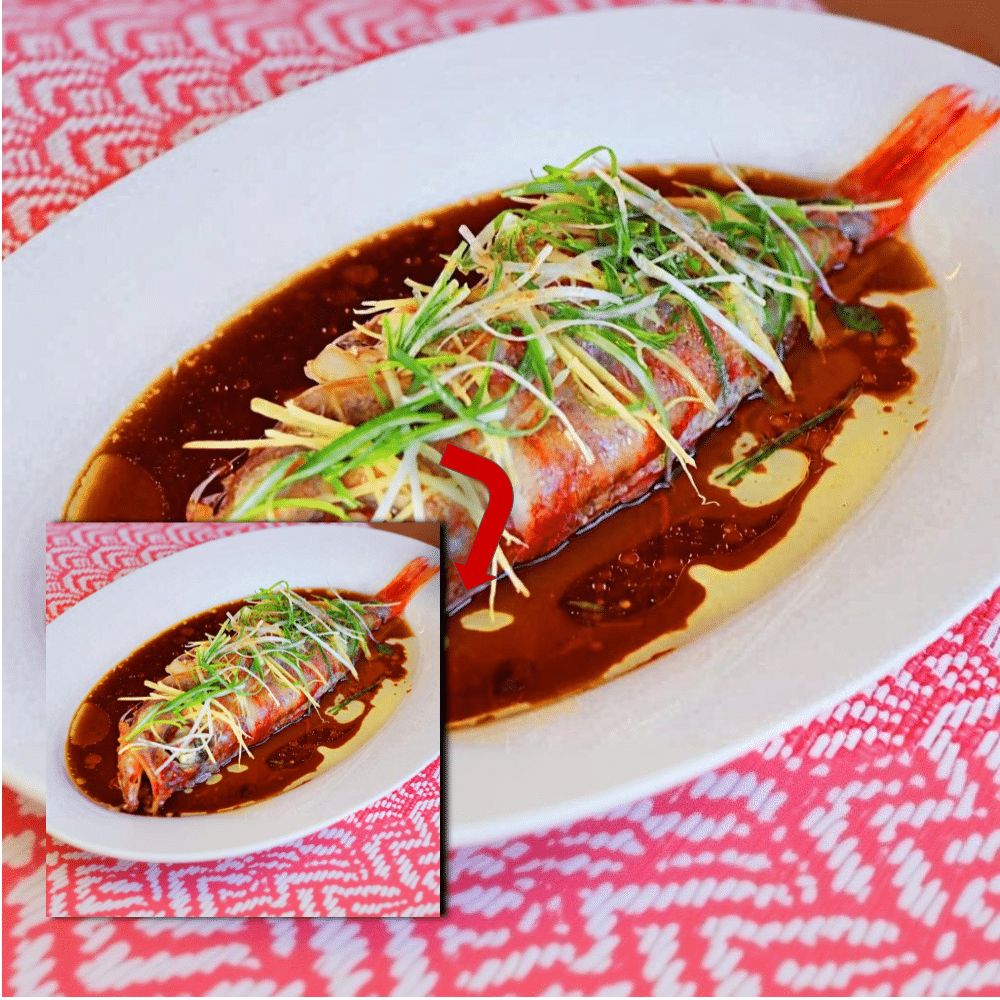
Step 1: Prepare the Fish
Rinse the fish under cold water, gently scale (if necessary), and pat it completely dry. Make two or three shallow diagonal scores on each side of the fish for even cooking and better flavor penetration. Stuff a few ginger slices and scallion greens into the belly cavity and score lines.
Step 2: Prepare the Aromatics and Sauce
Thinly slice fresh ginger and julienne scallions, setting some aside for garnish. For the sauce, whisk together light soy sauce, a touch of sugar (optional), and minced garlic. Prepare cilantro for garnish.
Step 3: Set Up the Steamer and Prepare for Steaming
Place several scallion stalks or chopsticks on a heatproof plate to elevate the fish, allowing steam to circulate. Arrange the prepared fish on top. Ensure your steamer is ready with water boiling rapidly.
Step 4: The Steaming Process
Carefully place the plate with the fish into the preheated steamer. Cover tightly and steam for 6-10 minutes per inch of fish thickness at its thickest point. A 1-1.5 lb whole fish typically takes 8-12 minutes. The fish is done when the flesh is opaque and flakes easily.
Step 5: The Finishing Touches and Hot Oil Sizzle
Carefully remove the fish. Discard the ginger and scallions from the belly and pour off any excess steaming liquid. Top with fresh julienned ginger and scallions. Pour the prepared gingery soy sauce over the fish. Heat 2-3 tablespoons of oil until smoking hot, then immediately pour it over the fresh aromatics. Drizzle with sesame oil and serve.
Pro Tips for Restaurant-Quality Results
Elevate your steamed fish with soy sauce from good to unforgettable with these expert pointers.
- Bring Fish to Room Temperature: Allow your fish to sit out for about 15-20 minutes before steaming for more even cooking.
- Don't Overcook: This is the most common mistake. Fish cooks quickly; err on the side of slightly undercooked.
- Elevate the Fish: Always use a rack or aromatics like scallion stalks under the fish for full steam circulation.
- Discard the Steaming Liquid: Pour off the fishy liquid collected on the plate during steaming before adding the fresh aromatics and sauce.
- Use High-Quality Soy Sauce: The flavor of your steamed fish sauce recipe depends on it. Invest in a good brand of light soy sauce.
- The Oil Must Be Smoking Hot: For that iconic sizzle and aromatic 'bloom,' ensure your oil is shimmering and just starting to smoke.
Variations and Customizations
While the classic Cantonese steamed fish is perfect, feel free to experiment.
- Spicy Steamed Fish: For a kick, add finely chopped fresh red chilies to the final garnish alongside the ginger and scallions.
- Black Bean Sauce: Incorporate 1-2 tablespoons of rinsed and chopped fermented black beans into your sauce for a deeper, more pungent umami flavor.
- Add Tofu or Mushrooms: Arrange silken tofu slices or thin shiitake mushrooms around the fish on the plate before steaming; they will absorb the delicious flavors.
- Using Fish Fillets: If using a steamed fish fillet, reduce steaming time significantly, typically 4-7 minutes depending on thickness.
What to Serve with Chinese Steamed Fish
This elegant dish pairs perfectly with simple accompaniments that allow its delicate flavors to shine. The most essential pairing is fluffy steamed jasmine rice, perfect for soaking up every drop of that exquisite gingery soy sauce. Complement your meal with quick stir-fried greens like garlicky bok choy or blanched Chinese broccoli (Gai Lan) with a drizzle of oyster sauce for a complete and balanced feast.
Frequently Asked Questions (FAQ)
What is the best fish for Chinese steamed fish?
The best fish for steaming typically has delicate, white, flaky flesh and a mild flavor. Top choices include Red Snapper, Sea Bass (like Branzino), Grouper, Flounder, Cod, and Tilapia, as they absorb the aromatic flavors wonderfully.
How do you know when steamed fish is done?
To check for doneness, gently insert a chopstick or fork into the thickest part of the fish. If it goes in easily and the flesh is opaque throughout and flakes readily, it's done. The fish's eyes also turn white and slightly pop out.
Why is my steamed fish tough or rubbery?
Tough or rubbery steamed fish is almost always a sign of overcooking. Fish cooks very quickly with steaming's high heat. Follow timing guidelines closely and remove the fish as soon as it's opaque and flakes.
Do you have to descale the fish before steaming?
Yes, absolutely. Scales are inedible and create an unpleasant texture in the final dish. Most fishmongers will gladly descale and gut the fish for you upon request, saving you time and mess at home.
What is the purpose of pouring hot oil on steamed fish?
Pouring sizzling hot oil over the fresh ginger and scallion garnish is a classic Cantonese technique. It instantly 'blooms' the aromatics, releasing their intense fragrance and creating a beautiful sizzle, infusing the entire dish with irresistible aroma.
Can I make this recipe without a steamer?
Yes, you can! As detailed in the "Essential Equipment" section, you can improvise a steamer using a large stockpot, crumpled aluminum foil balls or an inverted ceramic bowl to elevate your plate of fish above the water level, and a tight-fitting lid.
Conclusion
Mastering Chinese Steamed Fish at home is a rewarding culinary journey. This healthy fish recipe proves that elegance and incredible flavor don't require complexity. With fresh ingredients, a few simple techniques, and this comprehensive guide, you're ready to create a truly authentic and unforgettable dish. We encourage you to try this easy steamed fish recipe tonight and share your experience in the comments below!
For more daily recipes and tips, follow us on Facebook!
Click here to join our community!