“`html
Introduction: More Than Gnomes and Tidy Lawns
Forget the quaint garden gnomes and perfectly manicured lawns you might associate with Germany. While those charming elements certainly exist, they only scratch the surface of a much deeper, richer concept: the German Garden Tradition. This isn’t just about aesthetics; it’s a deeply rooted philosophy of Selbstversorgung (self-sufficiency) and Vorratshaltung (preserving for the future) that has shaped German garden culture for centuries.
At its heart, the German Garden Tradition is a masterclass in resilient, year-round gardening. It’s about coaxing an abundance from the earth, not just for a summer barbecue, but to sustain families through the colder months. This article will take you on a journey through the historical, cultural, and practical aspects of this enduring tradition, providing a roadmap for how German ingenuity enables families to eat from their own land all year round. Discover how historical wisdom, meticulous planning, and practical techniques combine to create a sustainable, vibrant food source.
The Historical Roots of Germany’s Gardening Passion
The German people’s profound connection to the soil isn’t new; it’s a legacy stretching back over a millennium, deeply embedded in the German Garden Tradition.
Medieval Monastery Gardens (Klostergärten)
Systematic cultivation in Germany found its earliest organized expression in the serene confines of medieval monastery gardens, or Klostergärten. Monks were not only spiritual custodians but also vital preservers of horticultural knowledge. They meticulously cultivated medicinal herbs, essential vegetables, and fruit trees, ensuring sustenance and remedies for their communities. These cloistered gardens laid the foundational principles for efficient space utilization and crop management that would echo through future generations of German gardeners.
The Rise of the Schrebergarten (Allotment Garden)
The 19th century saw the birth of a movement that would revolutionize German urban living: the Schrebergarten. Named after Dr. Daniel Gottlob Moritz Schreber, a Leipzig physician advocating for green spaces for children, these initially communal areas soon transformed into private plots. By the turn of the century and especially during periods of hardship like post-WWI and WWII, these German allotment gardens became lifelines for working-class families, allowing them to supplement their diets with home-grown food. Today, the legal framework for these cherished plots is enshrined in the Bundeskleingartengesetz (Federal Allotment Garden Act), safeguarding their purpose and promoting community spirit in the German Garden Tradition.
The Timeless Bauerngarten (Farmer’s Garden)
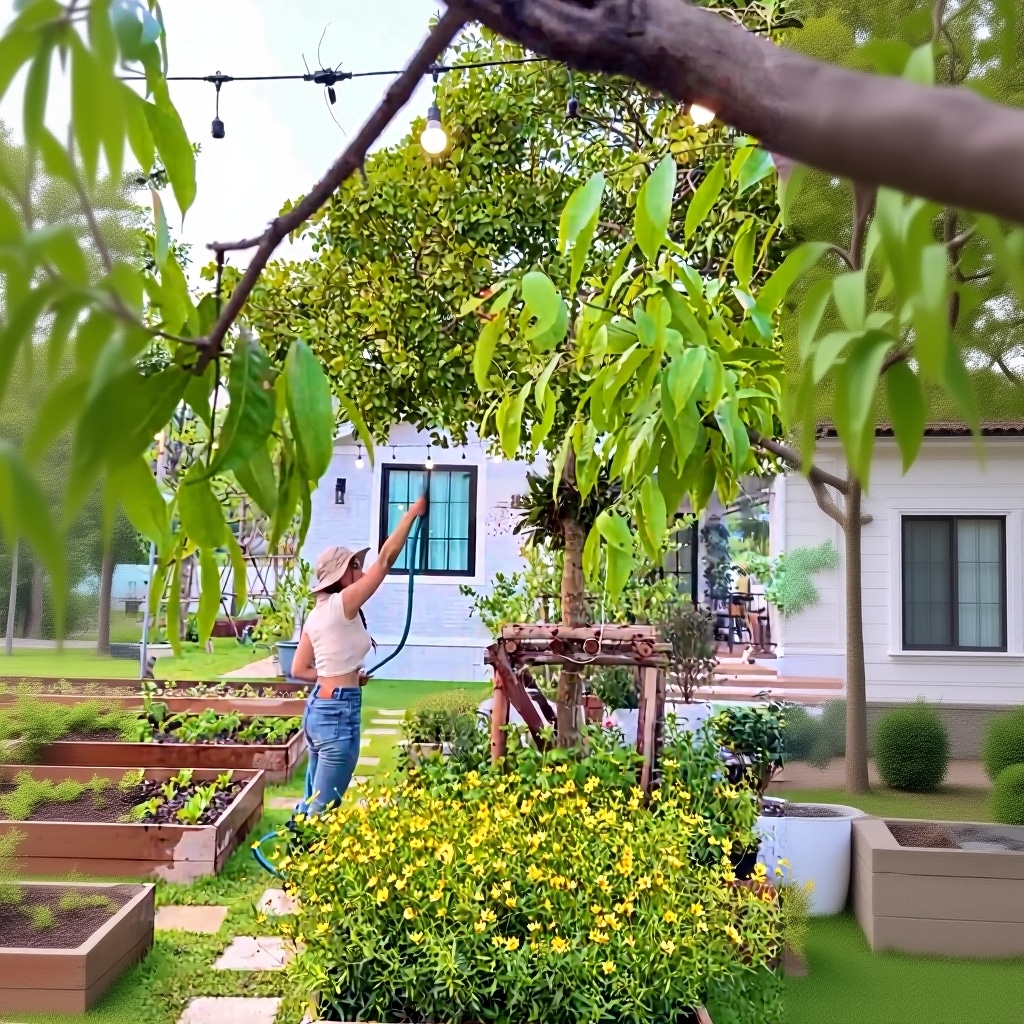
Distinct from the urban allotment, the Bauerngarten, or traditional farmer’s garden, represents a different facet of the German Garden Tradition. Often found adjoining rural homes, this German cottage garden is a testament to functional beauty. It’s a pragmatic and picturesque blend of vegetables, herbs, vibrant flowers, and fruit trees, all working in harmony. Its characteristic design, frequently featuring a central path cross, emphasizes utility and easy access to diverse crops, reflecting centuries of agricultural wisdom.
Pillars of the German Garden: Key Types Explained
Delving deeper into the German Garden Tradition reveals two primary garden types, each embodying unique principles of cultivation and community.
The Kleingarten or Schrebergarten: A Community of Growers
A Kleingarten, often interchangeably called a Schrebergarten, is more than just a plot of land; it’s a cultural institution. These small parcels of leased land are typically part of a larger colony, managed by a Kleingartenverein (allotment garden association). Governed by the Bundeskleingartengesetz, these gardens adhere to specific rules designed to ensure their primary purpose as non-commercial recreational and cultivation spaces. The most famous is the ‘one-third rule’: roughly one-third of the plot must be dedicated to vegetables and fruit cultivation, one-third for lawn and recreation, and one-third for a small garden shed and ornamental flowers.
Beyond the rules, the Kleingarten embodies a profound social aspect. Within the Kleingartenverein, gardeners share knowledge, tools, and harvest surpluses. It’s a place where neighbours gather for coffee, children play, and a strong sense of community thrives. This collective dedication to the German Garden Tradition fosters shared wisdom on German gardening techniques, from seed starting to organic pest control, making each Schrebergarten a vibrant hub of sustainable living Germany.
The Bauerngarten: Functional Beauty at Home
The Bauerngarten, or German cottage garden, stands as a symbol of practical elegance within the German Garden Tradition. Its classic geometric layout often features symmetrical beds delineated by low boxwood hedges or stone paths, creating a neat and inviting structure. What makes the Bauerngarten truly special is its plant philosophy: it’s a masterclass in intermingling edible and ornamental plants. Vibrant flowers like poppies and cornflowers are not merely decorative; they attract essential pollinators for the abundant German vegetable garden, ensuring a bountiful harvest of traditional German crops.
Herbs, strategically placed, serve a dual purpose of culinary delight and natural pest repellent. This thoughtful integration creates a symbiotic ecosystem where every plant serves a function, contributing to both the garden’s beauty and its productivity. The Bauerngarten, therefore, is not just a garden; it’s a living larder and a pollinator haven, a testament to harmonizing nature’s processes with human needs.
The Philosophy of Selbstversorgung: A Year-Round Strategy
At the core of the German Garden Tradition is the philosophy of Selbstversorgung – self-sufficiency. This isn’t just a dream; it’s a meticulously planned, year-round gardening strategy designed to significantly reduce reliance on external food sources.
Planning for the Entire Year
Achieving true Selbstversorgung requires meticulous planning that spans all four seasons. German gardeners are masters of optimizing every inch of their beds. This involves strategic crop rotation to maintain soil health and prevent disease, succession planting (Folgekulturen) to ensure continuous harvests by planting new crops immediately after old ones are removed, and companion planting to naturally deter pests and enhance growth. They map out their garden beds with precision, calculating when and where to plant to maximize yield from the earliest spring greens to the hardiest late-winter vegetables. This foresight is crucial for a consistent food supply, embodying the true spirit of the German Garden Tradition for year-round gardening.
Core Crops for Self-Sufficiency
Certain traditional German crops form the backbone of the self-sufficient German vegetable garden, chosen for their resilience, nutritional value, and excellent storage capabilities. Potatoes (Kartoffeln) are arguably the cornerstone, a staple that can be grown in abundance and stored for months. Various cabbages (Kohl) are indispensable, from early summer varieties for fresh eating to sturdy autumn types perfect for winter storage and transforming into Sauerkraut via fermentation. Root vegetables like carrots, beets, parsnips, and celery root are highly valued for their ability to thrive in German soil and their long shelf life in cool cellars. Finally, beans and peas (Bohnen und Erbsen) provide fresh protein in summer and can be dried for winter consumption, further cementing the ethos of the German Garden Tradition.
Techniques for a Non-Stop Harvest
The ambition of year-round gardening demands ingenious German gardening techniques, allowing gardeners to defy seasonal limitations.
Extending the Seasons
German gardeners skillfully extend their growing seasons using traditional and modern tools. The Frühbeet, or cold frame, is a classic example: a low, transparent cover that acts as a mini-greenhouse, enabling gardeners to start seeds several weeks earlier in spring and protect hardy greens well into the autumn. For heat-loving crops like tomatoes, peppers, and cucumbers, a Gewächshaus, or greenhouse, is invaluable, significantly extending their productive life far beyond the natural frost dates. Beyond these structures, simple techniques like using fleece covers and cloches offer vital protection against unexpected frosts, ensuring that the German Garden Tradition continues to yield a harvest even in challenging conditions.
Winter Gardening (Wintergärtnern)
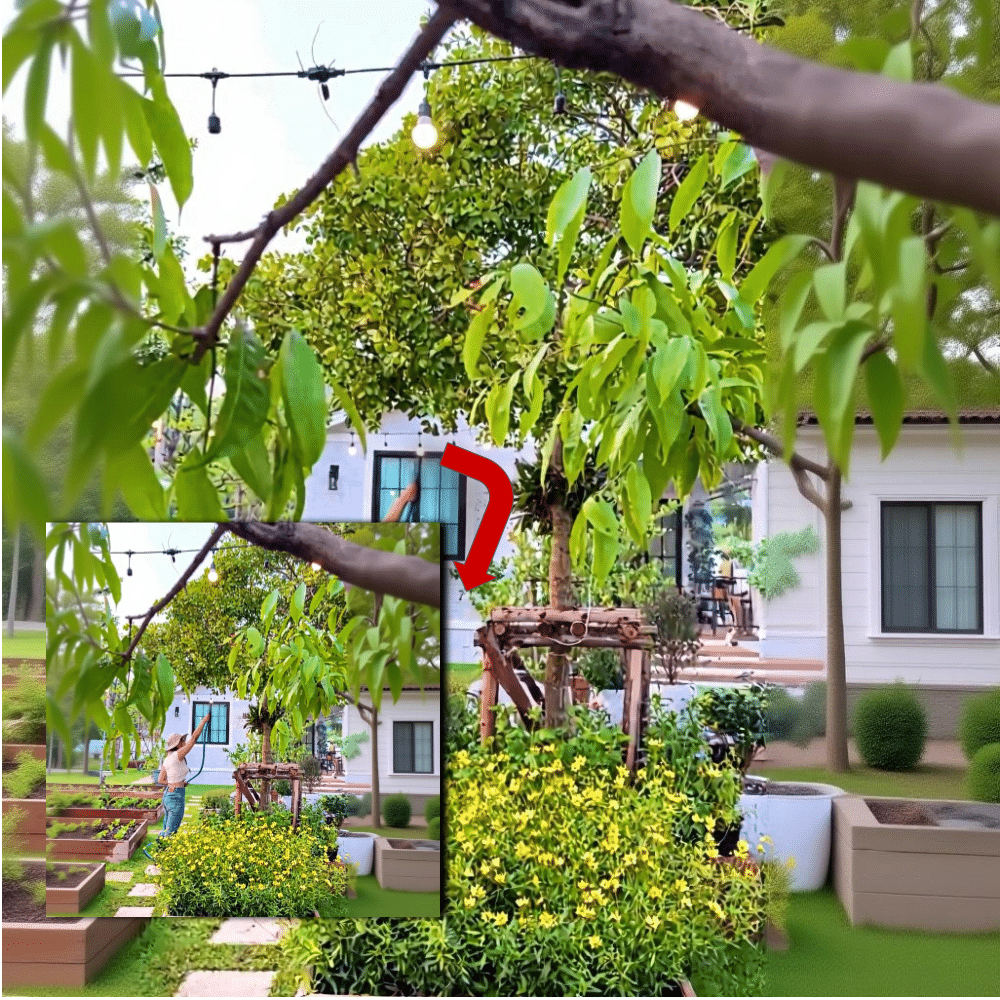
When the cold sets in, the garden doesn’t necessarily go dormant. Wintergärtnern, or winter gardening Germany, is a cherished part of the German Garden Tradition. This involves cultivating specially selected hardy champions that can withstand freezing temperatures and even thrive under a blanket of snow. Crops like nutrient-rich Grünkohl (kale), delicate lamb’s lettuce (Feldsalat), and robust leeks (Porree) are staples of the winter harvest. Gardeners employ specific harvesting techniques, often picking leaves as needed, protecting the main plant, and sometimes using straw or fleece to insulate plants, allowing for a fresh supply of vegetables even when the ground is frozen solid.
From Garden to Pantry: The Art of Vorratshaltung
Harvesting an abundance is only half the battle; the true mastery of the German Garden Tradition lies in Vorratshaltung – the art of preserving the harvest for future consumption.
Einmachen: Canning, Jamming, and Pickling
Einmachen is a time-honored tradition in every German household, a testament to making the summer’s bounty last. This encompasses a range of techniques, from sterilizing jars and hot-water bathing fruits for sweet jams and jellies, to pickling crunchy gherkins or various vegetables in vinegar solutions. Homemade fruit preserves like strawberry jam or plum compote are staple breakfast items, while pickled beans or beetroots ensure a taste of summer long after the season ends. This meticulous practice of preserving the harvest is a cornerstone of the German Garden Tradition.
Fermentieren: The Magic of Sauerkraut and Pickles
Fermentation is an ancient and revered method, particularly for cabbages and cucumbers. The transformation of humble cabbage into tangy Sauerkraut is a cornerstone of German cuisine and a powerful way to preserve nutrients. Similarly, cucumbers become crisp, flavorful Saure Gurken (sour pickles). These fermented foods are not only delicious but also packed with probiotics, contributing significantly to gut health. The process is simple yet effective, using salt to draw out moisture and allow beneficial bacteria to thrive, showcasing the deep practical knowledge within the German Garden Tradition.
Lagern: The Wisdom of the Root Cellar
Before refrigeration, storing vegetables in a cool, dark, and slightly humid environment was essential. The traditional root cellar, or Erdkeller, was a marvel of passive storage, perfect for keeping potatoes, apples, and hardy root vegetables fresh for months. These natural cold storage units slow down decomposition, preserving taste and nutrients. For those without a dedicated cellar, modern German gardeners adapt, utilizing cool garages or sheds. Storing root vegetables in layers of damp sand, for instance, mimics the cellar’s conditions, preventing dehydration and spoilage. This enduring wisdom of Lagern ensures a steady supply of fresh produce throughout the lean winter months, embodying the practical spirit of the German Garden Tradition and sustainable living Germany.
The German garden is not just a place of beauty; it is a meticulously planned larder, ensuring food security for the family, rain or shine, summer or winter.
The Modern German Garden: Tradition Meets Innovation
While steeped in history, the German Garden Tradition is far from static. Today, it embraces innovation, adapting timeless principles to contemporary challenges and a growing awareness of environmental impact.
A significant shift is towards sustainability and organic (Bio) gardening practices. German gardeners are increasingly avoiding chemical pesticides and fertilizers, focusing instead on robust composting, natural pest control, and fostering biodiversity. This commitment to organic gardening Germany ensures healthier soils and produce. Furthermore, permaculture principles, emphasizing perennial systems and working with nature, are gaining traction, creating more self-sustaining ecosystems. In urban centres, the spirit of the German garden tradition thrives in urban gardening initiatives and balcony gardens, where even small spaces are transformed into productive oases, proving that Selbstversorgung is accessible to everyone.
Conclusion: A Living Tradition for a Resilient Future
The German Garden Tradition is far more than an antiquated hobby; it’s a holistic system combining centuries of history, a strong sense of community, meticulous year-round planning, and intelligent preservation techniques. It serves as a powerful model for sustainable living, offering profound lessons in food security, resilience, and a deep connection to nature.
In an increasingly disconnected world, this tradition provides a tangible link to our food sources and a joyful way to engage with the natural rhythms of the seasons. We encourage you to incorporate a few of these German principles into your own garden, no matter its size. Embrace the spirit of Selbstversorgung, plan for your future harvest, and discover the deep satisfaction of eating from your own land. Let the enduring spirit of the German Garden Tradition inspire your own resilient garden journey.
Frequently Asked Questions (FAQ)
What is a traditional German garden called?
Traditional German gardens are primarily known by two names: a Schrebergarten or Kleingarten refers to an allotment garden, typically found in urban or suburban areas as part of a community. A Bauerngarten describes a traditional farmer’s or cottage garden, often adjacent to a home, characterized by its mixed planting of edibles and ornamentals.
What are the rules of a German allotment garden?
German allotment gardens, or Kleingärten, are governed by the Bundeskleingartengesetz. Key rules include the ‘one-third rule,’ stipulating that roughly one-third of the plot must be for vegetable/fruit cultivation, one-third for lawn/recreation, and one-third for a small garden shed/flowers. They are strictly for non-commercial use, emphasizing personal recreation and supplementary food production for the gardener’s household.
What vegetables do Germans commonly grow?
Germans commonly grow staple vegetables that are robust and store well, essential for Selbstversorgung. Top choices include potatoes (Kartoffeln), various cabbages (Kohl), carrots (Karotten), onions (Zwiebeln), beans (Bohnen), lettuce (Salat), and tomatoes (often in a greenhouse for better yields).
What is the German concept of self-sufficiency in gardening?
The German concept of self-sufficiency in gardening is called Selbstversorgung. It’s about strategically growing enough produce to significantly supplement a family’s food needs throughout the entire year. This includes careful planning for crop rotation, succession planting, and extensive preservation techniques (Vorratshaltung) to ensure food availability, especially through the winter months.
How do Germans garden in the winter?
Germans practice winter gardening Germany by focusing on cold-hardy crops and using season extenders. They plant vegetables like kale (Grünkohl), lamb’s lettuce (Feldsalat), and leeks (Porree) that can withstand frost. Techniques include using Frühbeet (cold frames) and Gewächshaus (greenhouses) to protect plants, along with fleece covers, allowing for harvests even under snow.
“`
For more daily recipes and tips, follow us on Facebook!
Click here to join our community!