“`html
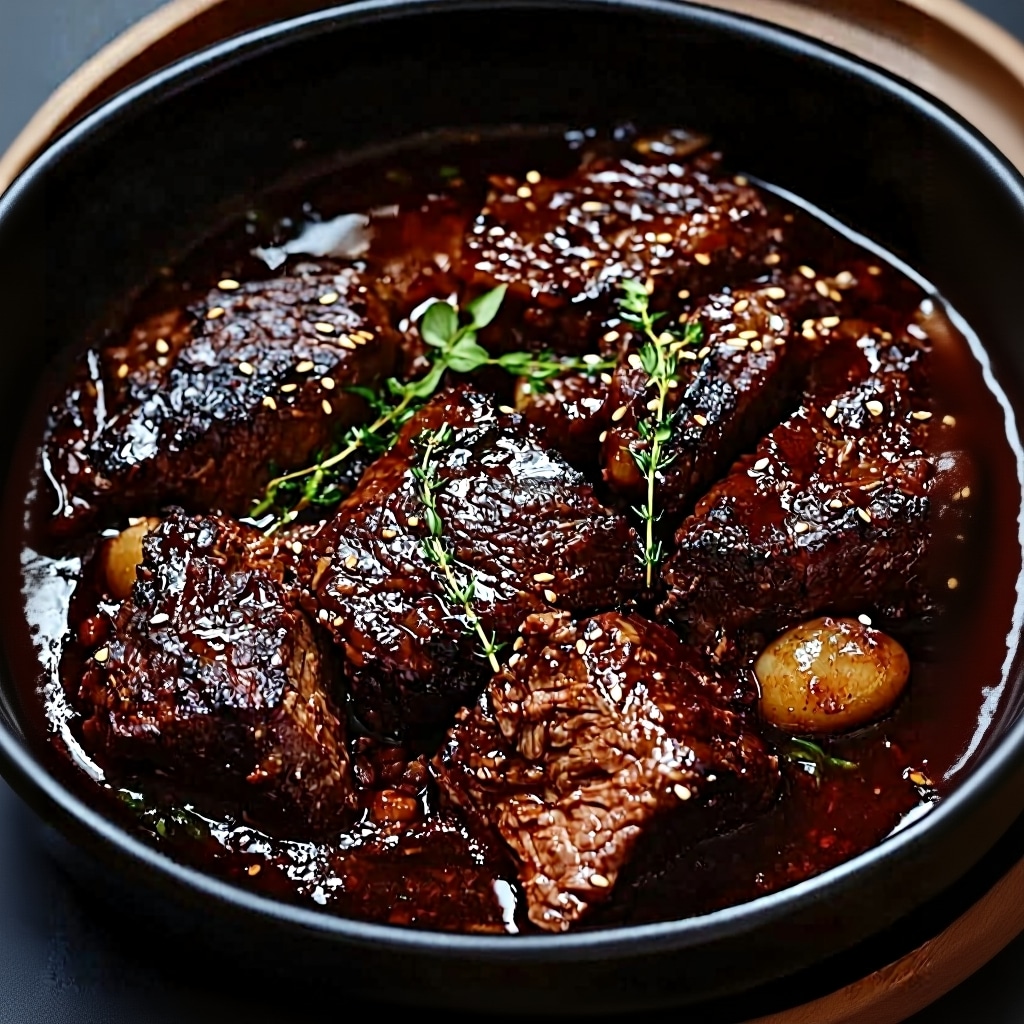
Your New Favorite Comfort Food: The Ultimate Korean Gochujang Pot Roast
Imagine a chilly evening, a cozy blanket, and the most incredibly tender, fall-apart beef you’ve ever tasted, swimming in a rich, spicy, and profoundly savory sauce. This isn’t just any pot roast; this is the ultimate Korean Gochujang Pot Roast – a spectacular Korean fusion recipe marrying classic American comfort food with bold Korean flavors. Easy to make yet unbelievably flavorful, it’s perfect for a cozy night in. This guide covers ingredients, step-by-step instructions for multiple cooking methods, and tips for perfection.
What Exactly is a Korean Gochujang Pot Roast?
A Korean Gochujang Pot Roast is a culinary bridge, skillfully blending the familiar technique of braising a large cut of beef, characteristic of a traditional American pot roast, with the vibrant palate of Korea. Unlike its Western counterpart, often infused with herbs, this dish draws inspiration from iconic Galbi Jjim style pot roast (braised short ribs). The shared technique involves slow-braising beef until it achieves unparalleled tenderness. The flavor profile is distinctly Asian: a harmonious balance of spicy from gochujang, deep savory notes from soy sauce, subtle sweetness from mirin, and an irresistible umami depth that truly sets this dish apart, creating a unique Korean beef stew experience.
Why This Recipe Works (And Why You’ll Love It!)
- Incredible Depth of Flavor: Slow cooking allows the rich gochujang sauce for beef to deeply permeate the meat, creating layers of flavor in your Korean Gochujang Pot Roast.
- Amazingly Tender Beef: The low-and-slow braising method guarantees a truly fall-off-the-fork, fall-apart beef roast every time.
- Versatile Cooking Methods: Choose between a classic Dutch oven pot roast, convenient slow cooker Korean beef, or quick Instant Pot gochujang beef.
- A Complete One-Pot Meal: Protein and hearty vegetables cook together for a satisfying dish.
- Perfect for Meal Prep: Like many braised dishes, the flavors of this spicy pot roast recipe develop even further overnight, tasting better the next day!
Deep Dive: The Key Ingredients
The Star: Choosing the Best Cut of Beef
For an exceptional Korean Gochujang Pot Roast, Chuck Roast is paramount. Its generous marbling and connective tissues break down into luscious gelatin, making the beef incredibly moist and tender during long, slow cooking. For a truly tender chuck roast recipe, look for good marbling. Alternatives like brisket or bottom round also work, but may require slight time adjustments for that fall-apart texture.
The Heart of the Dish: All About Gochujang
The secret to the distinctive flavor of this Korean Gochujang Pot Roast lies in Gochujang. What is gochujang? It’s a vibrant, savory, and spicy fermented Korean chili paste. Made from chili powder, glutinous rice, fermented soybeans, and salt, it offers complex, nuanced heat. Spice levels vary (mild to hot), so choose your preference. You’ll find it in the international aisle or Asian grocery stores, essential for the sauce of this Korean Gochujang Pot Roast.
The Supporting Cast: Aromatics, Vegetables, and Sauce
For a truly harmonious Korean Gochujang Pot Roast, a symphony of other ingredients elevates this Asian pot roast. Aromatics like minced ginger, garlic, and sliced onion form the flavor foundation. The braising liquid combines savory soy sauce, mirin for sweetness/acidity, nutty sesame oil, and robust beef broth. Hearty vegetables include potatoes (Yukon Golds are best), carrots, and more onions. For an authentic touch reminiscent of a beef and potato stew Korean style, add daikon radish.
Step-by-Step Guide: How to Make Korean Gochujang Pot Roast
Crafting the perfect Korean Gochujang Pot Roast is straightforward. Follow these steps:
Step 1: Prepare and Sear the Beef
Pat chuck roast dry; season with salt and pepper. Heat oil in a Dutch oven over medium-high. Sear beef on all sides until a deep brown crust forms. Remove beef and set aside.
Step 2: Sauté Aromatics and Build the Sauce
Reduce heat to medium. Add onions; cook until softened, scraping up browned bits. Stir in garlic and ginger, cook 1 minute. Whisk in gochujang, soy sauce, mirin, sesame oil, and beef broth. Ensure all bits are released.
Step 3: The Low and Slow Braise (Covering All Methods)
- Dutch Oven / Oven Method: Return beef to pot. Bring to a simmer, cover, and transfer to a 300°F (150°C) oven. Braise 3-4 hours until fork-tender.
- Slow Cooker / Crock-Pot Method: Transfer seared beef and sauce to slow cooker. Cook on low for 6-8 hours or high for 3-4 hours until tender.
- Instant Pot / Pressure Cooker Method: After searing/sauce (using Sauté), return beef. Secure lid, set to high pressure for 60-70 minutes. Allow natural release for 15+ minutes.
Step 4: Add the Vegetables
For oven/slow cooker, add chopped potatoes, carrots, etc., during the final hour. For Instant Pot, add after beef cooks, then pressure cook 5-7 minutes high pressure (quick release), or simmer until tender.
Step 5: Finish and Serve
Beef should shred easily. If sauce is too thin, remove beef/veg, whisk a cornstarch slurry (1 tbsp cornstarch + 2 tbsp cold water) into simmering liquid until thickened. Serve generous portions of the Korean Gochujang Pot Roast over steamed rice, garnished with scallions and sesame seeds.
Pro Tips for the Absolute Best Pot Roast
- Don’t Skip the Sear: This is the #1 tip for a truly flavorful Korean Gochujang Pot Roast. Searing creates a deep, rich crust and incredible depth of flavor.
- Taste and Adjust: Before the long braise, taste your liquid. Adjust for salt, sweetness (mirin), or spice (gochujang) to your palate.
- Low and Slow is Key: Patience ensures tender beef. Rushing results in tough meat.
- Let it Rest: Allow the roast to rest 10-15 minutes before shredding to retain juices for a moister, more flavorful product.
What to Serve with Gochujang Pot Roast
This hearty Korean Gochujang Pot Roast, a true Korean comfort food, is excellent on its own. Classically, serve over fluffy, short-grain steamed rice with a side of crisp, tangy kimchi to cut through the richness. For creative ideas, shred the beef for fusion tacos, sliders, or serve over mashed potatoes or noodles. Lighten the meal with a refreshing cucumber salad or steamed bok choy. Thinking about what to serve with Korean beef has never been more exciting!
Storage, Freezing, and Reheating Instructions
This Korean Gochujang Pot Roast keeps wonderfully; flavors often deepen overnight. Store leftovers in an airtight container in the refrigerator for up to 4 days. It freezes beautifully for up to 3 months in freezer-safe containers. Thaw in the refrigerator, then reheat gently on the stovetop over low heat or in the microwave, stirring occasionally. A splash of beef broth can help loosen the sauce.
Frequently Asked Questions (FAQ)
Can I make this Korean Gochujang Pot Roast less spicy?
Yes! Use a milder gochujang and start with half the recommended amount. Add more to taste. A tablespoon of tomato paste or miso can maintain color and umami if reducing gochujang significantly.
What’s the best substitute for chuck roast?
Brisket or bottom round are excellent alternatives, benefiting similarly from long, slow braising to yield tender results.
Can I add other vegetables?
Absolutely! Sweet potatoes, mushrooms, bell peppers, or even leafy greens work well. Add softer vegetables towards the end of cooking to prevent mushiness.
What is the difference between gochujang and gochugaru?
What is gochujang? It’s a fermented chili paste. Gochugaru is Korean chili powder. Both provide heat, but their form, flavor, and usage are distinct. They are not interchangeable in this Korean Gochujang Pot Roast recipe.
My sauce is too thin. How can I thicken it?
Remove beef/veg, simmer sauce. Whisk 1 tbsp cornstarch with 2 tbsp cold water for a slurry. Gradually whisk into simmering sauce until desired thickness. Simmer 1-2 minutes to cook out starch flavor.
Conclusion
This Korean Gochujang Pot Roast is a culinary masterpiece, blending comforting familiarity with exhilarating Korean flavors. It’s a testament to how simple ingredients, given time, create something extraordinary. Packed with flavor, fall-apart tender beef, and adaptable to various cooking methods, it’s destined to become a staple. We can’t wait for you to try it! Please leave a comment and a rating below to let us know how it turned out!
[Recipe Card Placeholder]
(Writer’s Note: A concise, printable recipe card with ingredients, step-by-step instructions, and nutritional information will be inserted here.)
“`
For more daily recipes and tips, follow us on Facebook!
Click here to join our community!