“`html
The Only Soft Milk Bread Recipe You’ll Ever Need
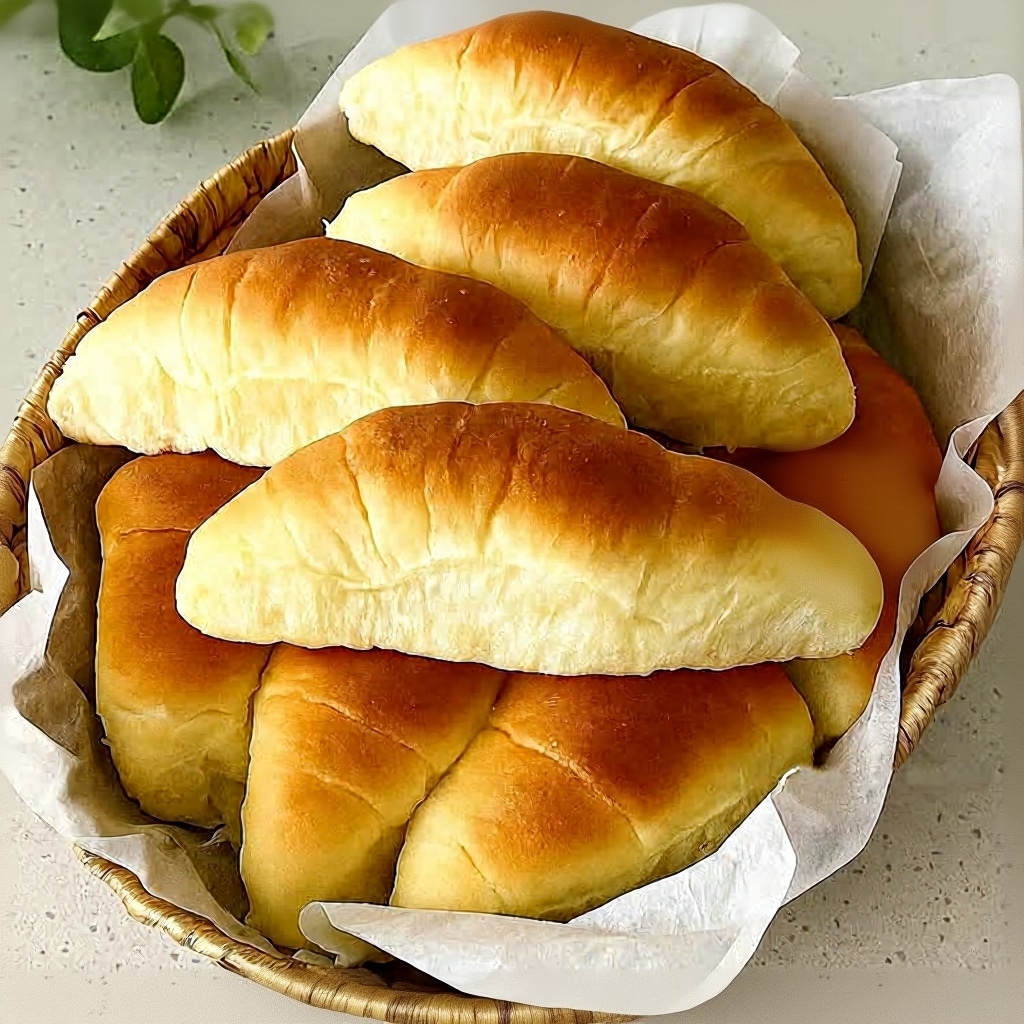
Imagine biting into a cloud. That’s the closest description for perfectly made milk bread. It’s unbelievably soft, pillowy, and has a delicate sweetness that melts in your mouth. If you’ve ever dreamed of recreating that ethereal texture from your favorite Asian bakery right in your own kitchen, then this is the soft milk bread recipe you’ve been searching for.
What’s the secret behind this magic? It’s a special technique involving a pre-ferment called a poolish starter. This method develops incredible flavor and contributes to an unparalleled, tender crumb that stays fresh for days. Forget complicated recipes; this detailed, step-by-step guide is designed to be foolproof for bakers of all levels, ensuring you achieve homemade milk bread perfection every single time. Get ready to bake the best milk bread recipe!
What Exactly is Milk Bread (Shokupan)?
Milk bread, often referred to as Shokupan in Japan, is a beloved staple throughout Asia, renowned for its distinct characteristics. Unlike standard Western-style white bread, this isn’t just a simple loaf. It’s an enriched dough recipe, meaning it incorporates milk, butter, sugar, and often eggs, resulting in a bread that is subtly sweet, rich in flavor, and carries a wonderfully milky aroma.
Its signature qualities include an incredibly soft, almost imperceptible crust, and a feathery, shreddable interior that truly lives up to the description of “fluffy milk bread.” The secret to achieving this extraordinary texture often lies in hydration methods. While many rely on the Tangzhong milk bread method (a cooked flour paste), our soft milk bread recipe leverages a poolish starter, which yields a similar incredible softness with an added depth of flavor, making it a truly exceptional Japanese milk bread recipe.
Why This Recipe Works: The Poolish Advantage
Our unique soft milk bread recipe stands out thanks to the incorporation of a poolish starter recipe. A poolish is a wet pre-ferment made from equal parts flour and water, along with a tiny amount of yeast, allowed to ferment over several hours or overnight. This simple step unlocks a world of benefits:
- Enhanced Flavor: The long, slow fermentation of the poolish develops a more complex, nuanced flavor profile. You’ll taste subtle, slightly nutty notes that complement the inherent sweetness of the bread, making it far superior to a one-dimensionally sweet loaf.
- Improved Texture: The poolish contributes significantly to a moister, softer crumb that also has superior keeping qualities, meaning your homemade milk bread stays fresh and pillowy soft longer.
- Better Dough Handling: Pre-ferments like the poolish help strengthen the gluten network before you even begin kneading the main dough. This results in a more extensible and easier-to-work-with dough that can stretch beautifully for the windowpane test bread.
While the Tangzhong method also creates wonderfully soft bread by gelatinizing starches, the poolish offers a superior depth of flavor that we believe elevates this to the best milk bread recipe.
A Deep Dive into Your Ingredients
Every ingredient in this soft milk bread recipe plays a crucial role in achieving that coveted texture and flavor.
The Flour Foundation
- Bread Flour: This is non-negotiable for our soft milk bread recipe. Its higher protein content (typically 12-14%) is essential for developing strong gluten. This strong gluten network traps gases, allowing the bread to rise high and creating that characteristic chewy-yet-soft structure.
- Cake/Pastry Flour: We use a small amount of low-protein cake or pastry flour (typically 7-9% protein) to tenderize the crumb, creating a more melt-in-your-mouth feel. This combination of bread flour vs all purpose flour is key for balance.
The Enrichment Trio: Fats and Dairy
- Dry Milk Powder: Consider this your secret weapon! It adds intense milky flavor without introducing extra water, which can dilute gluten development. It contributes significantly to a richer, more tender crumb and that signature Asian bakery bread flavor. It’s an essential bread recipe with milk powder ingredient.
- Heavy Cream & Milk: The high fat content from the cream, combined with whole milk, hydrates the dough deeply and imparts incredible richness, contributing to the bread’s softness and luxurious mouthfeel.
- Unsalted Butter: Butter is vital for tenderizing the bread and adding a classic, irresistible buttery flavor. We add it later in the kneading process to allow gluten to develop properly first.
The Supporting Cast
- Yeast: We use active dry yeast for the poolish (it loves a gentle wake-up) and instant dry yeast for the main dough, which can be added directly without proofing.
- Egg: A single egg enhances richness, adds beautiful golden color, and contributes to the overall structure.
- Sugar & Salt: Sugar provides food for the yeast, aiding fermentation, and contributes to the bread’s delightful sweetness. Salt balances the flavors and helps control yeast activity, strengthening the gluten.
Essential Equipment for Perfect Milk Bread
While patience is your best tool, having the right equipment makes baking this soft milk bread recipe a joy:
- Stand Mixer with Dough Hook: Highly recommended for efficient and thorough kneading. It takes the hard work out of achieving the windowpane test bread.
- Digital Kitchen Scale: Critical for accuracy. Baking is a science, and measuring ingredients by weight (grams) ensures consistent results every time.
- Large Mixing Bowls: For the poolish, main dough, and proofing.
- Baking Sheet & Parchment Paper: For baking your rolls evenly.
- Rolling Pin: Essential for shaping your dough.
- Pastry Brush: For applying the egg wash and melted butter glaze.
No stand mixer? No problem! You can achieve fantastic results by how to knead dough by hand. It will just require a bit more muscle and time (around 15-20 minutes of continuous kneading).
How to Make Soft Milk Bread: A Step-by-Step Guide
Step 1: Cultivate Flavor with the Poolish Starter
Combine 50g bread flour, 50g warm water, and 1/8 tsp active dry yeast in a small bowl. Mix until no dry spots remain. Cover loosely with plastic wrap and let it sit at room temperature (around 70-75°F / 21-24°C) for 12-16 hours, or until it’s bubbly, tripled in volume, and has a domed top that eventually flattens and shows small craters. Alternatively, ferment in the fridge for 24 hours after an hour at room temp. This is the foundation of our poolish starter recipe for the best fluffy milk bread.
Step 2: Mixing and Kneading the Main Dough
In your stand mixer bowl, combine the matured poolish, milk, heavy cream, egg, sugar, milk powder, bread flour, cake flour, and instant dry yeast. Mix with the dough hook on low speed until a shaggy dough forms, about 2-3 minutes. Cover and let it rest for 15 minutes (autolyse). This allows the flour to hydrate. Now, add the salt and softened unsalted butter. Knead on medium speed for 15-20 minutes. The dough will be sticky at first, then come together. Continue kneading until it passes the windowpane test: stretch a small piece of dough; it should be thin enough to see light through it without tearing. This indicates excellent gluten development, crucial for pillowy soft bread.
Step 3: The First Rise (Bulk Fermentation)
Form the dough into a smooth ball and place it in a lightly oiled large bowl. Cover tightly with plastic wrap or a damp towel. Let it rise in a warm spot (ideally 75-80°F / 24-27°C) for 1.5 to 2 hours, or until it has roughly doubled in size. To check, gently poke the dough with a floured finger; if the indentation remains, it’s ready. This is a critical step in proofing bread dough.
Step 4: Dividing and Shaping Your Rolls
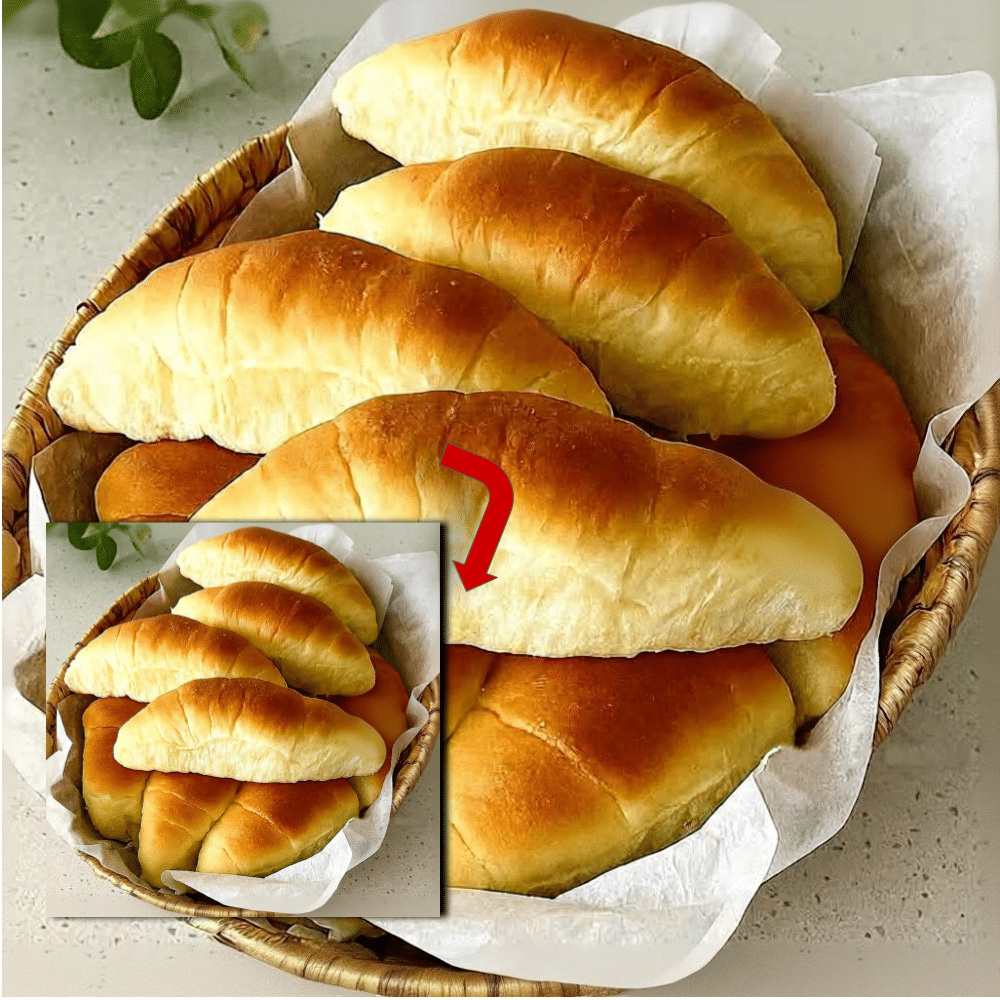
Gently punch down the dough to release the gas. Turn it out onto a lightly floured surface. Using a digital scale, divide the dough into 20 equal pieces (approx. 45-50g each). For the signature croissant shaped rolls: flatten each piece into an oval, fold the top third down, and the bottom third up. Pinch the seam. Roll it into a long rope, then flatten that rope again slightly. Roll it up tightly from one end to the other. Pinch the final seam closed. Alternatively, form simple round rolls or knots. Arrange the shaped rolls on a parchment-lined baking sheet.
Step 5: The Final Proof
Cover the shaped rolls loosely with plastic wrap or a clean kitchen towel. Let them rise in a warm, draft-free place for another 45-60 minutes, or until they look visibly puffy and almost doubled in size. This second rise is vital for a light, airy texture.
Step 6: Baking to Golden Perfection
Preheat your oven to 350°F (175°C). Lightly mist the proofed rolls with water (this helps create a slightly crispier crust and better oven spring). Bake for 18-22 minutes, or until they are deep golden brown on top. Immediately after removing from the oven, brush the warm rolls with melted unsalted butter for shine, extra richness, and an even softer crust. Let them cool slightly before devouring your incredible sweet milk bread!
Pro Tips from the Bakery
“Precision is paramount in baking. Always measure your ingredients by weight using a digital kitchen scale for consistent, perfect results every single time.”
- Check Your Yeast: If you’re unsure about your yeast’s activity, proof it first. Mix a small pinch with a teaspoon of sugar in 1/4 cup warm water (105-115°F / 40-46°C). If it doesn’t get foamy after 5-10 minutes, your yeast might be dead.
- Ingredient Temperature Matters: Use room temperature milk, cream, and egg, and softened butter. This helps the dough come together smoothly and ensures even fermentation.
- Don’t Rush the Rise: Patience is key in bread baking for beginners. Watch the dough, not the clock. Rising times can vary based on your kitchen’s temperature and humidity.
- The ‘Tangzhong’ Alternative: If you’ve tried our poolish method and want to experiment, you can substitute the poolish with a tangzhong (1 part bread flour to 5 parts water, cooked until thickened) for a different yet still incredibly soft texture.
Troubleshooting Common Milk Bread Problems
- Problem: My dough isn’t rising.
- Possible causes: Dead yeast, a room that’s too cold for proofing bread dough, or a dough that’s too dry (not enough liquid).
- Problem: My bread is dense and heavy.
- Possible causes: This is a common issue for why is my bread dense. Often, it’s due to insufficient kneading (the dough didn’t pass the windowpane test bread), under-proofed dough (didn’t rise long enough in either stage), or expired yeast.
- Problem: My bread is dry.
- Possible causes: Too much flour was added during mixing or shaping, or the bread was over-baked.
- Problem: The crust is too thick/hard.
- Possible causes: Oven temperature was too high, baked too long, or the dough simply needed more fat (which this enriched dough recipe generously provides, so ensure proper measurements!).
Storage and Freezing Instructions
One of the joys of this soft milk bread recipe is its excellent keeping quality.
- At Room Temperature: Once completely cooled, store your homemade milk bread in an airtight container or a sealed plastic bag. It will remain wonderfully soft and fresh for 2-3 days.
- Freezing for Later: For longer storage, allow the rolls to cool completely. Wrap each roll individually in plastic wrap, then place them in a freezer-safe bag. They can be frozen for up to 2-3 months. To enjoy, thaw at room temperature, then warm gently in a toaster oven or microwave for that fresh-baked taste. This is the best way of storing homemade bread.
Frequently Asked Questions (FAQ)
What is the secret to soft bread?
The secret to wonderfully soft milk bread lies in an enriched dough recipe, incorporating fats like milk, butter, and cream, which tenderize the crumb. Additionally, hydration techniques like a poolish starter recipe (used here) or a tangzhong method pre-gelatinize starches, allowing the dough to hold significantly more moisture, resulting in that signature fluffy milk bread texture.
What is the difference between milk bread and brioche?
While both are enriched breads, Hokkaido milk bread and brioche differ in their level of enrichment. Brioche typically contains a much higher proportion of butter and eggs, making it richer, denser, and often more cake-like. Milk bread, while rich, is lighter, more delicate, and has a distinct milky sweetness and a more shreddable, feathery interior, making it ideal for how to make soft bread rolls.
Can I make this recipe without a stand mixer?
Absolutely! This soft milk bread recipe is achievable by hand. It will require significant manual kneading—expect to spend around 15-20 minutes consistently kneading the dough until it develops enough gluten to pass the windowpane test bread. It’s a great workout!
What can I substitute for dry milk powder?
While highly recommended for the best texture and flavor in this bread recipe with milk powder, you can omit it if absolutely necessary. Some recipes suggest using evaporated milk instead of fresh milk/cream for added richness, but for this specific recipe, simply omitting the milk powder is the simplest adjustment, though it may slightly impact the depth of flavor and tenderness.
Why is my milk bread not fluffy?
The most common reasons for a less-than-fluffy shokupan recipe are insufficient kneading (the dough didn’t pass the windowpane test), not allowing the dough to rise long enough during either the first or final proofing stages, or using inactive/expired yeast. Ensure all steps of proofing bread dough are completed thoroughly.
Conclusion
You’ve journeyed through the creation of truly perfect soft milk bread recipe. From understanding the magic of the poolish starter to mastering the art of kneading and shaping these delightful croissant shaped rolls, you now have all the tools to bake an exceptional loaf. Remember, patience, precision, and good quality ingredients are your allies. So, roll up your sleeves, embrace the joy of homemade milk bread, and prepare to impress yourself and everyone around you with your wonderfully soft, fluffy creation. Happy baking!
“`
For more daily recipes and tips, follow us on Facebook!
Click here to join our community!