The Ultimate Guide to Authentic Japanese Clear Soup
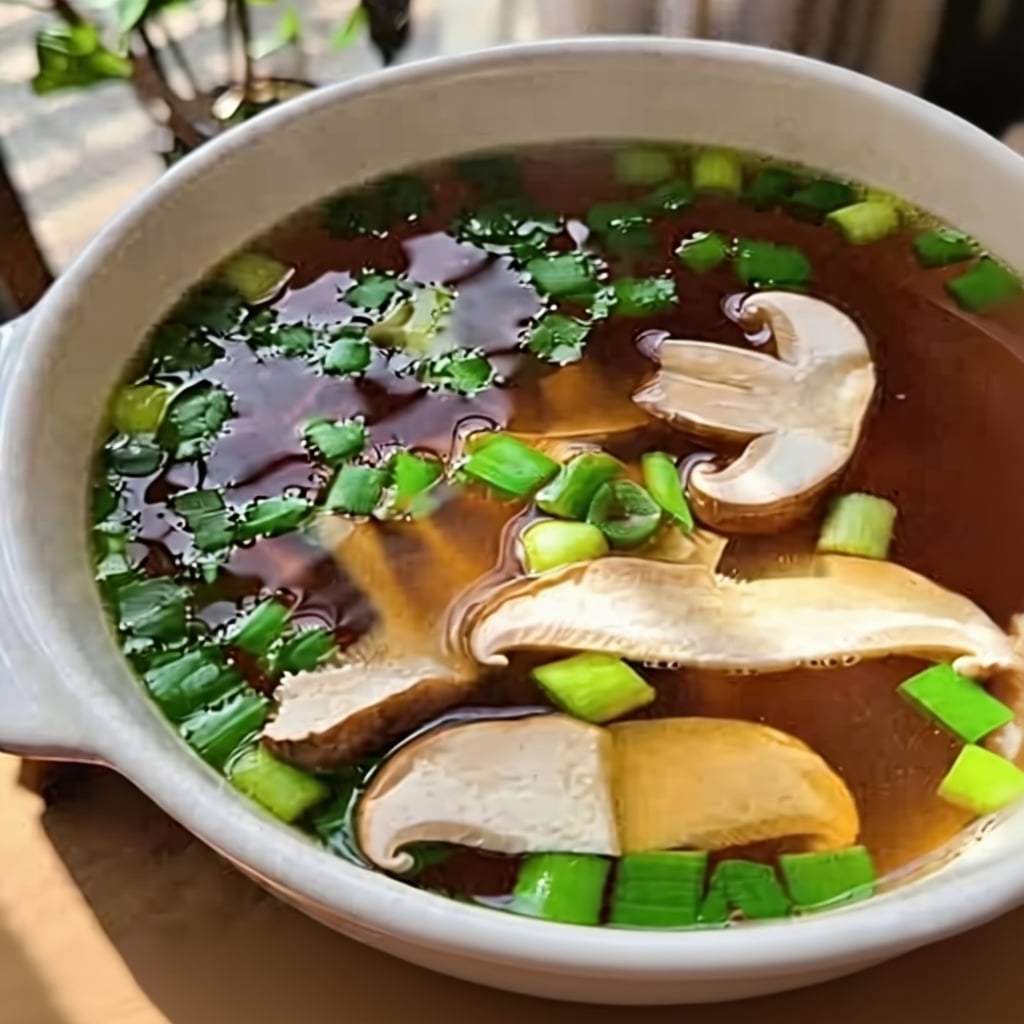
Imagine settling into a cozy Japanese steakhouse, the sizzle of the grill in the background, and then a delicate, steaming bowl arrives. You take a sip, and a wave of pure, savory umami flavor washes over you – this is the magic of Japanese Clear Soup. Often known as suimono recipe or osuimono, this elegant dish is a cornerstone of Japanese cuisine, celebrated for its deceptive simplicity and profound depth of flavor. Far from a mere appetizer, it’s a vital component designed to awaken the palate and prepare it for the feast to come.
Whether you’ve savored it as teppanyaki soup at Benihana or discovered its traditional dashi-based origins, Japanese Clear Soup embodies the Japanese culinary philosophy of highlighting the natural essence of high-quality ingredients. This comprehensive guide will take you on a journey to master this iconic dish, from understanding its cultural significance to preparing a flawless bowl in your own kitchen. We’ll cover everything from the popular hibachi soup recipe to traditional variations, providing a simple, foolproof method and expert tips to ensure your broth is perfectly clear and exquisitely flavorful.
What is Japanese Clear Soup? A Dive into Suimono
The Essence of Simplicity and Flavor
At its heart, Japanese Clear Soup is a broad category of translucent broths, collectively called suimono, that prioritize purity and the inherent flavors of their ingredients. Unlike hearty stews, this soup is a delicate creation, designed to be light yet satisfying. It serves as a palate cleanser or a refined starter in multi-course meals, such as traditional kaiseki. The beauty of this simple japanese soup lies in its ability to deliver intense flavor without overwhelming the senses, making it a truly captivating culinary experience.
Japanese Clear Soup vs. Miso Soup: What’s the Difference?
Often confused, Japanese clear soup vs miso soup are distinct culinary experiences. Miso soup is characterized by its cloudy, opaque appearance, a result of fermented soybean paste (miso) being dissolved into the broth. It offers a rich, salty, and often savory flavor profile. In contrast, Japanese Clear Soup is remarkably translucent, delicate, and focuses on the pure, clean taste of the broth – typically a dashi or a carefully prepared meat or vegetable stock. Its clarity is a testament to its refined preparation.
A Glimpse into its History and Cultural Significance
The tradition of osuimono in Japanese culinary art dates back centuries, embodying the nation’s profound respect for ingredients and aesthetic minimalism. Historically, suimono was a staple in formal dining, representing the pinnacle of culinary technique where subtle flavors and precise presentation were paramount. It reflects the Japanese philosophy of finding beauty and depth in simplicity, making it more than just a dish, but a reflection of cultural values.
The Pillars of a Perfect Broth: Key Ingredients
The Soul of the Soup: The Broth
The foundation of any great Japanese Clear Soup is its broth. Different bases yield unique flavor profiles:
- Traditional Dashi: The most authentic base, dashi broth is made from kombu dashi (dried kelp) and katsuobushi (dried bonito flakes). This combination creates a profoundly savory umami flavor that is both delicate and complex, defining many authentic Japanese dishes.
- Hibachi-Style Broth (Beef or Chicken): The hibachi soup recipe often found in Western Japanese steakhouses, like a Benihana soup recipe copycat, typically uses a richer beef broth soup recipes or chicken broth. This provides a heartier, more robust flavor profile. Opting for a low-sodium broth is crucial here to control the final seasoning.
- Vegetable Broth / Kombu-Shiitake Dashi: For a vegan option, a dedicated shiitake mushroom broth combined with kombu forms an exquisite base. This infusion creates a deeply earthy and savory broth, a perfect easy japanese broth alternative.
Essential Aromatics: Building Depth
Beyond the primary broth, aromatics are key to a flavorful japanese onion soup. Ingredients like onion, garlic, and ginger are indispensable. The method of preparation is crucial; roasting or searing these aromatics first, as detailed in our recipe, unlocks their natural sugars and deeper, sweeter notes, contributing significantly to the broth’s complexity and creating a true clear onion soup experience.
Seasoning and Garnish: The Finishing Touches
The final layer of flavor and texture comes from careful seasoning and fresh garnishes:
- Soy Sauce (Shoyu) / Tamari: A splash of soy sauce adds essential saltiness and another layer of umami flavor. For those with dietary restrictions, tamari is an excellent gluten-free alternative.
- Sesame Oil: Used sparingly, a drop or two of sesame oil imparts a fragrant, nutty aroma that elevates the soup’s profile.
- Mushrooms: Thinly sliced mushrooms are a must. Shiitake mushrooms offer a deep, earthy umami, while enoki or cremini mushrooms provide delicate textures and mild flavors.
- Green Onions (Scallions): Freshly sliced green onions add a vibrant color, a crisp texture, and a sharp, refreshing contrast to the rich broth.
How to Make Japanese Clear Soup (Easy Hibachi Style)
Ingredient List and Preparation
To make this delightful hibachi soup recipe, you’ll need:
- 1 tbsp neutral oil (like grapeseed or vegetable)
- 1 large yellow onion, roughly chopped
- 3 cloves garlic, smashed
- 1-inch piece fresh ginger, sliced
- 6 cups low-sodium beef broth (or chicken/vegetable broth for variations)
- 1-2 tbsp low-sodium soy sauce (or tamari)
- ¼ tsp sesame oil
- Garnishes: Thinly sliced fresh mushrooms (shiitake, cremini, or enoki), thinly sliced green onions
Prepare your ingredients by chopping the onion, smashing the garlic, and slicing the ginger. For garnishes, thinly slice your chosen mushrooms and green onions.
Step-by-Step Instructions
- Roasting the Aromatics: Preheat your oven to 400°F (200°C). Toss the chopped onion, smashed garlic, and sliced ginger with the neutral oil on a baking sheet. Roast for 15-20 minutes, or until the vegetables are fragrant and slightly caramelized. This crucial step deepens the umami flavor and sweetness, forming the aromatic base of your clear onion soup.
- Creating the Broth: Transfer the roasted aromatics to a large pot. Pour in the 6 cups of low-sodium beef broth. Bring the mixture to a gentle boil over medium-high heat, then immediately reduce the heat to a low simmer.
- Simmering and Infusing: Allow the broth to simmer gently for 15-20 minutes. This allows the flavors from the roasted vegetables to fully infuse into the broth without aggressively boiling, which can cloud the soup. This is key to how to make clear broth.
- Seasoning to Perfection: Remove the pot from the heat. Stir in 1 tablespoon of soy sauce and ¼ teaspoon of sesame oil. Taste the broth and adjust seasoning as needed, adding more soy sauce if a richer, saltier flavor is desired. Remember, you can always add more, but you can’t take it away!
- Straining for Clarity: This is arguably the most critical step for achieving a perfectly clear broth. Carefully pour the entire contents of the pot through a fine-mesh sieve into a clean bowl or back into the pot. Press lightly on the solids to extract all liquid, then discard the solids. You should be left with a beautifully translucent, golden Japanese Clear Soup.
- Garnishing and Serving: Ladle the hot, clear broth into individual serving bowls. Immediately add the fresh, thinly sliced mushrooms and green onions directly into each bowl. This ensures the garnishes remain crisp and vibrant, adding both texture and visual appeal to your homemade teppanyaki soup. Serve hot and enjoy!
Pro Tips for the Clearest, Most Flavorful Soup
- Don’t Skip the Roasting: Reiterate how important roasting aromatics is for an intensely flavorful broth.
- Skim the Surface: While simmering, occasionally skim off any foam or impurities that rise to the surface. This helps achieve an even clearer broth.
- Double Strain: For an exceptionally pristine soup, line your fine-mesh sieve with a layer of cheesecloth before straining.
- Fresh Garnishes are Key: Always add fresh, uncooked mushrooms and green onions just before serving. Cooking them in the broth can dull their flavor and compromise the soup’s clarity and texture.
Recipe Variations and Customizations
Authentic Suimono with Kombu Dashi
To create a truly authentic suimono recipe, replace the beef broth with a freshly made kombu dashi. Gently simmer 4-inch piece of kombu in 4 cups of water for 10 minutes (do not boil). Remove kombu, then add ½ cup katsuobushi (bonito flakes), simmer for 30 seconds, and strain. Season with a touch of soy sauce and salt. Garnish traditionally with a few slices of kamaboko (fish cake) and a sprig of mitsuba for a delicate, traditional Japanese Clear Soup.
Vegan Japanese Clear Soup
For a plant-based option, embrace a rich kombu-shiitake dashi. Soak a 4-inch piece of kombu and 2-3 dried shiitake mushrooms in 6 cups of cold water overnight, or gently simmer for 20-30 minutes. Strain the broth, then season with tamari instead of soy sauce. Garnish with pan-fried tofu cubes, rehydrated wakame seaweed, and thinly sliced scallions for a satisfying and healthy japanese soup.
Protein and Vegetable Add-ins
To make your Japanese Clear Soup more substantial, consider these additions:
- Proteins: Add thinly sliced chicken breast, small cooked shrimp, or delicate silken tofu cubes. Simmer briefly until heated through.
- Vegetables: Introduce thinly sliced carrots, daikon radish, a few leaves of bok choy, or fresh spinach leaves. Add them towards the end of simmering, allowing them to cook just until tender-crisp.
Serving, Storing, and Reheating
What to Serve with Japanese Clear Soup
Japanese Clear Soup is an ideal starter. It perfectly complements a range of main dishes such as Hibachi Chicken or Steak, Teriyaki Salmon, sushi, or a simple bowl of steamed rice. Its light, clean profile prepares your palate without overwhelming it. Serve it in small, elegant traditional Japanese soup bowls to enhance the dining experience.
How to Store and Reheat Leftovers
For best results, store the strained easy japanese broth separately from its garnishes in an airtight container in the refrigerator for up to 4 days. The broth also freezes exceptionally well for up to 3 months. To reheat, gently warm the broth on the stovetop over low heat until hot, but avoid vigorous boiling. Pour the hot broth over fresh garnishes in a bowl just before serving to maintain their crispness and vibrant flavor.
Frequently Asked Questions (FAQ)
What is the clear soup at Japanese steakhouses called?
The clear soup commonly served at Japanese steakhouses is often referred to as Japanese Clear Soup, Japanese Onion Soup, or simply Hibachi Soup. Its traditional Japanese name is suimono or osuimono.
What is Japanese clear soup made of?
Authentic Japanese Clear Soup is typically made from a dashi broth (kombu and bonito flakes). The hibachi-style version, often served in steakhouses, is usually made from a clear beef or chicken broth, infused with roasted aromatics like onion, garlic, and ginger, then seasoned with soy sauce and garnished with mushrooms and green onions.
Is Japanese clear soup healthy?
Yes, Japanese Clear Soup is generally considered a healthy japanese soup. It is hydrating, typically low calorie japanese soup, and low in fat. Using a low-sodium broth and focusing on fresh, natural garnishes like mushrooms and green onions enhances its nutritional value and makes it a great choice for those seeking clear soup benefits.
What kind of mushrooms are best for this soup?
For the freshest flavor and texture, use thinly sliced fresh mushrooms as a garnish. Shiitake mushrooms are excellent for their deep umami flavor, while cremini or white button mushrooms offer a milder taste. Delicate enoki mushrooms are also a popular choice for their unique, fine texture.
Can I make this soup ahead of time?
Absolutely! The strained broth for your Japanese Clear Soup can be prepared ahead of time and stored in an airtight container in the refrigerator for up to 4 days. For optimal texture and flavor, reheat the broth gently on the stovetop and add fresh garnishes just before serving.
Conclusion
Mastering the art of making Japanese Clear Soup, whether it’s an authentic suimono recipe or a comforting hibachi soup recipe, is a rewarding culinary journey. This elegant, flavorful, and healthy japanese soup is surprisingly simple to recreate at home. By focusing on quality ingredients, understanding the role of aromatics, and perfecting the clarity of your broth, you can bring the delicate essence of Japanese cuisine to your table. We encourage you to try this recipe, experiment with variations, and savor every umami-rich spoonful of this delightful, easy japanese broth.
For more daily recipes and tips, follow us on Facebook!
Click here to join our community!