
The Ultimate Guide to Perfect Homemade Naan Bread (So Fluffy!)
Forget store-bought flatbreads forever! Welcome to the only guide you’ll ever need for making incredibly soft, pillowy, and bubbly homemade naan bread right in your own kitchen. We’ll walk you through a simple, foolproof easy naan recipe that works perfectly on the stovetop—no tandoor required. Get ready to impress your family and elevate your curry nights with this authentic, delicious Indian flatbread recipe. This isn’t just any recipe; it’s your ticket to the most amazing fluffy naan bread you’ve ever tasted!
What Exactly is Naan Bread?
Naan is a leavened, oven-baked flatbread deeply rooted in the culinary traditions of Central and South Asia. Its name, derived from Persian, simply means “bread.” Traditionally, naan is cooked in a tandoor, a cylindrical clay oven, where the dough is slapped onto the hot walls, cooking rapidly to create its characteristic bubbles and slightly charred spots. This distinctive cooking method imparts a unique texture and flavor. Naan has become a beloved staple worldwide, perfectly complementing rich curries, kebabs, and various dips. While its origins are ancient, the joy of a warm, fresh piece of naan is timeless, making it an essential part of many flavorful meals.
Naan vs. Pita vs. Roti: What’s the Difference?
Flatbreads can indeed be confusing, but understanding the distinctions between naan vs pita vs. roti helps appreciate their unique qualities. Naan bread, our star today, is a leavened bread, typically made with flour, yeast, and often yogurt. The yogurt and yeast are crucial, contributing to its signature soft, chewy, and slightly tangy texture. It’s usually cooked in a tandoor or a hot skillet, resulting in a thicker, often bubbled and somewhat charred bread.
Pita bread, prevalent in Middle Eastern and Mediterranean cuisines, is also a leavened flatbread. However, it’s typically made with just flour, water, yeast, and salt. When baked at high temperatures, pita famously puffs up to form a pocket, making it ideal for stuffing. Roti, on the other hand, is an unleavened Indian flatbread made from whole wheat flour (atta) and water. It’s thinner than naan and pita, cooked on a flat griddle (tava), and typically served with everyday meals. The key difference lies in the leavening agents, ingredients like yogurt, and cooking methods, all contributing to their distinct textures and roles in various cuisines.
Why You’ll Fall in Love with This Recipe
- Incredibly Soft & Fluffy: Our naan recipe with yogurt and proper proofing time ensures an unbelievably tender crumb. This is truly a soft naan recipe you’ll adore!
- Amazingly Simple: Made with common naan bread ingredients and straightforward steps, even novice bakers will succeed. It’s a truly simple naan bread to master.
- No Special Equipment Needed: A simple skillet on your stovetop is all it takes! Enjoy perfect naan on stove top without a tandoor.
- Better Than Any Restaurant: The taste and texture of fresh, hot homemade naan bread are unbeatable and far superior to most store-bought options.
- Versatile: Perfect for scooping up curries, dipping in hummus, or even as a unique base for mini pizzas.
The Anatomy of Perfect Naan: Key Ingredients Explained
Flour: The Foundation
The choice of flour significantly impacts the final texture of your homemade naan bread. All-Purpose Flour is widely accessible and produces a wonderfully soft and pliable naan. Bread Flour, with its higher protein content, can yield a chewier texture. For a healthier alternative, you can incorporate whole wheat naan by substituting up to 50% of the all-purpose flour with whole wheat flour. Just be aware that whole wheat naan may be slightly denser and require a little more liquid.
Leavening Agent: Yeast is Your Friend
Yeast is what gives naan its characteristic airy, bubbly structure. Active Dry Yeast needs to be activated in warm water with sugar, while Instant Yeast can often be mixed directly with dry ingredients. Both work beautifully for this naan recipe with yeast. For those in a hurry or with yeast sensitivities, a naan recipe without yeast can be achieved using a combination of baking powder and baking soda, though the texture will be less airy and more biscuit-like.
The Secret Ingredient: Full-Fat Yogurt
Full-fat plain yogurt is the unsung hero in this homemade naan bread recipe. It’s crucial for achieving that signature tangy flavor and incredibly tender, soft texture. The acidity in the yogurt tenderizes the gluten in the flour, resulting in a more pliable and moist dough. Moreover, yogurt adds richness and contributes to the beautiful browning and softness of the naan. Don’t skip the naan with yogurt; it’s truly transformative!
Step-by-Step Guide to Making Homemade Naan Bread
Follow these detailed steps to create your own irresistible fluffy naan bread on your stovetop!
Step 1: Activate the Yeast
In a small bowl, combine warm water (about 105-115°F / 40-46°C), a pinch of sugar, and the active dry yeast. Stir gently and let it sit for 5-10 minutes. You’ll know the yeast is active when it becomes foamy and frothy on the surface. This “blooming” step confirms your yeast is alive and ready to make your naan rise beautifully. If it doesn’t foam, your yeast might be old, or the water temperature was off.
Step 2: Mix and Knead the Dough
In a large bowl, whisk together the flour, salt, baking powder (if using for a no-yeast version), and remaining sugar. Add the activated yeast mixture, yogurt, and oil. Mix with a spoon until a shaggy dough forms. Turn the dough out onto a lightly floured surface and knead by hand for 8-10 minutes, or use a stand mixer with a dough hook for 5-7 minutes, until the naan dough is soft, smooth, and slightly tacky but no longer sticky. This develops the gluten for that perfect chew.
Step 3: The First Proof (Let it Rise)
Lightly grease a large bowl with oil. Place the naan dough in the bowl, turning to coat. Cover the bowl with plastic wrap or a damp kitchen towel. Let the dough rise in a warm, draft-free place (like a turned-off oven with the light on) for 1-1.5 hours, or until it has roughly doubled in size. This crucial step develops flavor and ensures a light, airy texture for your homemade naan bread.
Step 4: Divide and Shape the Naan
Gently punch down the risen dough to release the air. Transfer it to a lightly floured surface and divide it into 6-8 equal portions. Roll each portion into an oval or teardrop shape, about 6-8 inches long and ¼ inch thick. Avoid rolling too thin, as this can prevent the naan from puffing up. Keep the remaining dough covered to prevent it from drying out while you work on each piece.
Step 5: Cooking the Naan to Perfection
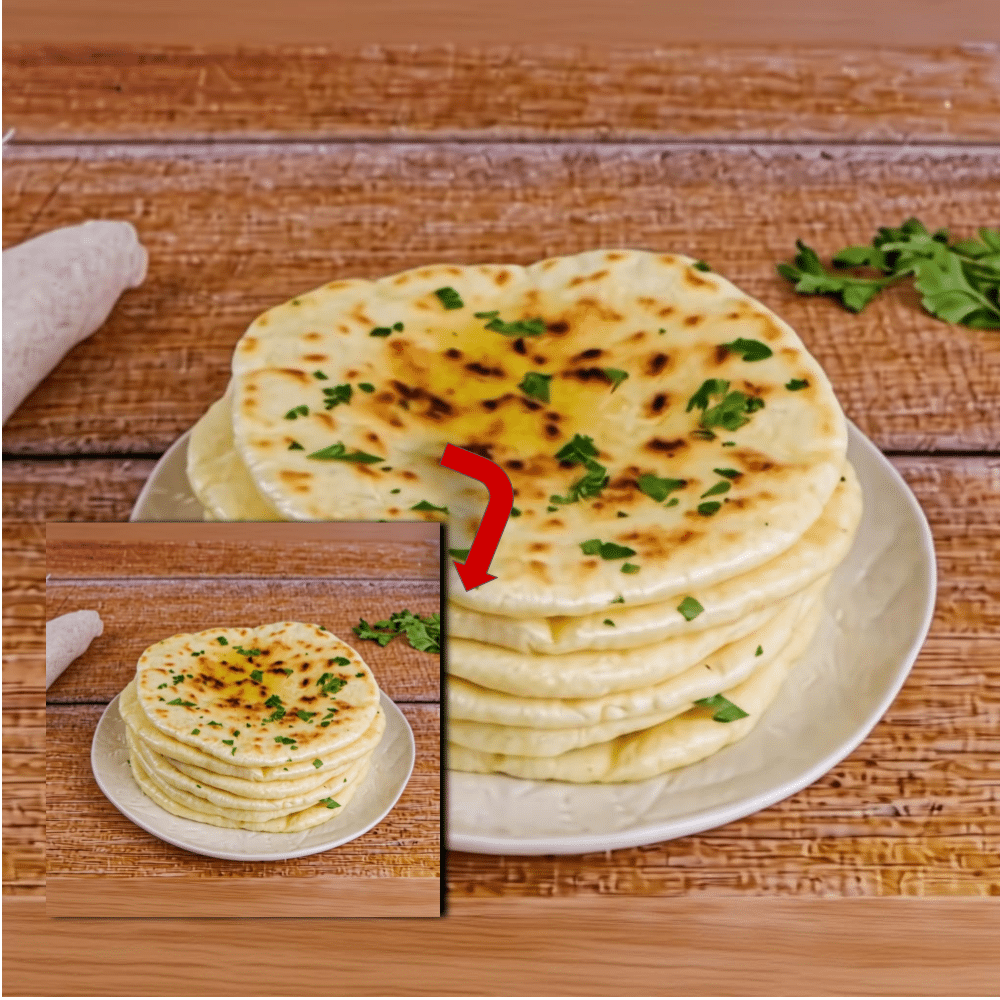
Heat a cast iron skillet or heavy-bottomed pan over high heat until it’s smoking hot (this is key!). Don’t add oil. Place one piece of shaped naan in the dry hot pan. Cook for 1-2 minutes until large bubbles appear on the surface and the bottom has brown spots. Flip the naan and cook for another 1-2 minutes until the other side is golden and slightly charred. For true how to get bubbles in naan, the high heat is essential. Transfer to a plate, brush with melted butter, and cover to keep warm. Repeat with remaining dough.
Pro Tips for Restaurant-Quality Naan
- Don’t Skip the Yogurt: We can’t stress this enough! The yogurt is paramount for the tender crumb and slight tang that defines authentic homemade naan bread.
- Get Your Pan HOT: A screaming hot, dry pan (especially a cast iron skillet) is crucial. This intense heat instantly cooks the exterior, creating steam inside that causes the naan to puff up beautifully. This is vital for perfect stovetop naan.
- Don’t Over-Flour Your Surface: Use just enough flour to prevent sticking when kneading and shaping. Excess flour can make your naan dough tough and dry.
- Rest the Dough After Shaping:
A brief 5-10 minute rest after rolling out each piece allows the gluten to relax, making the naan even softer and easier to cook without shrinking. - Brush with Butter Immediately: As soon as the naan comes off the heat, brush it generously with melted butter or ghee. This locks in moisture, adds incredible flavor, and keeps it soft.
Delicious Naan Variations to Try
Classic Garlic Naan
For a fantastic garlic naan recipe, simply whisk together melted butter (or ghee) with finely minced garlic and fresh chopped cilantro. Immediately after removing the hot homemade naan bread from the skillet, brush it generously with this aromatic garlic-butter mixture. The heat of the naan will toast the garlic slightly, releasing its incredible fragrance and flavor. This is a must-try for any garlic lover, creating a sublime homemade garlic butter naan.
Cheese-Stuffed Naan
To make a delicious cheese-stuffed naan, take a portion of dough and flatten it slightly. Place about 1-2 tablespoons of shredded mozzarella, paneer, or your favorite cheese in the center. Gather the edges of the dough around the cheese and pinch to seal, forming a ball. Then, gently roll out the stuffed dough into your desired naan shape, being careful not to let the cheese burst through. Cook as usual for a gooey, cheesy treat.
Other Flavor Ideas
Experiment with other flavors to personalize your homemade naan bread. Sprinkle nigella seeds (kalonji) or sesame seeds onto the naan before cooking for a subtle crunch and nutty flavor. For an herbaceous touch, knead finely chopped rosemary or thyme into the dough, or sprinkle it on top with a little sea salt after brushing with butter. You can also mix in a pinch of red chili flakes for a slight kick.
What to Serve with Your Homemade Naan
The versatility of homemade naan bread makes it the perfect accompaniment to a multitude of dishes. Naturally, it shines alongside classic Indian curries like rich Butter Chicken, hearty Chana Masala, flavorful Lamb Rogan Josh, or creamy Dal Makhani. Beyond Indian cuisine, it’s fantastic for dipping into homemade hummus, baba ghanoush, or a cool cucumber raita. You can even use it as a base for quick mini pizzas or as a wrap for grilled meats and veggies. Fresh, warm naan elevates any meal!
Storage and Reheating Instructions
Storing Leftover Naan
If you happen to have any leftover homemade naan bread (a rare occurrence, we know!), allow it to cool completely. Stack the naan pieces with parchment paper in between to prevent sticking. Store them in an airtight container or a heavy-duty zip-top bag at room temperature for up to 2-3 days. For longer storage in the refrigerator, it will keep for about 5 days.
Freezing and Reheating
Freezing naan bread is a fantastic way to enjoy it later. Once cooled, stack naan with parchment paper, wrap tightly in plastic wrap, then aluminum foil, and place in a freezer-safe bag. It will last for up to 2-3 months. To reheat, thaw frozen naan at room temperature. Then, briefly warm it in a hot, dry skillet for 30-60 seconds per side, or in a 350°F (175°C) oven wrapped in foil for 5-7 minutes. A quick microwave reheat works in a pinch but can make it slightly chewy.
Troubleshooting Common Naan Issues
- Why didn’t my dough rise? This is usually due to inactive yeast (old yeast or water that was too hot or too cold). Ensure your water is between 105-115°F (40-46°C).
- Why is my naan tough and dry? This often happens from adding too much flour during mixing or kneading, over-kneading the dough, or cooking the naan on heat that isn’t high enough, causing it to dry out rather than puff up quickly.
- Why didn’t my naan puff up? The most common culprits are a pan that wasn’t hot enough (it needs to be smoking!), or the dough was rolled too thin, preventing steam from building up inside.
Frequently Asked Questions (FAQ)
Can I make homemade naan bread without yeast?
Yes, you can substitute yeast for a quicker, flatter but still delicious naan recipe without yeast. Combine 1 teaspoon baking powder and ½ teaspoon baking soda with the dry ingredients. Use buttermilk or regular milk with a tablespoon of lemon juice/vinegar in place of plain milk/water for activation. The texture will be less airy but still soft.
Can I make the naan dough ahead of time?
Absolutely! You can prepare the naan dough and let it proof slowly in the refrigerator for up to 24 hours. This slow rise often develops even deeper flavors. Just remember to bring the dough back to room temperature for about 30-60 minutes before shaping and cooking.
What’s the best pan for cooking naan?
A well-seasoned cast iron skillet is by far the best choice for cooking naan on the stovetop. It retains high, even heat exceptionally well, which is absolutely essential for getting the naan to puff up instantly and develop those desirable charred spots.
Can I use whole wheat flour?
Yes, you can definitely use whole wheat flour for your homemade naan bread. We recommend substituting up to 50% of the all-purpose flour with whole wheat flour. Keep in mind that whole wheat naan may be a bit denser and might require a slight increase in liquid to maintain dough consistency.
Conclusion
There’s truly nothing quite like the experience of pulling a warm, aromatic piece of homemade naan bread straight from the skillet. With this comprehensive guide, you now have all the tools and knowledge to create incredibly soft, bubbly, and flavorful naan right in your own kitchen. Say goodbye to mediocre store-bought versions and hello to the ultimate Indian flatbread experience. Give this easy naan recipe a try tonight—we promise you won’t be disappointed! Share your results and let us know your favorite ways to enjoy your perfect fluffy naan bread in the comments below!
For more daily recipes and tips, follow us on Facebook!
Click here to join our community!