“`html
The Ultimate Guide to Perfect Homemade Baked Custard
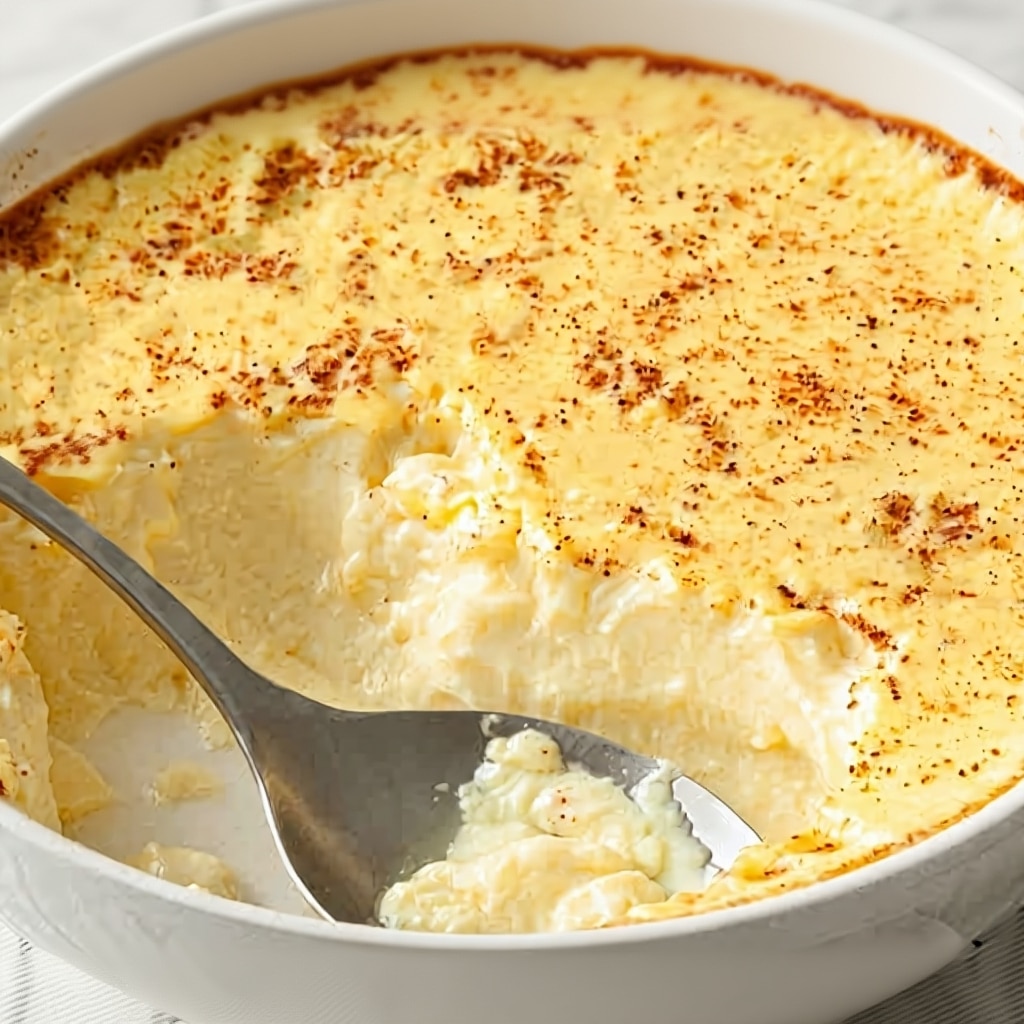
There’s something uniquely comforting about a classic baked custard recipe. This timeless dessert, often found in the simplest of homes and the most elegant restaurants, boasts a delicate, creamy texture and a gentle, sweet flavor that evokes warmth and nostalgia. It’s a dessert that speaks of simple elegance and pure satisfaction, a true staple among custard pudding desserts.
If you’ve ever dreamt of perfecting that impossibly smooth, subtly sweet, and wonderfully aromatic creamy vanilla custard, you’ve come to the right place. This comprehensive guide provides you with a foolproof homemade custard recipe, expert tips for flawless execution, clear troubleshooting for common issues, and inspiring variations to make this classic your very own. Prepare to discover the only simple custard recipe you’ll ever need.
What Exactly is Baked Custard?
At its heart, baked custard is a humble yet sophisticated dessert, typically served chilled, that exemplifies the beauty of simple ingredients coming together in harmony. It’s fundamentally a baked milk and egg custard, gently cooked to a sublime consistency.
The Science of Custard
A true culinary marvel, baked custard is made from a basic mixture of dairy (milk or cream), eggs (whole eggs or yolks), sugar, and flavorings. The magic happens during the gentle cooking process, usually in a water bath for custard. The proteins in the eggs slowly coagulate and set, trapping the liquid and creating that characteristic delicate, smooth texture. Overheating can cause the proteins to tighten too much, leading to a grainy or rubbery result.
Baked Custard vs. Other Custards (Stirred, Pastry Cream)
It’s important to distinguish baked custard from its stovetop cousins. Baked custards, like the one we’re making, or flan and crème brûlée, are cooked undisturbed in an oven, allowing for a slow, even set. Stirred custards, such as crème anglaise or traditional puddings, are cooked on the stovetop and require constant stirring to prevent the eggs from curdling and to achieve their pourable or thick consistency.
Why This is the Best Baked Custard Recipe
Our recipe stands out for its reliability and delicious results. Here’s why you’ll love this easy baked custard:
- Incredibly Simple Ingredients: This old fashioned baked custard recipe uses basic pantry staples you likely already have, making it accessible any time.
- Foolproof Method: Our detailed step-by-step guide, combined with the essential bain-marie method, virtually guarantees success for a perfectly set custard.
- Sublimely Creamy Texture: We’ll reveal the secrets to achieving that desired silky smoothness, ensuring you avoid any grainy or watery disappointments.
- Endlessly Versatile: This foundational recipe serves as a perfect base for countless flavor adjustments and delicious toppings, inviting you to experiment and personalize.
Essential Ingredients & Their Roles
Understanding what each ingredient contributes is key to mastering your baked custard ingredients and achieving that perfect egg custard recipe.
The Dairy: Whole Milk vs. Cream
The dairy forms the body of your custard. Whole milk creates a classic, lighter custard with a delicate texture. For a richer, denser, and more indulgent dessert, you can substitute some or all of the milk with heavy cream, or use a 50/50 blend. The fat content in the dairy contributes significantly to the custard’s creamy mouthfeel.
The Eggs: Whole Eggs vs. Yolks
Eggs are the structural heroes of custard, providing both richness and setting power. While some recipes call for yolks only (resulting in a very rich, firm custard), our simple custard recipe utilizes whole eggs for a perfect balance of tenderness and structure, ensuring an easier and more forgiving preparation.
The Sweetener: Granulated Sugar
Sugar does more than just sweeten; it also contributes to the custard’s tender texture. For this baked custard recipe, granulated sugar is ideal. While alternative sweeteners like maple syrup or honey can be used, they may alter the flavor profile and potentially the final texture, so stick to sugar for your first attempt.
The Flavorings: Vanilla and Nutmeg
Pure vanilla extract is non-negotiable for that classic, aromatic taste. For an authentic touch, finishing your baked custard with nutmeg is essential. Always opt for freshly grated nutmeg over pre-ground; its vibrant, warm spice elevates the dessert significantly.
Necessary Kitchen Equipment
Having the right tools makes the process of how to make baked custard smooth and enjoyable:
- Oven-safe ramekins or a single large baking dish (if making a no crust custard pie style)
- A larger baking pan (for the critical water bath for custard)
- Mixing bowls (at least two)
- Whisk
- Fine-mesh sieve
- Kettle or saucepan (to heat water for the bain-marie)
Step-by-Step Baked Custard Recipe
Follow these detailed steps to create your perfect homemade custard.
Step 1: Prepare Your Oven and Water Bath (Bain-Marie)
Preheat your oven to 325°F (160°C). Arrange your custard in ramekins (or a single baking dish) inside a larger, oven-safe baking pan. This setup, known as a bain-marie method or water bath for custard, is crucial. It insulates the custards, preventing them from cooking too quickly or curdling, ensuring a silky-smooth finish. Boil water in a kettle; you’ll add it to the outer pan later.
Step 2: Create the Custard Base
In a medium saucepan, gently heat the whole milk (and/or cream) over medium-low heat until it’s steamy and small bubbles form around the edges – do not let it boil. Remove from heat. In a separate large mixing bowl, whisk together the whole eggs, granulated sugar, and vanilla extract until just combined and slightly pale. Avoid over-whisking, which can incorporate too much air.
Step 3: Temper the Eggs
This is a critical step to prevent the eggs from scrambling. Slowly, in a thin stream, drizzle about half of the warm milk into the egg mixture while whisking constantly. This gradually brings the eggs up to temperature. Once half the milk is incorporated, pour the tempered egg mixture back into the remaining warm milk in the saucepan, continuing to whisk gently until fully combined.
Step 4: Strain for Silky Smoothness
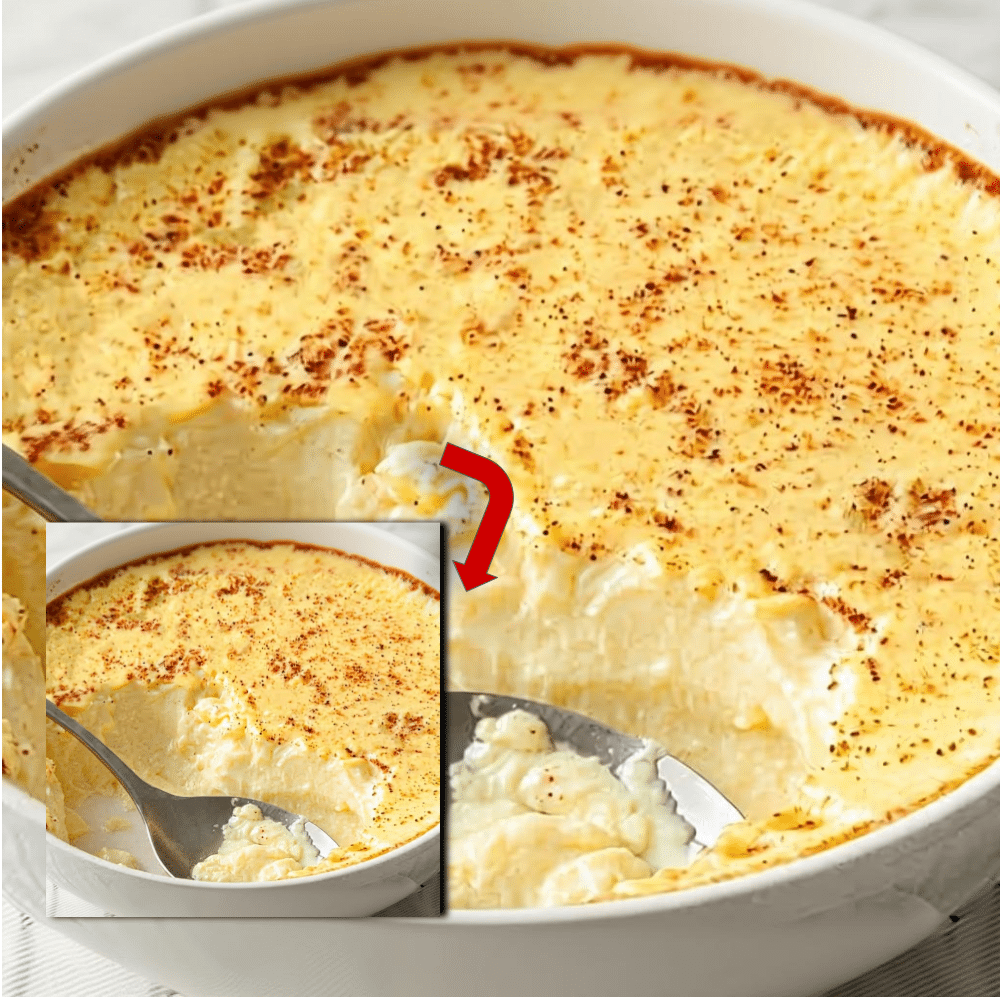
For an impeccably smooth creamy vanilla custard, pour the entire mixture through a fine-mesh sieve into a clean bowl or directly into a large measuring cup with a spout. This catches any bits of cooked egg or chalazae, ensuring a luxurious texture.
Step 5: Bake to Perfection
Carefully pour the strained custard mixture into your prepared ramekins. Grate fresh nutmeg over the top of each custard, if desired. Now, carefully pour the hot water from your kettle into the larger baking pan, around the ramekins, until it comes about halfway up the sides of the ramekins. Transfer the pan to the preheated oven. Bake for 30-45 minutes for individual ramekins, or 50-70 minutes for a larger dish, or until the edges are set but the center still jiggles slightly (see next section).
Step 6: Cool and Chill
Once baked, carefully remove the larger pan from the oven. Let the custards cool in the water bath for about 15-20 minutes before carefully removing the ramekins. Let them cool completely at room temperature, then cover each ramekin loosely with plastic wrap and refrigerate for at least 4 hours, or preferably overnight, until thoroughly chilled and set. This old fashioned baked custard recipe is best served cold.
The Secret to Knowing When Your Custard Is Done
One of the most common questions when learning how to make baked custard is knowing precisely when it’s ready. The secret lies in the “jiggle test.” When gently shaken, the edges of your baked custard should appear set and firm, but the very center (about an inch in diameter) should still have a slight, delicate wobble, much like firm Jell-O. It should not look soupy or liquid. This slight jiggle indicates that the custard is perfectly cooked. It will continue to set and firm up as it cools due to carryover cooking. Overbaking will result in a rubbery, grainy texture.
Troubleshooting Common Custard Problems
Even expert bakers encounter issues. Here’s how to address common challenges with your baked custard recipe:
- Why is my custard watery? This is usually a sign of underbaking. The eggs haven’t fully coagulated. Pop it back in the oven, checking every 5-10 minutes, or ensure your liquid to egg ratio isn’t too high for the recipe.
- Why is my custard grainy or curdled? This happens when the eggs cook too quickly or at too high a temperature. Overheating causes the proteins to seize up. Ensure you temper your eggs properly and always use a water bath for custard to promote gentle, even cooking.
- Why does my custard have a rubbery skin on top? Overbaking is the culprit here. The proteins tighten excessively, leading to a tough, rubbery surface. Adjust your baking time and rely on the “jiggle test” for perfect doneness.
- Why are there bubbles in my custard? Excessive whisking can incorporate too much air into the mixture. To prevent this, whisk gently and, before baking, skim off any foam or bubbles from the surface of the custard with a spoon.
Creative Flavor Variations
This basic baked custard recipe is a fantastic canvas for your culinary creativity. Explore these variations to make your own signature dessert:
- Citrus Custard: Infuse the milk with strips of lemon, orange, or lime zest as it heats for a bright, refreshing flavor. Remove zest before tempering.
- Chocolate Custard: Melt 2-3 ounces of finely chopped dark or semi-sweet chocolate into the warm milk before tempering the eggs.
- Coffee or Espresso Custard: Dissolve 1-2 teaspoons of instant espresso powder or strong instant coffee in the warm milk for a rich, aromatic twist.
- Spiced Custard: Infuse the warm milk with a cinnamon stick, a few star anise pods, or a pinch of ground cardamom for an exotic flavor profile.
- Caramel Custard (Flan-style): For a decadent twist, melt 1/2 cup sugar with 2 tablespoons water over medium heat until it turns a deep amber caramel. Carefully pour a thin layer into the bottom of each ramekin before adding the custard base. This transforms your baked custard into a stunning flan.
How to Serve and Store Baked Custard
Whether you enjoy it warm or chilled, this egg custard recipe is a delightful treat.
Serving Suggestions
While delicious on its own, especially with a dusting of baked custard with nutmeg, it truly shines with simple garnishes. Serve your creamy vanilla custard chilled for the best texture. Top with fresh berries, a dollop of freshly whipped cream, a drizzle of caramel or chocolate sauce, or simply a light dusting of powdered sugar. A sprig of fresh mint can add an elegant touch.
Storage Instructions
Properly store your homemade custard by covering each ramekin tightly with plastic wrap to prevent a skin from forming and to keep it fresh. Refrigerate for up to 3-4 days. Baked custard does not freeze well, as the delicate texture can become watery and grainy upon thawing.
Frequently Asked Questions (FAQ)
What is the secret to a good custard?
The secret to a truly good baked custard recipe lies in gentle, even cooking. Utilizing a water bath for custard (bain-marie) is non-negotiable, as it insulates the custard, preventing it from cooking too quickly and ensuring the egg proteins set slowly, resulting in an impeccably silky, smooth texture.
Should baked custard be jiggly in the middle?
Yes, absolutely! A perfectly cooked simple custard recipe should have a slight, delicate jiggle in the very center when you gently shake the ramekin. The edges will be set, but the center will still be soft. This indicates it’s cooked just right and will firm up perfectly as it cools.
What is the difference between baked custard and flan?
Flan is essentially a type of baked custard that is distinguished by its signature caramel topping. Before the custard mixture is poured into the baking dish or ramekins, a layer of clear caramel sauce is added to the bottom. When inverted, this caramel forms a beautiful, glossy topping for the finished dessert.
Can you overcook baked custard?
Yes, you can easily overcook baked custard. Overcooked custard will become rubbery, develop a grainy texture, and may even crack on the surface or weep liquid. This is why paying close attention to the “jiggle test” is crucial to ensure optimal texture and prevent spoilage.
Do you eat baked custard hot or cold?
Both! While many prefer their creamy vanilla custard fully chilled from the refrigerator, others enjoy it slightly warm from the oven. It’s truly a matter of personal preference, but chilling allows the flavors to fully meld and the texture to firm up beautifully.
Conclusion: Your New Go-To Dessert
Mastering this baked custard recipe opens the door to a world of simple, elegant dessert satisfaction. With its incredibly simple ingredients, the foolproof bain-marie method, and your newfound understanding of its nuances, you’re ready to create a truly spectacular homemade custard. Whether you stick to the classic baked custard with nutmeg or explore the endless variations, this comforting dessert is sure to become a beloved staple in your kitchen. So go ahead, whisk up some magic, and enjoy the timeless appeal of this perfect sweet treat!
“`
For more daily recipes and tips, follow us on Facebook!
Click here to join our community!