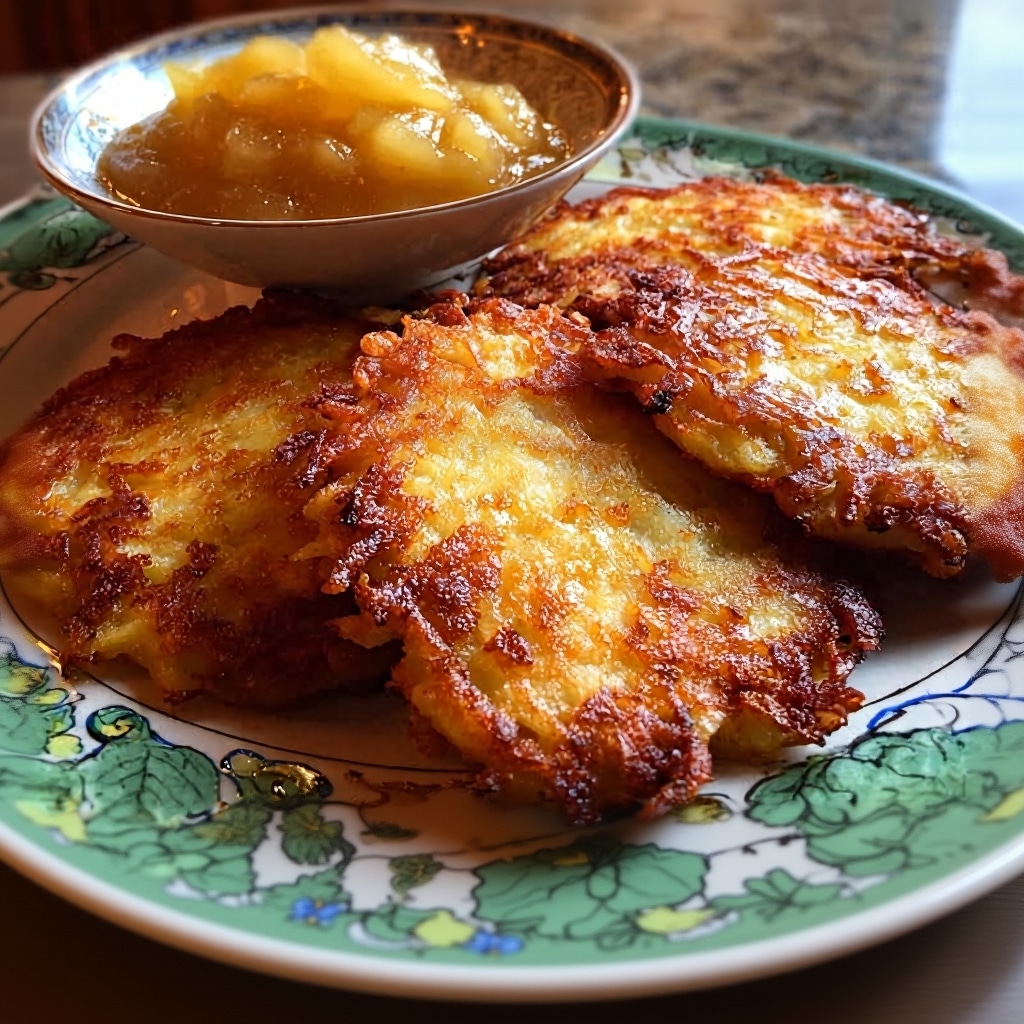
The Ultimate Guide to Crispy, Golden German Potato Pancakes (Reibekuchen)
Imagine this: a cold, crisp evening, the warm glow of a kitchen, and the irresistible aroma of something truly special sizzling on the stove. You take a bite, and the world pauses. First, there’s the delightful crunch of a perfectly golden crust, followed by a tender, savory interior bursting with the comforting flavor of potato and onion. That, my friends, is the magic of an authentic German potato pancake – known affectionately as Reibekuchen in the Rhineland or Kartoffelpuffer across other regions of Germany. More than just a simple side dish, these crispy potato fritters are a beloved staple, often found gracing tables at festive gatherings, Christmas markets, and as a cherished treat from Oma’s kitchen.
If you’ve ever yearned to recreate that quintessential German flavor, you’ve come to the right place. This ultimate guide will equip you with everything you need: a foolproof, authentic Reibekuchen recipe, expert tips for achieving unparalleled crispiness, delightful serving suggestions, and a delve into the rich cultural history of these savory pancakes. Get ready to master the art of making the best German potato pancakes you’ve ever tasted!
What Exactly Are German Potato Pancakes?
At its heart, a German potato pancake is a deceptively simple dish, yet its appeal is universal. It consists primarily of grated potatoes, often combined with onion, bound together with a little egg and flour, seasoned, and then shallow-fried until golden-brown and wonderfully crispy. This humble combination transforms into a culinary delight that transcends its basic ingredients. They are a quintessential part of German cuisine, deeply rooted in tradition and comfort.
While the core ingredients remain consistent, the nuances of regional names and slight preparation differences add to their charm. These savory pancakes are not just food; they are a taste of German heritage, evoking memories of home and festive celebrations.
Kartoffelpuffer vs. Reibekuchen: Is There a Difference?
Navigating German culinary terms can sometimes feel like a delicious puzzle! When it comes to German potato pancakes, the terms Reibekuchen and Kartoffelpuffer are largely interchangeable, though their usage often depends on geography. Reibekuchen literally translates to “grated cake,” stemming from the verb ‘reiben’ (to grate), and is most commonly heard in the western regions of Germany, particularly around the Rhineland. Kartoffelpuffer, on the other hand, means “potato buffer” or “potato puff,” referring to their slightly puffed shape when fried, and is more prevalent in other parts of the country.
While there might be slight variations in preferred potato type or binder ratios from family to family, the fundamental dish remains the same: a delicious, pan-fried potato fritter. So, whether you call them Reibekuchen or Kartoffelpuffer, you’re referring to the same beloved dish.
German Potato Pancakes vs. Latkes vs. Swiss Rösti
The world of potato fritters is vast and varied, with each culture offering its unique take. While German potato pancakes share a family resemblance with Jewish latkes and Swiss Rösti, key differences set them apart.
- German Potato Pancakes (Reibekuchen/Kartoffelpuffer): Typically use raw grated potatoes, onion, egg, and flour (or potato starch) as a binder. They are often oval or round and fried to a deep golden crisp.
- Jewish Latkes: Traditionally made for Hanukkah, latkes also feature grated potatoes and onion. However, they frequently use matzo meal or breadcrumbs as a binder, and sometimes include a touch of baking powder for lightness.
- Swiss Rösti: Rösti stands out by often using parboiled or cooked potatoes, which are then coarsely grated. Crucially, Rösti often uses little to no binder beyond the potato’s natural starch, and they are typically fried into a single, large cake that’s flipped rather than individual pancakes.
Each offers a unique texture and flavor profile, but all celebrate the humble potato in a wonderfully crispy form.
The Anatomy of a Perfect Potato Pancake: Choosing Your Ingredients
Achieving those coveted crispy potato pancakes isn’t just about technique; it starts with selecting the right ingredients. Every component plays a vital role in the final texture and flavor of your Reibekuchen.
The Star of the Show: The Best Potatoes for Reibekuchen
Choosing the right potato is perhaps the most critical decision for achieving authentic German potato pancakes. For the ultimate crispy exterior and fluffy interior, you’ll want to reach for high-starch varieties. My top recommendation for the best potatoes for potato pancakes are Russet potatoes (also known as Idaho potatoes in the US or Maris Piper in the UK). Their high starch content helps them bind well and crisp up beautifully, yielding that desirable golden-brown crust. Waxy potatoes (like red or new potatoes) contain less starch and more moisture, making them less ideal as they tend to result in a denser, sometimes gummy pancake that struggles to get truly crispy.
The Flavor Base: Onion and Seasonings
Onions are non-negotiable in an authentic German potato pancake. They provide essential savory depth and a subtle sweetness that balances the starchiness of the potato. A medium yellow onion works perfectly, offering a robust flavor without being overpowering. As for seasonings, simplicity is key: good quality salt and freshly ground black pepper are fundamental. For an extra touch of traditional German flavor, a small pinch of freshly grated nutmeg is often included; it subtly enhances the potato and onion without being dominant.
The Binders: Egg and Flour
Eggs and flour act as the crucial binders, holding the grated potato and onion together so your pancakes don’t fall apart in the pan. A single egg typically provides enough moisture and protein to help the mixture cohere. All-purpose flour is the standard choice, adding just enough gluten to create a stable batter. For those seeking gluten-free alternatives, potato starch or a gluten-free all-purpose flour blend can be successfully substituted, maintaining the structure without compromising flavor. Remember, the goal is just enough binder to hold it together, not to make a heavy, floury pancake.
The Frying Medium: Best Oils for High-Heat Cooking
To achieve that enviable golden-brown crunch, using the right frying oil is paramount. You need a neutral-flavored oil with a high smoke point that can withstand the heat required for shallow frying without burning. Excellent choices include canola oil, vegetable oil, sunflower oil, or grapeseed oil. For an authentic and richer flavor, many German cooks swear by clarified butter (Butterschmalz), which offers a wonderful nutty aroma and high smoke point, making it perfect for these potato fritters.
Step-by-Step Authentic German Potato Pancake Recipe
This recipe for crispy German potato pancakes will guide you to perfection, just like Oma used to make. Remember, the secret is in the details!
Equipment You’ll Need
- Box grater or food processor with grating attachment
- Large mixing bowl
- Cheesecloth or clean kitchen towel
- Large, heavy-bottomed skillet (cast iron recommended)
- Sturdy spatula or fish spatula
- Wire rack set over a baking sheet
- Small bowl for potato starch
Step 1: Grate the Potatoes and Onions
Peel the potatoes and onion. For a more traditional, slightly chunkier texture, use the coarse side of a box grater. For speed and convenience, a food processor with a grating disc works wonderfully. Work quickly to grate both the potatoes and onion directly into a large mixing bowl. This immediate combination helps to slightly delay the potatoes from turning brown. Do not grate ahead of time.
Step 2: The Most Critical Step – Squeeze Out ALL the Liquid
This is the number one secret to how to make potato pancakes that are truly crispy and avoid soggy potato pancakes. Transfer the grated potato and onion mixture into a cheesecloth or a very clean kitchen towel. Gather the edges and twist tightly, squeezing out as much liquid as humanly possible over another bowl. You’ll be amazed at how much moisture comes out! Once squeezed, set the liquid aside for a moment.
The Potato Starch Trick: Allow the squeezed-out liquid to sit undisturbed for about 5-10 minutes. You’ll notice a white, starchy sediment settling at the bottom. Carefully pour off the clear water from the top, leaving the pure potato starch behind. Scrape this starch from the bottom of the bowl and add it back into your now-dry potato and onion mixture. This reincorporation of natural potato starch is a fantastic tip for extra crispiness and binding power!
Step 3: Mix the Batter
Return the thoroughly dried potato and onion mixture (with the reincorporated potato starch) to the large mixing bowl. Add the egg, flour, salt, freshly ground black pepper, and the optional pinch of nutmeg. Mix everything together until just combined. Be careful not to overmix, as this can make the potatoes release more moisture. The mixture should feel cohesive but not sticky or wet.
Step 4: Fry to Golden-Brown Perfection
Heat about 1/2 to 3/4 inch of your chosen frying oil (canola, vegetable, or clarified butter) in your heavy-bottomed skillet over medium-high heat. The oil is ready when it shimmers slightly and a small drop of batter sizzles immediately upon contact. Take about 2 tablespoons of the potato mixture per pancake, flatten it slightly between your hands, and carefully place it into the hot oil. Do not overcrowd the pan; fry in batches to maintain the oil temperature.
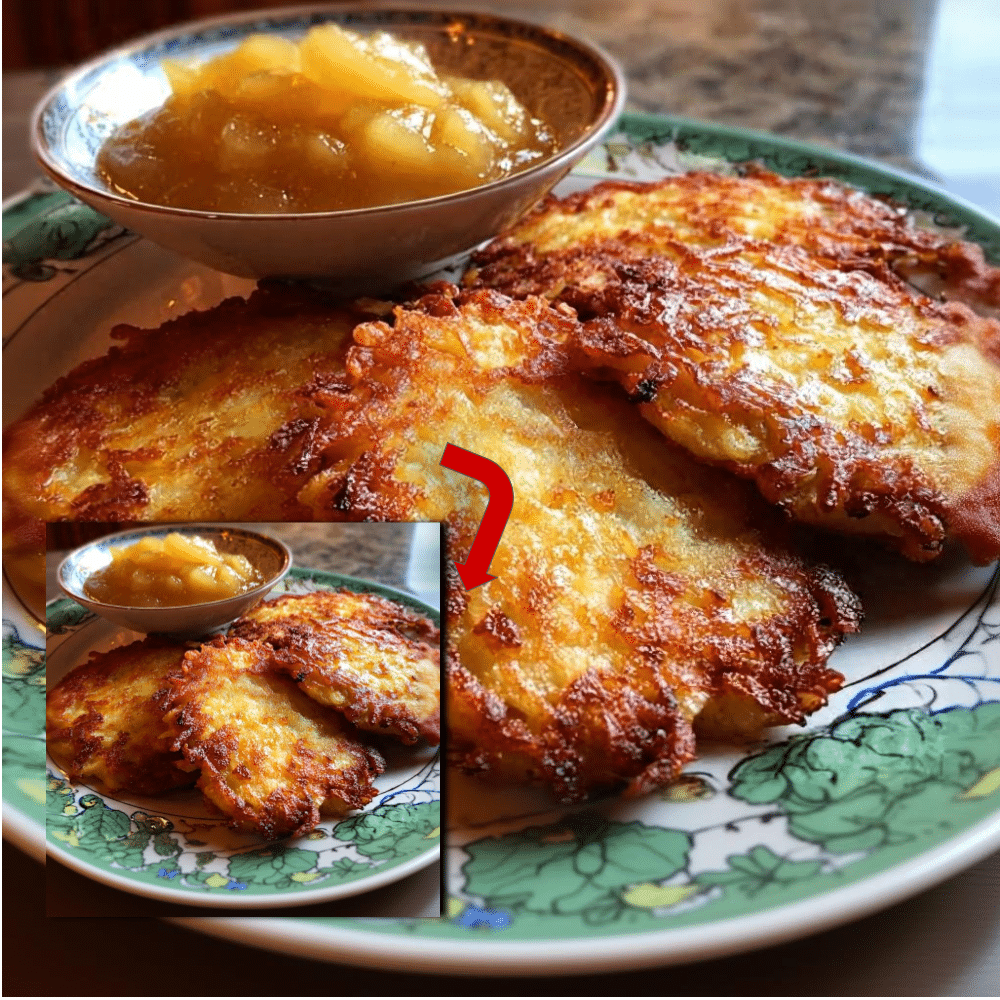
Fry for 3-5 minutes per side, or until the pancakes are deeply golden-brown and wonderfully crispy. Adjust the heat as needed to prevent burning. Remember, shallow frying is key here, not deep frying.
Step 5: Drain and Serve Hot
Once cooked, use a sturdy spatula to transfer the crispy potato pancakes to the wire rack set over a baking sheet. This allows air to circulate around them, preventing them from steaming and becoming soggy. You can keep finished batches warm in a low oven (around 200°F / 95°C) while you finish frying the rest. Serve immediately for the best texture and flavor!
Pro Tips from a German Kitchen (Oma’s Secrets)
Even with a good recipe, a few insider tricks can elevate your German potato pancakes from good to absolutely phenomenal. These are the secrets passed down through generations!
“The secret to a perfect Reibekuchen lies not just in the ingredients, but in the love and care you put into each step – especially the squeeze!” – Oma Helga
- The Squeeze is Everything: We can’t stress this enough. Removing moisture from the grated potatoes is the single most important step to achieving truly crispy pancakes. Don’t be shy; wring out every last drop!
- Save That Starch: Don’t toss the potato liquid! The potato starch at the bottom is pure gold for binding and crispiness. Reincorporating it is a classic Oma’s potato pancake recipe trick.
- Hot Pan, Cold Batter: Ensure your oil is heated to the correct temperature before you drop in the batter. Cold oil leads to greasy, soggy potato pancakes. The batter itself, however, should be mixed just before frying.
- Don’t Crowd the Pan: Frying too many pancakes at once lowers the oil temperature dramatically, resulting in less crispy, more oily results. Give your pancakes space to sizzle!
- How to Keep Them Crispy: As batches are cooked, transfer them to a wire rack (not paper towels!) set over a baking sheet. Keep this in a low oven (around 200°F / 95°C) to maintain their warmth and crispiness until serving.
What to Serve with German Potato Pancakes
One of the joys of German potato pancakes is their versatility. They can be enjoyed with a variety of accompaniments, bridging the gap between sweet and savory. This makes them perfect for any meal, from a hearty brunch to a festive dinner.
The Classic Pairing: Applesauce (Apfelmus)
Without a doubt, the most iconic and traditional pairing for Reibekuchen is a generous dollop of applesauce (Apfelmus). The sweet, slightly tart applesauce perfectly cuts through the richness of the fried potato, creating a balanced and incredibly satisfying flavor combination. It might sound unusual if you’re not familiar, but it’s a taste sensation that perfectly encapsulates German cuisine and is a must-try for any newcomer.
Savory Toppings
Beyond applesauce, a world of savory delights awaits. For a creamy counterpoint, sour cream or traditional German Quark (a fresh dairy product similar to sour cream or cream cheese) with fresh chives is incredibly popular. The cool tanginess complements the warm, crispy pancake beautifully. For a truly decadent experience, especially as a special treat or a starter, consider topping your potato pancakes with a slice of smoked salmon (Lachs) and a dollop of crème fraîche. These savory pancakes are a fantastic base for creativity!
Sweet Toppings
While applesauce reigns supreme, some prefer a simpler sweet touch. A light dusting of cinnamon and sugar transforms these savory fritters into a delightful dessert-like treat. This option is especially popular at German Christmas market food stalls, where the warm, sweet aroma is irresistible.
Storing, Freezing, and Reheating for Maximum Crispiness
While German potato pancakes are best enjoyed fresh from the pan, leftovers can be managed to retain much of their delicious crispiness. Don’t let your efforts go to waste!
- Storing: Allow cooked pancakes to cool completely. Store them in an airtight container in the refrigerator for up to 3 days. Place parchment paper between layers to prevent sticking.
- Freezing: Reibekuchen freeze remarkably well. Once completely cooled, arrange them in a single layer on a baking sheet and freeze until solid (this prevents them from sticking together). Once frozen, transfer them to a freezer-safe bag or container, separating layers with parchment paper. They can be stored for up to 2-3 months. This is great for an easy potato pancake recipe whenever the craving strikes!
- Reheating: To bring back that glorious crispiness, avoid the microwave at all costs – it will make them soggy. The best methods are:
- Oven: Preheat oven to 375°F (190°C). Place frozen or thawed pancakes on a wire rack set over a baking sheet and bake for 10-15 minutes (longer for frozen) until heated through and crispy.
- Air Fryer: Preheat air fryer to 375°F (190°C). Arrange pancakes in a single layer and air fry for 5-8 minutes, flipping halfway, until hot and crispy.
- Skillet: Lightly oil a skillet and heat over medium-high. Reheat pancakes for 2-3 minutes per side until crisp.
Frequently Asked Questions (FAQ)
Why are my potato pancakes soggy and greasy?
This is a common issue and almost always comes down to two main factors: not squeezing out enough moisture from the grated potatoes, or the oil temperature being too low. If the potatoes are too wet, they steam rather than fry. If the oil isn’t hot enough, the pancakes absorb too much oil, becoming greasy. Ensure your potatoes are bone-dry and your oil is shimmering before adding the batter.
How do you keep grated potatoes from turning black or grey?
Grated potatoes oxidize quickly when exposed to air, causing them to turn black or grey. The best way to prevent this is to work quickly! Grate the potatoes and onion, immediately squeeze out the liquid, and mix the batter. If you need to pause, you can submerge grated potatoes in cold water (but then you *must* thoroughly dry them again before mixing). A traditional tip is to add a tiny amount of acid, like a squeeze of lemon juice or a splash of white vinegar, to the grated mixture, though the quick-work method is usually sufficient for these potato pancake batter recipes.
What is the difference between German potato pancakes and Jewish latkes?
While both are delicious potato fritters, key differences exist. German potato pancakes (Reibekuchen/Kartoffelpuffer) typically use all-purpose flour and egg as binders and are a general comfort food found year-round, especially as German Christmas market food. Jewish latkes, on the other hand, are traditionally associated with Hanukkah and often use matzo meal or breadcrumbs as a binder, sometimes incorporating baking powder for a lighter texture. The cultural context and specific binders are the primary differentiators.
Can I make the potato pancake batter ahead of time?
It’s generally not recommended to make the potato pancake batter ahead of time. Even with moisture squeezed out, the grated potatoes will continue to release liquid and oxidize, causing the batter to become watery and grey. For the best results – crispiness, flavor, and appearance – it’s best to prepare the batter and fry the pancakes immediately. An easy potato pancake recipe means quick preparation and immediate enjoyment!
Can I use an air fryer to cook German Potato Pancakes?
While you can cook German potato pancakes in an air fryer, it’s important to understand that the texture will be different. An air fryer will produce a crisp, slightly more “baked” or roasted texture rather than the rich, shallow-fried crispiness that is characteristic of authentic Reibekuchen. For the truly traditional, golden-fried result, a skillet with hot oil is superior. If you wish to use an air fryer, brush the formed pancakes with a little oil, and air fry at around 375°F (190°C) for 15-20 minutes, flipping halfway, until golden and cooked through.
Conclusion
Mastering the art of crispy, golden German potato pancakes (Reibekuchen) is a rewarding culinary journey that brings a taste of authentic German comfort food right into your home. By choosing the right potatoes, meticulously squeezing out moisture, and frying with care, you’re well on your way to creating these beloved potato fritters. Whether you enjoy them simply with applesauce, classic sour cream, or experiment with savory toppings, each bite is a testament to simple ingredients transformed into something extraordinary. So, gather your ingredients, follow these steps, and savor the irresistible crunch of a homemade German potato pancake. Guten Appetit!
For more daily recipes and tips, follow us on Facebook!
Click here to join our community!