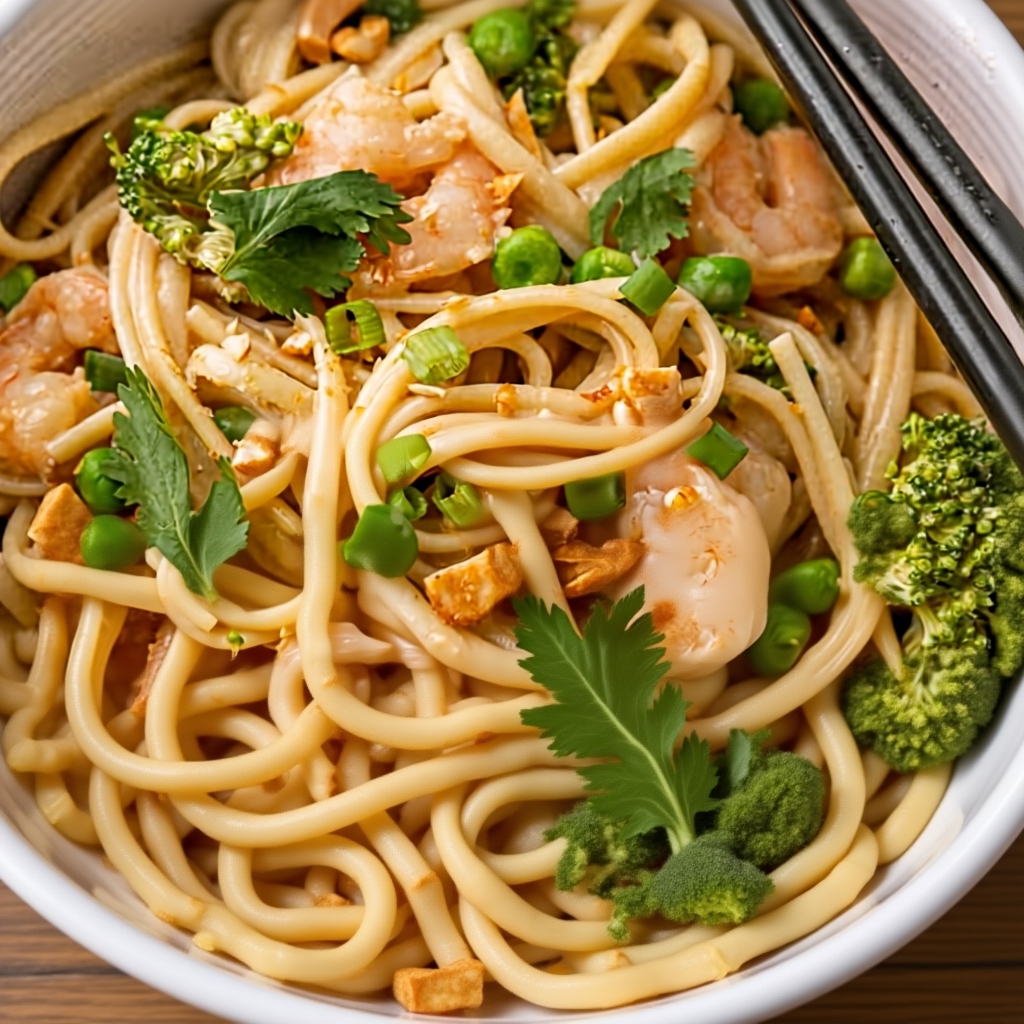
Craving the incredible flavors of your favorite Thai restaurant? Imagine a dish that perfectly balances sweet, sour, savory, and nutty, all in one incredible bite. That’s the magic of Shrimp Pad Thai! This isn’t just any recipe; it’s your ticket to making an authentic, restaurant-quality version right in your own kitchen. Forget expensive takeout and long waits. Our easy shrimp pad thai recipe is designed to be surprisingly fast and simple, promising a delicious 30-minute pad thai that rivals any dish you’d order out. Get ready to impress yourself and your family with this delightful homemade treat!
What is Pad Thai? A Taste of Thai Street Food
Pad Thai, or Phad Thai, is arguably Thailand’s most famous culinary export and its beloved national dish. This vibrant thai stir-fried noodles dish is a cornerstone of Thai cuisine, known worldwide for its irresistible complexity and harmonious blend of flavors. At its heart, Pad Thai offers a perfect symphony of four key tastes: salty, sweet, sour, and a hint of spicy. The saltiness comes from rich fish sauce, sweetness from traditional palm sugar, and the distinctive sour notes from tangy tamarind paste. While often served with chili on the side, a subtle warmth can elevate the experience. Originally introduced to promote Thai nationalism, Pad Thai quickly became a quintessential thai street food at home staple, evolving into the beloved dish we crave today.
Why This is the BEST Shrimp Pad Thai Recipe
- Authentic Flavor Profile: We pride ourselves on creating an authentic shrimp pad thai experience. Our pad thai sauce recipe is the star, meticulously balanced to deliver that signature sweet, sour, and savory depth without compromise.
- Quick & Easy: Life gets busy, which is why this best pad thai recipe is engineered for speed. From prep to plate, you’ll be enjoying your homemade creation in under 30 minutes, making it a perfect 30-minute pad thai solution for any weeknight.
- Completely Customizable: Whether you prefer a chicken pad thai variation, a hearty vegetarian pad thai, or need a gluten-free pad thai option, this recipe is incredibly adaptable. Easily swap proteins, adjust spice levels, or load it with extra veggies to suit your taste.
- Clear, Foolproof Instructions: We’ve broken down every step of how to make pad thai with shrimp into easy-to-follow directions, ensuring success even if you’re new to Thai cooking.
Essential Ingredients for Authentic Flavor
Achieving that iconic Pad Thai taste hinges on having the right ingredients. Here’s a breakdown of what you’ll need for the perfect Shrimp Pad Thai:
For the Signature Pad Thai Sauce
The heart of any great Pad Thai lies in its sauce, a delicate balance of the ‘holy trinity’ of Thai flavors. This is what is pad thai sauce made of:
- Tamarind Paste/Concentrate: Essential for the distinct sourness. Tamarind paste (often labeled concentrate) is a thick, dark pulp from the tamarind fruit. It’s crucial for the authentic sour-sweet tang. If you can’t find it, a mix of lime juice and a touch of brown sugar can be a substitute, though the flavor will differ slightly.
- Fish Sauce: This fermented anchovy sauce provides the deep, salty umami that defines Thai cuisine. Don’t skip it – a good quality fish sauce makes all the difference.
- Palm Sugar: For a complex, caramel-like sweetness. It comes in blocks or a softer paste. If unavailable, light brown sugar is the best palm sugar substitute.
For the Stir-Fry
These are the core pad thai ingredients that come together in the wok:
- Rice Noodles: Flat, dried rice stick noodles, typically 3-5mm wide, are ideal. These absorb the sauce beautifully without becoming mushy.
- Shrimp: Medium to large shrimp, peeled and deveined, are perfect. Learn how to cook shrimp for pad thai to tender perfection.
- Firm or Extra-Firm Tofu: A classic addition for texture and protein. Fry it until golden for a delightful chew.
- Eggs: Scrambled directly in the wok, they add richness and bind the dish.
- Garlic and Shallots: The aromatic foundation, providing depth and a subtle sweetness.
For the Crunch & Garnish
These finishing touches elevate your homemade pad thai to restaurant quality:
- Fresh Bean Sprouts: Added at the end for a crisp, refreshing crunch.
- Garlic Chives: Similar to green onions but with a mild garlic flavor. If unavailable, use sliced green onions (scallions).
- Finely Chopped Roasted Peanuts: Essential for that nutty texture and flavor.
- Thai Chili Flakes: For adjustable heat, served on the side.
- Lime Wedges: A final squeeze of fresh lime juice brightens the entire dish and is non-negotiable!
How to Make Shrimp Pad Thai: A Step-by-Step Guide
Mastering how to make pad thai with shrimp is easier than you think with these clear instructions:
Step 1: Prepare the Noodles
Soak your rice stick noodles in hot (but not boiling) water for 10-15 minutes, or until they are pliable and bendable but still firm to the bite (al dente). Over-soaking will result in pad thai noodles sticky and mushy in the wok. Drain well.
Step 2: Whisk Together the Pad Thai Sauce
In a small bowl, combine the tamarind paste, fish sauce, palm sugar (if using a hard block, dissolve it in a little hot water first), and a splash of water. Whisk until the sugar is fully dissolved and the sauce is well combined. This is your flavorful pad thai sauce recipe base.
Step 3: Cook the Protein and Aromatics
Heat a wok or large skillet over high heat. Add a tablespoon of oil. Quickly sear the shrimp until pink and just cooked through (about 1-2 minutes per side). Remove and set aside. Add tofu to the wok and stir-fry until golden. Add the minced garlic and shallots to the wok and sauté until fragrant, about 30 seconds.
Step 4: Scramble the Eggs
Push the cooked ingredients to one side of the wok, creating a clear space. Crack the eggs directly into the empty space and quickly scramble them. Once mostly set, gently incorporate them with the other ingredients.

Step 5: Combine Everything!
Add the drained, soaked noodles to the wok, along with the whisked Pad Thai sauce. Toss vigorously with two spatulas or tongs over high heat, ensuring the noodles are evenly coated and absorb the sauce. Continue to stir-fry for 2-3 minutes until the noodles are tender and slightly caramelized. Return the cooked shrimp to the wok. Add the bean sprouts and garlic chives and toss for just 30 seconds more until they are crisp-tender. Remove from heat, stir in most of the crushed peanuts.
Pro Tips for Perfect Pad Thai Every Time
- The Importance of High Heat: To achieve that coveted ‘wok hei’ (breath of the wok) flavor and prevent your ingredients from steaming instead of stir-frying, use the highest heat your stove can provide. A wok is ideal, but a large, heavy-bottomed skillet will also work.
- Mise en Place is Non-Negotiable: “Everything in its place” is key for a quick thai food recipe like Pad Thai. Because the cooking process is so incredibly fast, all your ingredients—from the soaked noodles and sauce to the shrimp, tofu, and garnishes—must be prepped, measured, and ready to go before you even turn on the stove.
- Don’t Overcrowd the Pan: Overfilling your wok or skillet will lower the temperature and lead to steaming, resulting in soggy noodles and protein. If you’re making a large batch of homemade pad thai, cook it in two smaller batches.
- How to Avoid Sticky Noodles: After soaking, briefly rinse your rice stick noodles in cold water to remove excess starch. This small step helps prevent pad thai noodles sticky and clumping during stir-frying.
Variations and Dietary Swaps
This best pad thai recipe is incredibly flexible:
Protein Variations
Thinly sliced chicken breast (for a classic chicken pad thai variation), tender beef, or even more pan-fried tofu are excellent choices. Just ensure your chosen protein is cooked through before adding the noodles.
Making it Vegan Pad Thai
To create a delicious vegan pad thai, simply omit the shrimp and egg. Replace the fish sauce with a high-quality vegan fish sauce alternative (often made from seaweed and mushroom). Increase the amount of tofu, or add extra vegetables like broccoli, carrots, or bell peppers.
Making it Gluten-Free
Good news! Our homemade pad thai recipe is naturally gluten-free pad thai, as rice noodles contain no gluten. However, always double-check your fish sauce brand to ensure it’s certified gluten-free, or opt for tamari as a substitute for a more controlled gluten-free option.
Adjusting the Spice Level
For more heat, add extra thai chili flakes to the sauce or sprinkle them generously on individual servings. If you prefer mild, simply omit the chili flakes entirely.
Serving and Storing Your Homemade Pad Thai
What to Serve with Pad Thai
Your freshly made Shrimp Pad Thai is a complete meal on its own, but it pairs wonderfully with simple sides. Consider a refreshing Thai cucumber salad, crispy fresh spring rolls, or a sweet and creamy Thai iced tea to complement the flavors.
How to Store and Reheat Leftovers
Store any leftover Shrimp Pad Thai in an airtight container in the refrigerator for up to 3 days. To reheat, gently warm it in a skillet over medium heat with a splash of water or broth to help loosen the noodles and prevent them from drying out. You can also microwave it, stirring halfway through.
Frequently Asked Questions (FAQ)
- What is the secret ingredient in Pad Thai?
- The true “secret ingredient” in authentic shrimp pad thai is the precise balance of sweet, sour, salty, and savory flavors. However, the most critical and unique component is tamarind paste, which provides its distinctive sour-sweet tang that sets it apart.
- What can I use if I don’t have tamarind paste?
- While nothing quite replicates the unique flavor of tamarind paste, a common palm sugar substitute is a mix of fresh lime juice and a touch of brown sugar. Start with 1 tablespoon of lime juice and 1 teaspoon of brown sugar, adjusting to taste.
- Why are my Pad Thai noodles clumpy or sticky?
- This is usually caused by two common mistakes: either overcooking the rice stick noodles during the initial soaking phase (they should be al dente) or overcrowding your pan, which causes the ingredients to steam rather than stir-fry. Ensure high heat and proper noodle preparation to avoid pad thai noodles sticky issues.
- Is Shrimp Pad Thai healthy?
- Shrimp Pad Thai can be part of a balanced diet. It contains protein from shrimp and eggs, carbohydrates from noodles, and fresh vegetables. However, traditional recipes can be high in calories and sodium. To make it healthier, add more bean sprouts and other vegetables, reduce the oil, and be mindful of portion sizes.
- What’s the difference between Pad Thai and Drunken Noodles (Pad Kee Mao)?
- While both are delicious thai stir-fried noodles, their flavor profiles differ significantly. Shrimp Pad Thai is characterized by its balanced sweet, sour, nutty, and savory tastes. Drunken Noodles (Pad Kee Mao) are known for being much spicier, savory, and heavily flavored with holy basil, garlic, and broad rice noodles, without the prominent sweetness or tamarind tang of Pad Thai.
Shrimp Pad Thai Recipe
Ready to make the best Shrimp Pad Thai at home? This simplified recipe card provides the core ingredients and steps for a perfect homemade pad thai experience. For detailed explanations and pro tips, refer to the step-by-step guide above!
Yields: 2 servings
Prep time: 15 minutes
Cook time: 15 minutes
Ingredients:
- 4 oz dried flat rice noodles (3-5mm)
- 8 oz shrimp, peeled and deveined
- 2 tbsp oil
- 2 cloves garlic, minced
- 1 small shallot, thinly sliced
- 1/2 cup firm tofu, pressed and diced
- 1 large egg, lightly beaten
- 1 cup fresh bean sprouts
- 2 tbsp garlic chives, chopped (or green onions)
- 2 tbsp crushed roasted peanuts
- Lime wedges, for serving
For the Pad Thai Sauce:
- 2 tbsp tamarind paste/concentrate
- 2 tbsp fish sauce
- 2 tbsp palm sugar (or brown sugar)
- 1-2 tbsp water (to dissolve sugar if needed)
Instructions:
- Soak Noodles: Submerge noodles in hot water until pliable (al dente); drain well.
- Make Sauce: Whisk tamarind, fish sauce, palm sugar, and water until dissolved.
- Stir-Fry: Heat oil in a wok. Sear shrimp briefly, remove. Add tofu, brown. Sauté garlic and shallots.
- Scramble Egg: Push ingredients aside, scramble egg, then combine.
- Combine: Add noodles and sauce. Toss over high heat until noodles absorb sauce. Return shrimp. Add bean sprouts and chives, toss briefly. Stir in peanuts.
- Serve: Garnish with more peanuts and a fresh lime wedge. Enjoy your amazing Shrimp Pad Thai!
For more daily recipes and tips, follow us on Facebook!
Click here to join our community!