Welcome to the heart of dim sum! This article is your definitive guide to mastering homemade Chicken Sticky Rice, known in Cantonese as Lo Mai Gai (糯米雞). We’ll dive into the history, essential ingredients, and time-honored techniques that make this dish a beloved Cantonese classic. Forget takeout; you’re about to create a dish with perfectly chewy, fragrant glutinous rice, rich savory chicken, and the unmistakable, earthy aroma of lotus leaf, all from your own kitchen. Let’s get steaming!
What is Chicken Sticky Rice (Lo Mai Gai)?
Dive deep into this iconic dish, a true cornerstone of Cantonese yum cha culture. Lo Mai Gai directly translates to ‘glutinous rice chicken’, and it’s much more than just a name – it’s a sensory experience. This traditional dim sum recipe consists of steamed glutinous rice (sweet rice) packed with a rich, savory filling, all neatly wrapped in a fragrant lotus leaf. Each parcel of Chicken Sticky Rice offers a delightful surprise: tender marinated chicken, earthy shiitake mushrooms, savory Chinese sausage (lap cheong), and sometimes a hint of salted egg yolk, all infused with the leaf’s unique aroma.
Often referred to as steamed sticky rice with chicken, sticky rice in lotus leaf, or even Nor Mai Gai, Lo Mai Gai stands distinct from similar dishes like Zongzi. While both use glutinous rice, Zongzi typically employs raw rice that’s boiled for a much longer period, creating a denser texture, and is traditionally pyramid-shaped and associated with the Dragon Boat Festival. Lo Mai Gai, conversely, is steamed, often with pre-seasoned, partially cooked rice, resulting in a distinctively softer, yet chewy texture perfect for a morning yum cha spread. The sensory experience of biting into savory sticky rice is unparalleled: the earthy aroma from the steamed lotus leaf, the chewy texture of the seasoned rice, and the umami-packed filling make homemade Lo Mai Gai an unforgettable delight.
Why This Recipe Works
This recipe for Chicken Sticky Rice brings the true essence of Cantonese dim sum to your home kitchen. Here’s why it works:
- Authentic Dim Sum Flavor: We achieve that cherished teahouse taste by balancing key ingredients like rich oyster sauce, light and dark soy sauces, and aromatic Shaoxing wine. Every bite of this authentic Lo Mai Gai recipe will transport you.
- Perfectly Cooked Rice: Our method involves crucial overnight soaking and precise pre-seasoning of the glutinous rice. This ensures every grain of your savory sticky rice is deeply flavorful, perfectly chewy, and never mushy – the hallmark of exceptional Chicken Sticky Rice.
- Foolproof Wrapping Technique: Detailed, step-by-step instructions and practical tips make the lotus leaf wrapping process manageable and even enjoyable, even for beginners. You’ll master how to wrap Lo Mai Gai with confidence.
- Customizable & Versatile: While we provide the classic ingredients for chicken and mushroom sticky rice, we also offer popular variations. This allows you to tailor the dish to your preference, ensuring this glutinous rice recipe becomes a personal favorite.
Essential Ingredients You’ll Need
Success with Lo Mai Gai hinges on selecting and preparing the right components. Here’s a detailed breakdown:
The Star: Glutinous Rice
You must use long-grain or short-grain glutinous rice (sweet rice or sticky rice). Regular white rice will not work for this glutinous rice recipe; it lacks the starch structure to achieve the signature sticky, chewy texture. The most critical step is to soak the rice overnight (at least 8 hours, ideally 12-16) to ensure even cooking and a soft, translucent texture. This pre-soak is key to knowing how to cook glutinous rice perfectly for dim sum.
The Savory Filling
- Chicken: Boneless, skinless chicken thighs are highly recommended for tenderness and flavor during steaming, unlike breast meat which can dry out. Our marinade will tenderize and season the meat perfectly, creating a delicious steamed chicken recipe element.
- Chinese Sausage (Lap Cheong): This sweet and savory, subtly smoky dried pork sausage is a quintessential ingredient. Its rendered fat infuses the rice with incredible flavor. You’ll typically find lap cheong in the refrigerated or dried goods section of Asian grocery stores. It’s a key component in any authentic Chinese sausage recipe.
- Dried Shiitake Mushrooms & Dried Shrimp: These are umami powerhouses! Rehydrating them in warm water (and saving the soaking liquid) is crucial. The mushrooms add an earthy depth, and the dried shrimp contributes a concentrated savory, briny note that elevates the entire dish. This combination makes for superb chicken and mushroom sticky rice.
- Salted Egg Yolk: A halved salted duck egg yolk adds a rich, intensely savory, and slightly sandy texture, providing a wonderful contrast.
The Wrapper: Lotus Leaves
More than just presentation, lotus leaves are vital. When steamed, they impart a subtle, earthy, and highly fragrant aroma to the Chicken Sticky Rice, elevating its authenticity. Dried lotus leaves are found in Asian markets. Rehydrate them in hot water until pliable, then scrub clean. For those unable to source them, alternatives like banana leaves, large squares of parchment paper, or even aluminum foil can be used, though they won’t replicate the unique aroma of sticky rice in lotus leaf. Understanding how to use lotus leaves correctly is a mark of true dim sum craftsmanship.
The Sauce & Marinade
These liquids are what bring all the flavors together, creating the signature taste of homemade Lo Mai Gai:
- Light Soy Sauce: Provides the primary saltiness and savory base.
- Dark Soy Sauce: Used sparingly for a rich, appetizing caramel color and a hint of molasses-like flavor, not for saltiness.
- Oyster Sauce: A cornerstone of Cantonese cuisine, offering incredible umami depth and a glossy finish.
- Shaoxing Wine: An essential Chinese cooking wine that adds fragrance, complexity, and helps to tenderize the meat.
- Sesame Oil: Used at the end for its distinctive nutty aroma and flavor.
How to Make Chicken Sticky Rice: A Step-by-Step Guide
Creating your own Lo Mai Gai at home is rewarding. Follow these stages for perfect results.
Step 1: The Prep Work (Mise en Place)
Begin by rinsing your glutinous rice thoroughly until the water runs clear, then soak it in plenty of cold water overnight (minimum 8 hours). Simultaneously, rehydrate your dried lotus leaves by soaking them in a large basin of hot water until they are soft and pliable, then gently scrub both sides to clean. Rehydrate dried shiitake mushrooms and dried shrimp in separate bowls of warm water for at least an hour. Reserve the mushroom and shrimp soaking liquids – they’re liquid gold for flavor!
Step 2: Prepare the Chicken and Sauce
Cut your chicken thighs into 1-inch pieces. In a bowl, combine the chicken with a portion of the light soy sauce, dark soy sauce, oyster sauce, Shaoxing wine, a pinch of sugar, and a touch of sesame oil. Mix well and let it marinate for at least 30 minutes, or ideally, while you prepare other ingredients. In a separate small bowl, combine remaining light soy sauce, dark soy sauce, oyster sauce, Shaoxing wine, and reserved mushroom/shrimp soaking liquids to create your main rice sauce.
Step 3: Cook the Filling
Heat a wok or large skillet over medium-high heat. Add the sliced lap cheong and render out some of its fat for about 1-2 minutes until slightly crisp. Add minced garlic, sliced shiitake mushrooms, and dried shrimp. Stir-fry for another 2 minutes until fragrant. Next, add the marinated chicken pieces. Stir-fry until chicken is partially cooked, just losing its pinkness, ensuring it finishes cooking evenly and remains tender during steaming. Remove from heat.
Step 4: Season the Rice
Drain the soaked glutinous rice very well. In a large mixing bowl, combine the drained rice with the cooked filling mixture from Step 3 and the prepared sauce from Step 2. Mix thoroughly, ensuring every grain of rice is evenly coated with the savory sauce and integrated with the filling. This step is crucial for deeply flavorful savory sticky rice.
Step 5: The Art of Assembly
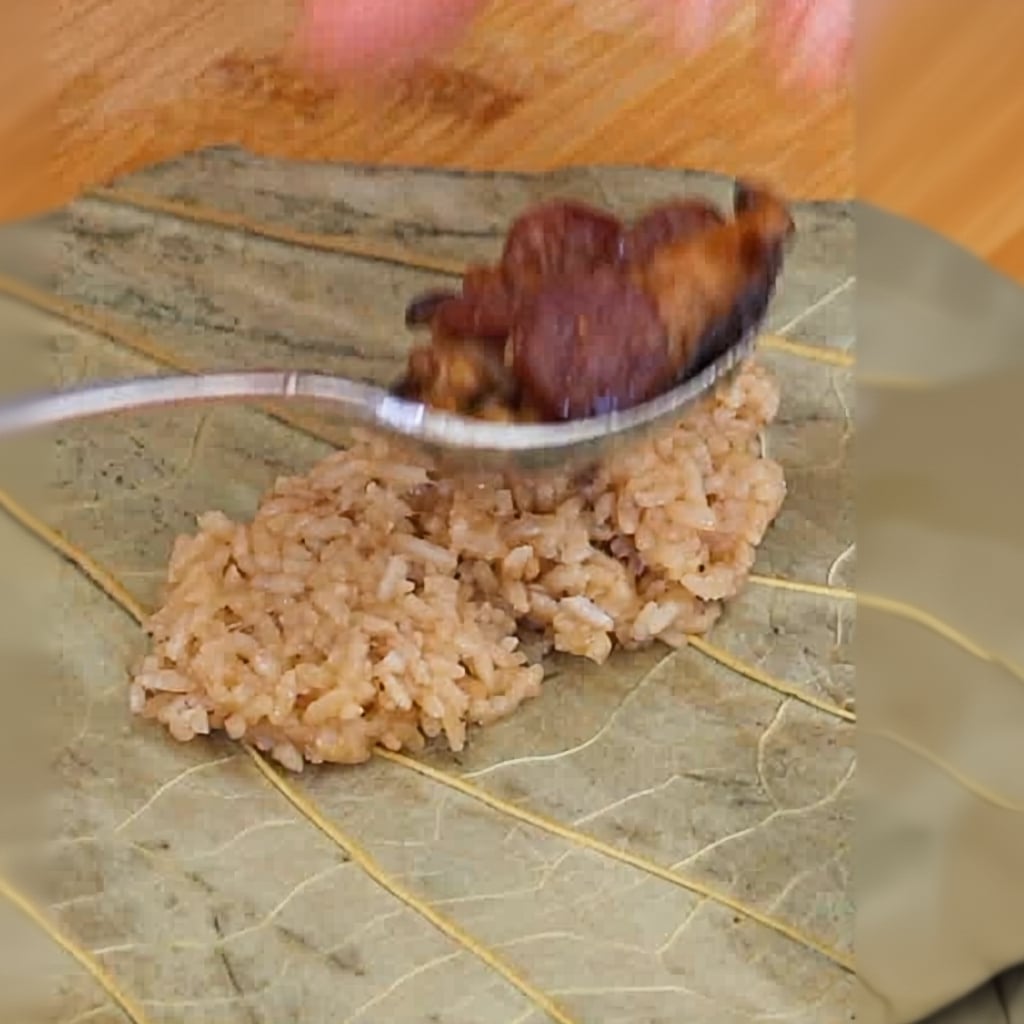
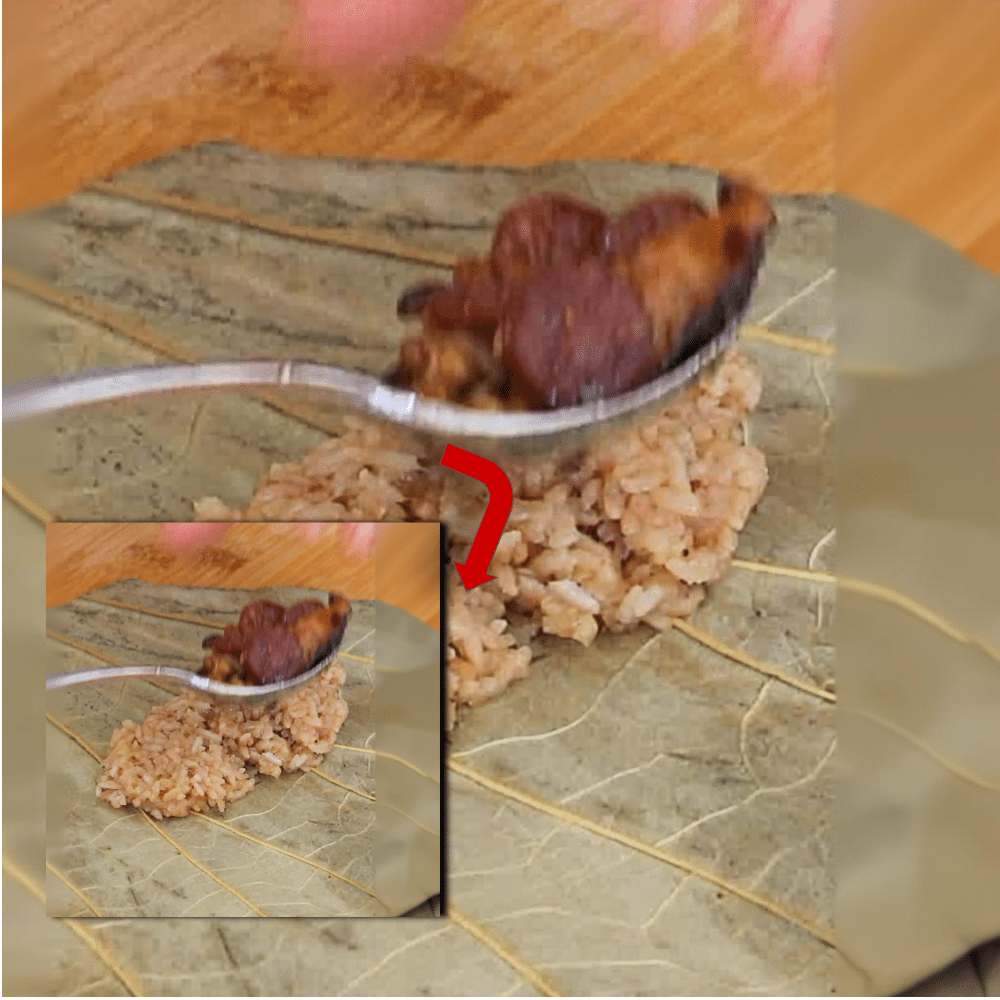
Lay a large, rehydrated lotus leaf (or two smaller ones slightly overlapping) on a clean surface with the shinier side up.
- Place about 1/2 to 3/4 cup of the seasoned Chicken Sticky Rice mixture in the center of the leaf, forming a small mound.
- Create a small indent in the center of the rice mound.
- Place a half salted egg yolk (if using) into the indent.
- Top with a little more rice mixture to cover the yolk and complete your filling.
- Carefully fold the lotus leaf sides over the rice (one side, then opposite, then remaining two) to create a neat, secure, rectangular parcel. It should be snug but allow room for expansion.
- Repeat for all remaining parcels. You’re mastering how to wrap Lo Mai Gai!
Step 6: Steaming to Perfection
Set up your steamer – a bamboo steamer or metal steamer works perfectly. Place the wrapped Chicken Sticky Rice parcels in the steamer basket, ensuring there is a little space between each for steam to circulate. Bring a pot of water to a rolling boil, then place the steamer basket over the boiling water. Steam parcels over high heat for 1.5 to 2 hours. Time varies by parcel thickness and steamer efficiency. Rice should be translucent, fully tender, and chewy. Check water level occasionally, topping up with hot water if necessary. These are truly authentic bamboo steamer recipes.
Pro Tips for the Best Lo Mai Gai
- Don’t Skip the Soak: Reiterate that soaking the glutinous rice overnight (at least 8 hours) is non-negotiable for the correct soft, chewy, and tender texture. Shortcuts lead to hard, undercooked rice – the golden rule for how to cook glutinous rice.
- Taste and Adjust: Always taste your filling and seasoning sauce before combining with rice. It should taste slightly saltier, as flavors mellow once mixed with unsalted rice.
- Wrap Securely, Not Too Tight: The parcel should be snug but allow room for the savory sticky rice to expand. Overly tight wrapping can lead to uneven cooking.
- Don’t Crowd the Steamer: Ensure adequate space between each Chicken Sticky Rice parcel. Proper steam circulation is crucial for even cooking and tender perfection, applicable to all bamboo steamer recipes.
Storage, Freezing, and Reheating
Making a large batch of Lo Mai Gai is highly recommended; they freeze beautifully for quick snacks or meals.
- Storing: Cooled, cooked Chicken Sticky Rice parcels can be stored in an airtight container in the refrigerator for up to 4 days.
- Freezing: Once completely cooled, wrap individual parcels tightly in plastic wrap, then an additional layer of aluminum foil. Label and freeze for up to 3 months. This is perfect for enjoying homemade Lo Mai Gai anytime.
- Reheating: The best method for reheating is re-steaming. From frozen, steam for 35-40 minutes. From refrigerated, steam for 20-25 minutes. Ensure rice is heated through. Microwaving is quicker but can dry out rice; if using, remove from leaf, place in microwave-safe dish, cover, and heat in short bursts.
Frequently Asked Questions (FAQ)
What is the difference between Lo Mai Gai and Zongzi?
Lo Mai Gai is a Cantonese dim sum recipe, typically steamed and made with pre-seasoned, partially cooked glutinous rice wrapped in lotus leaves. Zongzi, on the other hand, are pyramid-shaped Chinese sticky rice dumplings usually made with raw, sometimes seasoned glutinous rice that are boiled or steamed for a significantly longer period. Zongzi are traditionally associated with the Dragon Boat Festival, while Lo Mai Gai is a staple of everyday yum cha.
Do I have to use lotus leaves? What are the alternatives?
While lotus leaves provide a unique, earthy aroma and aesthetic to Chicken Sticky Rice that is hard to replicate, they are not strictly mandatory. If you can’t find them, you can use banana leaves (which impart their own subtle fragrance), large squares of parchment paper, or aluminum foil. You can also simply steam the rice mixture in small, oiled ceramic bowls, though you’ll miss the distinct aroma and traditional presentation of sticky rice in lotus leaf. Understanding how to use lotus leaves is part of the authentic experience.
Why is my sticky rice hard or uncooked?
This common issue is usually due to two primary reasons: either the glutinous rice was not soaked long enough (at least 6 hours, but overnight is always best), or there wasn’t enough steam circulating in your steamer. Ensure your steamer has plenty of actively boiling water throughout the entire steaming process, and avoid overcrowding the steamer basket, allowing space for steam to freely penetrate each parcel of Chicken Sticky Rice.
Can I make Chicken Sticky Rice in an Instant Pot?
Yes, you can adapt this glutinous rice recipe for an Instant Pot! Assemble your parcels as usual. Place a trivet in the Instant Pot and add 1-1.5 cups of water to the bottom. Arrange the wrapped Lo Mai Gai parcels on the trivet, ensuring they don’t block the vent. Pressure cook on high for about 35-40 minutes, followed by a natural pressure release (NPR) of 10-15 minutes before manually releasing any remaining pressure. This offers a convenient way to enjoy your homemade Lo Mai Gai.
What to Serve with Chicken Sticky Rice
While Lo Mai Gai is a hearty meal, for a true dim sum experience, consider pairing it with other Cantonese classics. It complements delicate dishes like Siu Mai (steamed pork and shrimp dumplings) or Har Gow (crystal shrimp dumplings). To cut through the richness of the savory sticky rice, a pot of hot Chinese tea (jasmine, oolong, or pu-erh) is essential. These pairings create a harmonious balance, making your yum cha recipes complete and utterly delicious.
For more daily recipes and tips, follow us on Facebook!
Click here to join our community!