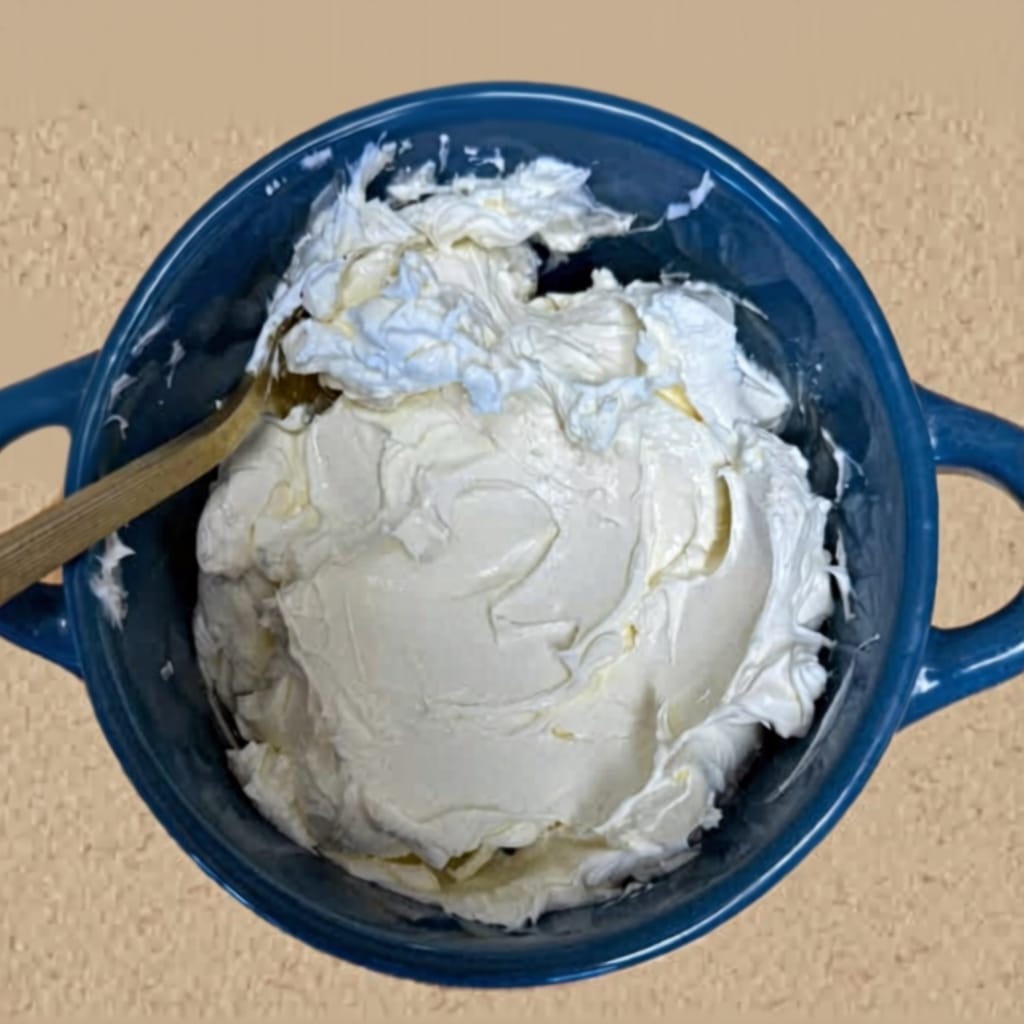
You Won’t Believe How Easy It Is to Make Cream Cheese at Home
Imagine a spread so fresh, so creamy, and so unbelievably delicious that it elevates every bite. What if we told you it’s not from a store shelf but from your very own kitchen? Stop buying tubs of cream cheese and start making your own! This article will guide you through an incredibly simple, 3-ingredient cream cheese recipe for the creamiest, freshest Homemade Cream Cheese you’ve ever tasted. Forget preservatives and additives; this is pure, tangy goodness. We’ll cover everything from the basic steps to expert tips, enticing flavor variations, and creative ways to use your delicious creation. Get ready to elevate your bagels, cheesecakes, and dips forever with this easy cheese recipe.
Why This Homemade Cream Cheese Recipe is a Game-Changer
Say goodbye to mystery ingredients and hello to a culinary revolution. Making cream cheese from scratch might sound daunting, but this method proves it’s anything but. Here’s why this DIY cream cheese recipe will change your kitchen game:
- Incredibly Simple: With just 3 common kitchen staples, this easy cream cheese recipe is foolproof and perfect for beginners looking to learn how to make cheese at home.
- Surprisingly Fast: You can have fresh, ready-to-chill cream cheese in under 30 minutes of active time, making it a truly quick cheese recipe.
- No Additives or Preservatives: You control the ingredients, meaning no strange gums or stabilizers—just pure, natural, preservative-free cream cheese.
- Cost-Effective: Making your own is often cheaper than buying high-quality cream cheese from the store, especially when you use a good whole milk recipe.
- Completely Customizable: The plain version is delicious, but it’s also a blank canvas for any sweet or savory flavors you can dream up, leading to endless flavored cream cheese recipes.
- Unbeatably Fresh & Creamy: The taste and texture of homemade are simply superior. It’s richer, smoother, and has a delightful tang, promising a truly creamy cheese recipe every time.
The 3 Simple Ingredients You’ll Need
At its core, making cheese is about separating milk solids (curds) from the liquid (whey). This process, known as coagulation, is incredibly simple with the right ingredients. Here’s what you’ll need for this fantastic cream cheese from scratch:
Milk: The Foundation of Your Cheese
- Whole Milk: This is the best choice for a rich, creamy, full-fat result. The higher fat content creates tender curds and a luxurious texture. We highly recommend using fresh, pasteurized whole milk. Avoid UHT (Ultra-High Temperature) milk, as its proteins have been altered and it won’t curdle properly, leading to disappointment when trying to form curds and whey.
Vinegar: The Curdling Agent
- Distilled White Vinegar: A simple, effective acid that causes the milk proteins to coagulate and form curds. This is key for making homemade cream cheese without rennet. You can also substitute it with an equal amount of fresh lemon juice for a slightly different, citrusy tang, making it an excellent homemade cream cheese with vinegar or homemade cream cheese with lemon juice.
Salt: The Flavor Enhancer
- Fine Sea Salt: Salt does more than just add flavor; it also helps to draw out a bit more whey and acts as a mild preservative. You can adjust the amount to your personal taste, enhancing the overall profile of your cream cheese from milk.
Essential Kitchen Tools
To achieve that signature smooth texture, a few basic tools are necessary. Don’t worry, most of these are likely already in your kitchen!
- Saucepan or Pot: A medium to large, heavy-bottomed pot to heat the milk evenly and prevent scorching.
- Spatula or Spoon: For gentle stirring, ensuring the milk heats uniformly.
- Cheesecloth: This is crucial for straining the whey from the curds efficiently. If you don’t have it, a nut milk bag, a clean, thin tea towel, or a few layers of coffee filters in a pinch can serve as a suitable cheesecloth substitute.
- Colander or Sieve: To hold the cheesecloth while you strain, making the separating curds and whey process mess-free.
- Food Processor or High-Speed Blender: This is the secret to achieving that ultra-smooth, whipped texture characteristic of commercial cream cheese. It transforms the granular curds into a luscious spread.
How to Make Homemade Cream Cheese: A Step-by-Step Guide
Follow these detailed steps for perfect, creamy results every time. This is truly a simple cheese making process that anyone can master.
Step 1: Heat the Milk
In a medium saucepan, pour in 4 cups of whole milk. Heat it over medium heat, stirring occasionally to prevent it from scorching on the bottom. Bring the milk to a rolling boil. Keep a close eye on it to avoid boiling over.
Step 2: Curdle the Milk
As soon as the milk reaches a rolling boil, reduce the heat to low. Immediately pour in 2 tablespoons of vinegar while stirring gently. You will see the magic happen almost instantly—the milk will begin to separate into solid white curds and a thin, yellowish liquid (whey). This is the beautiful process of the acid reacting with the milk proteins, demonstrating how to make cream cheese effectively.
Step 3: Strain the Curds
Remove the pot from the heat. Line a colander with a few layers of cheesecloth and place it over a large bowl. Carefully pour the curd and whey mixture into the cheesecloth-lined colander. The whey will drain into the bowl below. Don’t throw it out! This nutritious liquid can be used in baking, smoothies, or even as a base for soups, giving you a great answer to what to do with milk curds (or rather, the leftover whey!).
Step 4: Squeeze Out Excess Liquid
Allow the curds to drain for a few minutes. Then, gather the corners of the cheesecloth and gently twist and squeeze to press out as much excess whey as possible. The more whey you remove, the thicker and firmer your final homemade cream cheese will be. This step is critical for achieving a good consistency.
Step 5: Blend to Creamy Perfection
Transfer the ball of curds from the cheesecloth into the bowl of a food processor or a high-speed blender. Add the ¼ teaspoon of salt. Blend on high for 2-4 minutes, scraping down the sides as needed, until the mixture is completely smooth and creamy. If it seems too thick, you can add a teaspoon of the reserved whey or a splash of fresh milk or cream to reach your desired consistency. This blending action is key to transforming the curds into a smooth spread, preventing a grainy cream cheese texture.
Step 6: Chill and Serve
Transfer the cream cheese to an airtight container and refrigerate for at least 30 minutes to an hour. This allows it to firm up and the flavors to meld beautifully. Once chilled, your fresh, DIY cream cheese is ready to enjoy!
Pro Tips for the Best Texture & Flavor
Achieving that perfect store-bought texture at home is simple with these expert insights. Pay attention to these details for an unbeatably smooth and flavorful result.
- Don’t Use UHT Milk: Ultra-pasteurized (UHT) milk undergoes extreme heat treatment that denatures its proteins, making it unsuitable for curdling. Always check the carton for standard pasteurized milk for the best results when making cream cheese from milk.
- Strain Thoroughly: The key to thick, spreadable cream cheese is removing enough whey. Be patient during step 4 and give it a good, firm squeeze. For an even denser, block-style consistency akin to a firmer cheese, you can let it hang and drain for an hour or two longer.
- Blend, Blend, Blend: Don’t skimp on the blending time. It can take a few minutes for the grainy curds to transform into a silky-smooth spread. If you’re wondering, “why is my cream cheese grainy?” the answer often lies in insufficient blending. Patience here yields perfection!
- Adjusting Consistency: If your homemade cream cheese is too thick, blend in a tiny bit of milk, heavy cream, or the reserved whey, one teaspoon at a time, until you reach your ideal spreadable texture. If it’s too thin, you may not have squeezed out enough whey; you can try restraining it through the cheesecloth.
- Start with Less Salt: You can always add more salt, but you can’t take it away. Start with the recommended amount, taste, and adjust if needed.
Endless Flavor Variations
Once you have your plain homemade cream cheese base, the possibilities for customization are endless! Simply stir in your desired mix-ins after blending and before chilling.
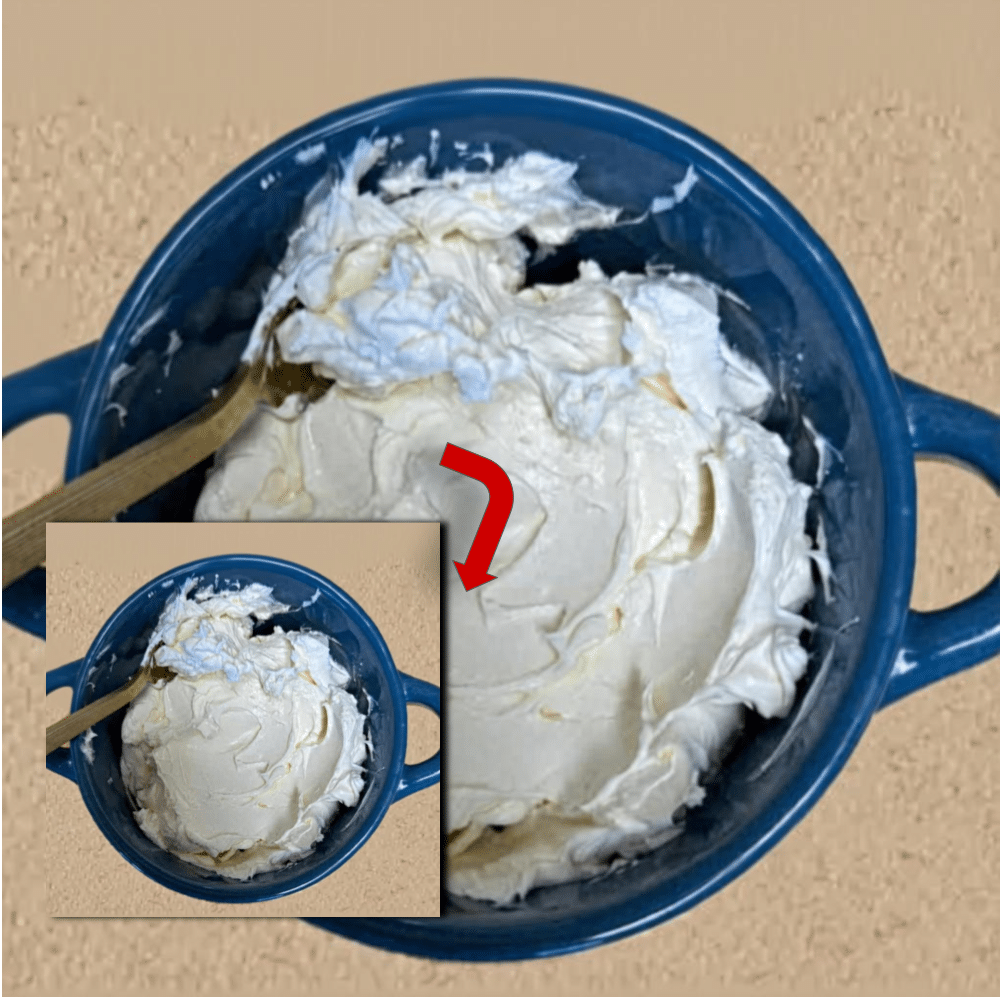
Savory Cream Cheese Spreads
These variations are perfect for bagels, sandwiches, or as a dip for veggies and crackers.
- Garlic & Herb: Mix in 1 minced garlic clove, 1 tablespoon of fresh chopped chives, and 1 tablespoon of fresh chopped dill. A perfect savory cream cheese spread.
- Everything Bagel: Stir in 1-2 tablespoons of everything bagel seasoning for that popular bakery flavor.
- Spicy Jalapeño: Add 1 finely diced jalapeño (seeds removed for less heat) and a pinch of chili powder for a kick.
- Chive and Onion: Mix in 2 tablespoons of fresh chopped chives and ½ teaspoon of onion powder.
Sweet Cream Cheese Spreads
Ideal for toast, fruit, or as a lighter dessert topping.
- Strawberry: Blend in ¼ cup of mashed fresh strawberries and 1 tablespoon of powdered sugar or maple syrup. A delightful sweet cream cheese spread.
- Cinnamon Honey Walnut: Stir in 1 tablespoon of honey, ½ teaspoon of cinnamon, and ¼ cup of chopped walnuts.
- Blueberry Lemon: Mix in a spoonful of blueberry jam and ½ teaspoon of lemon zest for a bright, fruity option.
Creative Ways to Use Your Homemade Cream Cheese
Your freshly made cream cheese isn’t just for bagels anymore. Its rich, tangy flavor and creamy texture make it incredibly versatile in a multitude of culinary applications.
- The Obvious & Essential: Spread it generously on warm, toasted cream cheese for bagels, toast, or crackers.
- Creamy Frosting: Use it as the base for a classic cream cheese frosting for carrot cake, red velvet cupcakes, or cinnamon rolls. Its freshness shines through!
- Decadent Dips: Mix with herbs and spices for a simple veggie dip, or use it as the rich base for a creamy spinach artichoke dip or a flavorful crab dip.
- Enrich Sauces: Stir a spoonful into pasta sauces (like vodka sauce), creamy tomato soups, or pan sauces for chicken for instant creaminess and a subtle tang.
- Stuffed Dishes: It’s a fantastic filling! Use it for stuffed chicken breasts, savory jalapeño poppers, or herbed stuffed mushrooms.
- No-Bake Cheesecake: It’s perfect for creating simple and delicious no-bake cream cheese for cheesecake recipes, offering a lighter yet equally satisfying dessert. This can even serve as an interesting comparison point to homemade mascarpone vs cream cheese, as both are delicious in cheesecakes, but offer different fat contents and tangy notes.
Storage Instructions
Store your fresh homemade cream cheese in an airtight container in the refrigerator. Because it contains no artificial preservatives, its shelf life is shorter than store-bought varieties. It will stay wonderfully fresh and delicious for up to one week. This is an important consideration for storing homemade cream cheese.
Can you freeze homemade cream cheese? Yes, but be aware that the texture will change. Upon thawing, it tends to become more crumbly and may release some liquid. While safe to eat, it’s best used in cooked or baked applications like sauces, casseroles, or frostings after being frozen, rather than as a fresh spread for bagels.
Frequently Asked Questions (FAQ)
Can I make cream cheese without a food processor?
Yes, you can use a high-speed blender. If you don’t have either, you can use a hand mixer or even a fork and some serious elbow grease to mash and whip the curds. The result may be less silky-smooth and more rustic, but it will still be delicious and perfectly usable.
What can I use instead of cheesecloth?
A clean, thin kitchen towel (avoid thick terrycloth), a dedicated nut milk bag, or several layers of sturdy paper towels placed inside a sieve will also work effectively to strain the curds and whey. The goal is simply to allow the liquid to drain while retaining the solids.
Why didn’t my milk curdle?
The most common reason is using UHT (Ultra-High Temperature) or ultra-pasteurized milk. The extreme heat process denatures the proteins, preventing them from coagulating properly. Always use standard pasteurized milk for successful curdling when making cream cheese from milk.
Is homemade cream cheese cheaper than store-bought?
It often is, especially if you can find whole milk on sale. A half-gallon (about 8 cups) of whole milk typically yields about 1.5 to 2 cups of homemade cream cheese, which is usually more cost-effective than buying two 8-ounce tubs of premium, preservative-free cream cheese from the store.
Can I use 2% or skim milk?
You can, but the yield will be significantly lower, and the final product will be less rich and creamy due to the reduced fat content. For the best taste and luxurious texture, whole milk is highly recommended for this creamy cheese recipe.
How is this different from homemade ricotta or paneer?
The initial process of curdling milk with an acid is very similar to making ricotta or paneer. The main difference lies in the final step. For ricotta or paneer, the curds are typically just drained and often pressed. For homemade cream cheese, the drained curds are blended with salt until they become a smooth, airy, and spreadable consistency, which is unique to cream cheese.
Conclusion: Your New Favorite DIY Recipe
Making your own Homemade Cream Cheese is a simple, rewarding kitchen project that yields a product far superior to anything you can buy. With just milk, vinegar, and salt, you can create a fresh, creamy, and versatile spread that’s perfect for countless recipes. This easy cream cheese recipe not only tastes incredible but gives you complete control over what goes into your food. Give it a try—you’ll be amazed at the results and will think twice before ever buying a plastic tub again!
“`
For more daily recipes and tips, follow us on Facebook!
Click here to join our community!