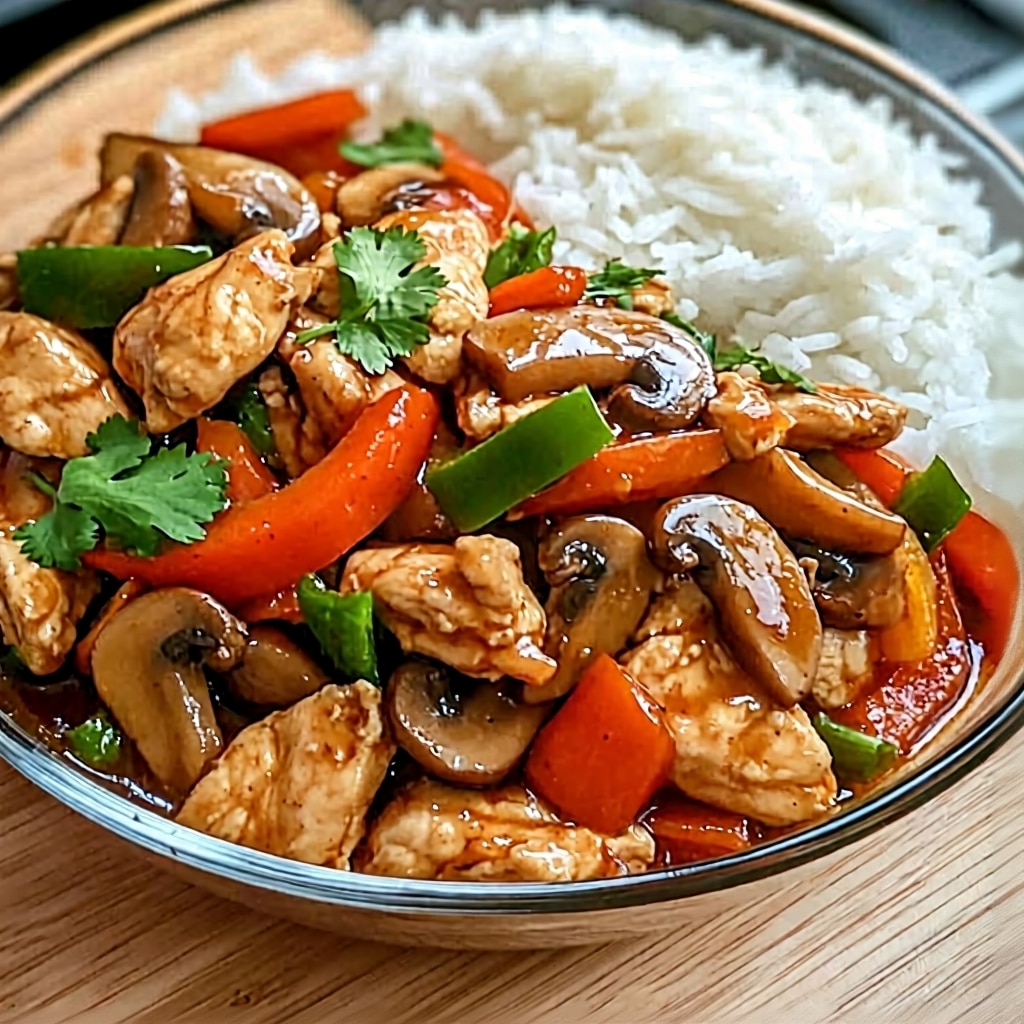
The Only Chicken Stir-Fry Recipe You’ll Ever Need
Imagine the satisfying sizzle as vibrant, crisp vegetables meet a searing hot pan, the irresistible aroma of garlic and ginger filling your kitchen, and perfectly tender chicken absorbing a rich, savory sauce. This isn’t just a fantasy; it’s the reality of a truly spectacular Chicken Stir-Fry with Veggies. For busy weeknights, this dish is an absolute lifesaver – it’s incredibly fast, bursting with flavor, remarkably versatile, and packed with essential nutrients.
Forget bland, soggy takeout. Our mission today is to equip you with the ultimate, foolproof recipe for the perfect Chicken Stir-Fry with Veggies. We’ll share expert tips and a game-changing technique to guarantee a restaurant-quality meal every single time, making this your new go-to homemade stir-fry.
Why This Recipe Works (And Why You’ll Love It!)
This isn’t just another stir-fry recipe; it’s the culmination of years of kitchen testing, designed to deliver maximum flavor and texture with minimal effort. Here’s why this easy chicken stir-fry recipe will quickly become a family favorite:
- Incredibly Fast: From prep to plate in under 30 minutes, making it the ideal quick weeknight dinner for busy schedules.
- Perfectly Balanced Sauce: Our unique formulation delivers a savory, sweet, and tangy sauce that beautifully coats every single ingredient. This is truly the best stir-fry sauce recipe you’ll encounter.
- Tender, Juicy Chicken: Say goodbye to dry, chewy chicken. Our secret velveting technique ensures your chicken is unbelievably moist and tender, a hallmark of a great tender chicken breast recipe.
- Crisp-Tender Veggies: We share crucial tips to achieve that perfect bite – vegetables that are cooked through but still retain a satisfying crunch, ensuring crispy vegetables stir-fry every time.
- Completely Customizable: Easily adapt this recipe to whatever you have on hand, making it a truly versatile colorful vegetable stir-fry.
- Healthier Than Takeout: By controlling the ingredients, you get a delicious, healthy chicken and vegetable stir-fry without excess sodium or unhealthy oils.
Essential Ingredients for the Perfect Stir-Fry
Every great dish starts with quality ingredients. For this fantastic Chicken Stir-Fry with Veggies, we focus on fresh produce and key pantry staples that bring out the best in every bite.
For the Chicken
- Chicken Breast or Thighs: We often opt for boneless, skinless chicken breast for a lean protein, but thighs offer more flavor and are more forgiving if you’re worried about overcooking. Slice them into uniform, bite-sized pieces for even cooking.
- Cornstarch: This is the magic ingredient for the velveting chicken for stir-fry technique, creating a protective coating that locks in moisture and helps thicken the sauce.
- Soy Sauce & Sesame Oil: Used for the initial chicken stir-fry marinade, providing a fundamental layer of savory, umami flavor.
For the Vibrant Veggies
The beauty of a stir-fry is its endless possibilities, but these are our go-to choices for a balanced and colorful vegetable stir-fry:
- Broccoli Florets: A classic for a reason, absorbing the sauce beautifully. Ideal for chicken and broccoli stir-fry.
- Bell Peppers (Multiple Colors): Red, yellow, or orange peppers add sweetness, vibrant color, and a satisfying crunch.
- Carrots: Sliced thinly into coins or matchsticks, they add natural sweetness and crunch, cooking quickly.
- Mushrooms: Sliced cremini or shiitake add an earthy, umami depth that complements the chicken and sauce.
- Snap Peas or Snow Peas: For a burst of freshness and a delightful crisp texture, added towards the end.
- Onion & Garlic: The aromatic foundation, building a rich base flavor for the entire dish.
- Fresh Ginger: Adds a warm, zesty, and slightly pungent spice that is quintessential to any Asian-inspired chicken recipe.
For the Irresistible Stir-Fry Sauce
This sauce is the heart of our Chicken Stir-Fry with Veggies, a perfectly balanced symphony of flavors:
- Low-Sodium Soy Sauce: The savory, umami backbone of the sauce. For a gluten-free stir-fry sauce, simply use tamari.
- Rice Vinegar: Provides a crucial touch of acidity to brighten and balance the rich flavors.
- Honey or Maple Syrup: Adds a hint of natural sweetness to contrast the saltiness of the soy sauce.
- Toasted Sesame Oil: Drizzled in at the very end, its unique, nutty aroma elevates the dish to another level.
- Cornstarch: A small amount is mixed with liquid to create a slurry that thickens the sauce to a perfect, glossy consistency.
- Chicken Broth or Water: The liquid base that brings the sauce ingredients together.
Step-by-Step Guide: How to Make Chicken Stir-Fry with Veggies
Follow these steps closely for a truly fantastic Chicken Stir-Fry with Veggies. Precision in stir-frying ensures success!
Step 1: Prep is Key (Mise en Place)
Before you even turn on the heat, have all your ingredients chopped, sliced, and ready to go. Stir-frying is a rapid cooking process, and you won’t have time to chop mid-cook. Slice your chicken into uniform 1-inch pieces and chop all vegetables to a similar, bite-sized dimension for even cooking.
Step 2: Velvet the Chicken
This is where the magic happens! In a medium bowl, combine the sliced chicken with 1 tablespoon of cornstarch, 1 tablespoon of soy sauce, and a teaspoon of sesame oil. Toss well until the chicken is evenly coated. This simple yet game-changing technique creates a protective barrier, ensuring your chicken stays incredibly moist and tender. This is a must for any tender chicken breast recipe.
Step 3: Whisk Together the Sauce
In a small bowl, whisk together the low-sodium soy sauce, rice vinegar, honey/maple syrup, 1 tablespoon of cornstarch, and chicken broth/water until completely smooth and the cornstarch is dissolved. Set this savory garlic ginger sauce aside.
Step 4: Cook the Chicken
Heat 1 tablespoon of high-smoke point oil (like avocado or peanut oil) in a wok or large skillet over high heat until shimmering. Add the velveted chicken in a single layer, ensuring not to overcrowd the pan. Cook for 2-3 minutes per side until golden brown and cooked through. Remove the chicken from the pan and set it aside on a clean plate.
Step 5: Stir-Fry the Aromatics and Veggies
Add another tablespoon of oil to the same hot pan if needed. Add the minced garlic and grated ginger and stir-fry for 30 seconds until fragrant. Next, add the harder vegetables first: broccoli and carrots. Stir-fry for 2-3 minutes. Then, add the bell peppers, mushrooms, and onions, continuing to stir-fry for another 2-3 minutes until the vegetables are vibrant and crisp-tender. Return the cooked chicken to the pan.
Give your prepared sauce a quick re-whisk and pour it over the chicken and vegetables. Stir constantly for 1-2 minutes until the sauce thickens and coats everything beautifully. Remove from heat, stir in a drizzle of toasted sesame oil, and serve immediately. Congratulations, you’ve mastered how to make chicken stir-fry!
The Secret to the Perfect Stir-Fry Sauce
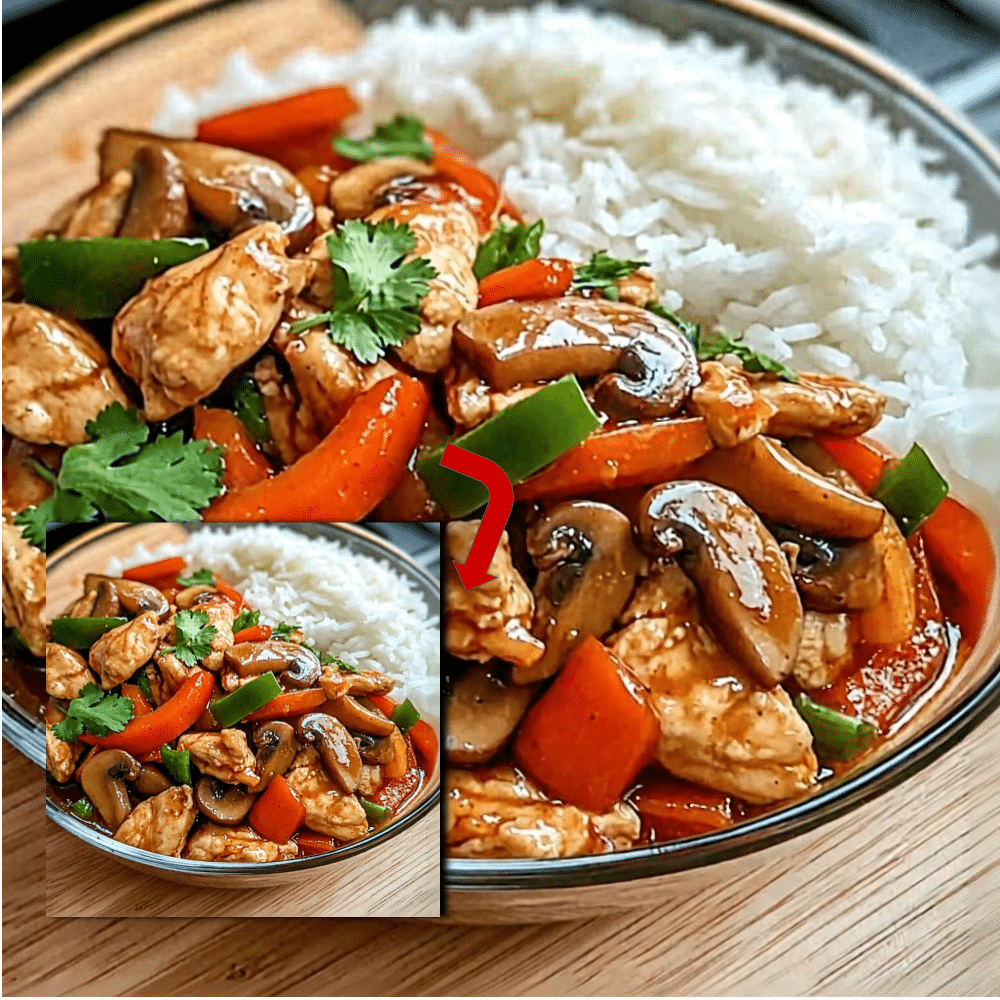
A truly great stir-fry hinges on its sauce. Our best stir-fry sauce recipe is built on a harmonious “flavor triangle”: savory (from soy sauce), sweet (from honey/maple syrup), and acidic (from rice vinegar). This balance prevents the sauce from being one-note, creating a dynamic taste profile that makes you crave more.
Don’t be afraid to adjust these components to your personal taste. A splash more vinegar can brighten it, a touch more honey can mellow it, and a dash of sriracha can introduce a delightful heat. For deeper umami, consider a tiny splash of oyster sauce, or a pinch of white pepper for an authentic touch. The cornstarch is crucial here, not just for thickening, but for creating that signature glossy sheen that makes every piece of chicken and vegetable glisten.
Expert Tips for Stir-Fry Success
Achieving restaurant-quality results at home is easier than you think with these key insights for your homemade stir-fry:
- Use High Heat: This is non-negotiable for a proper stir-fry. High heat ensures your ingredients sear and caramelize rather than steam, giving you that desirable “wok hei” flavor and preventing soggy vegetables.
- Don’t Overcrowd the Pan: This is a common pitfall. Too many ingredients will lower the pan’s temperature, leading to steaming instead of stir-frying. If necessary, cook your chicken and vegetables in batches, ensuring everything has space to sear.
- The Right Oil: Opt for an oil with a high smoke point. Avocado, canola, peanut, or grapeseed oil are excellent choices. Avoid extra virgin olive oil, which can burn and impart an off-flavor at high temperatures.
- Keep Things Moving: “Stir-fry” isn’t just a name; it’s an instruction! Keep your ingredients moving constantly in the pan to promote even cooking and prevent burning.
- Add the Sauce Last: Only add the prepared sauce once your proteins and vegetables are cooked to your liking. Cook just until the sauce thickens and coats everything – this prevents the sauce from burning onto the pan and ensures a fresh, vibrant flavor.
Customizations and Variations
The beauty of a Chicken Stir-Fry with Veggies is its adaptability. Here are some ideas to make this dish uniquely yours, turning it into a truly customizable meal prep stir-fry:
- Protein Swaps: Not a chicken fan? Easily substitute with shrimp, thinly sliced beef (flank or sirloin), pork loin, or even firm tofu for a vegetarian option.
- Vegetable Add-ins: Expand your colorful vegetable stir-fry with bok choy, zucchini, water chestnuts, baby corn, asparagus, or edamame. Feel free to mix and match based on seasonality and preference.
- Make it Spicy: For a fiery kick, add a pinch of red pepper flakes with the aromatics, a dash of sriracha to the sauce, or some fresh sliced chili.
- Go Gluten-Free: Simply swap out regular soy sauce for tamari or a certified gluten-free soy sauce to make a delicious gluten-free stir-fry sauce.
- Make it Low-Carb/Keto: Serve your Chicken Stir-Fry with Veggies over cauliflower rice and use a sugar-free sweetener in place of honey/maple syrup in the sauce for a tasty low-carb chicken stir-fry option.
What to Serve with Your Stir-Fry
A delicious Chicken Stir-Fry with Veggies is a complete meal on its own, but it pairs wonderfully with these accompaniments:
- Steamed Jasmine or Basmati Rice: The classic choice for soaking up all that incredible savory garlic ginger sauce.
- Brown Rice or Quinoa: For a whole-grain alternative.
- Rice Noodles or Lo Mein Noodles: Turn it into a heartier stir-fry with noodles.
- Cauliflower Rice: An excellent low-carb chicken stir-fry pairing.
- Enjoy it on its own for a light, healthy chicken and vegetable stir-fry meal.
Storage and Meal Prep Instructions
This Chicken Stir-Fry with Veggies is fantastic for leftovers and meal prep stir-fry!
- Storage: Allow the stir-fry to cool completely before transferring it to an airtight container. It will keep beautifully in the refrigerator for up to 3-4 days.
- Reheating: For best results, reheat on the stovetop over medium heat until warmed through, adding a splash of water or broth if it seems dry. You can also microwave it, though the texture of the vegetables might soften slightly.
- Meal Prep: You can prep components ahead of time. Chop all your vegetables, slice and velvet your chicken, and whisk together your sauce up to a day in advance. Store each component separately in airtight containers in the fridge. When dinner time rolls around, simply follow the cooking steps for an even faster 30-minute meal.
Frequently Asked Questions (FAQ)
How do you keep chicken tender in a stir-fry?
The key to tender chicken in a stir-fry is the velveting technique. Toss bite-sized chicken pieces in a mixture of cornstarch, soy sauce, and a little sesame oil before cooking. This creates a protective layer that locks in moisture. Additionally, avoid overcooking the chicken; cook it quickly over high heat until just done, then remove it from the pan before adding the vegetables.
What vegetables go well in a chicken stir-fry?
A wide variety of vegetables work wonderfully! Popular choices for a colorful vegetable stir-fry include broccoli, bell peppers (red, yellow, orange), carrots, mushrooms, snap peas, snow peas, onions, and asparagus. Other great options are bok choy, zucchini, baby corn, water chestnuts, bamboo shoots, and green beans. Choose a mix of textures and colors for the best result.
Should you cook chicken or vegetables first in a stir-fry?
Generally, you should cook the protein (chicken) first. Cook it in batches if necessary to avoid overcrowding, then remove it from the pan and set it aside. Next, stir-fry your aromatics (garlic, ginger), followed by the vegetables. Finally, return the cooked chicken to the pan along with the sauce to combine everything and let the flavors meld. This ensures both components cook perfectly.
How do you keep stir-fry vegetables from getting soggy?
To ensure crispy vegetables stir-fry, use high heat and avoid overcrowding the pan. Cook vegetables in batches if your pan isn’t large enough. Add harder vegetables (like broccoli and carrots) first, then quicker-cooking ones (like bell peppers and snap peas). Stir frequently, and cook only until crisp-tender, not soft. Also, add the sauce at the very end to prevent it from steaming the vegetables.
How do you thicken a stir-fry sauce?
The easiest and most effective way to thicken a stir-fry sauce is by using a cornstarch slurry. Whisk 1 tablespoon of cornstarch with 2 tablespoons of cold water or broth until smooth. Once your chicken and vegetables are cooked, add the sauce mixture (which already contains cornstarch) to the pan, stirring constantly over medium-high heat. The sauce will visibly thicken in about 1-2 minutes.
The Best Chicken Stir-Fry with Veggies Recipe
Ready to make this incredible dish yourself? Our detailed recipe card below has all the precise measurements and instructions to create this perfect one-pan chicken and veggies meal that’s sure to impress!
“`
For more daily recipes and tips, follow us on Facebook!
Click here to join our community!