
The weeknight dinner dilemma is real. You’ve had a long day, the fridge looks daunting, and that familiar takeout craving starts to rumble. We’ve all been there: dreaming of savory noodles, tender beef, and crisp-tender veggies, all coated in an irresistible sauce. But what if we told you that restaurant-quality satisfaction is not only achievable at home, but also faster, fresher, and more delicious than any delivery? Get ready to ditch the menus because your new favorite is here: the ultimate Beef Lo Mein Stir-Fry.
This isn’t just any stir-fry recipe; it’s a meticulously crafted guide to unlocking incredible flavors and textures right in your kitchen. We’ll unveil the secret to achieving truly tender beef stir-fry, perfect the balance of an umami-rich lo mein sauce recipe, and guide you through creating a vibrant dish that will make you wonder why you ever ordered in. Prepare for perfectly cooked lo mein noodles, succulent beef, and a medley of fresh ingredients, all harmonizing in a symphony of flavors. This easy beef lo mein recipe is about to become your quick weeknight lo mein hero.
Why This Beef Lo Mein Recipe is a Game-Changer
Forget everything you thought about making Chinese beef noodle stir-fry at home. This specific recipe for homemade beef lo mein isn’t just a meal; it’s an experience designed to elevate your weeknight cooking.
- Better Than Takeout: Take control of your plate! Our recipe lets you use fresh, high-quality ingredients, manage sodium levels, and ensure every bite is bursting with flavor, not grease. Say goodbye to soggy noodles and tough beef, and hello to a truly authentic beef lo mein stir-fry that tastes better than takeout lo mein.
- Incredibly Fast: Designed with busy lives in mind, this dish can be on your table in about 30 minutes from start to finish. It’s the quintessential quick weeknight lo mein solution.
- The Secret to Tender Beef: We’ll introduce you to the transformative technique of “velveting beef.” This simple yet powerful step guarantees incredibly tender, melt-in-your-mouth beef every single time, making for the best beef for lo mein.
- Perfectly Balanced Sauce: Our lo mein sauce recipe strikes the ideal balance of savory, sweet, and umami. It’s not overly salty or cloyingly sweet, but a rich, glossy coating that clings beautifully to every strand of noodle and piece of beef.
- Completely Customizable: This recipe is a fantastic canvas for your culinary creativity. It’s a perfect way to use up those lingering vegetables in your fridge, easily adapting to your dietary needs or preferences, making it a healthy beef lo mein option with plenty of vegetables.
The Essential Ingredients for Authentic Lo Mein
Crafting exceptional Beef Lo Mein Stir-Fry starts with understanding the role of each ingredient. Here’s a breakdown of what you’ll need to create this flavor masterpiece.
For the Tender Beef & Marinade
- Beef: For the best beef for lo mein, opt for flank steak, sirloin, or skirt steak. These cuts are packed with flavor and, when sliced thinly against the grain, become incredibly tender, especially with our velveting technique.
- Cornstarch: This is the magic ingredient for velveting. It creates a protective coating on the beef, locking in moisture and ensuring a silky, tender texture.
- Soy Sauce (Light/All-Purpose): Provides the foundational savory and salty notes for the marinade.
- Shaoxing Wine (or Dry Sherry): A staple in Chinese cooking, it adds an authentic depth of flavor. If unavailable, dry sherry or even beef broth can be used as a non-alcoholic substitute.
For the Perfect Lo Mein Sauce
The sauce is the soul of your stir-fried beef noodles. Whisking these ingredients together creates that signature savory, umami-rich coating.
- Light Soy Sauce: Forms the primary salty and savory base.
- Dark Soy Sauce: Essential for a rich, appealing color and a subtle hint of molasses-like sweetness.
- Oyster Sauce: This is your umami powerhouse. Made from oyster extracts, it provides a complex savory depth that is hard to replicate. Choose a good quality brand for the best results.
- Toasted Sesame Oil: Added at the end, it imparts a wonderfully nutty aroma and flavor.
- Beef Broth: Adds liquid volume to the sauce and reinforces that beefy flavor profile.
- Sugar or Brown Sugar: Balances the saltiness of the soy and oyster sauces.
- White Pepper: Offers a distinct, authentic, and slightly floral heat, different from black pepper.
For the Stir-Fry Foundation
- Lo Mein Noodles: Look for fresh or dried Chinese egg noodles specifically labeled “lo mein noodles.” Fresh noodles are preferred for their texture. Cook them al dente according to package directions.
- Aromatics: Fresh garlic and ginger are non-negotiable. Minced or grated, they provide the fragrant backbone of any good stir-fry.
- Vegetables: A colorful array adds crunch, nutrition, and visual appeal. Classic choices include broccoli florets (making it a delicious beef and broccoli lo mein), sliced carrots, bell peppers, snap peas, bok choy, and mushrooms. Don’t forget fresh scallions for garnish!
- Cooking Oil: A neutral, high-smoke-point oil like avocado, canola, or vegetable oil is essential for high-heat stir-frying.
Step-by-Step Instructions: How to Make Beef Lo Mein Stir-Fry
Ready to create magic? Follow these clear steps to master your homemade beef lo mein.
Step 1: Prepare the Ingredients (Mise en Place)
Stir-frying moves quickly, so having everything prepped and ready is key to success.
- Slice the Beef: Take your chosen beef cut (like flank steak) and slice it very thinly, about ¼-inch thick, against the grain. To identify the grain, look for the visible muscle fibers running in one direction; slice perpendicular to them. This shortens the fibers, ensuring a tender bite.
- Marinate the Beef (Velveting): In a medium bowl, combine the sliced beef with 1 tablespoon of cornstarch, 1 tablespoon of soy sauce, and 1 tablespoon of Shaoxing wine. Mix well with your hands to ensure every piece is coated. Let it marinate for at least 15 minutes at room temperature, or up to 30 minutes in the fridge for deeper flavor. This is the secret to a truly tender beef stir-fry recipe.
- Whisk the Sauce: In a small bowl, whisk together the light soy sauce, dark soy sauce, oyster sauce, beef broth, sugar, and white pepper. Set aside.
- Chop the Vegetables: Prepare all your vegetables. Slice carrots thinly, cut broccoli into small florets, julienne bell peppers, and mince the garlic and ginger. Chop scallions, separating the white and green parts.
- Cook the Noodles: Bring a large pot of salted water to a boil. Add the lo mein noodles and cook according to package directions until just al dente – they should still have a slight bite. Drain immediately and rinse thoroughly with cold water to stop the cooking process and prevent sticking. Toss with a teaspoon of toasted sesame oil to keep them separated.
Step 2: Sear the Beef
High heat is crucial here for a beautiful sear.
- Heat your wok or a large, heavy-bottomed skillet over high heat until it’s smoking slightly. Add 1 tablespoon of cooking oil.
- Add the marinated beef in a single layer. Do not crowd the pan; cook in 2-3 batches if necessary to ensure searing, not steaming.
- Sear for 1-2 minutes per side until beautifully browned but still slightly pink in the center. Remove the beef from the wok and set it aside.
Step 3: Stir-Fry the Aromatics and Vegetables
Build layers of flavor with your fresh produce.
- Add another teaspoon of oil to the hot wok if needed.
- Add the minced ginger and garlic. Stir-fry rapidly for about 30 seconds until fragrant, being careful not to burn them.
- Add the harder vegetables first, such as carrots and broccoli florets. Stir-fry for 2-3 minutes until they start to soften but retain their crispness.
- Next, add the softer vegetables, like bell peppers and snap peas (and the white parts of the scallions). Continue to stir-fry for another 1-2 minutes until all vegetables are crisp-tender and vibrant.
Step 4: Combine and Finish
The grand finale! Bring it all together for your irresistible Beef Lo Mein Stir-Fry.
- Return the seared beef to the wok with the vegetables.
- Add the cooked and drained lo mein noodles to the wok.
- Give your prepared lo mein sauce recipe a quick whisk again, then pour it evenly over the beef, noodles, and vegetables.
- Toss continuously and vigorously using tongs or two spatulas for 1-2 minutes. The sauce will thicken slightly and beautifully coat every strand of noodle and every piece of beef and vegetable.
- Turn off the heat. Stir in the green parts of the scallions and the toasted sesame oil. Serve immediately.
Pro Tips for Restaurant-Quality Lo Mein
Achieving that perfect “better than takeout lo mein” status requires a few insider tricks:
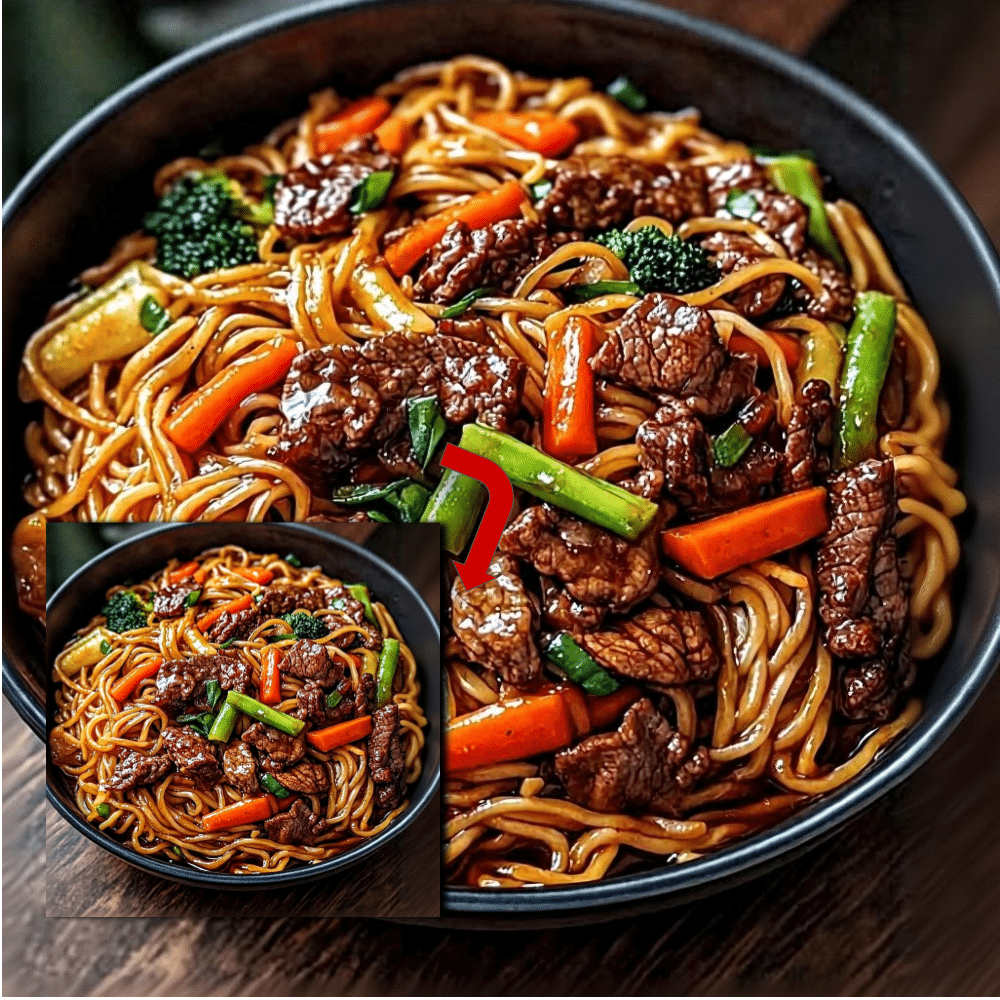
- High Heat is Your Friend: A blazing hot wok or skillet is crucial for stir-frying. It creates the smoky, caramelized “wok hei” flavor and ensures your ingredients sear quickly rather than steam, preventing a soggy dish.
- Don’t Crowd the Pan: This is paramount! Overloading your pan drastically lowers the temperature, steaming your ingredients instead of stir-frying them. Cook beef and even large quantities of vegetables in batches if necessary.
- Master the Velveting Technique: Reiterate this! The cornstarch marinade is the absolute key to preventing tough beef and ensuring a silky, tender texture every single time in your beef lo mein stir-fry.
- Prep Everything First (Mise en Place): Stir-frying is a dance of speed and precision. Have all your ingredients sliced, sauces whisked, and noodles cooked before you even turn on the heat. Once you start, there’s no time to chop!
- Noodle Management: Cook your lo mein noodles until *just* al dente. They will continue to cook slightly in the wok. Rinsing with cold water immediately after draining stops the cooking and removes excess starch, preventing them from clumping.
Variations and Customizations
This easy beef lo mein recipe is incredibly versatile. Don’t be afraid to make it your own!
- Protein Swaps: Instead of beef, try chicken, pork, or shrimp. For a vegetarian option, use fried tofu or tempeh. Adjust cooking times accordingly (shrimp cooks very quickly!).
- Make it Spicy: For an extra kick, add a teaspoon of sriracha, chili garlic sauce, or a pinch of red pepper flakes to the lo mein sauce recipe.
- Gluten-Free Beef Lo Mein: Easily adapt by using tamari instead of soy sauce, ensuring your oyster sauce is gluten-free, and opting for gluten-free noodles (like wide rice noodles or specific GF egg noodles).
- Add Different Vegetables: Enhance your beef lo mein with vegetables by incorporating what you have on hand or what’s in season. Sliced cabbage, bean sprouts, baby corn, water chestnuts, or snow peas are all fantastic additions. Consider making it a robust beef and broccoli lo mein.
Storing and Reheating Leftovers
While best enjoyed fresh, your Beef Lo Mein Stir-Fry makes for delicious leftovers.
Let the dish cool completely before transferring it to an airtight container. It will keep well in the refrigerator for up to 3-4 days. To reheat, the best method is in a wok or skillet over medium heat with a splash of water or beef broth. This helps to loosen the noodles and prevent them from drying out. Avoid microwaving if possible, as it can make the noodles gummy.
Frequently Asked Questions (FAQ)
What is the difference between Lo Mein and Chow Mein?
The primary difference lies in the preparation of the noodles. Lo Mein (meaning “tossed noodles”) involves boiling noodles until tender, then adding them to the sauce and other ingredients and tossing them together. The noodles remain soft and pliable. Chow Mein (meaning “fried noodles”) typically involves frying the noodles, sometimes making them crispy, and then stir-frying them with the other ingredients. Chow mein noodles often have a drier, sometimes crispy texture.
What is the best cut of beef for Lo Mein stir-fry?
For the best Beef Lo Mein Stir-Fry, flank steak is highly recommended due to its rich beefy flavor and ability to become wonderfully tender when sliced thinly against the grain and properly velveted. Sirloin steak is another excellent, readily available option that offers good flavor and tenderness.
Can I use spaghetti or other pasta instead of lo mein noodles?
Yes, in a pinch, you can absolutely use spaghetti or fettuccine as a substitute for lo mein noodles. Cook the pasta al dente, drain it, and toss it with a little sesame oil to prevent sticking. While it won’t have the exact texture of authentic Chinese egg noodles, it works well enough for a quick weeknight lo mein.
How do you keep beef tender in a stir-fry?
Keeping beef tender in a stir-fry is achieved through three key steps: 1) Slicing the beef thinly against the grain, which shortens muscle fibers; 2) Marinating it in a mixture containing cornstarch (the “velveting” technique), which creates a protective barrier and locks in moisture; and 3) Searing the beef quickly over very high heat in a single layer, without overcrowding the pan.
How can I make my Lo Mein sauce thicker?
The lo mein sauce will naturally thicken as it coats the noodles and ingredients, partly due to the cornstarch from the beef marinade. If you desire an even thicker sauce, you can create a small cornstarch slurry: mix 1 teaspoon of cornstarch with 2 teaspoons of cold water until smooth, then stir it into the sauce in the final minute of cooking, tossing until the desired consistency is reached.
The Only Beef Lo Mein Stir-Fry Recipe You’ll Ever Need
Congratulations! You now possess all the secrets to crafting an extraordinary Beef Lo Mein Stir-Fry that will rival your favorite takeout joint. With tender beef, perfectly coated noodles, and crisp vegetables, this isn’t just a meal; it’s a celebration of flavor and convenience. Say goodbye to sad delivery and hello to a vibrant, satisfying dish ready in minutes. We encourage you to try this easy beef lo mein recipe tonight. Once you do, be sure to leave a comment and rate the recipe – we can’t wait to hear how much you love your new go-to quick weeknight lo mein!
For more daily recipes and tips, follow us on Facebook!
Click here to join our community!