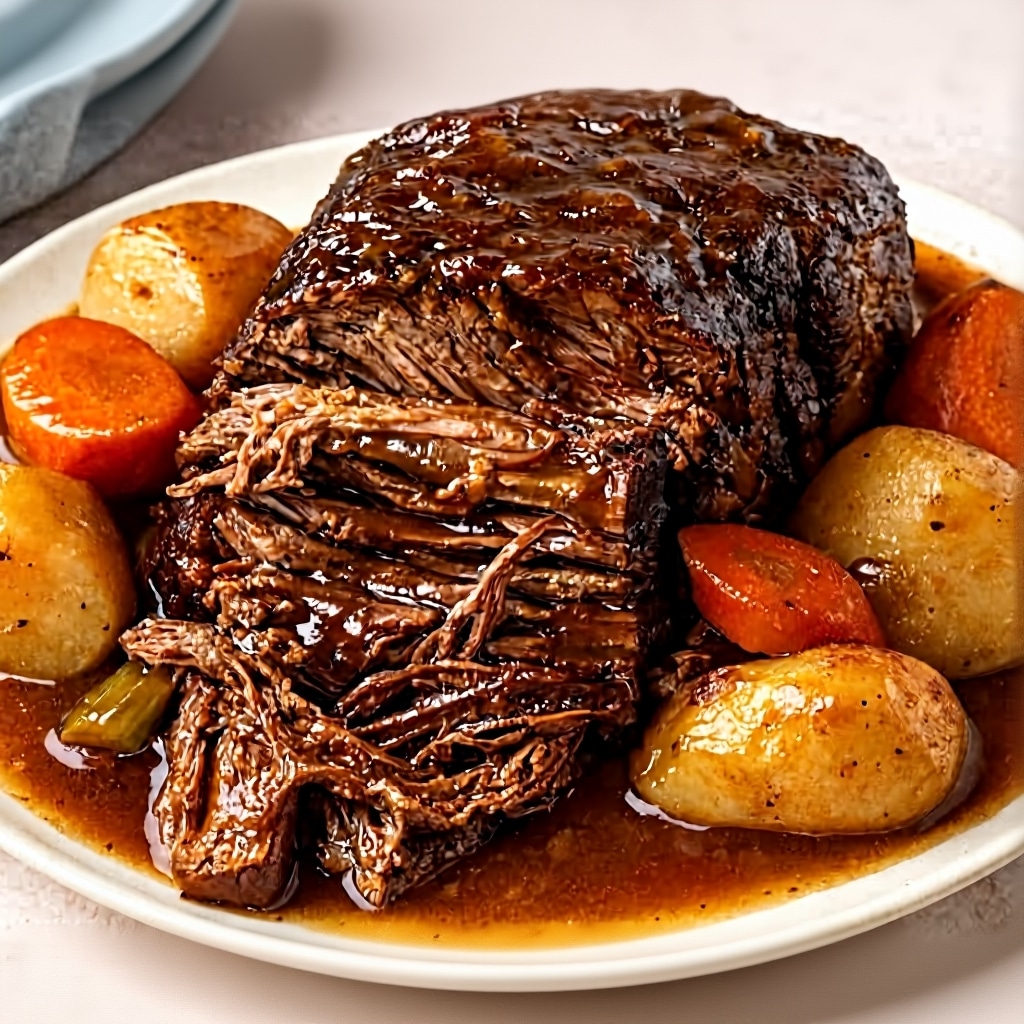
The Secret to a Perfect Fall Apart Pot Roast
There’s nothing quite like a hearty, comforting pot roast, but many of us have faced the disappointment of a dry, tough, or bland result. The dream is a truly fall apart pot roast—one that’s so succulent, flavorful, and incredibly tender, it practically melts in your mouth with just a fork. Imagine a dish reminiscent of cherished family classics, perfect for a cozy Sunday dinner or a special evening. If you’ve ever wondered how to make pot roast tender every single time, you’re in the right place. We’re about to unlock the simple techniques that make all the difference, transforming a humble cut of beef into an unforgettable meal.
Why This Recipe Works: The Science of Tenderness
Achieving a truly fork tender pot roast isn’t magic; it’s a science. Understanding a few key principles will elevate your cooking from good to extraordinary.
The Magic of Connective Tissue
The secret lies in the connective tissue found in tougher cuts of meat. While this tissue initially makes meat tough, low and slow chuck roast cooking allows it to undergo a remarkable transformation. Over hours of moist heat, collagen breaks down into rich, unctuous gelatin. This gelatin is what gives a truly melt in my mouth pot roast its incredible texture and succulent juiciness, acting as an internal glaze that bastes the meat from within.
The Importance of the Maillard Reaction
Searing the beef is a non-negotiable step, not for “sealing in juices,” but for the incredible depth of flavor it creates. This browning process is known as the Maillard reaction. It develops hundreds of new flavor compounds, forming a savory, dark crust that becomes the foundational layer for your rich pot roast gravy and overall savory meat. Skipping this step means sacrificing a significant amount of flavor.
The Single Best Cut of Meat for a Fall Apart Pot Roast
Choosing the right cut of beef is paramount for a successful fall apart pot roast. Not all cuts are created equal, especially when it comes to braising.
Winner: The Boneless Beef Chuck Roast
The undisputed champion for a fall apart pot roast is the boneless beef chuck roast. Often labeled as “chuck eye roast,” “shoulder steak,” or simply “pot roast,” this cut from the shoulder is perfect because of its ideal marbling (streaks of fat) and high amount of connective tissue. These elements are precisely what you need for that glorious tender result after slow cooking, as they break down into gelatin and keep the meat moist.
Other Excellent Choices & Cuts to Avoid
While chuck is king, a Brisket (specifically the point cut) can also yield a good result, though it requires careful trimming. A Round Roast (like bottom round or rump roast) can work but is leaner, meaning it needs more moisture and attention to avoid drying out. It’s crucial to avoid lean, expensive cuts like tenderloin or sirloin. These cuts lack the necessary fat and collagen, and will become disappointingly tough and dry when subjected to the long, slow cooking required for a tender pot roast. Stick to the less expensive, tougher cuts—they’re tough for a reason!
The Anatomy of Flavor: Essential Ingredients
Beyond the beef, each ingredient plays a vital role in building the complex, savory flavor profile of a classic pot roast.
- The Beef: As discussed, choose a well-marbled chuck roast.
- The Aromatic Foundation: Onions, carrots, and celery (a mirepoix) are gently sautéed to create a sweet and savory base, softening and lending their essence to the braising liquid.
- The Power of Alliums: Fresh garlic and more onions deepen the overall savory character, providing a pungent, aromatic kick.
- The Braising Liquid: This is more than just water! Rich, low-sodium beef broth forms the bulk, while a dry red wine (like Cabernet Sauvignon or Merlot) adds crucial acidity and layers of complex flavor. A splash of Worcestershire sauce or balsamic vinegar contributes a vital umami boost.
- The Thickener and Umami Boost: A tablespoon or two of tomato paste provides a concentrated sweetness, acidity, and umami, helping to thicken and enrich the final sauce.
- The Herbs & Spices: Fresh sprigs of thyme and rosemary, along with a bay leaf, infuse the dish with aromatic, earthy notes. Don’t forget generous amounts of kosher salt and freshly cracked black pepper to season every layer.
Step-by-Step Guide to the Ultimate Fall Apart Pot Roast
Follow these detailed steps for a truly incredible beef pot roast that will earn rave reviews.
Step 1: Prepare the Meat
Start by patting your chuck roast completely dry with paper towels. This step is absolutely crucial for achieving a good sear. Season the roast aggressively and generously on all sides with kosher salt and freshly cracked black pepper. Don’t be shy; a large cut of meat needs a lot of seasoning.
Step 2: The Perfect Sear
Heat a heavy-bottomed pot, ideally a Dutch oven, over medium-high heat. Add a tablespoon or two of high-smoke point oil (like vegetable, canola, or grapeseed). Once shimmering, carefully place the seasoned roast into the pot. Sear on every single side—yes, every side—until a deep, dark brown crust forms. This could take 3-5 minutes per side. Resist the urge to move it prematurely; that crust is where the flavor lives. If necessary, sear in batches to avoid overcrowding the pan.
Step 3: Build the Flavor Base
Remove the seared roast and set it aside. Add your chopped onions, carrots, and celery to the pot, scraping up any browned bits from the bottom. Sauté for about 5-7 minutes until they soften. Then, add the minced garlic and tomato paste, cooking for another minute until fragrant and the tomato paste deepens in color.
Step 4: Deglaze for Maximum Flavor
Pour in the red wine. Use a wooden spoon to scrape up all the delicious browned bits (known as the “fond”) from the bottom of the pot. This step is a key secret to a truly rich and flavorful gravy, as these bits are packed with concentrated flavor.
Step 5: The Long, Slow Braise
Return the seared roast to the pot. Pour in the beef broth and Worcestershire sauce, then nestle in the fresh thyme, rosemary, and bay leaves. The liquid should come about halfway up the side of the roast, not completely submerge it. Bring the liquid to a simmer, then cover the pot tightly and transfer it to a preheated oven (usually 300-325°F / 150-160°C) or reduce the stovetop heat to low for slow cooker pot roast instructions.
Step 6: How to Know When It’s Done
A fall apart pot roast is done by feel, not by a specific temperature. It should be undeniably fork tender pot roast, meaning a fork can easily pierce and shred the meat with little to no resistance. For a chuck roast, this typically takes 3-4 hours in the oven or 6-8 hours on low in a slow cooker. If it’s tough, it simply needs more time.
Step 7: Rest the Meat (Crucial!)
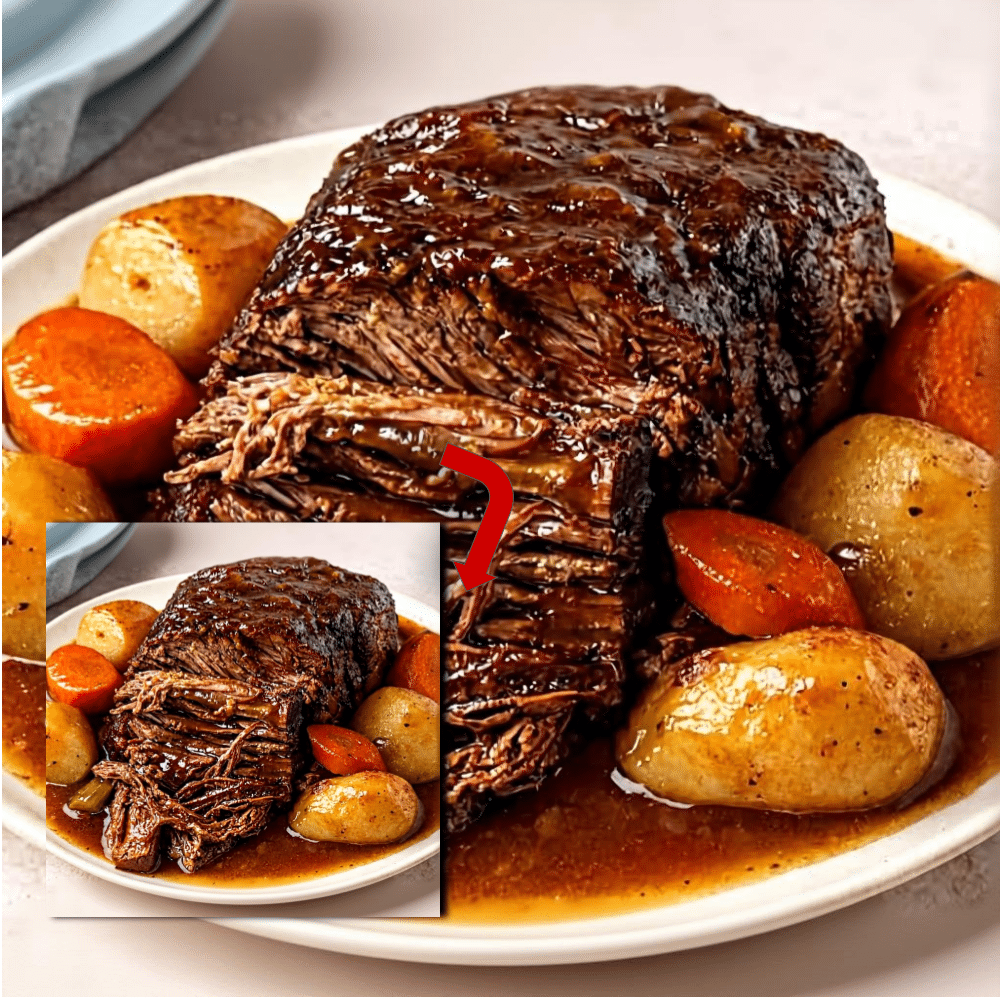
Once tender, carefully remove the roast from the pot and transfer it to a cutting board. Tent it loosely with foil and let it rest for at least 15-20 minutes before shredding. This allows the juices to redistribute throughout the meat, ensuring a moist and flavorful result. Attempting to shred it too soon will result in dry meat.
Step 8: Make the Pan Gravy
While the meat rests, strain the braising liquid from the pot into a saucepan, pressing on the solids to extract all their flavor. Discard the solids. Skim off any excess fat from the surface of the liquid. Bring the liquid to a simmer over medium heat. To thicken, whisk together a cornstarch slurry (1-2 tablespoons cornstarch with equal parts cold water) and slowly whisk it into the simmering liquid until it reaches your desired consistency. Taste and adjust seasoning as needed for a luscious pot roast gravy.
Cooking Method Variations
This easy pot roast recipe is incredibly versatile and can be adapted to your preferred cooking method.
In a Slow Cooker / Crock Pot
For a convenient slow cooker pot roast, perform Steps 1-4 (searing and deglazing) in a separate skillet on your stovetop for the best flavor. Then, transfer the seared roast and aromatic mixture to your slow cooker. Add the braising liquid and herbs, cover, and cook on LOW for 8-10 hours, or on HIGH for 4-6 hours, until the meat is wonderfully fork tender pot roast.
In an Instant Pot / Pressure Cooker
To make Instant Pot pot roast, use the ‘Sauté’ function to perform Steps 1-4 (searing and building the flavor base) directly in the pot. Then, add the braising liquid and herbs. Secure the lid, set to ‘Manual’ or ‘Pressure Cook’ on HIGH pressure for 60-75 minutes (depending on the size of your roast). Allow a natural pressure release for at least 15-20 minutes before manually releasing any remaining pressure. This method also yields tender, shredded beef quickly.
Pro Tips for Pot Roast Perfection
Ensure your braised beef recipe is a roaring success with these expert tips:
- Bring Meat to Room Temp: Let the chuck roast sit out for 30-60 minutes before searing. This promotes a more even cook and better browning.
- Don’t Skimp on Seasoning: A large cut of beef needs plenty of salt and pepper to be truly flavorful. Season aggressively before searing.
- Low and Slow is the Tempo: Rushing the cooking process with higher heat will result in tough, dry meat. Patience is key for breaking down collagen. This is the essence of a low and slow chuck roast.
- Check Liquid Levels: Especially in the oven, ensure the liquid doesn’t evaporate completely. Add a splash more broth if needed to maintain moisture.
- Taste and Adjust: Always taste the final gravy and adjust seasoning (salt, pepper, a touch of acid like vinegar) as needed to make it truly pop.
What to Serve with Your Fall Apart Pot Roast
Complete your ultimate Sunday dinner ideas with classic accompaniments that perfectly complement the rich flavors of your pot roast:
- Creamy Mashed Potatoes or Buttered Egg Noodles
- Pot roast with potatoes and carrots (cooked directly with the roast, or added during the last hour for freshness)
- Crusty Bread or Dinner Rolls (essential for soaking up that amazing gravy)
- Roasted Green Beans or Asparagus for a touch of vibrant green
- A simple green salad with a light vinaigrette to cut through the richness
Storing, Freezing, and Reheating Leftovers
Leftover fall apart pot roast is a gift! Store it tightly sealed in the refrigerator, ideally submerged in its luscious gravy, for up to 4 days. For longer storage, freeze the pot roast and gravy together in an airtight container for up to 3 months. To reheat, gently warm on the stovetop or in the oven until heated through, adding a splash of broth if it seems dry. Leftovers are fantastic in sandwiches, tacos, or even tossed with pasta for a quick meal.
Frequently Asked Questions (FAQ)
What is the best cut of meat for a fall apart pot roast?
The best cut for pot roast that consistently delivers a fall apart pot roast is a boneless beef chuck roast, thanks to its excellent marbling and high collagen content.
Why is my pot roast still tough and not falling apart?
If your pot roast is tough, it almost always means one of two things: 1) It was cooked too fast at too high a temperature, or 2) It simply hasn’t cooked long enough for the connective tissue to fully break down into gelatin. The solution for why is my pot roast tough is nearly always to return it to the low, slow heat and give it more time until it’s truly fork tender pot roast.
Do I have to brown the pot roast first?
While technically you can skip it, searing (browning) the pot roast first is highly recommended. It creates the Maillard reaction, developing deep, complex flavors that you simply cannot achieve otherwise. Skipping this step results in a less flavorful final dish.
Should the pot roast be completely covered with liquid?
No, for a traditional braise like this beef pot roast, the liquid should only come about halfway up the meat. This allows the top part of the roast to get a beautiful, browned “roasty” quality while the bottom simmers in the flavorful liquid, resulting in a better overall texture and depth of flavor.
How do you fix a bland pot roast?
A bland pot roast often lacks proper seasoning. Ensure you’ve used enough salt and pepper at the beginning. You can fix a bland final dish by adjusting the seasoning in the gravy (add more salt, pepper, or even a dash of Worcestershire or balsamic vinegar for umami/acidity). Fresh herbs added at the end can also brighten the flavor.
Conclusion
Mastering the art of a truly fall apart pot roast is incredibly rewarding. With the right cut of meat, patience, and these simple techniques, you’ll be creating a memorable comfort food recipe that brings warmth and joy to your table, time and time again. Enjoy this ultimate guide to a classic done right!
For more daily recipes and tips, follow us on Facebook!
Click here to join our community!