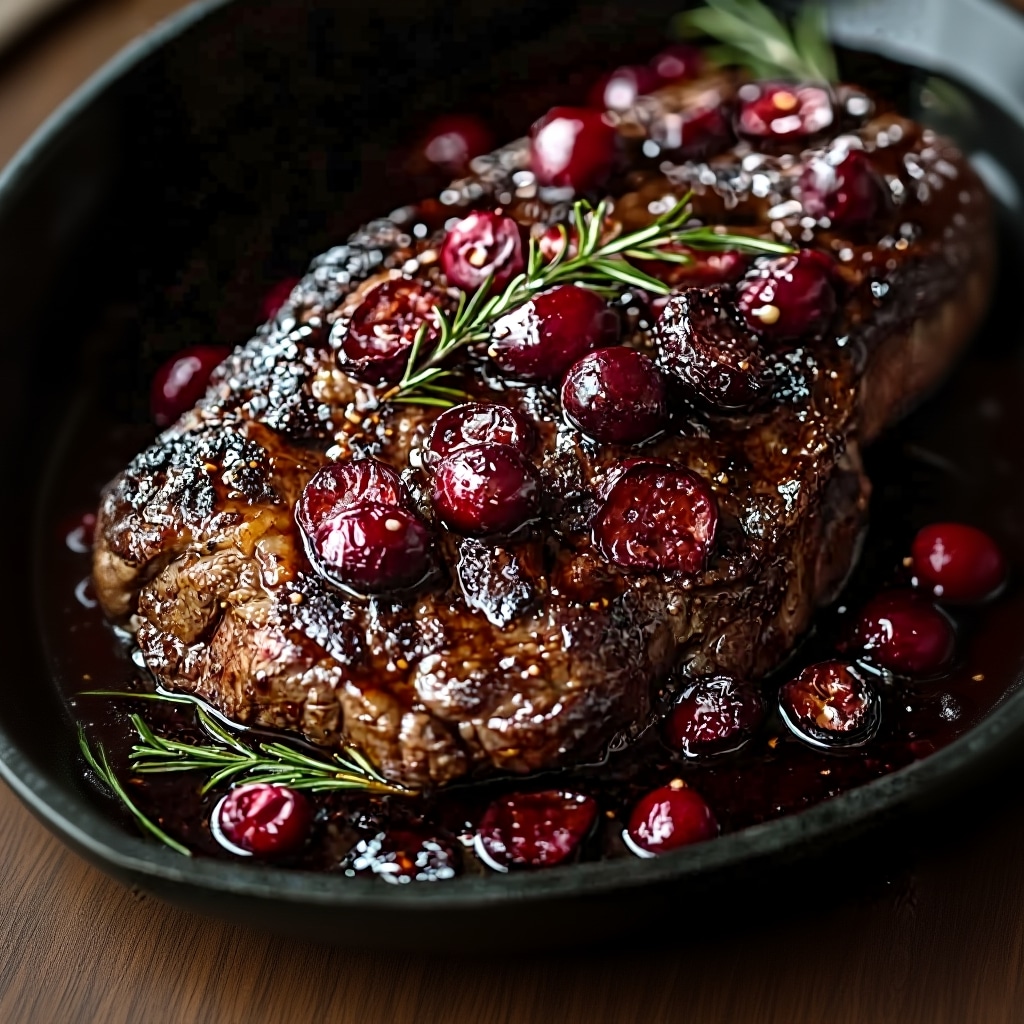
The aroma of a perfectly roasted beef filling your home is one of the most comforting and luxurious scents imaginable. But imagine elevating that experience with a dazzling, festive glaze that marries sweet, tangy, and savory notes into a symphony of flavor. Enter the Cranberry Balsamic Ribeye Roast – a truly unforgettable centerpiece that promises to make your holiday gatherings, from Christmas to New Year’s, truly special. This isn’t just a meal; it’s an event, a culinary statement that whispers elegance and roars with flavor. Despite its impressive appearance, this ultimate holiday beef roast is surprisingly straightforward to prepare, ensuring a juicy, tender ribeye roast every time, cloaked in a glistening cranberry balsamic glaze that will have everyone asking for the recipe.
Why You’ll Love This Recipe
- Show-Stopping Presentation: A majestic Cranberry Balsamic Ribeye Roast makes an immediate visual impact, turning your dinner table into a festive masterpiece. Its deep mahogany crust, glistening with crimson glaze, is pure culinary artistry.
- Incredible Flavor Fusion: Experience the sublime balance between the rich, beefy depth of a perfectly cooked ribeye and the bright, tangy sweetness of the cranberry balsamic glaze. It’s a harmonious blend that creates a truly unique and memorable taste.
- Perfectly Tender & Juicy: Our method ensures a succulent interior, yielding a juicy tender ribeye roast with every slice, encased in a beautifully crisp, savory crust. This balsamic glazed beef roast is truly melt-in-your-mouth delicious.
- Surprisingly Simple: Don’t be intimidated by its gourmet appeal. This boneless ribeye roast recipe is designed for home cooks, offering clear, easy-to-follow steps that deliver professional results without the fuss. It’s an easy holiday main course that truly impresses.
A Deep Dive into Your Ingredients
Choosing Your Ribeye Roast
The foundation of an exceptional roast is quality beef. A ribeye roast, often referred to as a standing rib roast or prime rib (when bone-in), is renowned for its marbling, which renders during cooking to create incredibly tender and flavorful meat. For this ribeye roast recipe, you can opt for bone-in or boneless ribeye roast. Boneless offers easier carving and more consistent cooking, while bone-in adds extra flavor and can prevent the roast from drying out. Look for USDA Prime or Choice grades for the best results, characterized by abundant, evenly distributed streaks of white fat. For a 4 lb ribeye roast, plan for approximately 1/2 pound per person for boneless, or slightly more for bone-in.
The Magic of the Cranberry Balsamic Glaze
The star of our cranberry glazed ribeye is undoubtedly its remarkable glaze. The quality of your ingredients here makes all the difference. For the balsamic, invest in a good quality, syrupy balsamic reduction sauce; it doesn’t need to be 25-year aged, but avoid the cheapest varieties. Its rich acidity and sweetness will transform the cranberries. Fresh or frozen cranberries work equally well, bringing a vibrant tartness that cuts through the richness of the beef. While canned cranberry sauce could be a substitute in a pinch, fresh or frozen offer superior flavor and texture, though you may need to adjust the sugar content. Finally, aromatics like fragrant shallots, pungent garlic, earthy rosemary, and thyme lay the flavorful groundwork for this spectacular sweet and savory roast beef.
Step-by-Step Guide to the Perfect Roast
Step 1: Preparing the Ribeye Roast
Begin by removing your boneless ribeye roast from the refrigerator at least 1-2 hours before cooking. This crucial step, bringing it to room temperature, ensures more even cooking. Pat the roast thoroughly dry with paper towels; a dry surface is essential for achieving that coveted, crispy crust during searing. Finally, season generously on all sides with kosher salt, freshly ground black pepper, and a touch of garlic powder. Don’t be shy – this builds the roast’s internal flavor.
Step 2: Creating the Cranberry Balsamic Glaze
In a medium saucepan, sauté finely minced shallots and garlic until fragrant. Add fresh or frozen cranberries, a good quality balsamic vinegar, a touch of brown sugar, and a splash of beef broth. Bring the mixture to a simmer, then reduce the heat and let it gently bubble, stirring occasionally, until the cranberries burst and the sauce thickens enough to coat the back of a spoon. This creates a rich, tangy, and sweet cranberry sauce for beef. For a smoother glaze, you can strain it through a fine-mesh sieve, pressing on the solids.
Step 3: Searing for Maximum Flavor
Preheat your oven-safe skillet (cast iron works beautifully) over high heat with a high-smoke point oil. Once shimmering, carefully place the seasoned ribeye roast in the hot pan. Sear on all sides for 2-3 minutes per side until a deep golden-brown crust forms. This Maillard reaction is vital for developing complex flavors and a beautiful exterior on your oven roasted ribeye.
Step 4: Roasting to Perfection
Once seared, transfer the roast to a rack set in a roasting pan. Brush a generous first layer of your prepared cranberry balsamic glaze over the entire surface. Place the roast in a preheated oven (usually 375-400°F). During cooking, continue to baste the roast every 15-20 minutes with more glaze, building up those incredible layers of flavor. Remember, the key to how to cook a ribeye roast perfectly is monitoring its internal temperature, not just time.
Temperature Guide and Resting Your Roast
The Only Tool You Really Need: A Meat Thermometer
Forget guesswork; a reliable meat thermometer is your best friend when roasting beef. It’s the only way to accurately ensure your Cranberry Balsamic Ribeye Roast is cooked to your desired doneness, preventing both undercooking and overcooking. An instant-read thermometer is highly recommended for precision.
Doneness Chart
Remove your roast from the oven 5-10 degrees *before* it reaches your target temperature, as it will continue to cook while resting.
- Rare: 125°F (52°C)
- Medium-Rare: 135°F (57°C)
- Medium: 145°F (63°C)
- Medium-Well: 150°F (66°C)
The Importance of Resting
Once your Cranberry Balsamic Ribeye Roast reaches its desired internal temperature, remove it from the oven, cover loosely with foil, and let it rest for 15-20 minutes before carving. This critical step allows the meat fibers to relax and the juices to redistribute throughout the roast, resulting in a significantly more tender, flavorful, and juicy tender ribeye roast. Don’t skip it!
Serving Your Cranberry Balsamic Ribeye Roast
How to Carve a Ribeye Roast
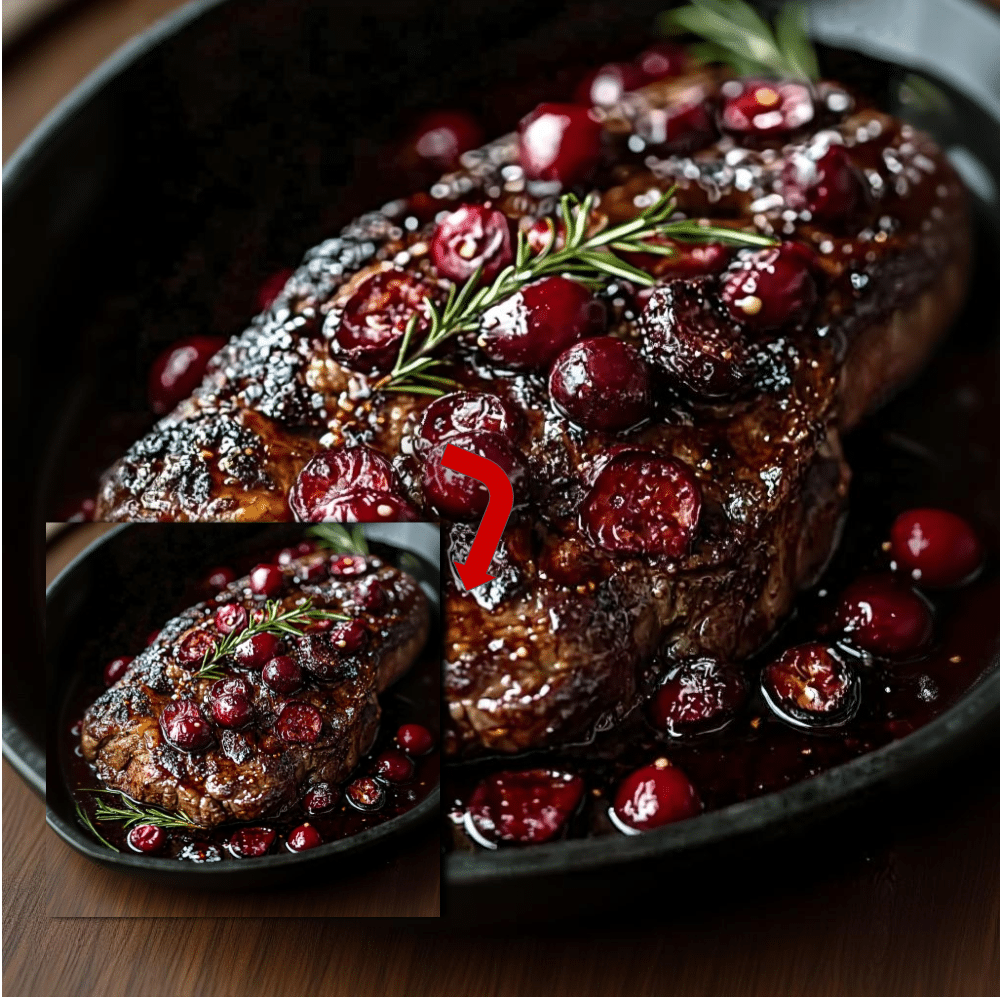
After resting, transfer the holiday beef roast to a cutting board. Using a sharp carving knife, slice the roast against the grain into uniform 1/2-inch thick slices. Carving against the grain shortens the muscle fibers, making each bite incredibly tender.
Perfect Side Dish Pairings
This festive roast deserves equally impressive accompaniments. Classic pairings that beautifully complement the rich beef and tangy glaze include creamy mashed potatoes, roasted Brussels sprouts with bacon, garlic green beans, or elegant Yorkshire puddings. A simple winter salad with a light vinaigrette can also offer a refreshing contrast to this hearty special occasion roast.
Wine Pairings
To match the robust flavors of a Cranberry Balsamic Ribeye Roast, opt for a bold red wine. A classic Cabernet Sauvignon is always a safe bet, with its firm tannins and dark fruit notes. Other excellent choices include a velvety Merlot, a spicy Zinfandel, or an Old World Malbec. For a truly festive touch, consider a sparkling red Lambrusco.
Variations and Substitutions
Feel free to customize your cranberry glazed ribeye. For a different aromatic profile, try adding fresh sage or marjoram to the glaze. Maple syrup or honey can be wonderful alternatives to brown sugar for a slightly different sweetness. While ribeye is the best beef cut for roasting, this versatile glaze also shines on other cuts; it makes a fantastic beef tenderloin alternative for a holiday table, or even a robust sirloin roast. You could also infuse the glaze with a splash of port or red wine for added depth.
Storing and Reheating Leftovers
Leftover Cranberry Balsamic Ribeye Roast is a treat! Store any uneaten portions in an airtight container in the refrigerator for up to 3-4 days. To reheat, gently warm slices in a low oven (around 275°F) with a splash of beef broth to prevent drying out. You can also make amazing roast beef sandwiches, quesadillas, or even a hearty beef and barley soup with the remnants of your festive roast recipe.
—
[Recipe Card Placeholder]
Full, printable recipe card with ingredients, instructions, and notes.
—
Frequently Asked Questions (FAQ)
Q1: What is the ideal internal temperature for a Cranberry Balsamic Ribeye Roast?
A: For a perfectly luscious medium-rare Cranberry Balsamic Ribeye Roast, aim for an internal temperature of 130-135°F. Remember to remove the roast from the oven 5-10 degrees before your target, as it will continue to cook while resting, allowing the fats to render beautifully and leaving you with an incredibly tender result.
Q2: Can I make the balsamic glaze ahead of time?
A: Absolutely! The cranberry balsamic glaze is an excellent candidate for advance preparation. You can make it up to 3 days ahead of time and store it in an airtight container in the refrigerator. Just gently reheat the glaze on the stovetop over low heat, stirring occasionally, until it reaches a warm, pourable consistency before you’re ready to use it on your roast.
Q3: How long do I cook a ribeye roast per pound?
A: While a meat thermometer is always the most reliable tool for precision, a general guideline for cooking a 4 lb ribeye roast to medium-rare is approximately 13-15 minutes per pound at 375-400°F. However, this can vary significantly based on your oven’s calibration, the shape and thickness of your roast, and whether it’s bone-in or boneless. Always trust your thermometer!
Q4: Do I need to tie my ribeye roast?
A: For a boneless ribeye roast, tying it with butcher’s twine at 1-inch intervals is highly recommended. This practice helps the roast maintain a uniform shape, which promotes more even cooking throughout the cut. It ensures that every slice of your beef roast with balsamic glaze is consistently cooked and beautifully presented.
Q5: What’s the difference between a prime rib and a ribeye roast?
A: The terms “prime rib” and “ribeye roast” are often used interchangeably because they originate from the same primal cut of beef: the rib section. Historically, “Prime Rib” typically referred to a bone-in roast, while “Ribeye Roast” could be bone-in or boneless. Today, “ribeye roast” is a more common term for the boneless version of this exquisite cut, which is ideal for this elegant dinner party recipe.
For more daily recipes and tips, follow us on Facebook!
Click here to join our community!