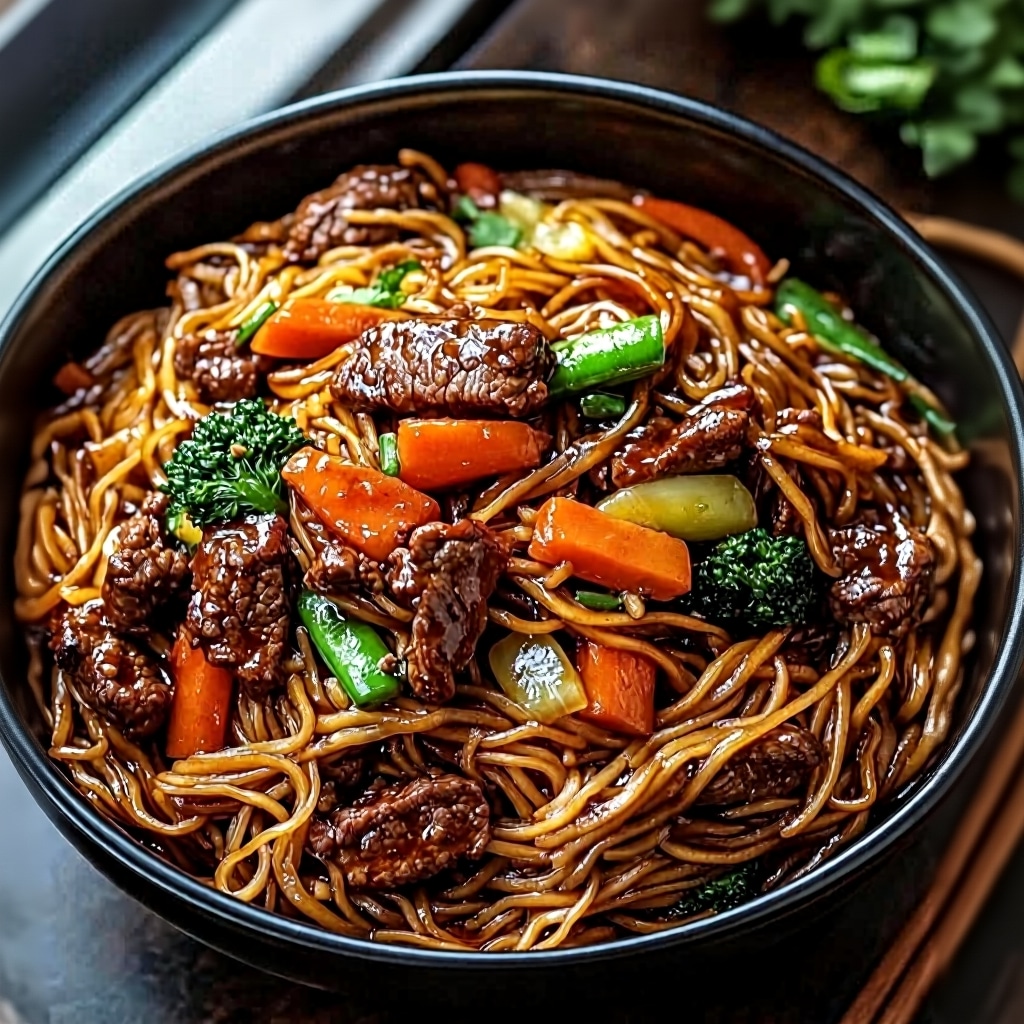
Tired of the same old takeout routine? That yearning for a hot, flavorful plate of Chinese noodles, delivered right to your door, often comes with a hefty price tag and sometimes, a little disappointment. What if you could conjure up a dish that’s not only fresher and more delicious but also faster and healthier than calling for delivery? Your quest for the perfect takeout-at-home experience ends here with our ultimate guide to crafting the most incredible Savory Beef Lo Mein. Get ready to transform your kitchen into your favorite Chinese restaurant, mastering the art of tender beef, crisp-tender vegetables, slurpable noodles, and an umami-packed sauce that will make your taste buds sing. This isn’t just a recipe; it’s an invitation to savor the true flavors of authentic beef lo mein, right in your own home.
Why This Recipe Will Become Your Go-To Weeknight Favorite
This isn’t just another Chinese beef noodle recipe; it’s a culinary triumph designed for the home cook seeking both convenience and unparalleled flavor. Here’s why this Savory Beef Lo Mein will earn a permanent spot in your weekly rotation:
Better Than Takeout
By controlling the ingredients, you eliminate unwanted sodium, MSG, and mystery oils. The result is a cleaner, more vibrant dish where every fresh flavor truly shines. This is truly better than takeout lo mein, hands down.
Incredibly Fast: Ready in 30 Minutes
From start to finish, this quick beef stir fry noodles recipe can be on your table in under half an hour. That’s faster than most delivery services! With just 10 minutes of prep and 20 minutes of cook time, it’s the ultimate 30 minute beef lo mein.
Fully Customizable
This simple beef lo mein recipe is incredibly flexible. Swap out vegetables based on what’s in your fridge, adjust the spice level to your liking, or even change the protein. It’s a beef lo mein with vegetables that adapts to you.
The Secret to Incredibly Tender Beef
We’ll reveal the game-changing technique of ‘velveting’ with cornstarch. This simple step guarantees melt-in-your-mouth, tender beef stir fry every single time, solving the common problem of tough meat in stir-fries and making your Savory Beef Lo Mein truly exceptional.
Lo Mein vs. Chow Mein: Cracking the Noodle Code
It’s a common culinary conundrum: what’s the difference between lo mein and chow mein? While both are delicious Chinese noodle dishes, their preparation sets them apart, influencing their texture and overall experience. Understanding this distinction is key to appreciating your perfect Savory Beef Lo Mein.
Lo Mein literally means ‘tossed noodles’. In this style, the soft, boiled noodles are added to the wok at the very end and gently tossed with the savory sauce, protein, and vegetables. The noodles remain soft and slurpable, acting as a vehicle for the rich sauce.
Chow Mein, on the other hand, means ‘fried noodles’. Here, the noodles are often par-boiled and then pan-fried or deep-fried until they achieve a crispy texture. The goal is a delightful contrast of soft interior and crunchy exterior.
For this particular recipe, we’re diving deep into the world of classic, saucy Savory Beef Lo Mein, where the tender noodles are the star, lovingly coated in our irresistible homemade sauce.
The Anatomy of a Perfect Savory Beef Lo Mein
Crafting an exceptional Savory Beef Lo Mein is about understanding the synergy between its core components. Each element plays a crucial role in creating a balanced, flavorful, and textural masterpiece.
The Star of the Show: The Beef
For truly remarkable flank steak lo mein, choosing the right cut is paramount. What cut of beef for lo mein works best? Flank steak, sirloin, or skirt steak are ideal due to their lean nature and rich flavor. The key is to slice the beef very thinly against the grain, ensuring maximum tenderness, especially when combined with our velveting technique.
The Noodle Foundation
The heart of any lo mein is, of course, the noodles. For this lo mein noodles recipe, fresh or dried egg noodles (often labeled “lo mein noodles”) are the classic choice, offering that perfect chewy texture. In a pinch, accessible alternatives like spaghetti or linguine can work beautifully. For a healthy beef lo mein, consider whole wheat or soba noodles.
The Flavor Engine: The Umami-Rich Sauce
The beef lo mein sauce is where the magic happens. Our homemade blend provides a savory, slightly sweet, and deeply umami profile, with layers of flavor from soy sauce, fragrant sesame oil, and fresh aromatics like ginger and garlic. This signature sauce is what truly elevates our Savory Beef Lo Mein beyond any takeout experience.
The Veggie Crunch Factor
No beef lo mein with vegetables is complete without a colorful array of crisp-tender additions. Classic lo mein vegetables include vibrant broccoli florets (perfect for beef and broccoli lo mein), sweet carrots, crunchy bell peppers, and delicate snow peas or bok choy. They add essential texture, freshness, and a boost of nutrition.
Ingredients & Equipment You’ll Need
Gathering all your ingredients and tools (mise en place!) before you start cooking is essential for the fast-paced stir-frying method.
For the Tender Beef & Marinade
- 1 lb Flank Steak: Sliced thinly against the grain. This is key for flank steak lo mein.
- 1 tbsp Low-Sodium Soy Sauce: For initial seasoning.
- 1 tbsp Cornstarch: The secret to velveting beef for stir fry.
- 1 tsp Sesame Oil: Adds a nutty depth to the lo mein marinade for beef.
For the Signature Lo Mein Sauce
- ¼ cup Low-Sodium Soy Sauce: The base of our savory sauce.
- 1 tbsp Dark Soy Sauce: Primarily for color, adds depth (optional but recommended).
- 2 tbsp Oyster Sauce: Adds rich umami; use a vegetarian alternative if preferred.
- 1 tbsp Rice Vinegar: A touch of acidity to balance the flavors.
- 1 tbsp Brown Sugar: For a hint of sweetness.
- 1 tsp Sesame Oil: Essential for that authentic Chinese flavor.
- 1 tbsp Fresh Ginger: Minced, for a pungent, aromatic kick.
- 2 cloves Fresh Garlic: Minced, complementing the ginger for a delightful garlic beef lo mein.
For the Stir-Fry Assembly
- 12 oz Lo Mein Noodles: Fresh or dried, the best noodles for lo mein.
- 2 tbsp Avocado Oil (or other high-smoke point oil): For stir-frying.
- 1 cup Broccoli Florets: Small, bite-sized pieces.
- 1 medium Carrot: Julienne or thinly sliced.
- 1 Bell Pepper: Sliced (any color).
- ½ cup Snow Peas: Trimmed.
- 2 Scallions: Sliced for garnish.
- 1 tsp Sesame Seeds: For garnish.
Essential Kitchen Tools
- Wok or Large Non-Stick Skillet: Crucial for high-heat stir-frying.
- Large Pot: For boiling noodles.
- Sharp Knife & Cutting Board: For precise slicing and dicing.
- Small Bowl & Whisk: For preparing the beef lo mein sauce.
- Tongs: Ideal for tossing ingredients in the wok.
How to Make Savory Beef Lo Mein: A Step-by-Step Guide
Get ready to create the best homemade beef lo mein you’ve ever tasted with this detailed, easy-to-follow guide.
Step 1: Slice and Marinate the Beef (The Tenderness Trick)
Begin by slicing your flank steak lo mein against the grain into thin, bite-sized strips, about ¼-inch thick. In a medium bowl, combine the sliced beef with 1 tablespoon of low-sodium soy sauce, 1 tablespoon of cornstarch, and 1 teaspoon of sesame oil. Toss well to coat every piece. This crucial ‘velveting’ step creates a protective barrier, locking in moisture and ensuring you get a truly tender beef stir fry. Let it marinate for at least 15 minutes while you prep other ingredients.
Step 2: Whisk the Perfect Lo Mein Sauce
In a separate small bowl, whisk together all the sauce ingredients: ¼ cup low-sodium soy sauce, 1 tablespoon dark soy sauce (if using), 2 tablespoons oyster sauce, 1 tablespoon rice vinegar, 1 tablespoon brown sugar, 1 teaspoon sesame oil, 1 tablespoon minced fresh ginger, and 2 cloves minced fresh garlic. Whisk until the sugar is dissolved. Having this beef lo mein sauce ready is key for a seamless stir-fry.
Step 3: Cook The Noodles Al Dente
Bring a large pot of salted water to a rolling boil. Add your lo mein noodles recipe-specific noodles and cook according to package directions, but aim for 1 minute less than al dente. They will finish cooking in the wok. Drain immediately and rinse thoroughly with cold water to prevent sticking and stop the cooking process. Set aside.
Step 4: Sear the Beef to Perfection
Heat 1 tablespoon of avocado oil in your wok or large skillet over high heat until shimmering and almost smoking. Add the marinated beef in a single layer (cook in two batches if necessary to avoid crowding, which steams the beef instead of searing it). Cook for 1-2 minutes per side until beautifully browned. Remove the beef from the wok and set aside on a plate.
Step 5: Stir-Fry the Veggies
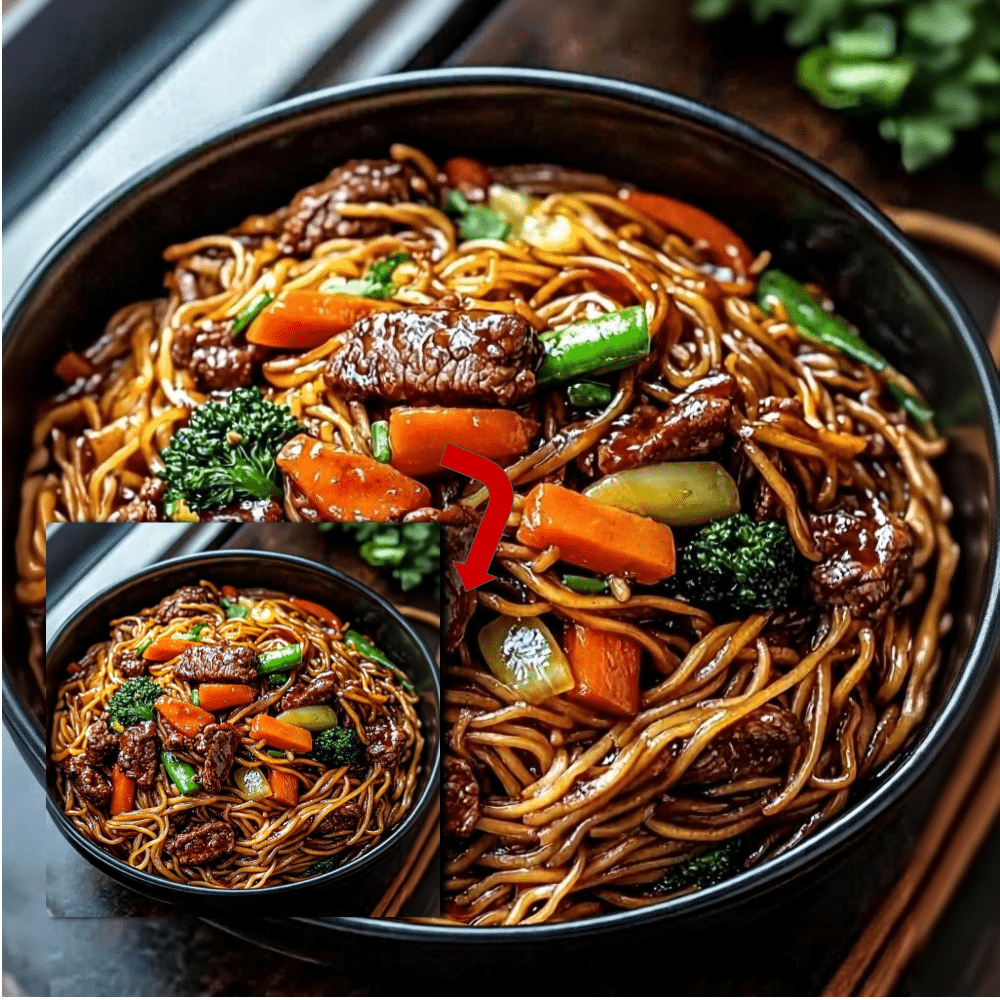
Add the remaining 1 tablespoon of avocado oil to the hot wok. Add the broccoli florets and sliced carrots first, stir-frying for 2-3 minutes until they begin to soften slightly. Next, add the sliced bell pepper and snow peas. Continue to stir-fry for another 2-3 minutes until all vegetables are crisp-tender and vibrant. This creates a fantastic beef lo mein with vegetables.
Step 6: Combine, Toss, and Serve
Return the seared beef to the wok with the stir-fried vegetables. Add the cooked and drained noodles, then pour the whisked beef lo mein sauce over everything. Using tongs, toss vigorously to ensure all ingredients are thoroughly coated in the delicious sesame ginger beef noodles sauce and heated through. Garnish with sliced scallions and sesame seeds, then serve your perfect Savory Beef Lo Mein immediately.
A Culinary Expert’s Tips for Success
Achieving a restaurant-quality Savory Beef Lo Mein at home is within reach with these expert tips.
Mise en Place is Non-Negotiable
“In the world of stir-frying, preparation is everything. Have all your ingredients chopped, measured, and within arm’s reach before the heat goes on. Stir-frying is a rapid dance, and you don’t want to miss a beat searching for an ingredient.”
This ensures a smooth cooking process for your quick beef stir fry noodles.
Don’t Crowd the Pan
When searing the beef or stir-frying vegetables, resist the urge to overload your wok or skillet. Overcrowding drops the pan temperature, leading to steamed, rather than seared, ingredients. Cook in batches if necessary to get that beautiful caramelization and crisp-tender texture.
High Heat is Your Friend
A properly heated wok over high heat is crucial for achieving the coveted ‘wok hei’ – the smoky, savory “breath of the wok” flavor characteristic of authentic Chinese stir-fries. Ensure your oil is shimmering before adding ingredients.
Sauce Consistency is Key
If your homemade beef lo mein sauce seems a bit too thin after tossing, quickly mix ½ teaspoon of cornstarch with 1 tablespoon of cold water (a cornstarch slurry) and stir it into the simmering lo mein. Cook for another minute until thickened. If it’s too thick, a splash of water or broth will loosen it.
Variations and Serving Suggestions
This Savory Beef Lo Mein recipe is a fantastic starting point for culinary creativity.
Protein Swaps
Easily adapt this recipe! For a different take, try chicken lo mein, shrimp, pork, or even crispy fried tofu for a delicious vegetarian option.
Vegetable Variations
Experiment with other veggies like sliced mushrooms, baby corn, water chestnuts, or additional bok choy to make your beef lo mein with vegetables truly your own.
Make it Spicy
For a kick, incorporate sriracha, a dash of chili garlic sauce, or a pinch of red pepper flakes into your spicy beef lo mein sauce.
What to Serve with Beef Lo Mein
Round out your perfect at-home Chinese feast! Pair your authentic beef lo mein with simple starters like crab rangoon, crispy spring rolls, light steamed dumplings, or a refreshing cucumber salad.
Storage and Reheating Instructions
Enjoying leftovers of your delicious Savory Beef Lo Mein is easy with these tips.
- Storage: Allow any leftover lo mein to cool completely. Transfer it to an airtight container and store it in the refrigerator for up to 3-4 days.
- Reheating: For best results, gently reheat in a skillet over medium-low heat. Add a splash of water or broth to help loosen the noodles and sauce and prevent drying out. Alternatively, you can microwave it in 30-second intervals, stirring in between, until heated through.
- Freezing: We generally advise against freezing lo mein. The delicate texture of the noodles and vegetables can suffer upon thawing, becoming mushy. It’s best enjoyed fresh or from refrigeration.
Frequently Asked Questions (FAQ)
What’s the best cut of beef for lo mein?
Flank steak is widely considered the top choice for Savory Beef Lo Mein due to its lean texture and ability to absorb marinades well. Sirloin and skirt steak are also excellent alternatives. The critical factor is slicing the beef thinly against the grain to ensure tenderness.
How do you make beef tender for stir-fry?
The secret to incredibly tender beef stir fry, and specifically for velveting beef for stir fry, is a technique called ‘velveting.’ This involves tossing thinly sliced beef with a small amount of cornstarch and soy sauce before cooking. The cornstarch creates a protective coating that seals in moisture during the high-heat cooking process.
Can I use spaghetti instead of lo mein noodles?
Absolutely! If you can’t find traditional lo mein noodles, spaghetti or linguine make a fantastic, accessible substitute. Just cook them al dente according to their package directions, then rinse with cold water to remove excess starch and prevent sticking. This is a great tip for easy beef lo mein recipe adaptations.
How do I keep my lo mein noodles from getting mushy or sticky?
To prevent mushy or sticky noodles in your homemade beef lo mein, cook them for one minute less than the package recommends (al dente). Immediately after draining, rinse them thoroughly with cold water. This stops the cooking process and washes away surface starch, ensuring they remain separate and perfectly chewy.
Is homemade beef lo mein healthier than takeout?
Yes, significantly! When you make Savory Beef Lo Mein at home, you have complete control over the ingredients. You can reduce sodium, sugar, and unhealthy oils, and load it up with plenty of fresh vegetables, making it a much more balanced, nutritious, and truly healthy beef lo mein option than most restaurant versions.
[Recipe Card Placeholder]
Ready to whip up this incredible Savory Beef Lo Mein? Find the full printable recipe card below with exact measurements and detailed instructions. We’d love to hear how it turned out! Please leave a rating and a comment if you enjoyed this dish – your feedback means the world to us. Happy cooking!
“`
For more daily recipes and tips, follow us on Facebook!
Click here to join our community!