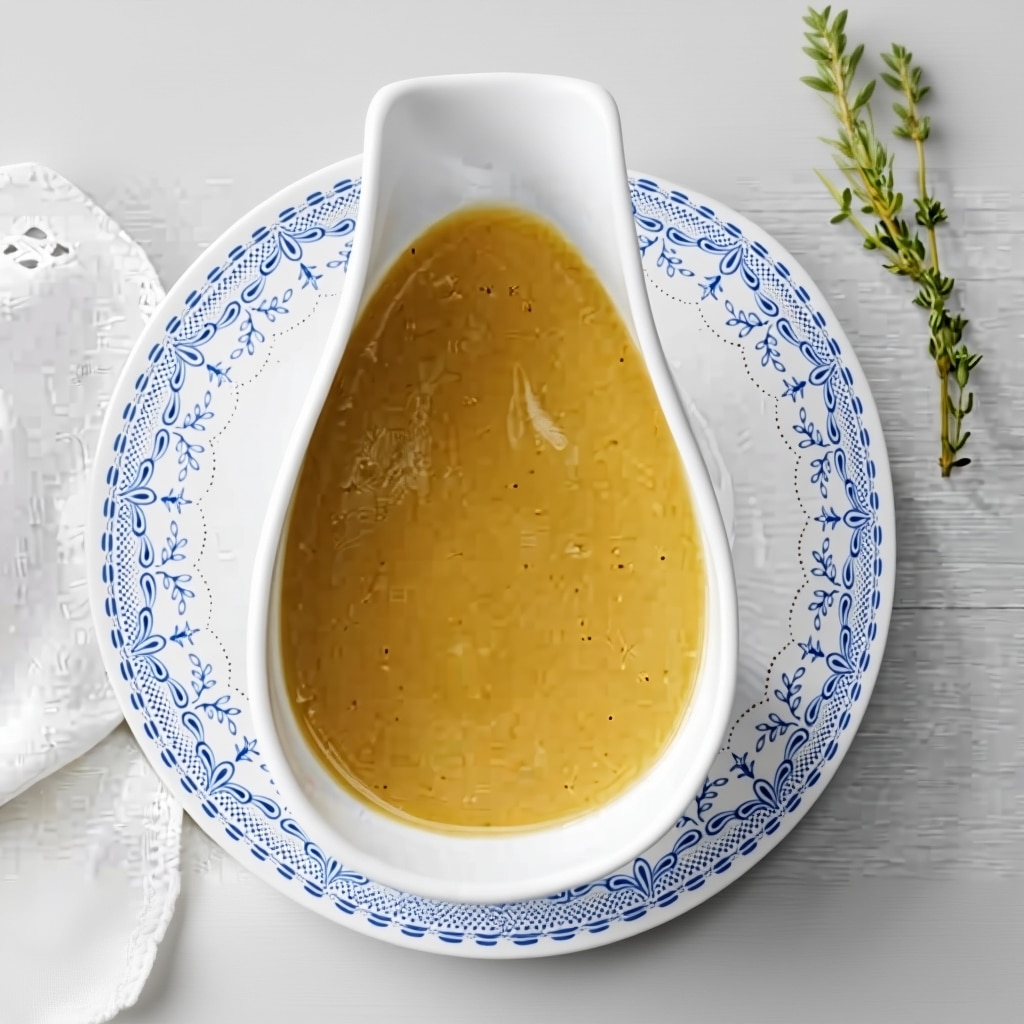
The holiday season. A time for joy, family, and… culinary chaos? We’ve all faced the frantic last-minute dash, juggling dishes, and the looming fear of a lumpy, bland gravy. But what if there was a secret weapon to guarantee rich, velvety gravy without the eleventh-hour stress? Enter Make-Ahead Gravy. This isn’t just a kitchen hack; it’s about achieving deeper flavors, perfect consistency, and giving you the ultimate gift: peace of mind on the big day. Imagine pulling out perfectly crafted gravy, ready to simply reheat, while your turkey rests and guests mingle. It’s your new holiday reality.
Why Every Smart Host Makes Their Gravy Ahead of Time
Free Up Your Stovetop on the Big Day
Holiday meal prep means precious stovetop space. Preparing your make ahead turkey gravy or any holiday gravy in advance frees up burners and counter space for other dishes. No more frantic juggling!
Guarantee Perfect Flavor and Consistency
Making gravy ahead allows flavors to meld and deepen without pressure. You can leisurely adjust seasonings, ensuring a perfectly balanced profile. This eliminates panic over trying to
Drastically Reduce Last-Minute Stress
Consider make-ahead gravy a gift to your future self. One major meal component is done. This drastically reduces last-minute stress, letting you focus on carving the turkey and enjoying your guests. A truly stress free thanksgiving!
The Anatomy of a Flawless Gravy
Understanding gravy’s building blocks empowers you to create exceptional sauce.
The Foundation: Fat is Flavor
Fat (butter, turkey fat, or other drippings) is essential, forming the base for a roux and carrying immense flavor for that deep, satisfying taste and smooth texture.
The Thickener: The Great Roux vs. Slurry Debate
For make-ahead gravy, a roux (cooked flour and fat) is superior. It creates a stable emulsion, adds nutty depth, and holds up beautifully to reheating and freezing. A cornstarch slurry thickens quickly but is less stable for make-ahead, potentially becoming gelatinous. For a gluten free gravy recipe, a GF flour roux or cornstarch slurry is an alternative.
The Body: Choosing Your Liquid
Homemade turkey stock or chicken broth offer unparalleled depth. High-quality store-bought broth works. For vegetarian make-ahead gravy, a robust vegetable broth is ideal.
The Soul: Aromatics and Seasonings
Sautéed onions, garlic, celery, and carrots infuse complex layers. Fresh herbs (thyme, sage, rosemary) add brightness, while umami boosters (soy sauce, Worcestershire, mushroom powder) elevate the flavor profile.
The Ultimate Step-by-Step Make-Ahead Gravy Recipe
This is the best make ahead gravy recipe you’ll need for your Thanksgiving gravy recipe or Christmas gravy.
Ingredients You’ll Need
- 4 tbsp unsalted butter or rendered turkey fat
- 1 medium onion, finely chopped
- 2 stalks celery, finely chopped
- 1 carrot, finely chopped
- 2 cloves garlic, minced
- 1/2 cup all-purpose flour
- 6 cups rich homemade turkey stock or low-sodium chicken broth
- 1/4 cup dry white wine or sherry (optional, for deglazing)
- 1 sprig fresh thyme, 1 bay leaf
- Salt and freshly ground black pepper to taste
- A splash of soy sauce or Worcestershire (optional, for umami)
Step 1: Build the Flavor Base
Melt butter in a large saucepan or Dutch oven over medium heat. Add chopped onion, celery, and carrot; sauté for 8-10 minutes until softened and fragrant. Add minced garlic; cook for 1 minute more until aromatic.
Step 2: Create a Foolproof Roux
Sprinkle flour over the softened vegetables. Cook, stirring constantly, for 3-5 minutes. The mixture will form a paste and begin to smell nutty. This crucial step cooks out the raw flour taste, creating the foundation for your easy gravy recipe.
Step 3: Deglaze and Slowly Incorporate Liquid
Optional: Add the wine to deglaze the pan, scraping up any browned bits. Cook for 1 minute. Then, gradually whisk in the stock or broth, one ladleful at a time. Whisk continuously and vigorously after each addition to ensure a completely smooth mixture and prevent lumps. This is key to achieving that perfect consistency.
Step 4: Simmer, Season, and Strain
Add the thyme sprig and bay leaf. Bring the gravy to a gentle simmer over medium-low heat, stirring occasionally. Let it simmer for 15-20 minutes, allowing it to thicken and the flavors to meld beautifully. Season generously with salt and pepper, and add a splash of soy sauce or Worcestershire if desired. For an impeccably smooth finish, strain the gravy through a fine-mesh sieve, pressing on the solids to extract all flavor. Discard solids. Taste and adjust seasoning one last time.
How to Store, Freeze, and Thaw Your Gravy Like a Pro
Mastering storage is key to the make-ahead gravy promise.
For the Refrigerator (Up to 4 Days)
Cool gravy completely (within 2 hours) then transfer to an airtight container. As it chills, a natural fat cap will form on top. Leave this protective layer intact until you’re ready to reheat; it helps preserve freshness and flavor. This is how to store homemade gravy for short-term use.
For the Freezer (Up to 3 Months)
For longer storage, freezing gravy is incredibly effective. Pour cooled gravy into freezer-safe containers, heavy-duty zip-top bags (laid flat for space efficiency), or even ice cube trays for individual portions. Remember to leave about an inch of headspace for expansion. This is your solution for efficient freezing. Clearly, can you make gravy ahead of time? Absolutely, and freeze it!
The Best Way to Thaw Frozen Gravy
The ideal method for reheating frozen gravy is slow thawing. Transfer your frozen gravy from the freezer to the refrigerator overnight. For a quicker thaw, place the sealed container or bag in a bowl of cold water, changing the water every 30 minutes until thawed.
The Art of Reheating: Achieving Day-Of Perfection
Reheating your make-ahead gravy is simple and brings it back to its luscious best.
Reheating Gravy on the Stovetop
Transfer the thawed (or refrigerated) gravy to a saucepan. Reheat gently over low-medium heat, whisking frequently. Don’t be alarmed if it looks separated or a bit clumpy at first; with gentle heat and consistent whisking, it will miraculously come back together into a smooth, velvety sauce. Add a splash of warm stock or water if it seems too thick.
The Ultimate Holiday Hack: Adding Fresh Pan Drippings
This is the secret to making your make-ahead gravy taste like it was just finished. Once your turkey or roast is out of the oven, carefully skim off most of the fat from the roasting pan drippings. Whisk in 2-4 tablespoons of these defatted, flavorful pan drippings into your reheated turkey gravy from stock. This adds an incredible depth and “freshness” that will impress everyone.
Genius Recipe Variations for Every Diet and Taste
Customize your homemade gravy to suit any preference.
Rich and Savory Make-Ahead Mushroom Gravy (Vegetarian)
For a spectacular vegetarian make-ahead gravy, sauté sliced mushrooms (cremini or shiitake work best) with your aromatics. Replace turkey stock with a rich vegetable broth. A teaspoon of dried porcini powder or a dash of soy sauce will add incredible umami depth. This variation is robust and satisfying.
Easy Gluten-Free Make-Ahead Gravy
Achieving a smooth, stable gluten free gravy recipe that’s make-ahead friendly is simple. Instead of all-purpose flour, create your roux with an equal amount of a gluten-free all-purpose flour blend (ensure it contains xanthan gum) or sweet rice flour. Cook the roux as directed. Alternatively, for a cornstarch slurry method, whisk 2-3 tablespoons of cornstarch with 1/4 cup cold broth and whisk into hot simmering gravy until thickened. Note: cornstarch versions may not freeze as well as roux-based.
Deeply Flavorful Make-Ahead Beef Gravy
Swap out turkey stock for a high-quality beef broth for a robust beef gravy. A splash of dry red wine (like Cabernet Sauvignon) added when deglazing will enhance the richness. If serving with roast beef, incorporate beef drippings just like you would turkey drippings for an authentic finish. This makes for a fantastic holiday gravy companion to prime rib.
Troubleshooting Common Gravy Disasters
Don’t panic! Most gravy issues are easily fixable, especially with make-ahead gravy.
My Gravy is Lumpy!
A common concern. To fix lumpy gravy, simply pour it through a fine-mesh sieve, pressing on any solids. For an extra-smooth result, use an an immersion blender or transfer to a regular blender and blend until silky. Be careful if it’s hot.
It’s Too Thin!
If your gravy needs more body, you have two options. Continue to simmer it gently to allow for further reduction, which concentrates flavor and thickens naturally. Alternatively, prepare a small cornstarch slurry (1 tbsp cornstarch mixed with 2 tbsp cold water) and whisk it gradually into the simmering gravy until it reaches your desired thickness. This is how to thicken gravy effectively.
It’s Too Thick!
The easiest fix! Whisk in a little extra warm stock, broth, or even water, a tablespoon at a time, until it reaches your preferred consistency. Remember, it will thicken slightly as it cools.
It Tastes Bland!
A bland gravy lacks dimension. Whisk in a pinch more salt, a few grinds of fresh black pepper, a splash of soy sauce or Worcestershire for umami, or a touch of kitchen bouquet. The ultimate flavor booster, especially for turkey gravy from stock, is those fresh pan drippings from your roast.
Frequently Asked Questions (FAQ)
Get quick answers to your top make-ahead gravy questions:
How far in advance can you make gravy for Thanksgiving?
You can make make ahead gravy up to 4 days in advance (refrigerated) or up to 3 months ahead (frozen). This flexibility makes it ideal for your Thanksgiving gravy recipe.
What is the best way to reheat make-ahead gravy?
Gently reheat on the stovetop over low-medium heat, whisking constantly until smooth and hot. Add a splash of broth if it seems too thick.
Can you freeze homemade gravy? Does it ruin it?
Yes, you can absolutely freeze homemade gravy! It might look separated when thawed, but gentle reheating and whisking will bring it back to perfect consistency. Freezing is excellent for long-term storage, dispelling any worries about whether can you make gravy ahead of time and freeze it successfully.
How do you add turkey drippings to gravy that’s already made?
Skim the fat from your roasting pan drippings. While reheating your make ahead turkey gravy, whisk in 2-4 tablespoons of the defatted drippings for an incredible, fresh flavor boost.
Is it better to make gravy with flour or cornstarch?
For a make-ahead gravy that freezes and reheats well, a flour-based roux is generally superior due to its stable emulsion. Cornstarch-thickened gravies can sometimes become spongy or separate more upon freezing.
Conclusion: Your New Stress-Free Holiday Tradition
Say goodbye to the frantic, last-minute gravy scramble! By embracing the magic of make-ahead gravy, you’re not just preparing a dish; you’re reclaiming your holiday peace. Imagine a Thanksgiving or Christmas where your gravy is a source of joy, not stress – a rich, perfectly seasoned masterpiece ready to ladle generously over every plate. This simple act of preparation is your ticket to a more relaxed, delicious, and memorable celebration. Make it your new tradition!
For more daily recipes and tips, follow us on Facebook!
Click here to join our community!