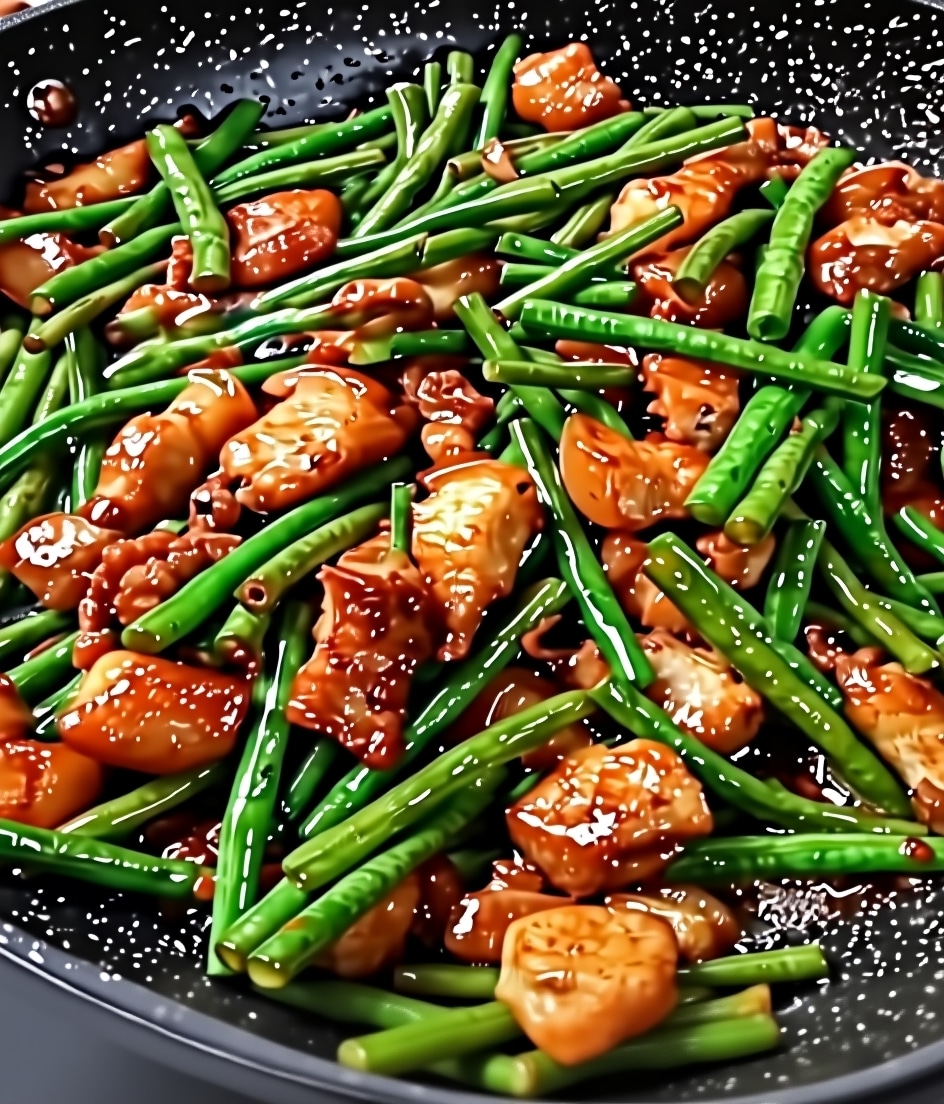
The Ultimate Adobong Sitaw with Pork: A Filipino Classic
There are dishes that simply taste like home, and for many Filipinos, Adobong Sitaw with Pork is undoubtedly one of them. This beloved Filipino comfort food offers a symphony of flavors that is both comforting and exhilarating. Imagine tender, succulent pieces of pork belly braised in that iconic adobo sauce – a perfect balance of savory soy sauce, tangy vinegar, pungent garlic, and earthy peppercorns – now elevated with the delightful crunch of crisp-tender string beans (sitaw). It’s a culinary masterpiece that embodies the heart of Pinoy food.
Whether you’re new to Filipino cuisine or a seasoned home cook looking to perfect a classic, this comprehensive guide promises to deliver the most authentic and easy-to-follow adobong sitaw recipe. Prepare to unlock the secrets to a truly irresistible dish that will become a new family favorite!
What Exactly Is Adobong Sitaw with Pork?
The Heart of Adobo Cooking
At its core, “adobo” refers to a cooking process deeply ingrained in Filipino cuisine. It involves braising meat, seafood, or vegetables in a distinctive mixture of vinegar, soy sauce, crushed garlic, bay leaves, and black peppercorns. This method not only tenderizes the main ingredient but also preserves it, a historical necessity that has evolved into a national culinary treasure. It’s more than just a dish; it’s a cooking technique that defines countless ulam ideas Philippines.
Meet the Stars: Sitaw and Pork
The magic of Adobong Sitaw with Pork lies in its two primary ingredients. Sitaw, also known as yardlong beans or string beans, provides a wonderful textural contrast to the tender meat. Its mild, slightly sweet flavor perfectly absorbs the rich adobo sauce, preventing the dish from being overly heavy. Meanwhile, pork (baboy) is the undisputed star, offering a rich, savory depth. Cuts like pork belly or shoulder become incredibly tender, releasing their juices to create a luscious, flavorful sauce that coats every strand of sitaw. This combination makes for an irresistibly satisfying meal.
Why You Will Fall in Love with This Recipe
- Incredibly Flavorful: This adobong sitaw recipe boasts a complex flavor profile – salty, sour, umami, with a hint of sweetness – that tantalizes the taste buds.
- Easy to Make: Despite its rich taste, how to cook adobong sitaw is surprisingly straightforward, making it an ideal choice for both beginners and experienced cooks looking for quick Filipino dishes.
- Versatile and Customizable: Easily adapt this filipino string bean recipe to your preference, whether you like it spicier, creamier, or with more vegetables.
- Budget-Friendly: Utilizing common and affordable ingredients, it’s a fantastic meal option that won’t break the bank.
- A Crowd-Pleaser: A guaranteed hit for any meal, this pork adobo with string beans is perfect for family dinners or gatherings, delighting everyone with its authentic Pinoy food taste.
Essential Ingredients You’ll Need
For the Pork Adobo
- Pork: For the best pork cut for adobo, we recommend pork belly (liempo) for its rich fat and tender meat, or pork shoulder (kasim) for a leaner yet still flavorful option. Cut into 1.5-inch cubes.
- Soy Sauce: Opt for Filipino brands like Datu Puti or Silver Swan for that authentic taste. Low-sodium options are available for health-conscious cooks.
- Vinegar: Traditional cane vinegar (like sukang Iloko) is preferred, but white vinegar or even apple cider vinegar can be used. Remember the crucial adobo sauce recipe rule: don’t stir immediately after adding!
- Garlic & Onion: Freshly minced garlic and sliced onions form the aromatic foundation.
- Black Peppercorns: Whole peppercorns are essential for that classic adobo aroma and subtle bite.
- Bay Leaves (Dahon ng Laurel): These add a distinctive, subtle herbal fragrance that is characteristic of authentic adobo.
- Cooking Oil: A neutral oil like canola or vegetable oil for sautéing.
For the Vegetable Component
- Sitaw (String Beans/Long Beans): Choose fresh, firm, and vibrant green string beans. How to prepare sitaw: wash thoroughly, trim the ends, and cut into 2-inch lengths.
- Water or Broth: Used for braising the pork until it reaches fork-tender perfection.
- (Optional) Sugar: A pinch helps to balance the acidity of the vinegar and the saltiness of the soy sauce, adding another layer to the adobo sauce recipe.
- (Optional) Oyster Sauce: A dash provides an extra boost of umami and can slightly thicken the sauce, lending a delicious gloss to your adobong sitaw with oyster sauce.
Step-by-Step Guide: How to Cook Adobong Sitaw with Pork
Here’s your straightforward guide on how to cook adobong sitaw perfectly, every time. Get ready to create a truly authentic Filipino vegetable dish!
Step 1: Prepare Your Ingredients (Mise en Place)
Start by washing and cutting your sitaw into 2-inch pieces. Mince your garlic finely, and slice the onion. Cut your chosen pork cut into uniform 1.5-inch cubes. Having everything ready streamlines the cooking process.
Step 2: Sauté Aromatics and Brown the Pork
In a large pot or deep pan, heat about 1-2 tablespoons of cooking oil over medium heat. Sauté the minced garlic and sliced onions until fragrant, about 2-3 minutes. Add the cubed pork and cook, stirring occasionally, until it’s lightly browned on all sides. This browning step is crucial for developing deeper flavors.
Step 3: Build the Adobo Sauce
Pour in the soy sauce, vinegar, and water or broth. Add the whole black peppercorns and bay leaves. Bring the mixture to a rolling boil over high heat. Once boiling, immediately lower the heat to a simmer.
Crucial Tip: Do not stir the mixture immediately after adding the vinegar. Allow the sharp acidity to cook off for about 5-7 minutes. This prevents the sauce from tasting overly sour or “raw.”
Step 4: Simmer the Pork to Tenderness
Cover the pan and let the pork adobo with string beans simmer gently. This will take approximately 30-45 minutes, or until the pork is fork-tender. Check occasionally and add a splash more water or broth if the sauce reduces too much before the pork is tender.
Step 5: Add the Sitaw
Once the pork is perfectly tender and the sauce has reduced to your desired consistency, add the prepared sitaw (string beans). Stir to coat them evenly with the rich adobo sauce. Continue to cook for another 5-7 minutes, uncovered, or until the sitaw is crisp-tender. Avoid overcooking to maintain their vibrant color and delightful crunch.
Pro Tips for the Best Adobo Ever
- Don’t Overcook the Sitaw: The hallmark of excellent Adobong Sitaw with Pork is crisp-tender beans. Add them in the last few minutes of cooking to prevent them from becoming mushy.
- The Vinegar Rule is Gold: Seriously, resist the urge to stir right after adding the vinegar. This allows the volatile acids to evaporate, mellowing the flavor and preventing a harsh, uncooked vinegar taste.
- Brown the Pork Properly: Don’t rush this step. Searing the pork creates a beautiful caramelization (Maillard reaction), adding incredible depth and complexity to the overall flavor of your pork and long beans adobo.
- Let It Rest (or Reheat): Like many stews, adobo famously tastes even better the next day. The flavors continue to meld and deepen, making leftovers a true delight.
- Adjust to Your Taste: The perfect balance of salty, sour, and sometimes sweet is subjective. Feel free to adjust the ratio of soy sauce to vinegar, or add a pinch of sugar, to suit your palate.
Tasty Recipe Variations to Try
While the classic Adobong Sitaw with Pork is perfect, feel free to get creative with these delicious variations:
- Adobong Sitaw with Gata (Coconut Milk): For a creamier, richer sauce, stir in about 1/2 cup of coconut milk (gata) during the last 10 minutes of simmering. This creates a luxurious twist on the traditional adobo.
- Spicy Adobong Sitaw: If you love a kick, add a few chopped siling labuyo (bird’s eye chilies) or a dash of chili flakes along with the aromatics.
- With Other Vegetables: Expand your filipino vegetable dishes by adding other sturdy vegetables like cubed squash (kalabasa) or kangkong (water spinach) alongside the sitaw.
- With Different Proteins: While pork is classic, this adobo method works beautifully with chicken, shrimp, or even firm tofu for a vegetarian twist.
- Add Oyster Sauce: As mentioned in the ingredients, a tablespoon of oyster sauce can enhance the umami, add a slight sweetness, and give the sauce a lovely sheen, reminiscent of some ginisang sitaw na may baboy preparations.
What to Serve with Adobong Sitaw with Pork
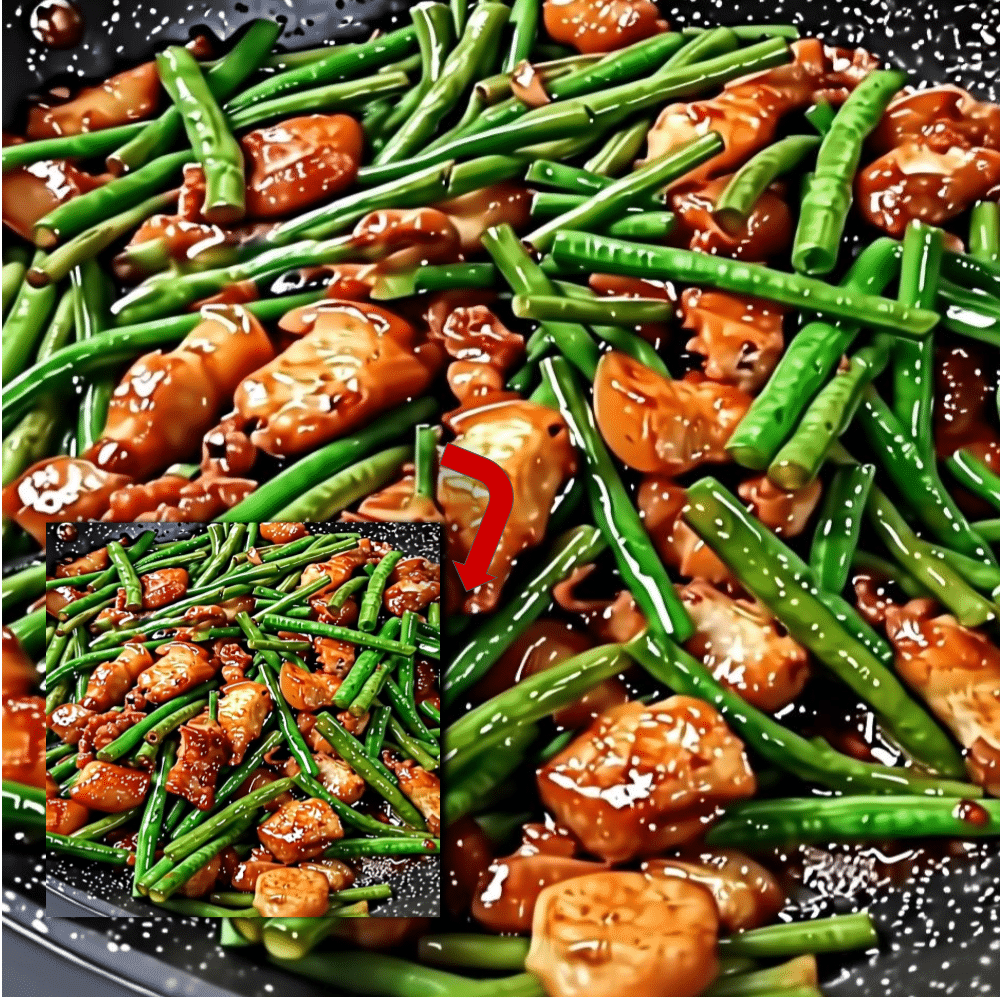
The ultimate accompaniment to Adobong Sitaw with Pork is, without a doubt, a generous serving of freshly steamed white rice. The plainness of the rice acts as a perfect canvas, soaking up every drop of the rich, savory, and tangy adobo sauce. It’s truly a match made in culinary heaven. For an extra layer of flavor and texture, consider sprinkling some fried garlic on top. A simple side of fresh sliced tomatoes or cucumbers can also cut through the richness, offering a refreshing contrast.
Storage and Reheating Instructions
Proper storage ensures you can enjoy your delicious Adobong Sitaw with Pork for days to come.
- Refrigeration: Store any leftovers in an airtight container in the refrigerator for up to 3-4 days. The flavors often deepen beautifully overnight!
- Freezing: Adobo freezes exceptionally well. Transfer to a freezer-safe container and freeze for up to 2 months. Note that the sitaw might become slightly softer upon thawing, but the overall flavor will remain excellent.
- Reheating: Gently reheat on the stovetop over low to medium heat, adding a splash of water or broth if the sauce has thickened too much. Alternatively, microwave until heated through.
Frequently Asked Questions (FAQ)
What is ‘sitaw’ in English?
Sitaw is the Filipino term for yardlong beans or string beans. They are characterized by their long, slender pods and are a popular vegetable in Filipino cuisine.
How do you keep adobong sitaw crispy?
To keep the sitaw crisp-tender in your adobong sitaw recipe, add them only in the last 5-7 minutes of cooking. Avoid overcooking, as they can quickly become soft and mushy.
Can I use frozen string beans instead of fresh sitaw?
Yes, you can use frozen string beans. Thaw them first and add them towards the end of the cooking process, similar to fresh sitaw, as they cook quickly.
What’s the best pork cut for Adobong Sitaw?
For the richest flavor and most tender result, pork belly (liempo) is highly recommended. Pork shoulder (kasim) is also an excellent choice if you prefer a leaner option for your pork belly recipes Filipino style.
Why shouldn’t I stir the adobo after adding vinegar?
Not stirring immediately after adding vinegar allows its sharp, raw acidity to cook off. Stirring too soon can result in a harsh, overly sour taste in your soy sauce vinegar recipe based adobo sauce.
Is Adobong Sitaw healthy?
Sitaw adds fiber and vitamins, while pork provides protein. You can make it healthier by using leaner pork cuts, reducing soy sauce for less sodium, and limiting oil. It’s a great example of healthy Filipino recipes when mindful adjustments are made.
How can I make the adobo sauce thicker?
To make your adobo sauce thicker, you can either simmer it uncovered for a longer period to reduce the liquid, or add a slurry of cornstarch and water (1 tsp cornstarch mixed with 2 tbsp water) during the last few minutes of cooking.
Conclusion
There you have it – the ultimate guide to creating a truly authentic and incredibly delicious Adobong Sitaw with Pork. This classic Filipino food embodies the warmth and richness of Pinoy cuisine, offering a perfect blend of savory pork and crisp string beans coated in that iconic adobo sauce. It’s an easy adobong sitaw recipe that promises to impress.
Don’t just dream about this incredible dish; roll up your sleeves and bring this amazing flavor into your kitchen. We encourage you to try this authentic adobong sitaw recipe today and discover why it’s a beloved staple in every Filipino home. Let us know how it turns out in the comments below!
[Recipe Card Placeholder]
This section is designed to be formatted as a structured recipe card for easy printing and Google Recipe Schema integration.
- Dish: Adobong Sitaw with Pork
- Cuisine: Filipino
- Prep Time: 15 minutes
- Cook Time: 45 minutes
- Total Time: 1 hour
- Servings: 4-6 people
- Ingredients List:
- 1 tbsp cooking oil
- 4-5 cloves garlic, minced
- 1 medium onion, sliced
- 500g pork belly or shoulder, cut into 1.5-inch cubes
- 1/2 cup soy sauce (Filipino brand recommended)
- 1/4 cup cane vinegar (or white/apple cider vinegar)
- 1 cup water or broth
- 1 tsp whole black peppercorns
- 2-3 bay leaves
- 300g sitaw (string beans), trimmed and cut into 2-inch lengths
- (Optional) 1 tsp sugar
- (Optional) 1 tbsp oyster sauce
- Step-by-Step Instructions:
- In a large pot, heat oil. Sauté garlic and onion until fragrant. Add pork and brown on all sides.
- Pour in soy sauce, vinegar, water/broth. Add peppercorns and bay leaves. Bring to a boil, then reduce heat. Do not stir for 5-7 minutes.
- Cover and simmer for 30-45 minutes, or until pork is tender.
- Add sitaw (and optional sugar/oyster sauce). Cook uncovered for 5-7 minutes until sitaw is crisp-tender.
- Serve hot with steamed rice.
- Notes/Tips: Do not overcook sitaw. Adobo tastes better the next day. Adjust seasoning to taste.
“`
For more daily recipes and tips, follow us on Facebook!
Click here to join our community!