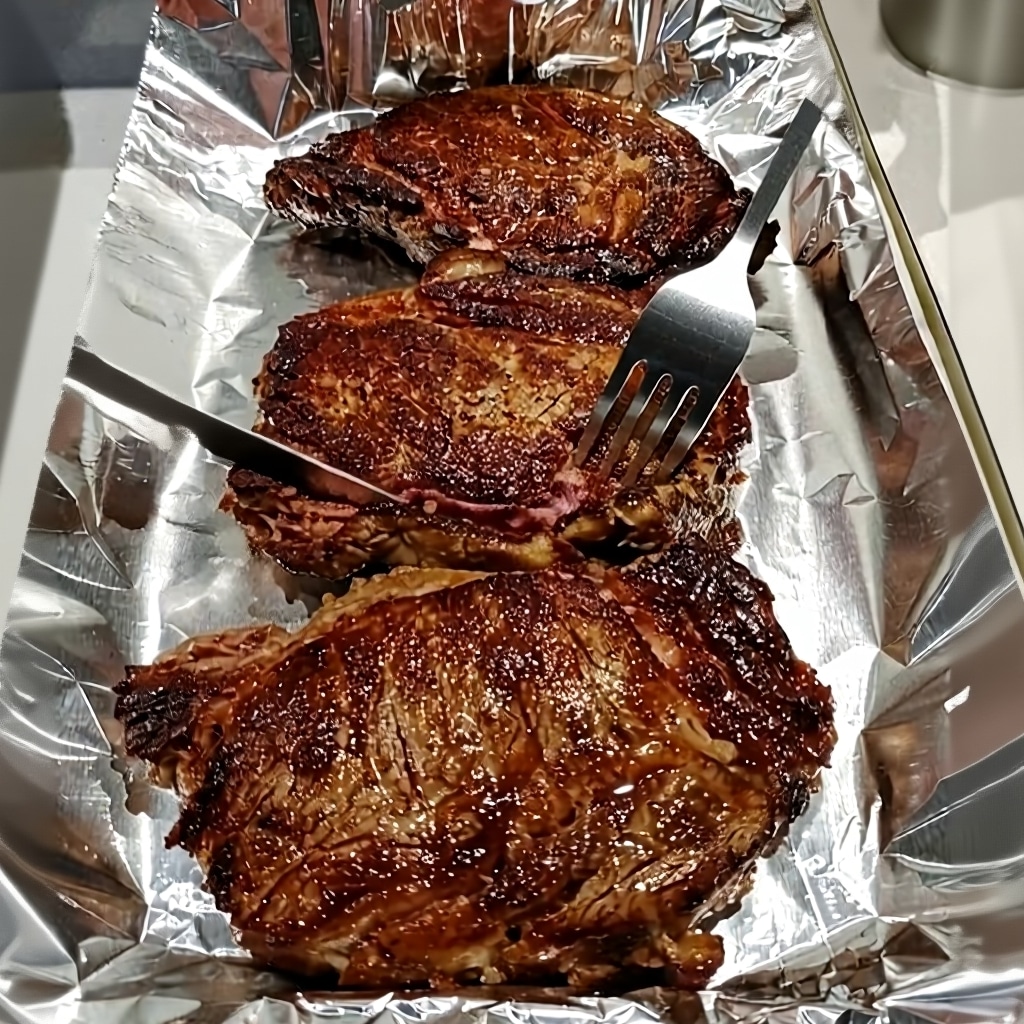
The Only Pan-Seared Ribeye Steak Recipe You’ll Ever Need
Imagine this: the intoxicating sizzle as a thick, marbled steak hits a screaming hot pan, the rich aroma of beef and garlic butter filling your kitchen, and finally, that moment of cutting into a perfectly cooked, tender pan-seared ribeye steak with a deep, savory crust. Achieving this restaurant-quality experience at home isn’t a pipe dream; it’s entirely within your reach.
This comprehensive guide will demystify the process, transforming you into a stovetop steak master. We’ll show you how to cook ribeye steak in a pan using a simple, foolproof method, ensuring you achieve a perfect pan seared steak every single time. From choosing the ideal cut to mastering the crucial resting period and slicing against the grain, we cover everything you need to create an unforgettable steakhouse steak at home.
Why This Method is the Best for Ribeye
When it comes to the best way to cook ribeye, pan-searing stands out for several compelling reasons:
- Maximum Flavor, Minimum Fuss: High heat searing initiates the magical Maillard reaction steak, creating an unbelievably flavorful, deeply browned crust that locks in juices. This method delivers an unmatched depth of flavor you simply can’t get from other cooking techniques.
- Speed and Efficiency: From prep to plate, you can have a magnificent stovetop ribeye steak ready in under 20 minutes, making it perfect for weeknight indulgence or impressive entertaining.
- Unparalleled Control: Cooking on the stovetop gives you precise control over the temperature, allowing you to achieve the exact doneness you desire, from rare to well-done.
- The Butter Baste: Finishing with a luscious garlic butter ribeye steak recipe and fresh herbs elevates the steak from great to absolutely sublime. This butter basting steak technique infuses every bite with incredible aromatics.
Choosing Your Champion: How to Select the Perfect Ribeye Steak
The Importance of Quality: Prime vs. Choice vs. Select
Starting with a high-quality cut is paramount for an exceptional pan-seared ribeye steak. USDA grades beef based on marbling and age. Look for:
- Prime: The highest grade, boasting abundant marbling, ensuring maximum flavor and tenderness. Worth the splurge for this method.
- Choice: High-quality beef with less marbling than Prime but still excellent. Many high-end grocery stores offer fantastic “High Choice” options.
- Select: Generally leaner with less marbling. While more economical, it won’t yield the same rich, tender results for a perfect pan seared steak.
Always look for a bright cherry-red color and firm texture.
Marbling is King
Marbling refers to the delicate white flecks of intramuscular fat distributed throughout the muscle. This fat is your flavor secret weapon. As the steak cooks, the marbling renders, basting the meat from within, adding incredible moisture, tenderness, and that signature rich, buttery ribeye flavor.
Thickness Matters: Aim for 1 to 1.5 Inches
A thick cut ribeye steak recipe (1 to 1.5 inches) is ideal for pan-searing. Thicker steaks are more forgiving; they allow you to develop a beautiful, deep crust without overcooking the interior, making it much easier to hit that perfect medium-rare internal temp. If you have a thinner cut, reduce searing time accordingly.
Bone-In vs. Boneless Ribeye
Both bone-in ribeye steak recipes and boneless ribeye recipes yield fantastic results:
- Bone-In: The bone adds flavor, especially near the bone, and acts as an insulator, promoting more even cooking and moisture retention.
- Boneless: Easier to achieve a uniform sear across the surface and simpler to carve.
Essential Tools and Ingredients
The Right Pan is Non-Negotiable
The success of your pan-seared ribeye steak hinges on the right cooking vessel:
- Cast Iron Skillet: The undisputed champion for searing steak in a pan. A cast iron ribeye steak achieves an unparalleled crust due to its exceptional heat retention and even heat distribution.
- Heavy-Bottomed Stainless Steel: A good alternative for cooking steak in stainless steel pan if cast iron isn’t available. Ensure it’s thick and heavy to retain heat well.
- Why to Avoid Non-Stick: Non-stick pans cannot handle the high heat required for a proper sear, and the non-stick coating can break down, impacting both your steak and your health. This method demands high heat, so knowing what pan to use for steak is crucial.
The Tools of the Trade
- Tongs: Essential for flipping and maneuvering your steak without piercing it and losing precious juices.
- Instant-Read Meat Thermometer: The single most important tool for guaranteeing perfect doneness. It removes all guesswork and ensures you hit your target ribeye steak temperature chart every time.
- Spoon: For effectively performing the butter basting steak technique.
Simple Ingredients, Bold Flavor
A simple ribeye steak recipe relies on quality ingredients:
- The Steak: Your chosen 1 to 1.5-inch ribeye, the undisputed star.
- High-Smoke-Point Oil: Avocado, grapeseed, or canola oil are ideal for the initial sear. These oils can withstand the high temperatures needed to get a good crust on steak without burning. This is the best oil for searing steak.
- Coarse Salt & Freshly Ground Black Pepper: The only seasonings your steak truly needs to shine. Season generously.
- Unsalted Butter: For basting and creating a rich, flavorful sauce.
- Aromatics: A few smashed garlic cloves, fresh thyme, or rosemary sprigs for infusing the butter.
The Step-by-Step Guide to Pan-Seared Perfection
Step 1: Prep the Steak (The 30-Minute Rule)
Remove your pan-seared ribeye steak from the refrigerator 30-60 minutes before cooking. This allows the steak to come closer to room temperature, promoting more even cooking from edge to edge. Critically, pat the steak completely dry on all sides with paper towels. Any surface moisture will steam rather than sear, preventing that coveted deep brown crust. Season generously on all sides, including the fat cap, with coarse salt and freshly ground black pepper.
Step 2: Get Your Pan Screaming Hot
Place your cast iron skillet (or heavy-bottomed stainless steel pan) over high heat. Let it preheat for 5-10 minutes. You’ll know it’s hot enough when you see wisps of smoke, or if a drop of water evaporates instantly. The pan should be smoking slightly, but not excessively. This high heat is crucial for the Maillard reaction and how to get a good crust on steak.
Step 3: The Sear
Add 1-2 tablespoons of high-smoke-point oil to the hot pan. It should shimmer immediately. Carefully place the steak in the pan, laying it away from you to avoid splatters. Do not touch it! Let it sear undisturbed for 2-4 minutes, depending on thickness, until a deep, golden-brown crust forms. Flip the steak with tongs and sear the other side for another 2-4 minutes. If your ribeye has a thick fat cap on the side, use tongs to hold the steak on its side and sear the fat cap for 1-2 minutes until rendered and golden brown.
Step 4: The Butter Baste
Reduce the heat to medium. Add 2-3 tablespoons of unsalted butter, a few smashed garlic cloves, and a sprig or two of fresh thyme or rosemary to the pan. As the butter melts and foams, tilt the pan slightly and use a spoon to continuously baste the steak with the fragrant, foaming butter for 1-2 minutes. This technique infuses the steak with incredible flavor and helps even out the cooking.
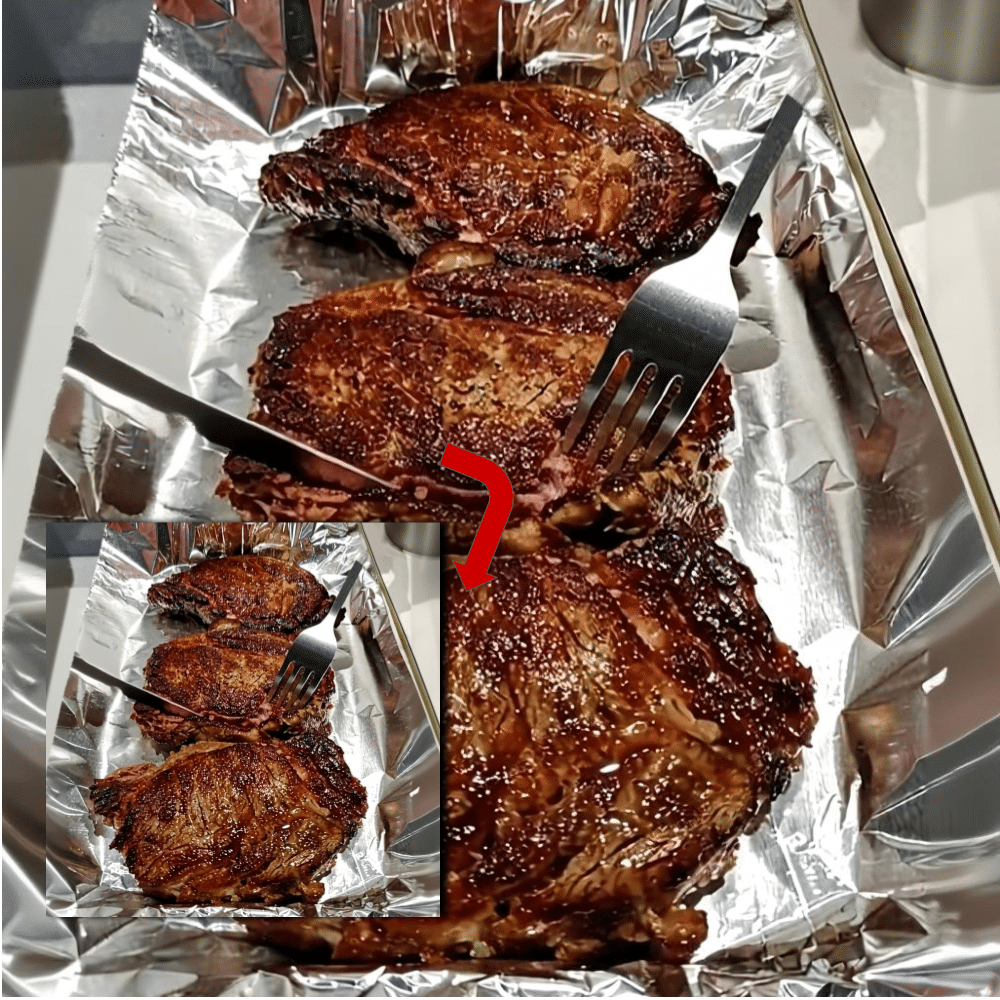
Step 5: Check for Doneness with a Thermometer
This is where your instant-read meat thermometer becomes your best friend. Insert the thermometer horizontally into the thickest part of the steak, avoiding any bone. Pull the steak from the pan when it reaches about 5°F below your desired final temperature (accounting for carryover cooking).
Step 6: The Crucial Rest
Transfer the steak to a cutting board or a wire rack set over a baking sheet. This is a non-negotiable step: let it rest for 5-10 minutes (longer for thicker cuts). Why is resting steak importance so emphasized? During cooking, the muscle fibers contract, pushing juices to the center. Resting allows these juices to redistribute throughout the meat, ensuring every bite is incredibly tender and flavorful. Skipping this step will result in a dry steak and a board full of wasted juice.
Step 7: Slice and Serve
After resting, slice your pan-seared ribeye steak against the grain into ½-inch thick slices. This shortens the muscle fibers, making the steak even more tender to chew. Serve immediately, spooning any remaining pan juices and aromatic butter over the top. Congratulations, you’ve just mastered the stovetop ribeye steak!
Steak Doneness: A Visual and Temperature Guide
Understanding internal temperatures is key to a perfect pan-seared ribeye steak. Remember, steak continues to cook for a few minutes after it’s removed from the heat (carryover cooking), so always pull it 5°F before your target final temperature.
Steak Doneness Chart
- Rare: Cool red center. Pull at 120°F (Final Temp: 125°F).
- Medium-Rare: Warm red center. Pull at 130°F (Final Temp: 135°F). (Recommended for ribeye)
- Medium: Warm pink center. Pull at 140°F (Final Temp: 145°F).
- Medium-Well: Slightly pink center. Pull at 145°F (Final Temp: 150°F).
- Well-Done: Little or no pink. Pull at 155°F (Final Temp: 160°F).
Pro-Tips for Steakhouse Results
- Dry Brining: For an even better crust and more profound flavor, consider dry brining. Salt your steak generously on all sides and place it uncovered on a wire rack in the fridge for a few hours or even overnight. This draws moisture out, then reabsorbs it, concentrating the beefy flavor.
- The Reverse Sear Method: For extra-thick ribeyes (1.5 inches or more), the reverse sear ribeye is a fantastic alternative. Cook the steak in a low oven (250°F) until it’s about 15-20°F below your target internal temperature, then transfer it to a screaming hot cast iron skillet for a quick, intense sear (1-2 minutes per side) to develop the crust.
- Managing Smoke in Your Kitchen: A hot pan means smoke! Turn on your exhaust fan *before* you start cooking. Ensure good ventilation. Use a high-smoke-point oil, and avoid letting the pan get *too* hot before adding the steak. Patting the steak dry also reduces smoke from splattering moisture.
- Making a Simple Pan Sauce: After resting your pan-seared ribeye steak, use the same pan to deglaze it. Add a splash of red wine, beef broth, or even a knob of butter. Scrape up the fond (browned bits) from the bottom of the pan while simmering for a minute or two until slightly reduced. Strain if desired, and spoon over the sliced steak. Gordon Ramsay steak often includes a simple, rich pan sauce.
Perfect Pairings: What to Serve with Your Ribeye
No steak dinner is complete without complementary sides and a perfect beverage.
Classic Side Dishes
- Creamed Spinach or Sautéed Spinach with garlic.
- Fluffy Garlic Mashed Potatoes or a crispy baked potato.
- Roasted Asparagus or Broccolini with lemon.
- A simple Wedge Salad with blue cheese dressing.
Wine Pairings
Pair your rich pan-seared ribeye steak with bold red wines like a robust Cabernet Sauvignon, a fruity Malbec, a complex Zinfandel, or a classic Bordeaux blend. The tannins in these wines beautifully cut through the richness of the steak.
Frequently Asked Questions (FAQ)
-
How long do you pan-sear a 1-inch ribeye?
-
For a 1-inch thick pan-seared ribeye steak cooked to medium-rare, typically sear for 3-4 minutes per side. However, the exact how long to cook ribeye steak will vary with pan heat and steak thickness. An instant-read thermometer is the only way to be sure of doneness.
-
Should I use butter or oil to sear a steak?
-
For the initial sear, always use a high-smoke-point oil (like avocado or grapeseed) as butter burns quickly at high temperatures. Add unsalted butter along with aromatics (garlic, herbs) towards the end for basting and flavor, creating a delicious garlic butter ribeye steak recipe.
-
Can I cook a pan-seared ribeye steak without a cast iron skillet?
-
Yes, a heavy-bottomed stainless steel pan is the next best choice if you don’t have a cast iron skillet. It retains heat well, which is crucial for searing steak in a pan. Avoid lightweight or non-stick pans as they don’t achieve the necessary high temperatures for a proper crust.
-
Why is my steak tough?
-
A tough steak can result from several factors: a low-quality cut with little marbling, overcooking (which dries out the meat), or not slicing against the grain during carving. Ensure you select a good quality ribeye and follow the ribeye steak temperature chart.
-
Do I need to let my steak rest?
-
Absolutely, resting steak importance cannot be overstated. It’s non-negotiable! Resting allows the juices, which have concentrated in the center during cooking, to redistribute throughout the meat. This ensures every bite is tender, moist, and flavorful. Skipping this step leads to a dry steak and a puddle of juice on your cutting board.
-
How do I stop my smoke alarm from going off when cooking a stovetop ribeye steak?
-
To manage smoke, ensure good kitchen ventilation by turning on your exhaust fan before you start. Use a high-smoke-point oil and ensure your steak is thoroughly patted dry to minimize splattering. Also, while the pan needs to be hot for searing steak in a pan, don’t let it get excessively hot to the point of continuously billowing smoke.
Full Recipe Card: Pan-Seared Ribeye Steak
A quick summary for your perfect pan seared steak.
Ingredients:
- 1 (1-1.5 inch thick) ribeye steak (bone-in or boneless)
- 1 tbsp high-smoke-point oil (avocado, grapeseed)
- 1 tsp coarse salt
- ½ tsp freshly ground black pepper
- 2-3 tbsp unsalted butter
- 2-3 smashed garlic cloves
- 1-2 sprigs fresh thyme or rosemary
Instructions:
- Prep Steak: Bring steak to room temp (30-60 min). Pat thoroughly dry. Season generously with salt and pepper.
- Heat Pan: Preheat cast iron or heavy-bottomed stainless steel pan over high heat for 5-10 min until smoking slightly.
- Sear: Add oil. Place steak in pan, sear 2-4 min per side for a deep crust. Sear fat cap if applicable.
- Baste: Reduce heat to medium. Add butter, garlic, herbs. Baste steak continuously for 1-2 min.
- Check Doneness: Use instant-read thermometer. Remove steak 5°F below target temp (e.g., 130°F for medium-rare).
- Rest: Transfer to cutting board/rack. Rest 5-10 min.
- Serve: Slice against the grain. Spoon pan juices over. Enjoy your perfect pan-seared ribeye steak!
For more daily recipes and tips, follow us on Facebook!
Click here to join our community!